
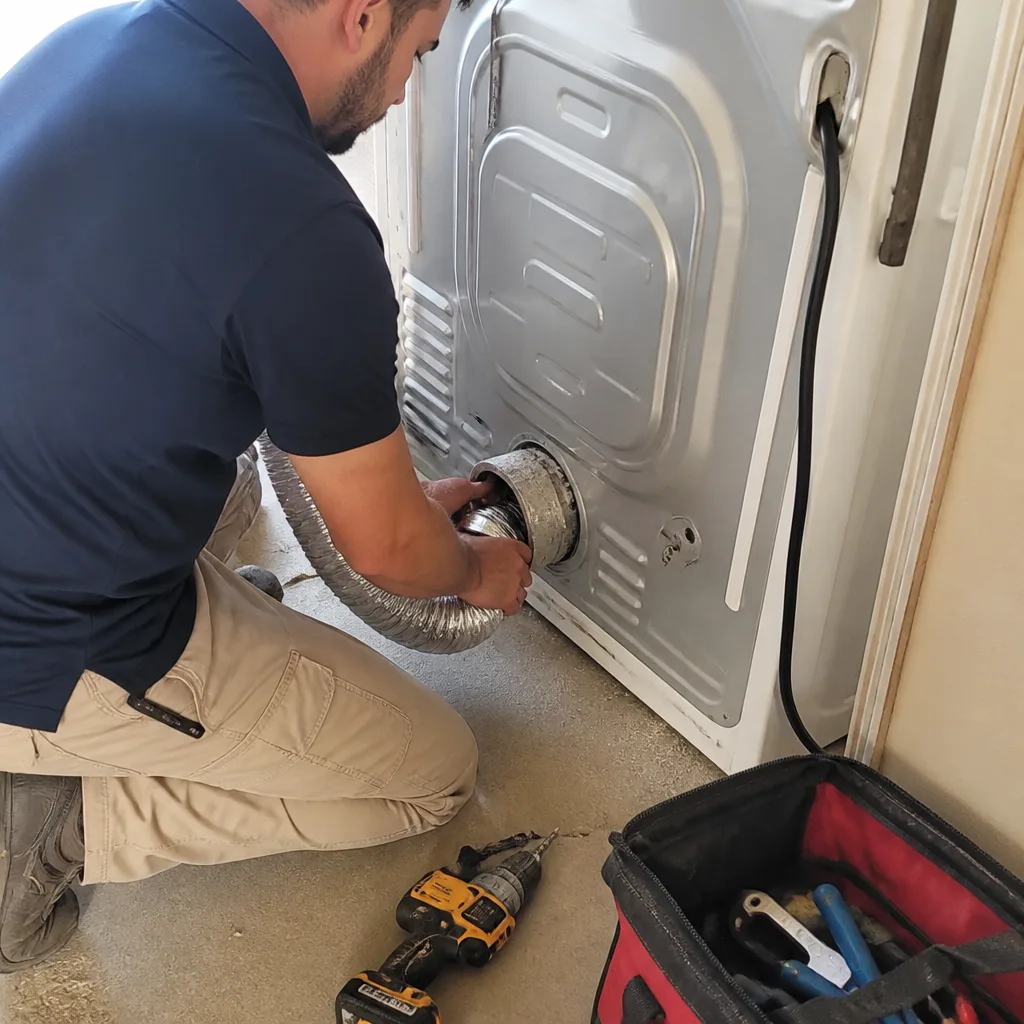
Whole-system duct and dryer vent check with before-and-after photos - you see exactly what came out of your vents
That "$99 whole-house special" is a bait ad - the real number appears once they are in your hallway, or the "clean" is a shop-vac at the register. We photograph the inside of your ducts before and after instead.
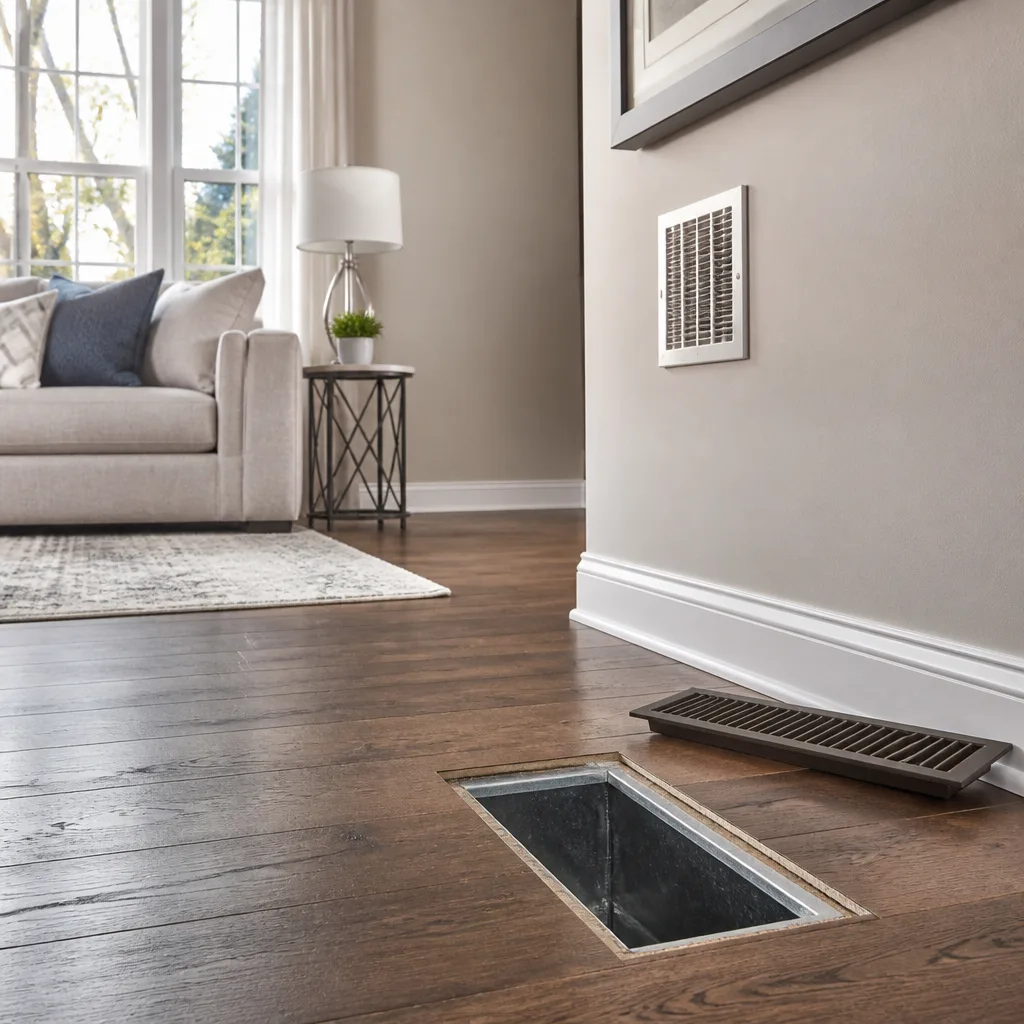
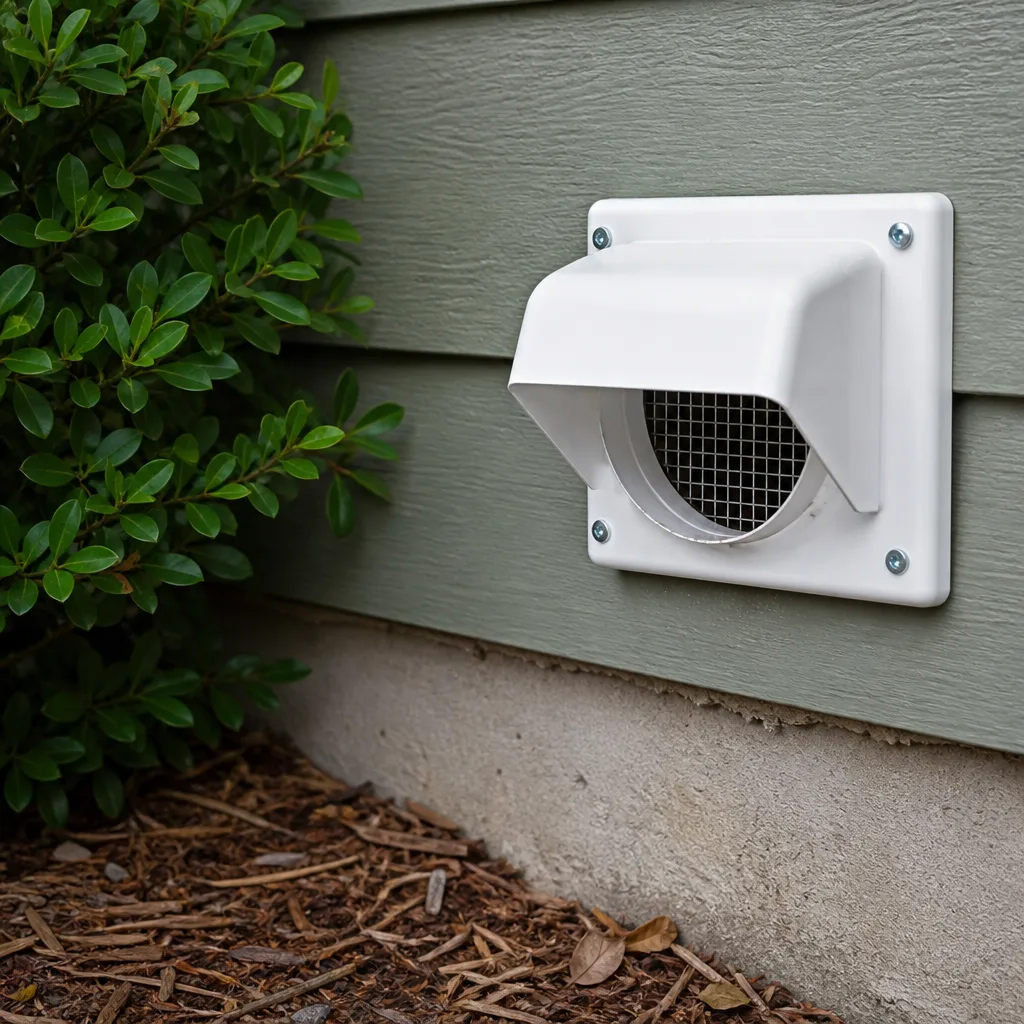
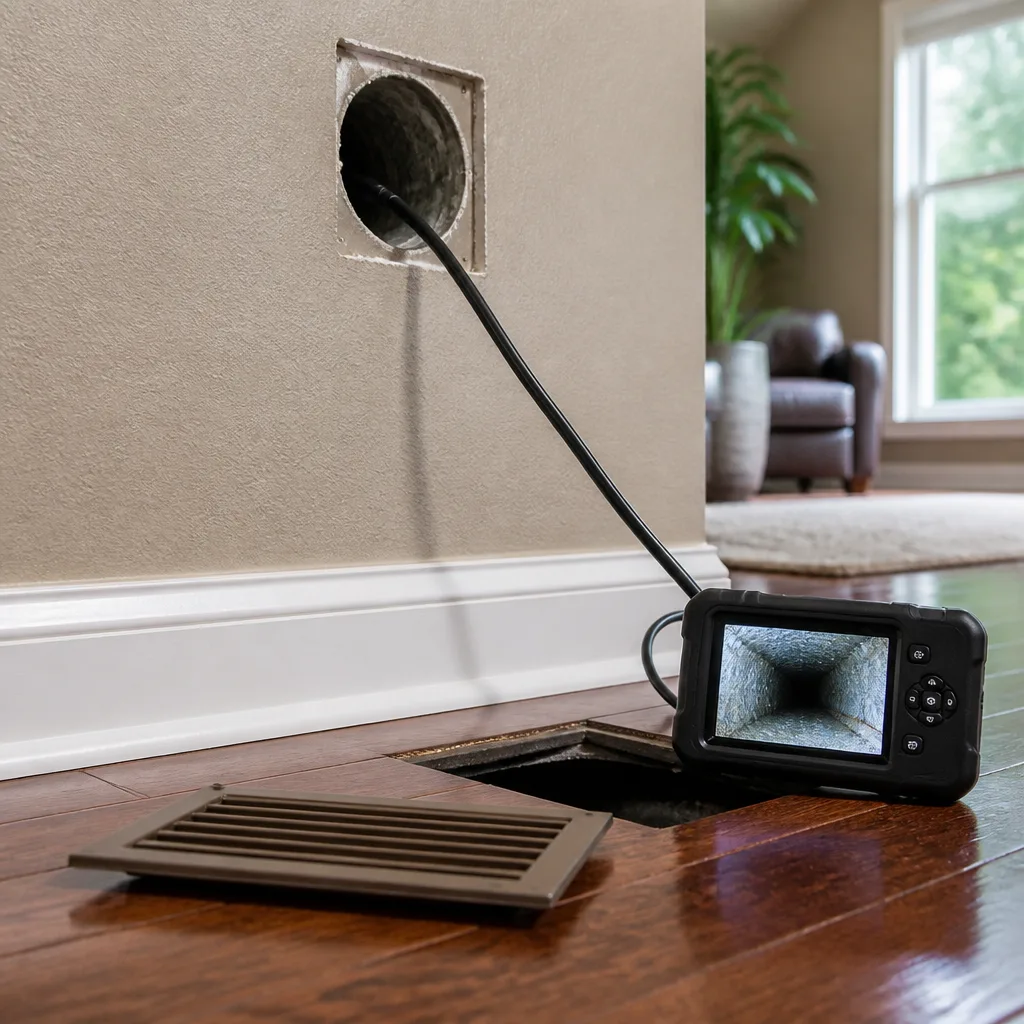
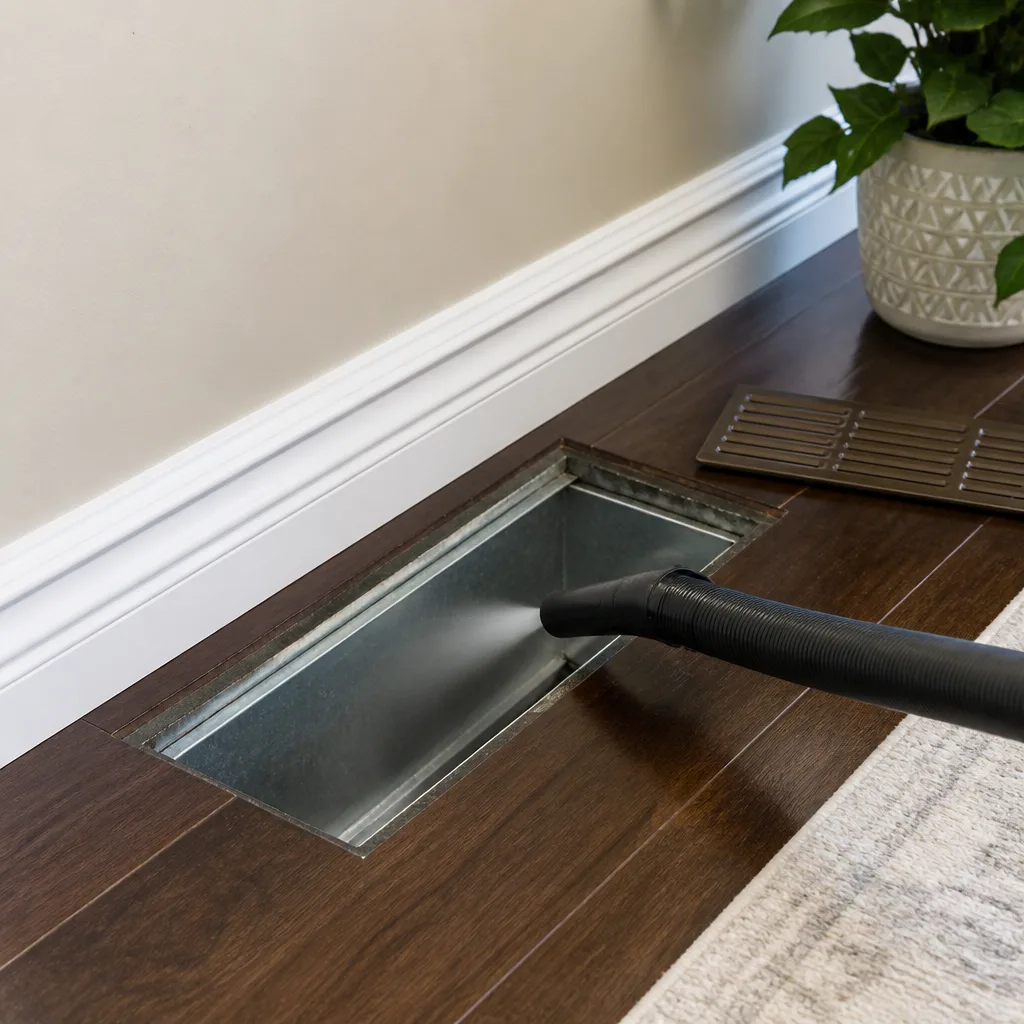
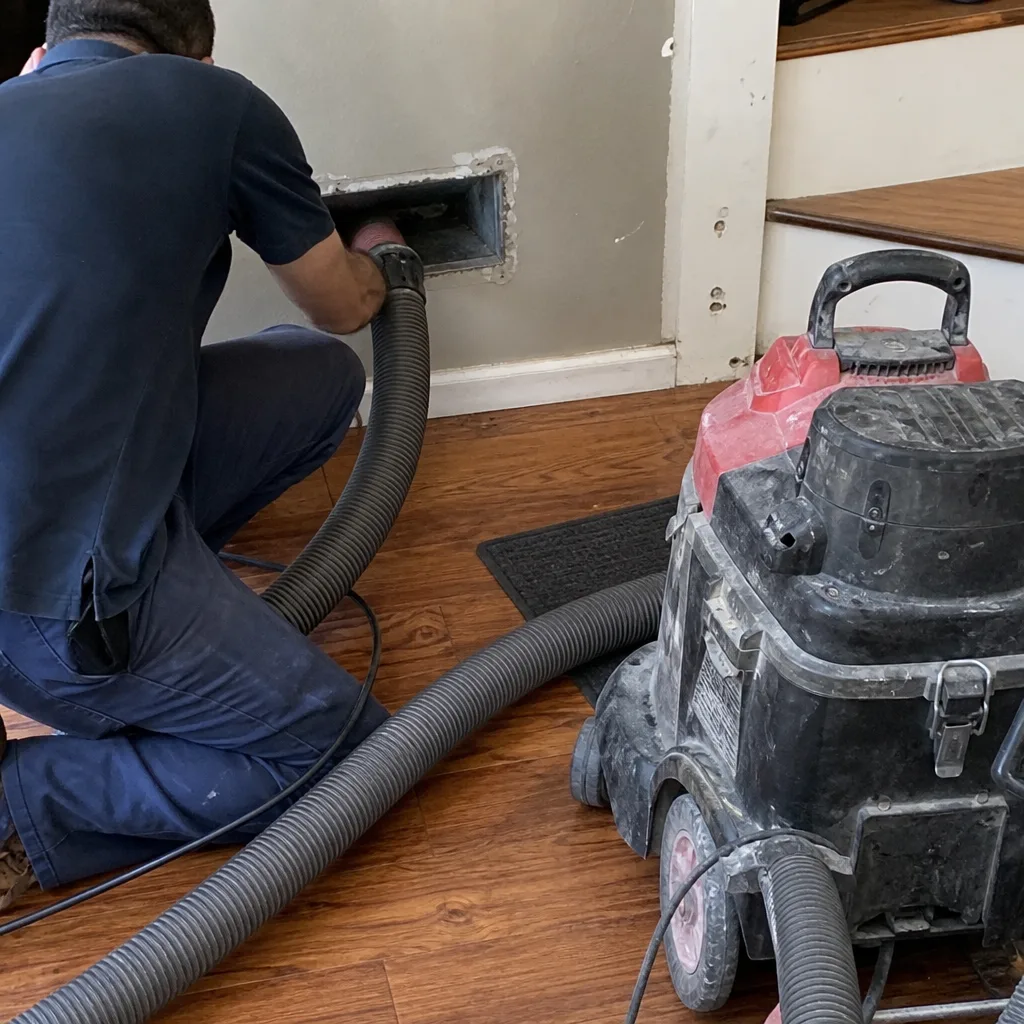 Before
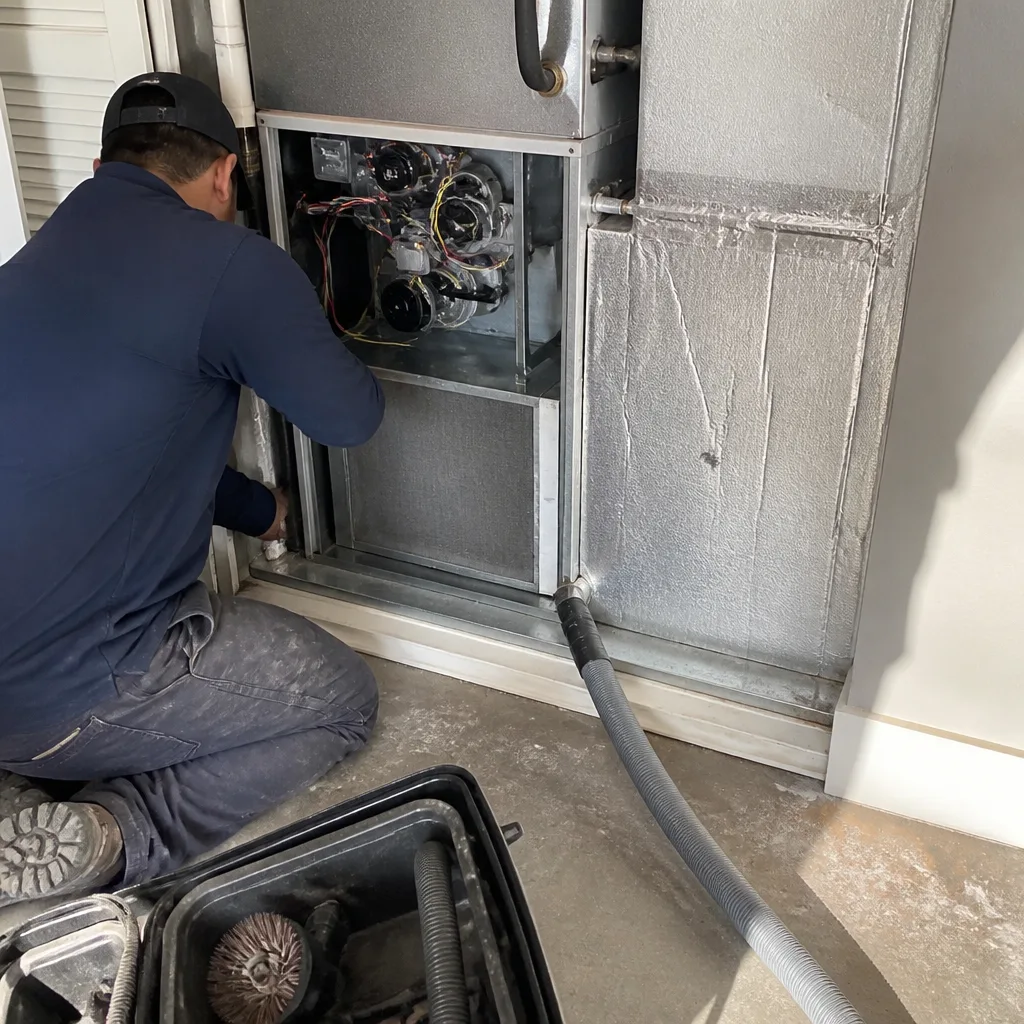 After
After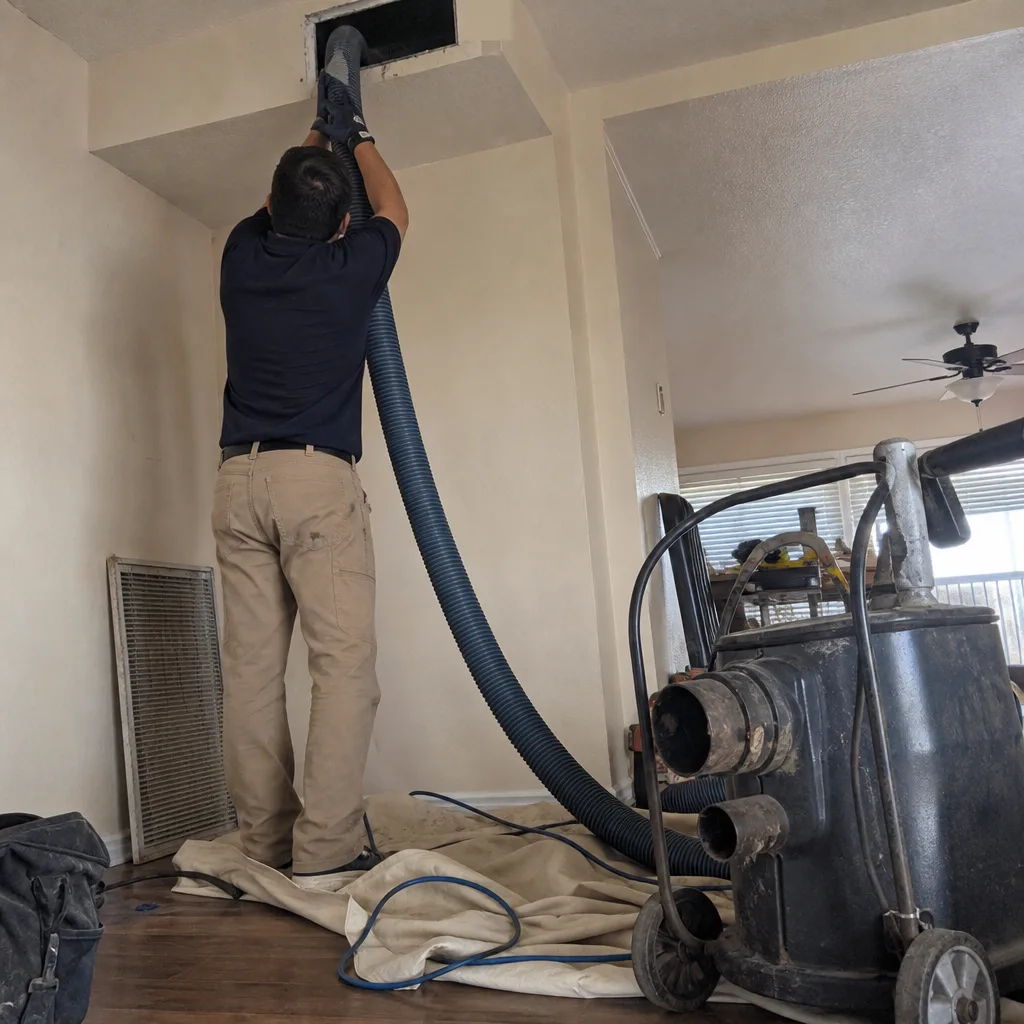 Before
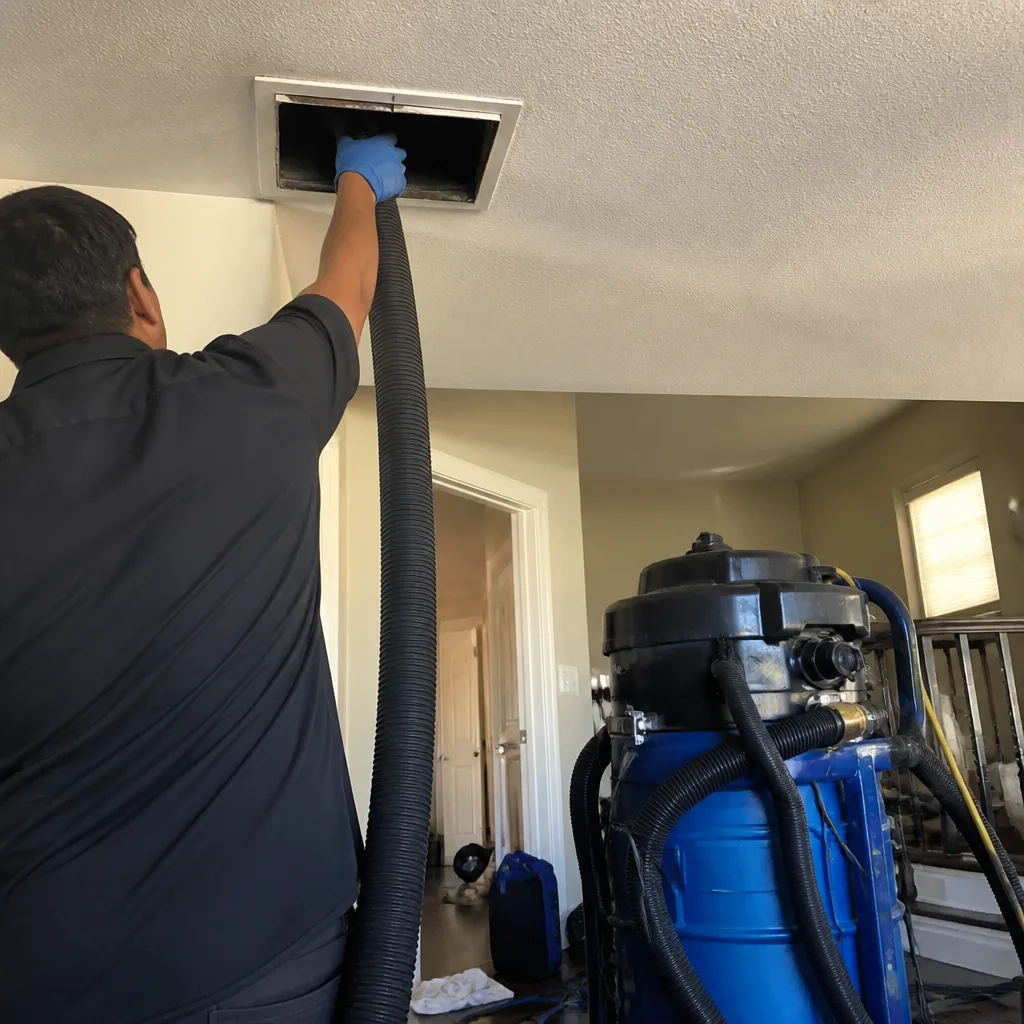 After
After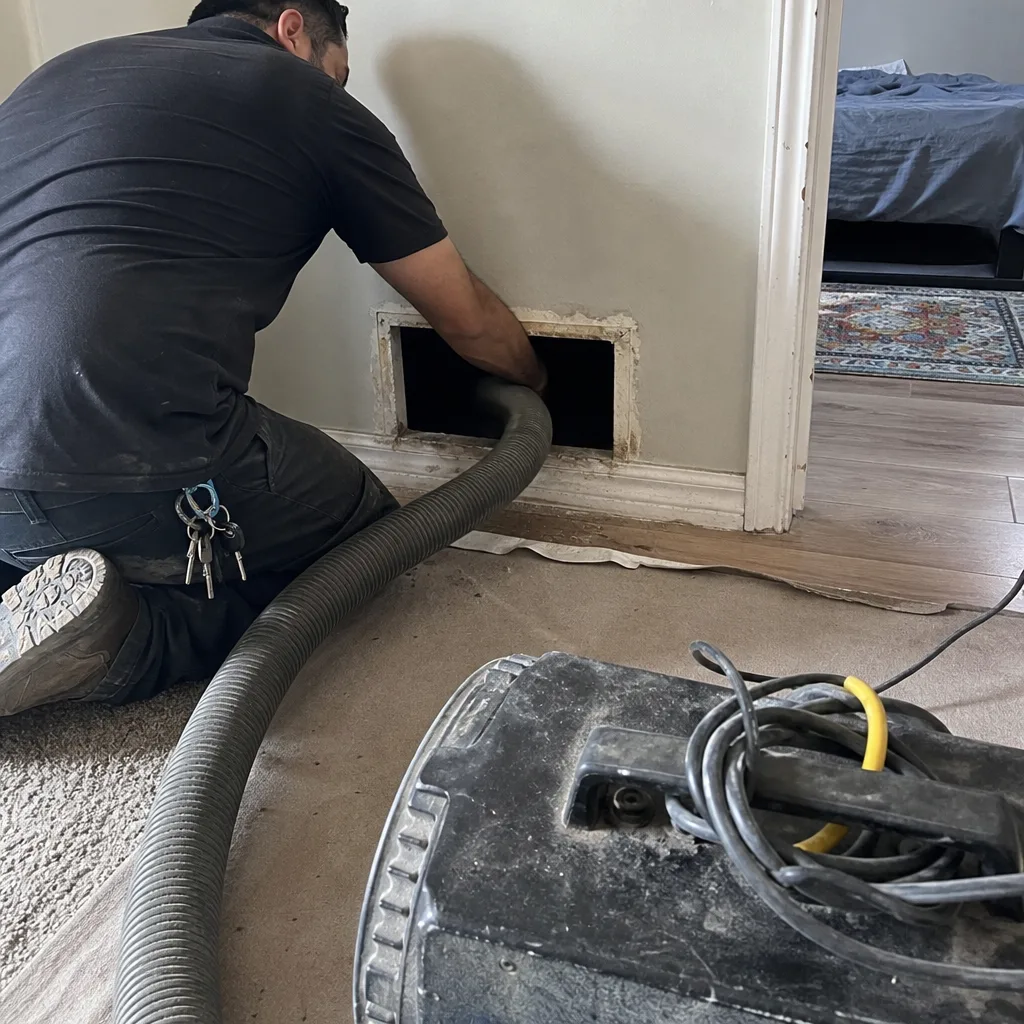 Before
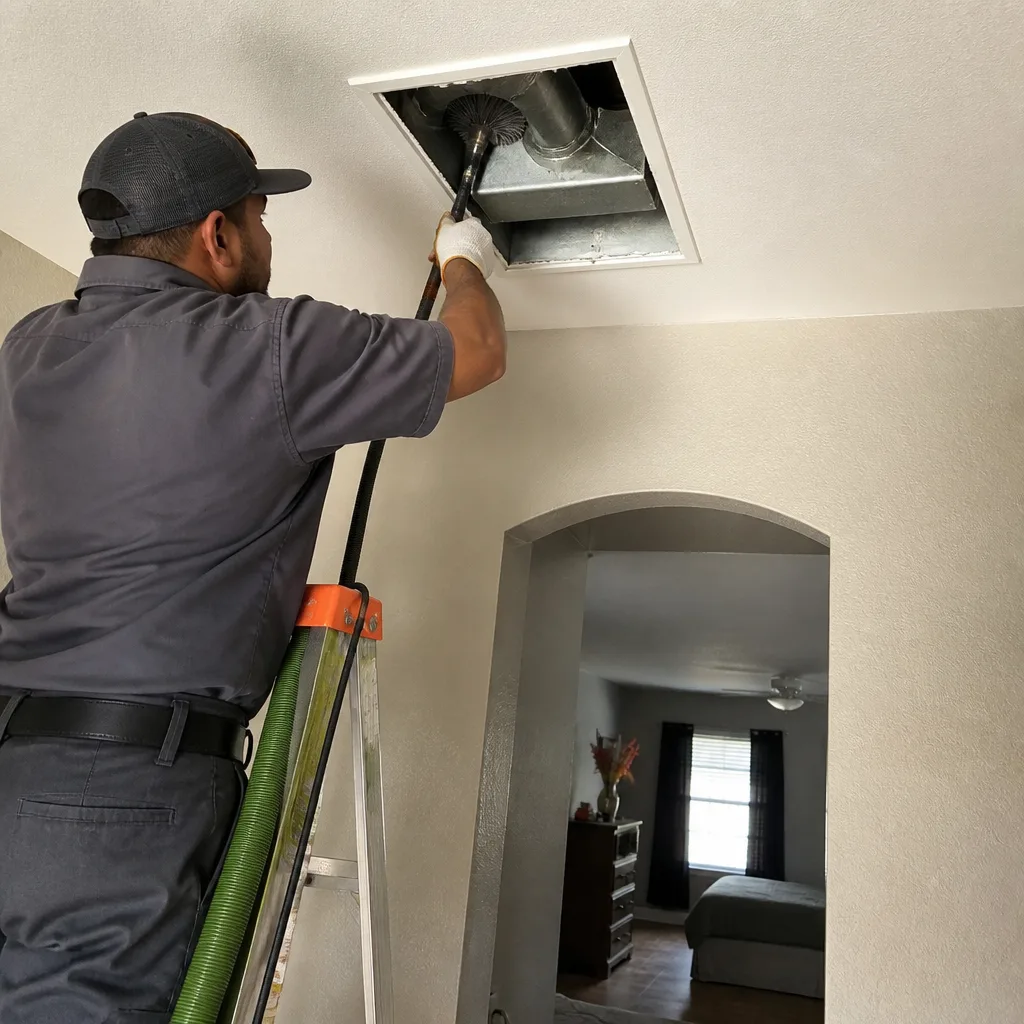 After
AfterRotobrush Vent Sanitizing: The Fort Worth Owner’s Guide
Rotobrush-compatible vent sanitizing in Fort Worth typically runs $280-$480 installed for a whole-system treatment, and we stock the full sanitizing agent lineup for same-day scheduling when you call before noon. Most owners realize their vent sanitizing needs attention when they notice persistent mustiness returning within weeks of a standard cleaning, or when a Rotobrush-equipped contractor points out that the brush system alone won’t address microbial growth in the plenum (the main distribution box above your furnace). We carry Rotobrush-approved sanitizing solutions on every truck, along with Nikro and Abatement Technologies equivalents for systems where the OEM spec isn’t the right fit.
Which Rotobrush Models This Applies To
Rotobrush builds two distinct equipment lines that affect sanitizing compatibility: the original brush-and-vac systems (Beast series, Classic series, and the older 4500/7500 units) and the newer negative-air hybrid setups that pair a brush head with portable HEPA extraction. The sanitizing application method differs between them. Beast-series machines use a post-brush fogging attachment that mounts to the standard hose cuff; Classic units require a separate injection wand that feeds through the register opening after the mechanical cleaning is complete. The label you’re looking for is on the motor housing, not the brush head: “Model RBG” indicates Beast generation, “RBC” indicates Classic.
We stock OEM Rotobrush sanitizer, Guardsman antimicrobial, and an equivalent from Abatement Technologies. The OEM runs higher per-gallon but carries the factory compatibility guarantee; the Guardsman formulation matches the EPA registration for HVAC application and costs roughly 30% less. In Fort Worth’s clay-soil areas like Wedgwood and Berkeley Place, where foundation shifts stress duct seams and introduce more ambient dust, we often recommend the Abatement Technologies option because it includes a residual surfactant that slows reaccumulation. We’ll show you all three labels and their SDS sheets before you choose.
Signs Your Rotobrush Vent Sanitizing Is Failing
- Odor returns within two weeks of cleaning. This usually means the previous sanitizing application never reached the full duct run. Rotobrush brush systems clean the first 8-12 feet effectively, but without proper fogging pressure, the sanitizer settles in the boot (the short duct section behind the register) instead of coating the full trunk line.
- Visible microbial spotting on register grilles. Black or gray spots appearing on the grille itself, not just inside the duct, indicate that airborne spores are circulating past an ineffective sanitizing barrier. The plenum and coil pan are likely the real sources, not the branch ducts.
- Technician reports “no access” to the main trunk. Some Rotobrush operators skip the plenum entirely because the standard hose won’t navigate the tight turn. A proper sanitizing job requires either a separate injection point or a mini-fogger for that cavity.
- Allergic symptoms persist despite filter upgrades. If you’ve moved to a MERV 13 or better and still react, the issue is likely biological loading in the ductwork that mechanical brushing alone won’t address. Sanitizing targets what the brush can’t remove.
- Previous sanitizer left a sticky residue. Cheap fogging solutions, or DIY units from hardware stores, often deposit a film that actually traps new dust. We see this in Fort Worth’s newer builds near Walsh Ranch, where homeowners tried aerosol treatments before calling us.
BeforeAfterReplacement Cost & What’s Included
| Service Component | Typical Range (Fort Worth) |
|---|---|
| Whole-system sanitizing with Rotobrush-compatible agent | $280-$380 |
| Plenum + coil pan treatment add-on | $90-$120 |
| Heavy contamination requiring dual application | $380-$480 |
| Documented Photo Record (standard on every job) | Included |
What moves the price is square footage and contamination level, not per-vent counting. A 2,200-square-foot home in Mistletoe Heights with light maintenance-level buildup sits at the low end; a 3,800-square-foot build in Keller with years of deferred cleaning and visible mold staining in the plenum lands at the high end. We deliver a written price before any work starts, Haven Standard Clause 1, and that price includes the full Documented Photo Record of every duct run, before and after. The 365-Day Done Right Promise covers the application: if odor or spotting returns within a year, we retreat at no charge.
DIY or Call Us?
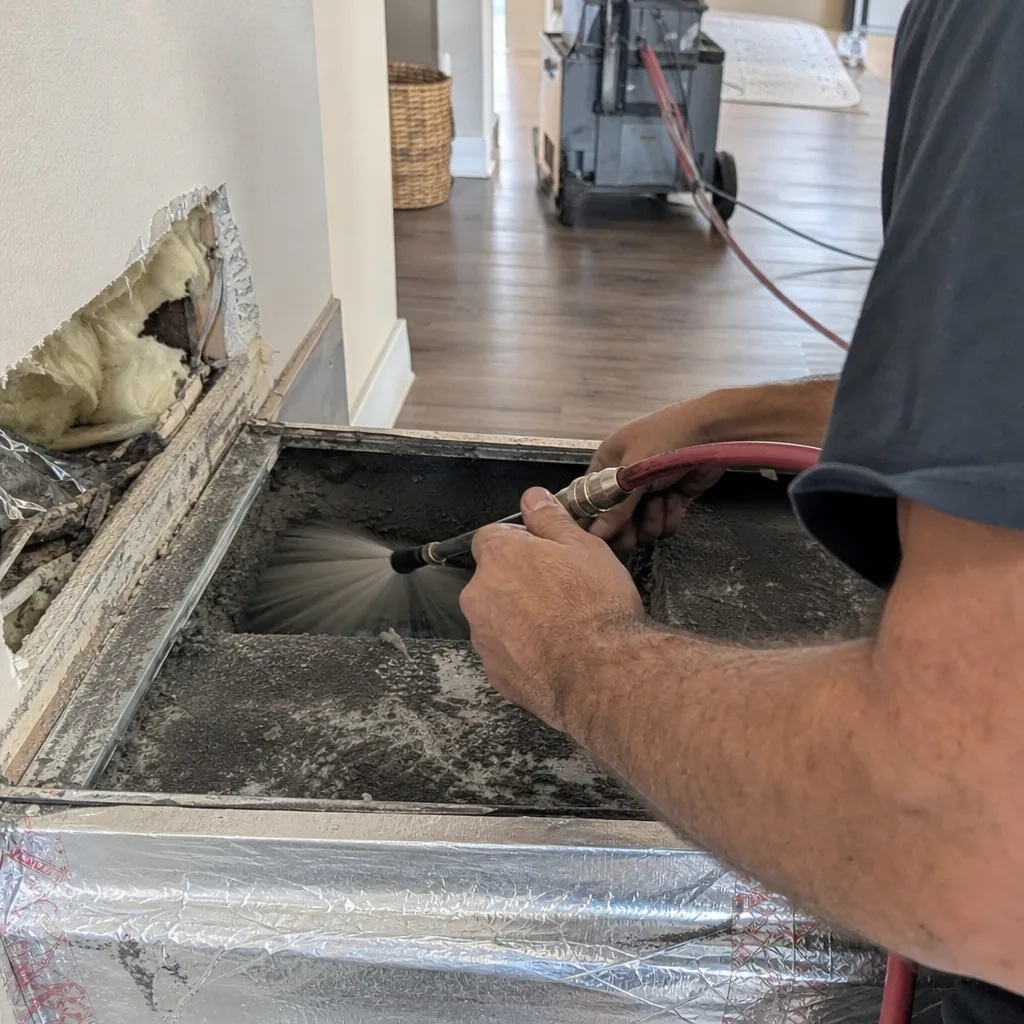
There’s no physical danger in applying vent sanitizer yourself, but there’s a high probability of wasting money. The consumer-grade foggers sold online produce droplets too large to navigate duct elbows, meaning most of the product pools in the first accessible section. We’ve pulled registers in Fort Worth homes where the homeowner spent $80 on a “whole house” kit and achieved maybe 15% coverage.
What you can safely check: remove a register and look past the boot with a flashlight. If you see debris buildup more than a quarter-inch thick, or if the metal surface has a fuzzy coating, mechanical cleaning comes before sanitizing. Applying sanitizer over heavy debris just creates wet mud. What you can’t check without equipment: the condition of the plenum, the evaporator coil pan, and the return trunk, which is where most biological problems actually live. The camera doesn’t have a sales pitch. We’ll show you the footage, then you decide whether to proceed.
Call (817) 520-8797 for a written estimate. Estimates are free, and we offer a Free Second Opinion on any competitor’s written quote.
FAQs
In Fort Worth’s climate, a proper application typically remains effective for 18 to 36 months. The wide range depends on humidity control inside the home, filter maintenance, and whether the duct system has unsealed return pathways pulling attic air. Homes with consistent indoor humidity below 55% and quarterly filter changes see the longer end of that span. Call (817) 520-8797 and we’ll assess your specific system.
Sanitizing is a consumable treatment, not a permanent installation, so “repair” isn’t the right frame. If a previous application failed, the question is why: insufficient coverage, wrong agent for the contamination type, or an underlying moisture problem that feeds new growth. We diagnose the cause before reapplying, so you’re not paying for the same incomplete treatment twice.
A whole-system Rotobrush sanitizing treatment takes 45 minutes to 90 minutes after the mechanical cleaning is complete. The time varies with duct complexity: a single-story ranch in Ridglea with straight trunk lines runs shorter; a two-story with multiple zones and a plenum in the attic takes longer. We schedule the work, not rush it.
Yes. We carry OEM Rotobrush sanitizer, Guardsman antimicrobial, and Abatement Technologies equivalent on every service vehicle, along with Lennox, Trane, and Carrier parts for integrated HVAC systems. If your Rotobrush unit needs a compatible agent we don’t have, we’ll tell you before scheduling, not after arrival.
Written by Tomas Reyes, Owner, CleanRun Air Duct Cleaning Fort Worth at CleanRun Air Duct Cleaning Fort Worth, serving Fort Worth and nearby areas.