
Whole-system duct and dryer vent check with before-and-after photos - you see exactly what came out of your vents
That "$99 whole-house special" is a bait ad - the real number appears once they are in your hallway, or the "clean" is a shop-vac at the register. We photograph the inside of your ducts before and after instead.
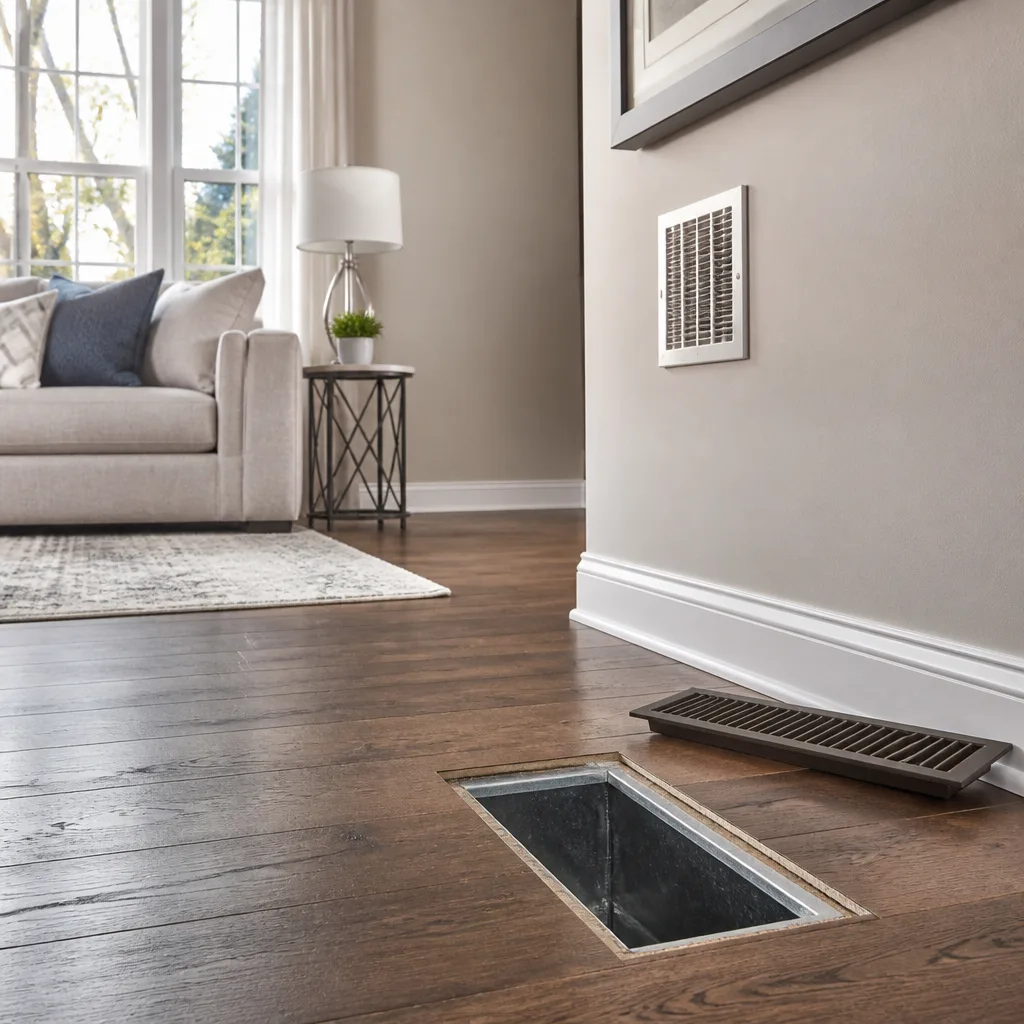
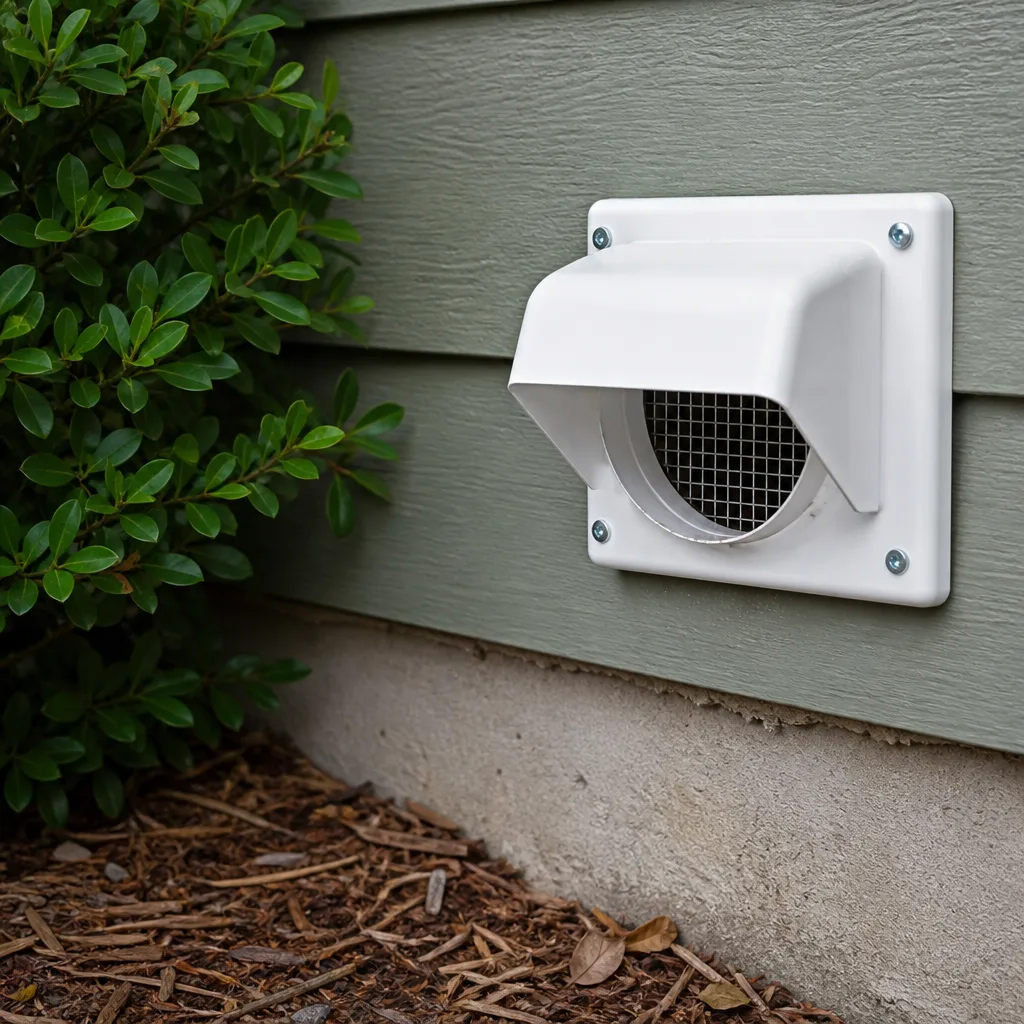
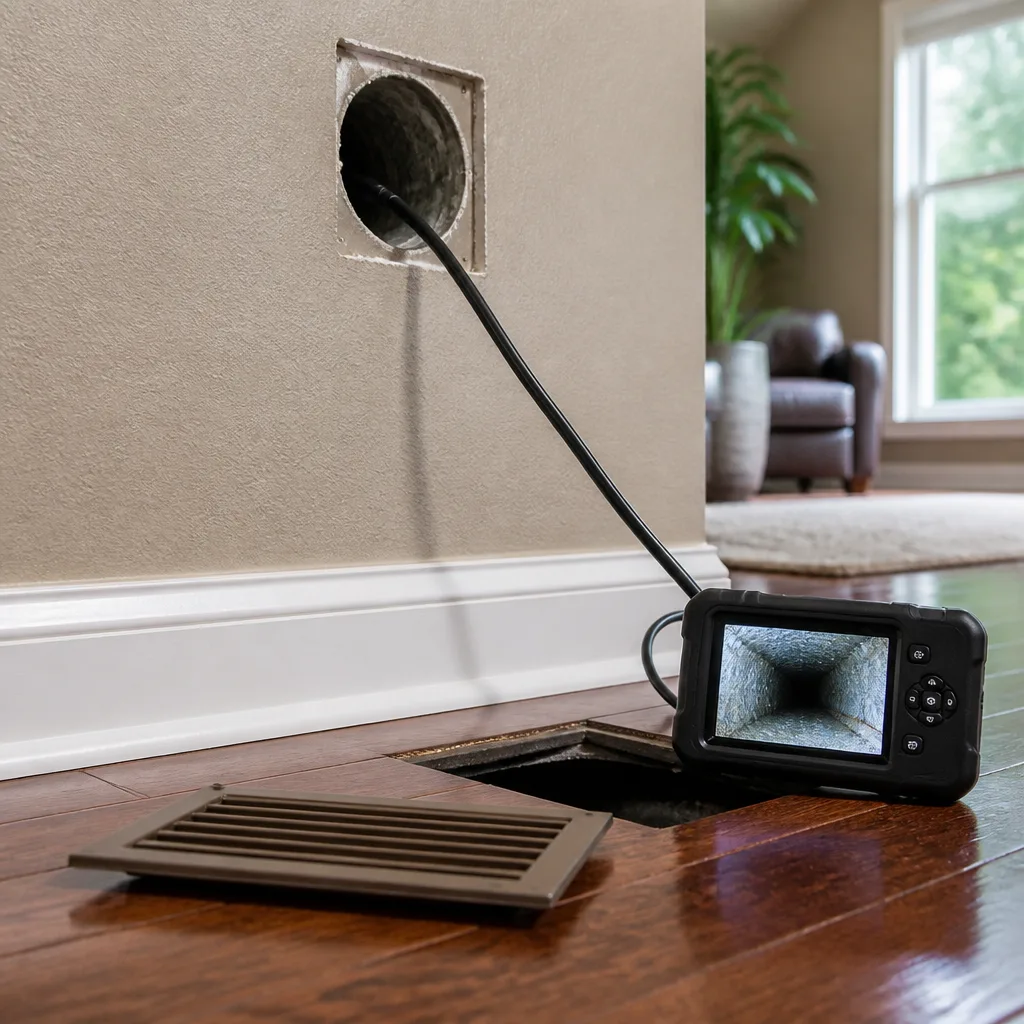
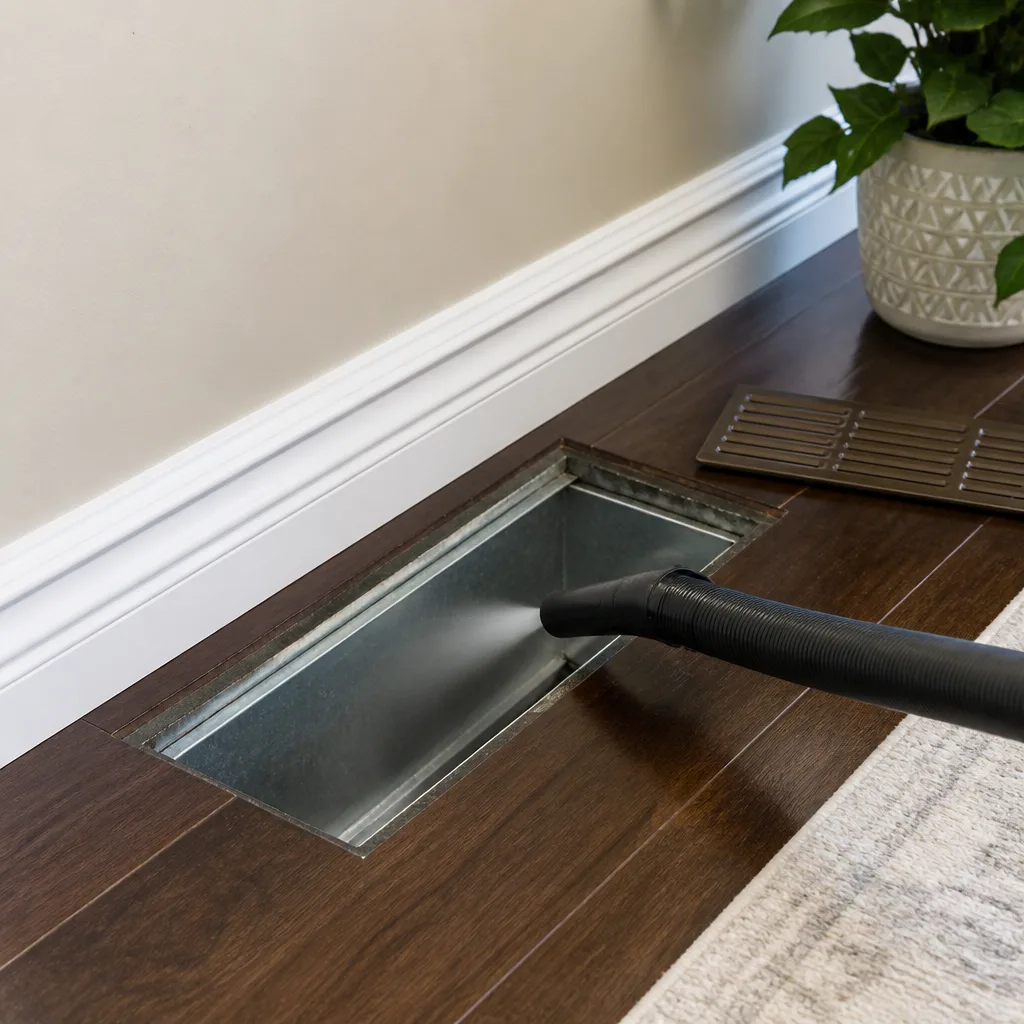
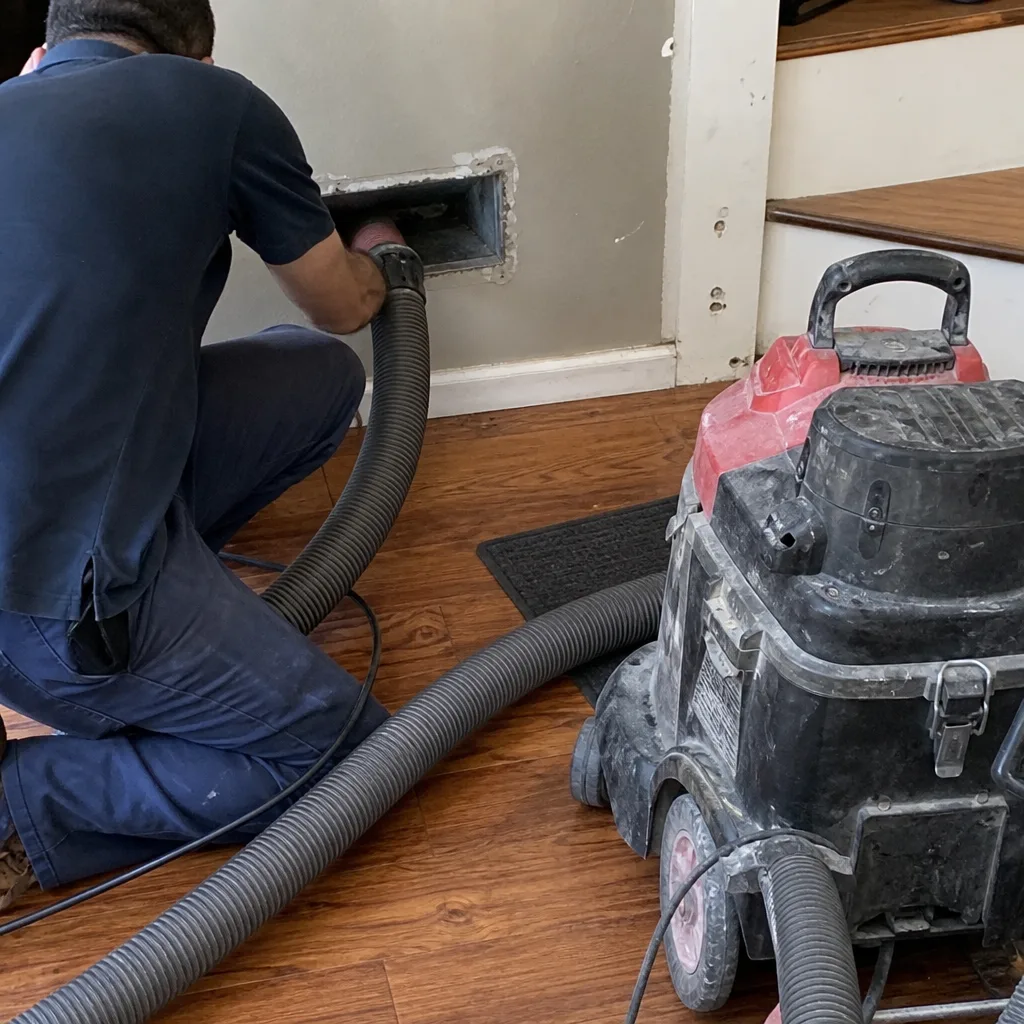 Before
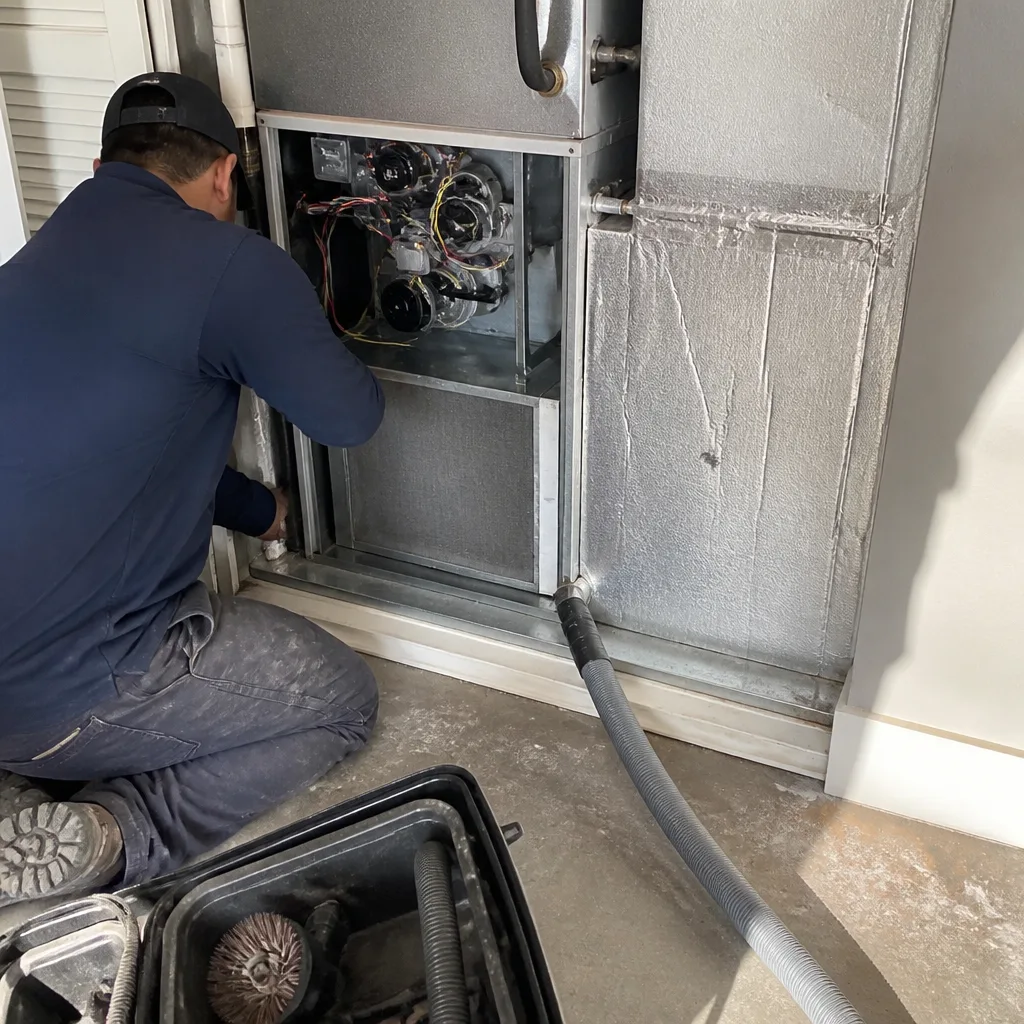 After
After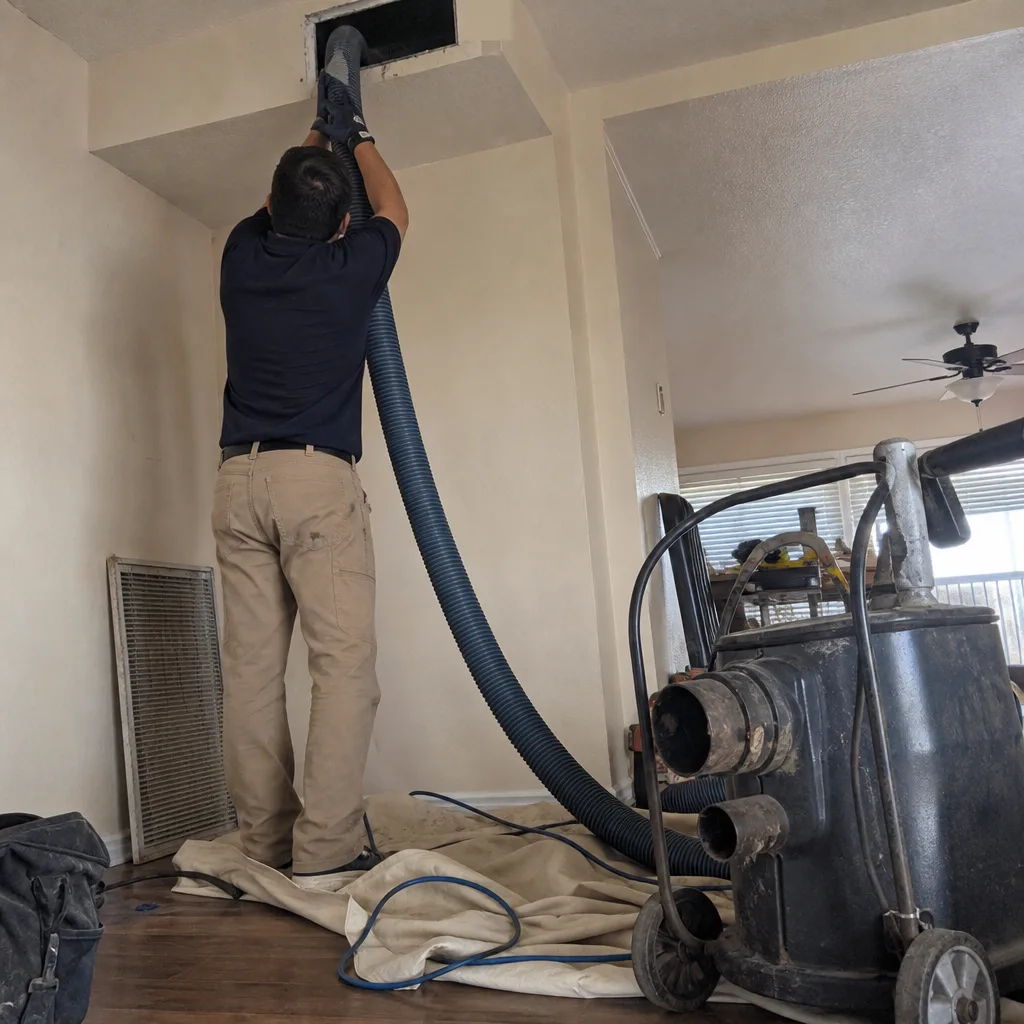 Before
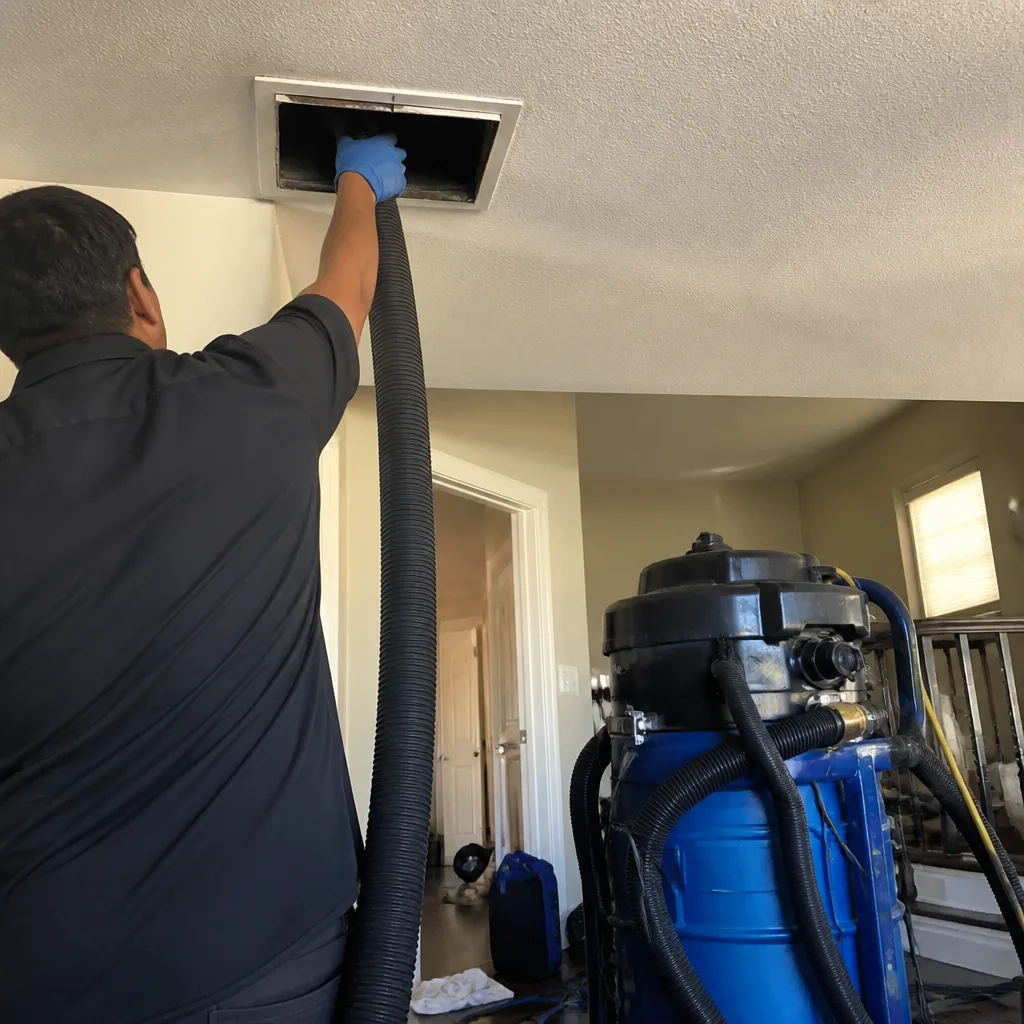 After
After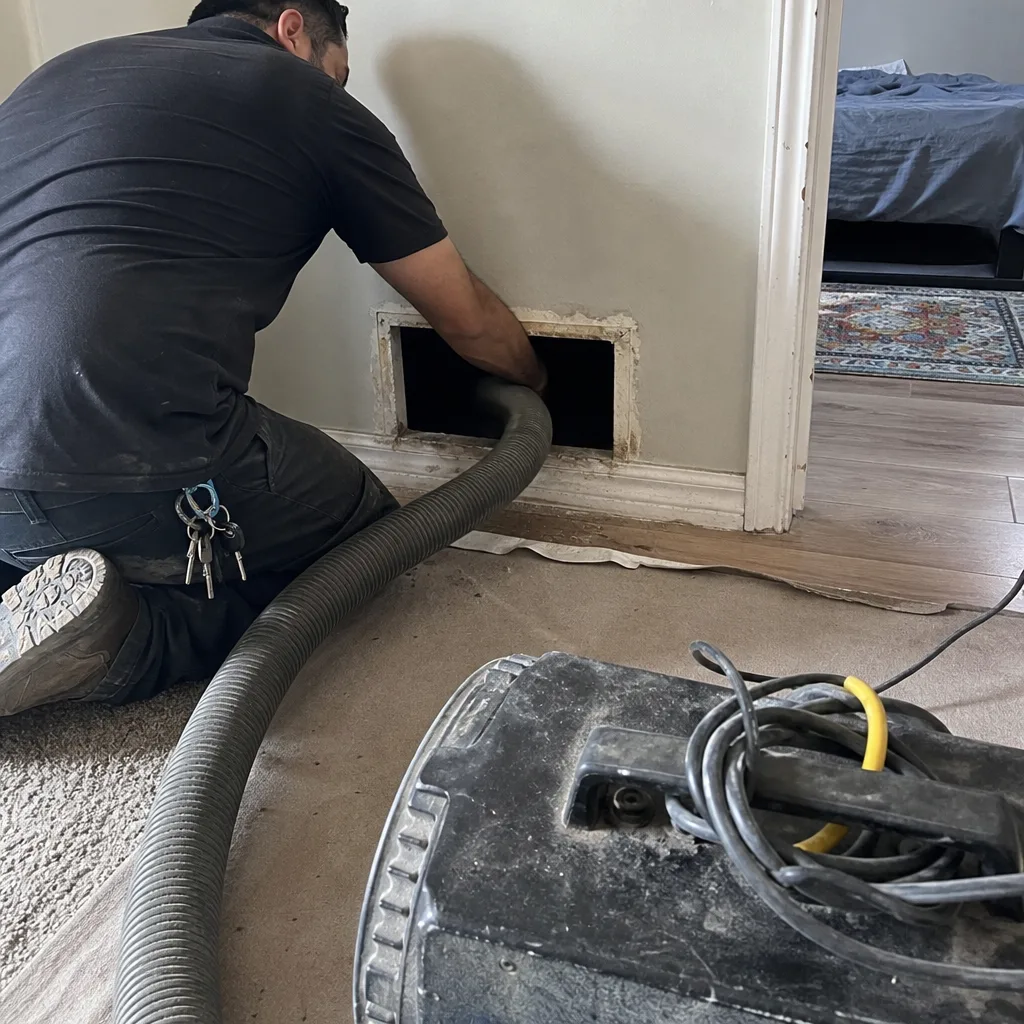 Before
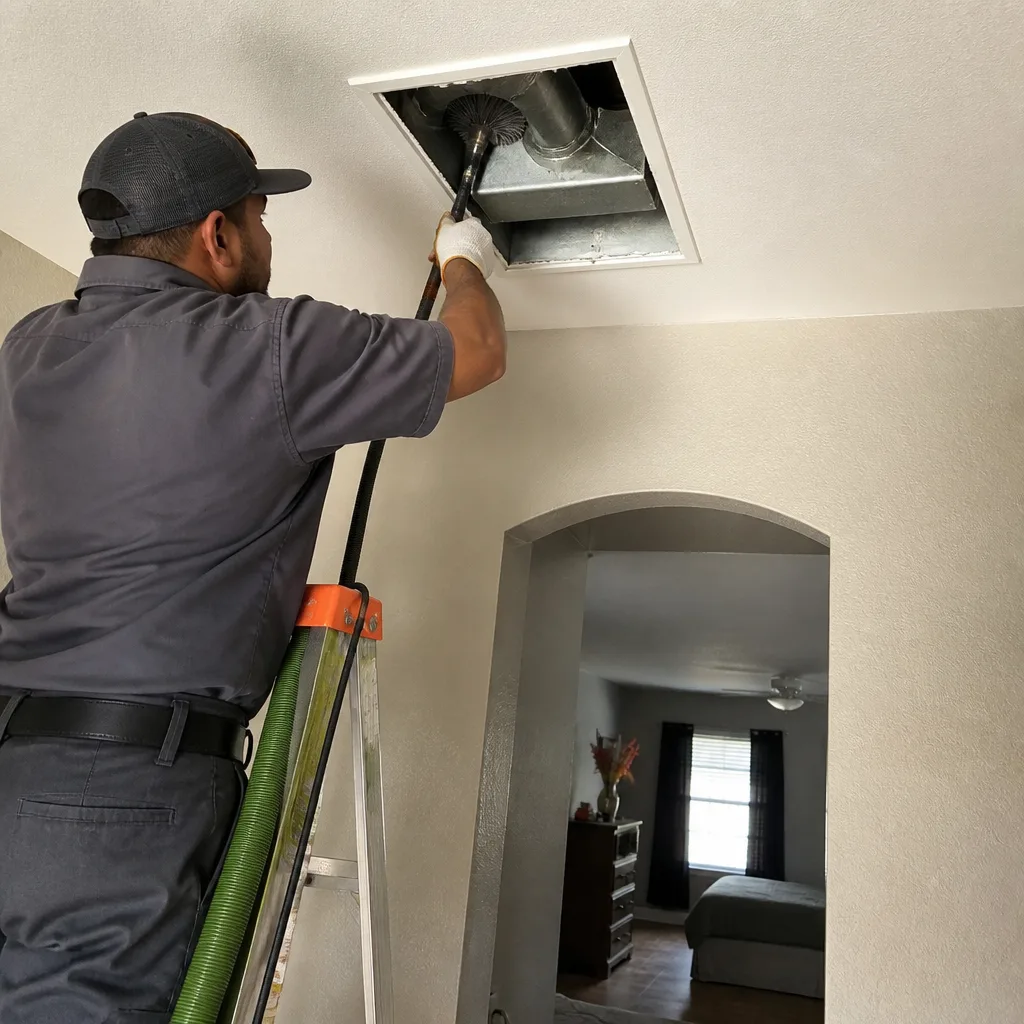 After
AfterAprilaire Vent Sanitizing: The Fort Worth Owner’s Guide
Aprilaire vent sanitizing in Fort Worth typically runs $340-$580 per system installed, and we stock the full Aprilaire-compatible treatment line for same-day scheduling. The service pairs antimicrobial application with negative-pressure extraction (a vacuum process that pulls debris out rather than pushing it deeper) to treat the full duct run, not just the register openings. Most Fort Worth owners realize something’s off when a room smells musty right after the AC cycles on, or when a family member’s allergies spike every time they’re home despite clean filters.
Which Aprilaire Models This Applies To
Aprilaire’s vent sanitizing components integrate with their whole-home air cleaner series, primarily the 2000, 4000, and 5000 lines, plus the Model 1210, 2210, 3210, 4200, and 5000 electronic air cleaners. The critical compatibility check is the plenum opening (the sheet-metal box where your ductwork connects to the furnace) - Aprilaire units need either a 16×25 or 20×25 cutout depending on series, and the sanitizing feed tube must match that spacing or you’ll get uneven distribution across the duct run.
To identify your unit, check the label on the access door of the air cleaner cabinet. The model number is stamped, not stickered, and will read something like “Model 5000” or “Model 2210” followed by a revision letter. If the label’s worn off, measure the media frame (the grid that holds the filter) - 16×25 frames take the narrower sanitizing manifold, 20×25 frames need the wide-body version. We carry both on every truck.
OEM Aprilaire sanitizing solution (part 4837) is formulated specifically for their polymer components and won’t degrade the plastic feed nozzles over time. Quality aftermarket equivalents exist from Guardsman and Abatement Technologies, and we stock those too for owners who want the treatment without the OEM price premium. The aftermarket formulations we use are rated for the same 90-day residual protection; the difference is mainly in the carrier solution’s evaporation rate, which matters less in Fort Worth’s dry summer months than it would in Houston humidity.
Signs Your Aprilaire Vent Sanitizing Is Failing
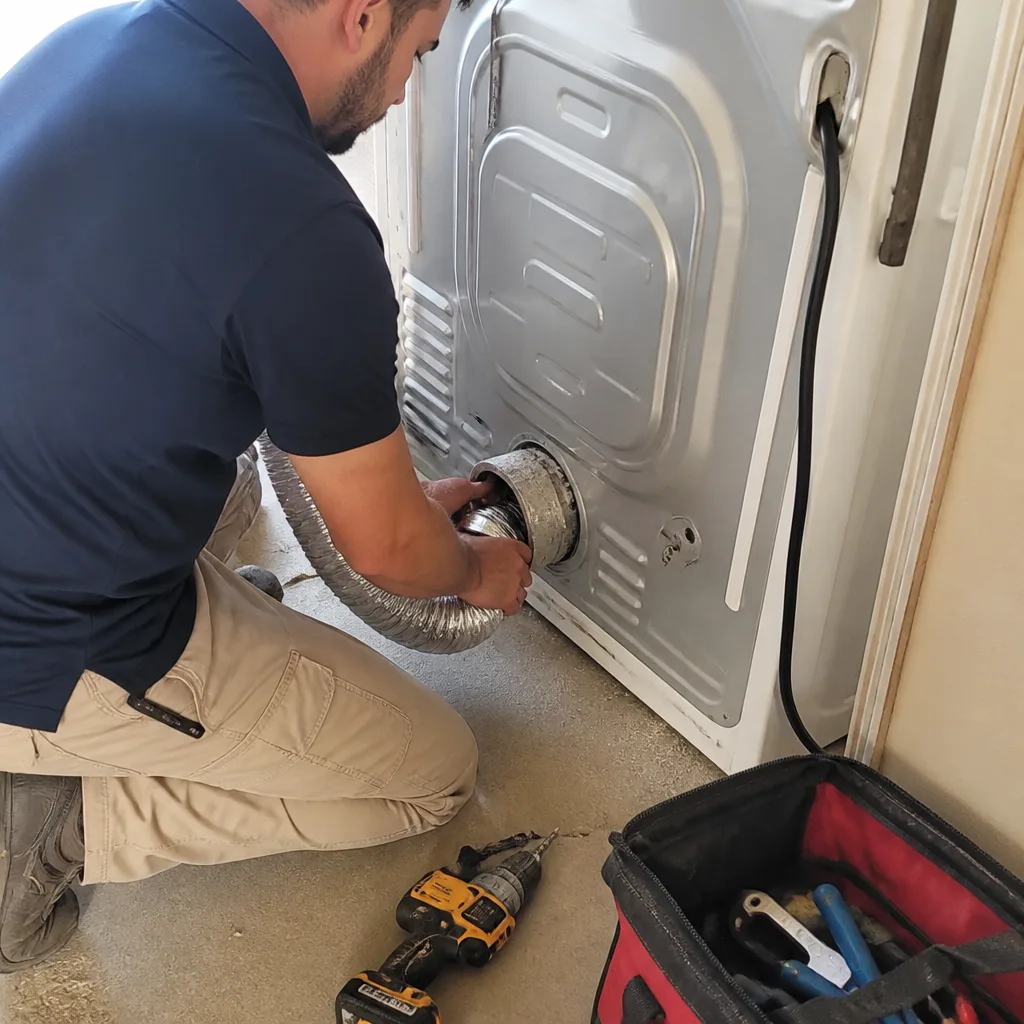
- Persistent musty odor when the blower starts. The antimicrobial coating on your duct surfaces has degraded, usually after 18-24 months in Fort Worth’s hard-water areas where mineral content in condensate accelerates chemical breakdown. The smell is biological growth reactivating, not dirt - regular filter changes won’t touch it.
- Uneven cooling with no airflow blockage. One room runs humid while others feel dry. This points to a clogged or misaligned sanitizing feed tube in the plenum, often from a previous filter change where the tech knocked the manifold out of position. The camera doesn’t have a sales pitch - we’ve found tubes completely detached behind the filter rack, spraying solution into a dead corner.
- Visible microbial staining around registers. Dark spots or gray film on the ceiling or wall near supply vents mean the sanitizing agent isn’t reaching the terminal end of the duct run. In Fort Worth’s older Near Southside homes with original galvanized ductwork, we’ve measured 40-foot runs where the last 15 feet had zero treatment coverage.
- Increased dust settling after “professional” cleaning. A shop-vac job without proper sanitizing disturbs biofilm colonies without killing them; they release spores within 48 hours. If your dust levels jumped after a cheap cleaning, the sanitizing step was skipped or diluted.
- Family members with unexplained respiratory irritation at home that clears when they leave. This is the symptom that drives most calls to us. The Aprilaire system’s original sanitizing treatment has expired, and what’s growing in the ducts is now aerosolized on every cycle. We see this most often in homes built 2015-2020 with tight envelopes (minimal outside air infiltration) where humidity gets trapped in the system.
BeforeAfterReplacement Cost & What’s Included
Whole-system Aprilaire vent sanitizing in Fort Worth runs $340-$580 installed, with the range driven by duct run count (most homes have 8-14), accessibility (crawl space vs. attic plenum), and whether we’re treating a standalone Aprilaire unit or the full integrated system.
| Component | Price Range |
|---|---|
| Aprilaire-compatible sanitizing treatment (per system) | $180-$320 |
| Negative-pressure extraction prep (per duct run) | $12-$18 |
| Feed tube inspection / realignment | $45-$75 |
| Full system with documented photo record | $340-$580 |
Every job starts with a written price under Haven Standard Clause 1 - no exceptions, no “call for a quote.” The scope specifies exactly how many duct runs we’re treating, which Aprilaire-compatible formulation we’re using, and what the photo record will cover. Work is backed by our 365-Day Done Right Promise: if microbial staining returns or odor persists, we retreat at no charge. The photo record, delivered before we leave, shows the inside of every treated run - before and after - so you can verify the work against the scope you approved in writing.
DIY or Call Us?
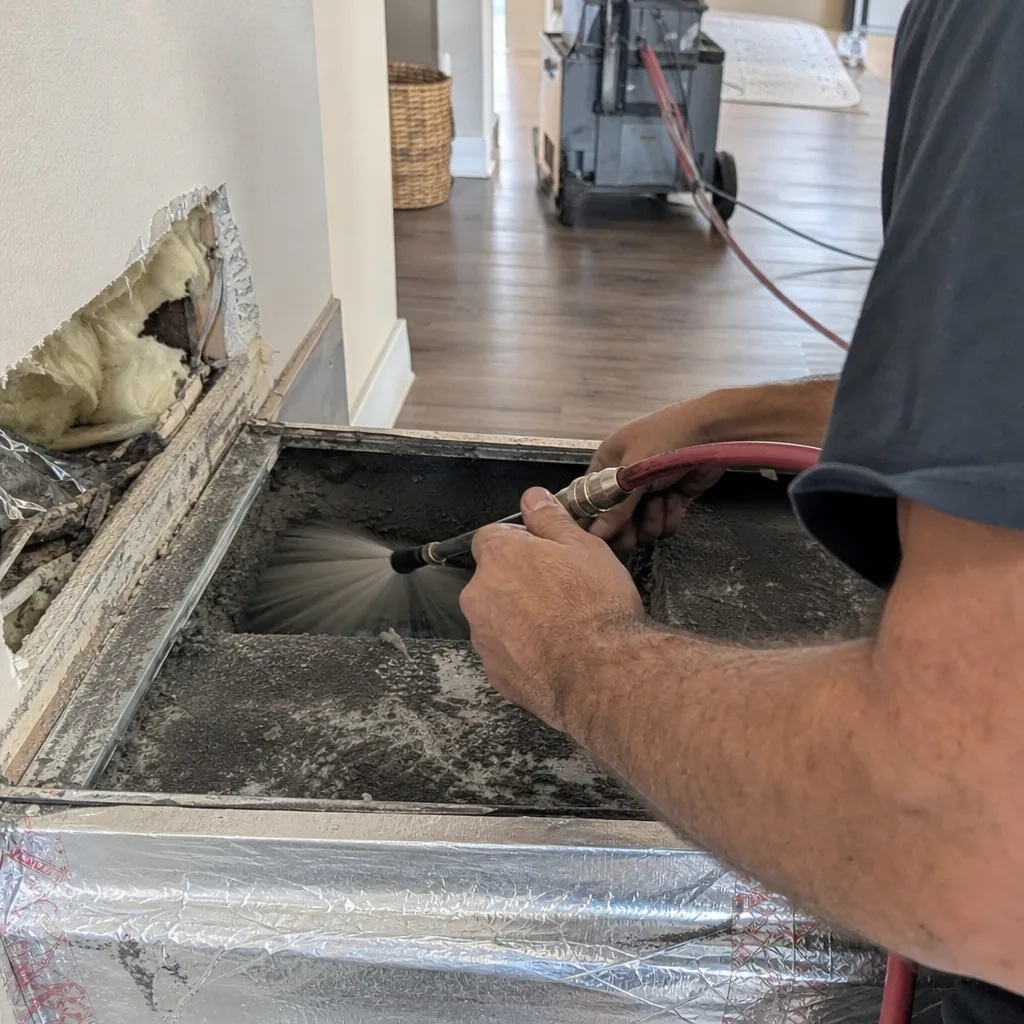
There’s no high-tension or electrical hazard in vent sanitizing itself, but there’s a reason we don’t recommend owner-applied treatments: distribution. Aerosol cans and fogging units sold to homeowners put chemical into the airstream without negative-pressure extraction, which means you’re wetting debris and pushing it deeper into the duct run rather than removing it first. We’ve pulled apart systems in Fort Worth where the homeowner’s DIY treatment created a paste of dust and antimicrobial solution that completely blocked a 6-inch flex duct.
What you can safely check: verify your Aprilaire unit’s model number, confirm the filter is seated properly (a gap lets untreated air bypass), and look for obvious damage to the feed tube visible when you open the access door. What you cannot safely assess: whether biofilm has penetrated the duct liner, whether your plenum has internal leaks bypassing the treatment zone, or whether your negative-pressure balance is correct - that takes a manometer reading and a camera.
We’re not affiliated with Aprilaire; we’re an independent service provider who stocks their compatible products because they work. If you want a written scope and a real number before any panel comes off, call (817) 520-8797.
FAQs
The antimicrobial treatment remains effective for 18-24 months under normal use, though Fort Worth’s mineral-heavy water supply and summer humidity can shorten that to 14-18 months in homes with frequent AC cycling. Call (817) 520-8797 and we’ll check your usage pattern against the treatment date to give you a precise re-treatment window - estimates are free.
Sanitizing is a consumable treatment, not a permanent component, so “repair” isn’t the right frame - but yes, partial retreatment is possible if only one zone shows failure. We can isolate a single duct run, extract and retreat just that branch, and document the scope separately. Call (817) 520-8797 for a written quote on zoned retreatment.
A full-system Aprilaire vent sanitizing with negative-pressure extraction takes 3-4 hours for a typical Fort Worth home with 10-12 duct runs. We need the system off for 45 minutes post-treatment to let the carrier solution evaporate before restarting the blower. You’ll get the photo record and written scope before we leave.
We stock OEM Aprilaire 4837 solution, the wide and narrow feed manifolds, and Guardsman and Abatement Technologies aftermarket equivalents on every truck. Same-day scheduling is available for Fort Worth and nearby areas - call (817) 520-8797 to confirm today’s availability.
Written by Tomas Reyes, Owner, CleanRun Air Duct Cleaning Fort Worth at CleanRun Air Duct Cleaning Fort Worth, serving Fort Worth and nearby areas.