
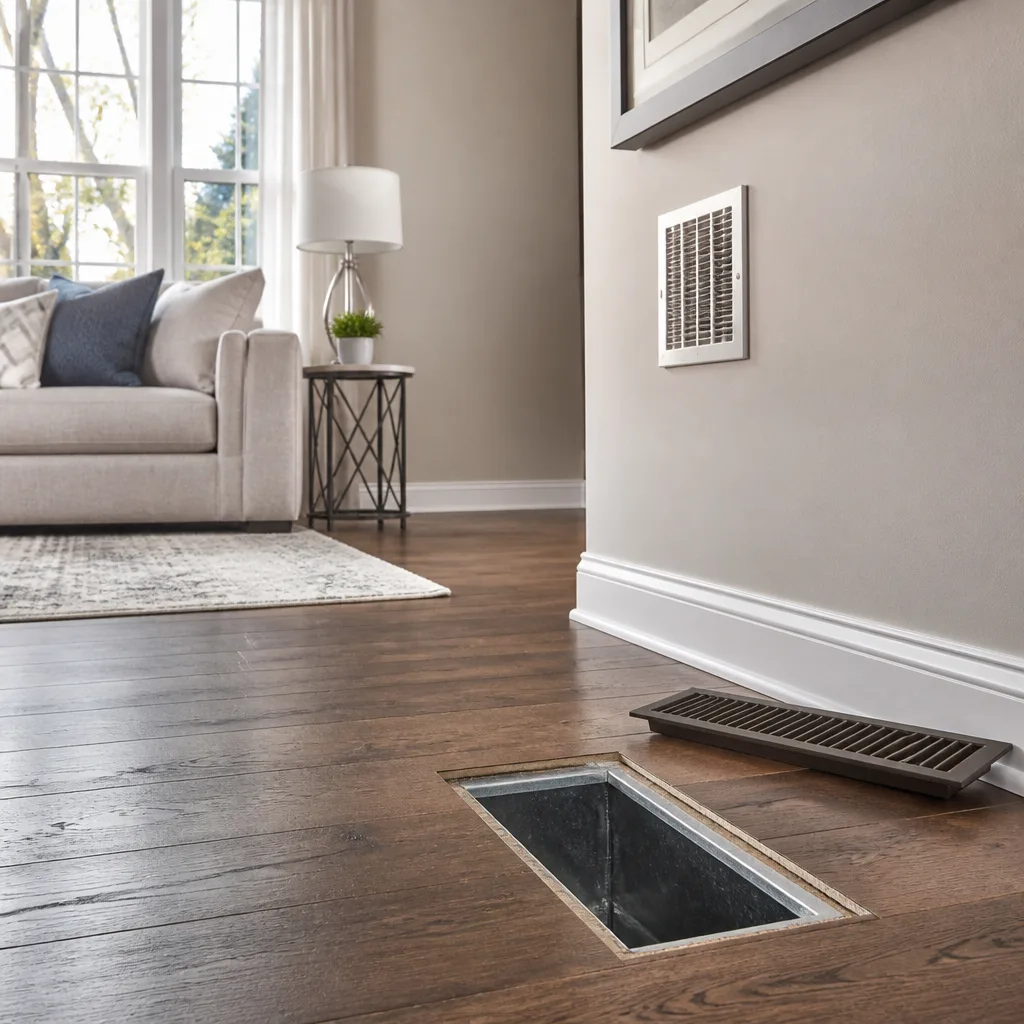
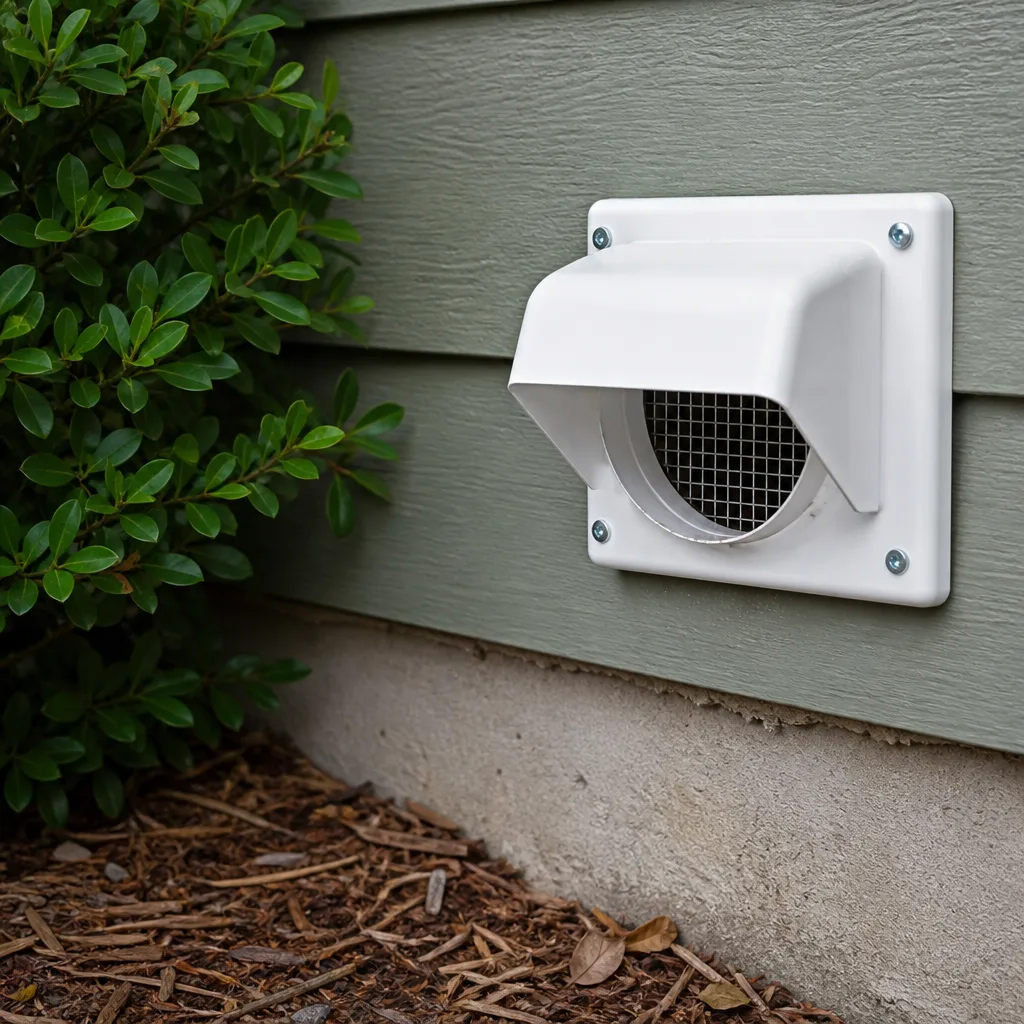
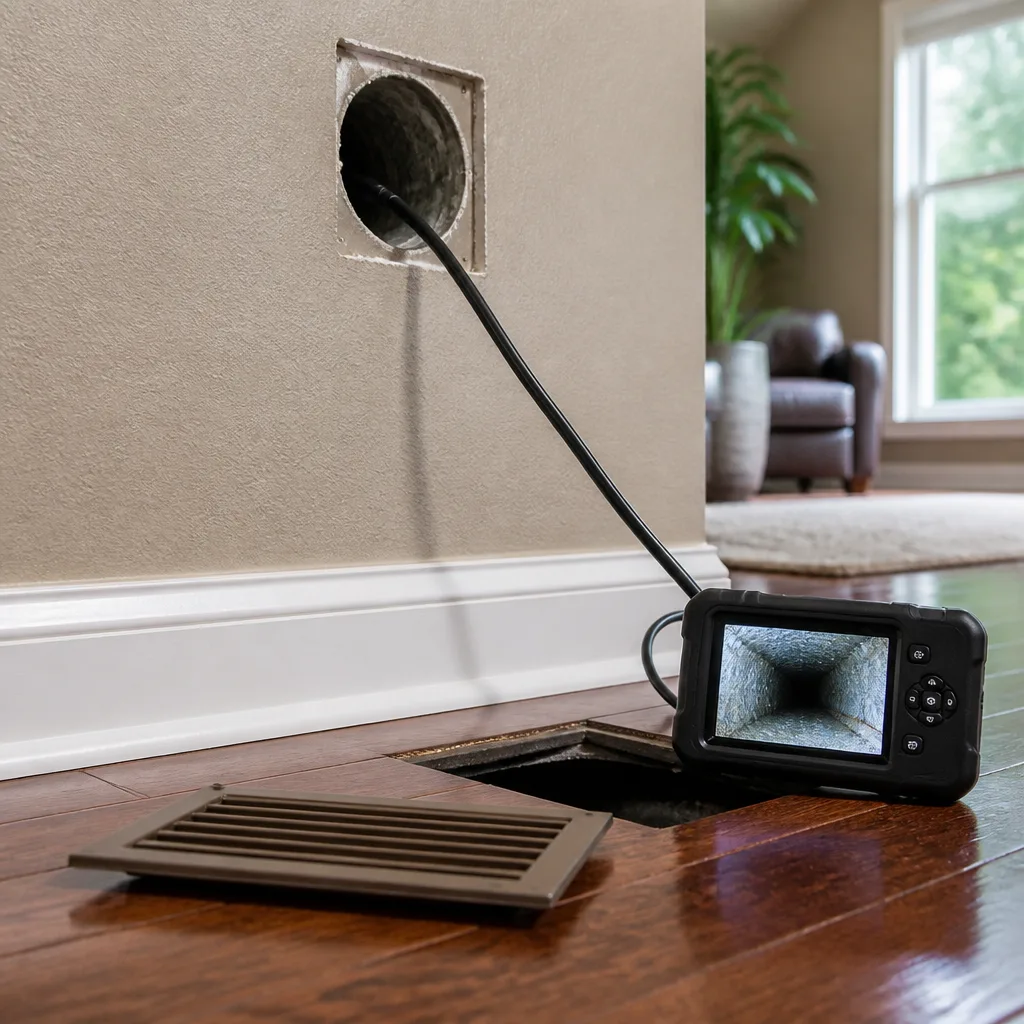
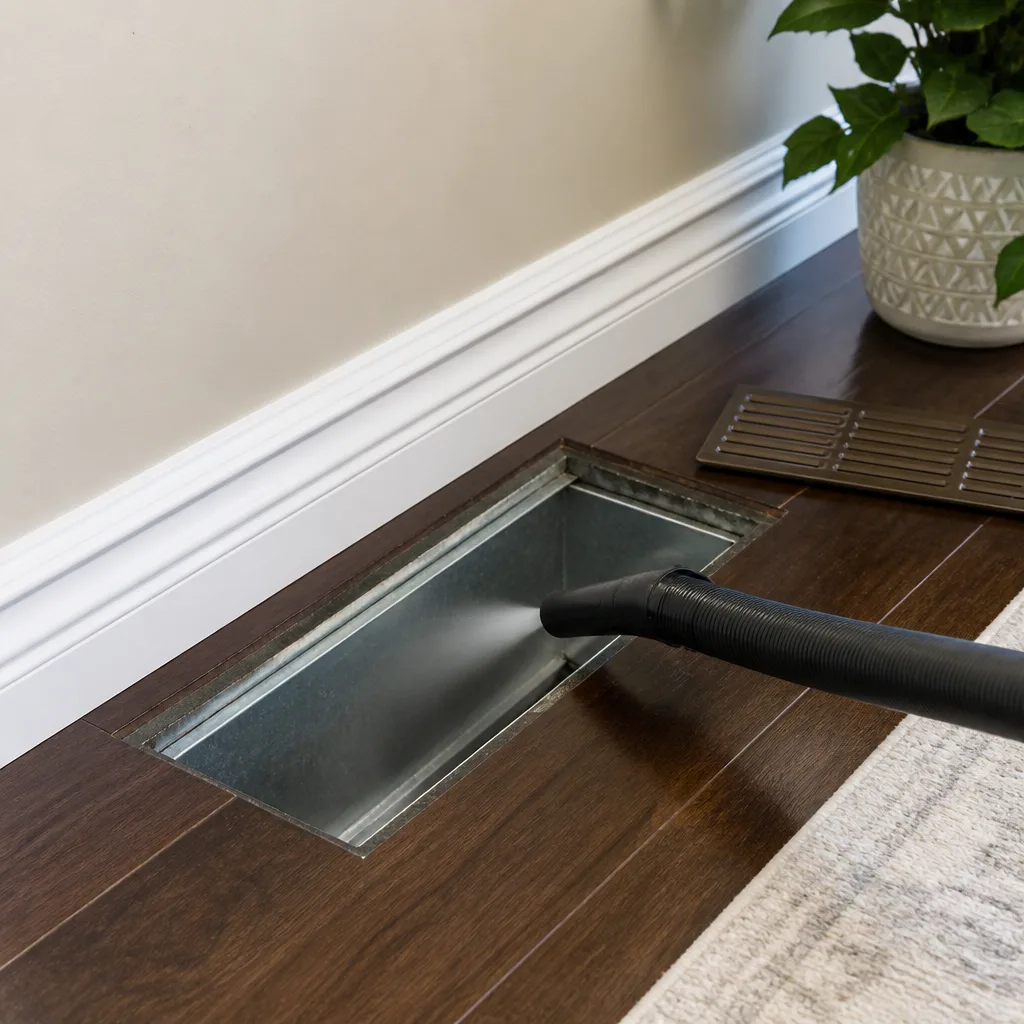
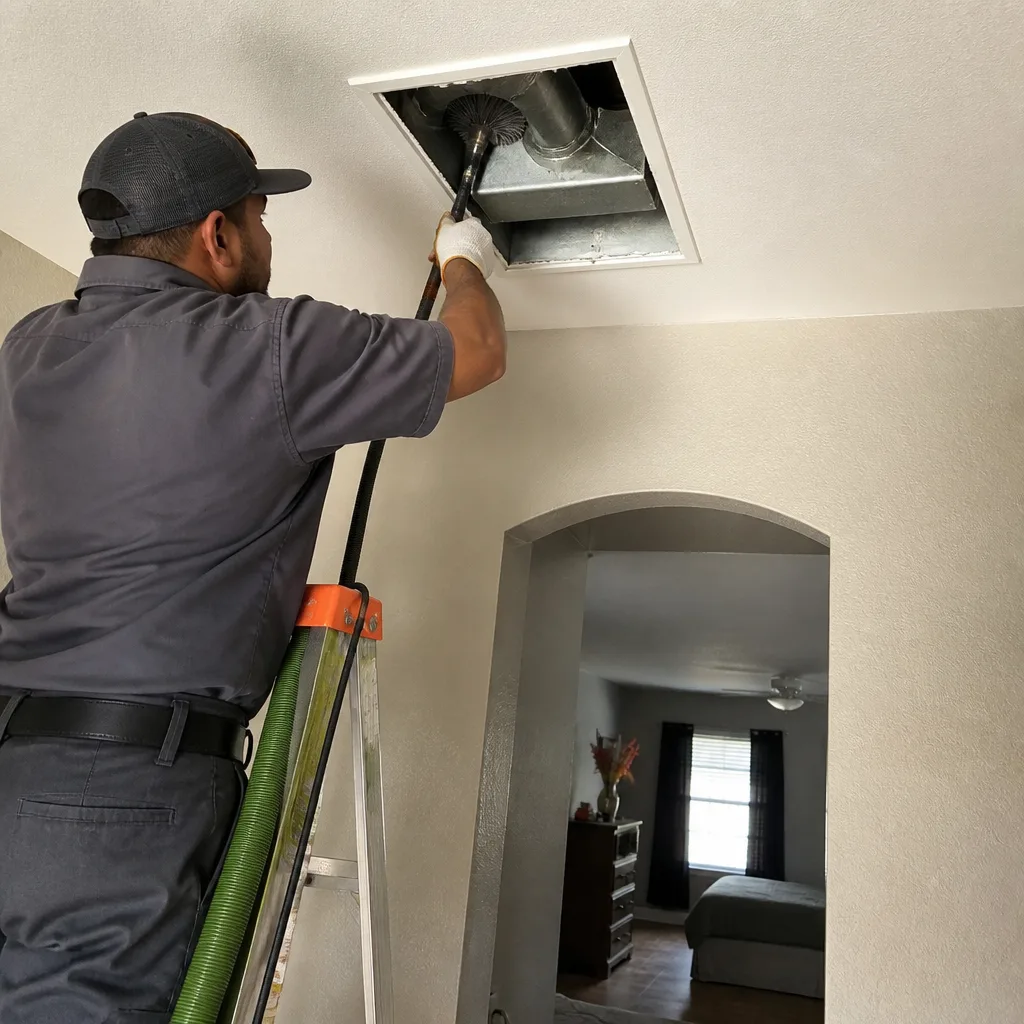
Whole-system duct and dryer vent check with before-and-after photos - you see exactly what came out of your vents
That "$99 whole-house special" is a bait ad - the real number appears once they are in your hallway, or the "clean" is a shop-vac at the register. We photograph the inside of your ducts before and after instead.
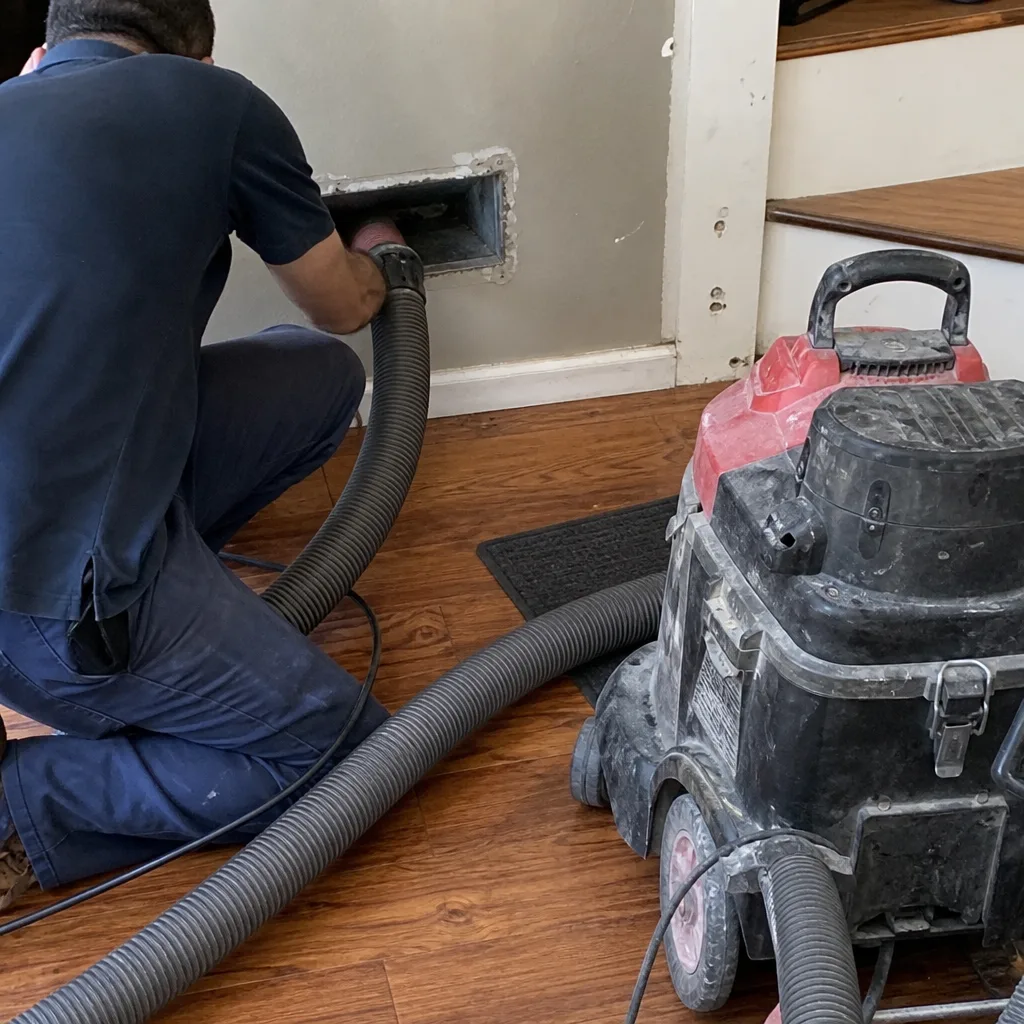 Before
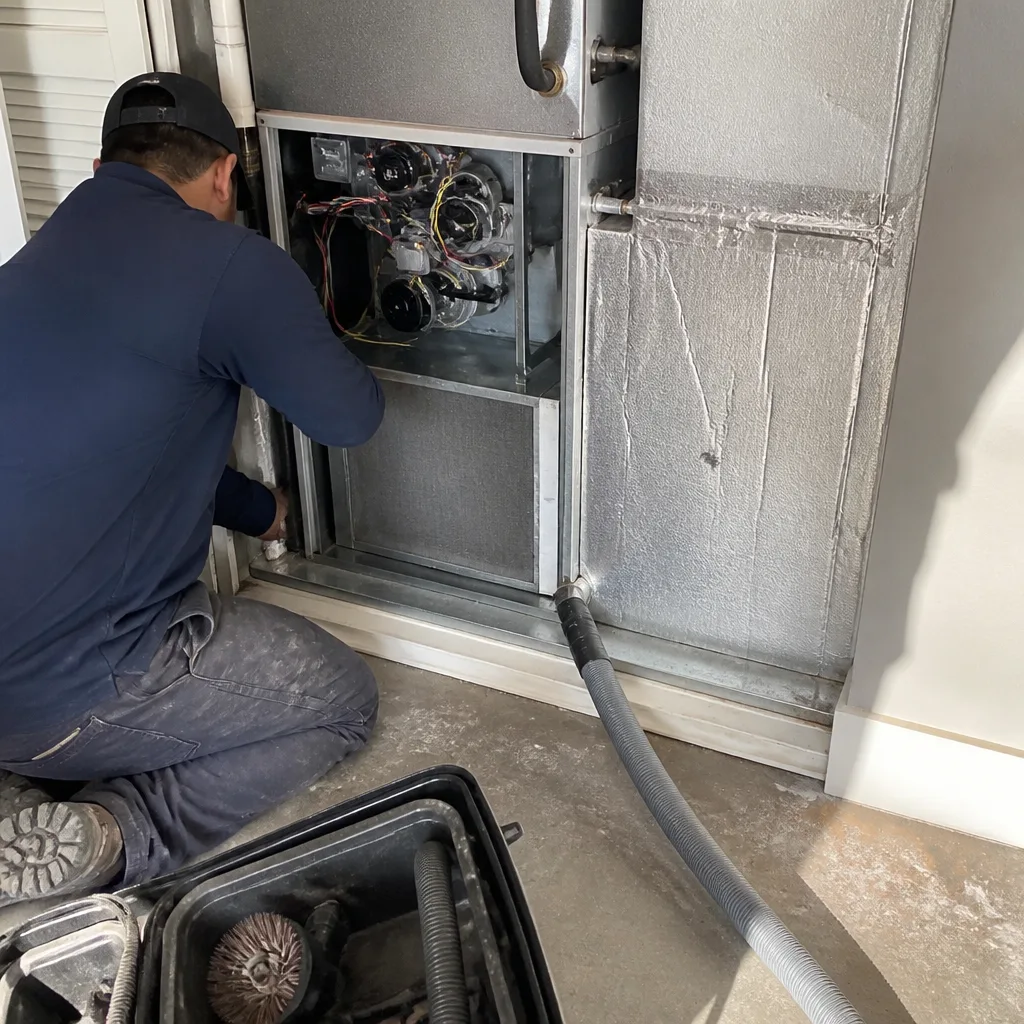 After
After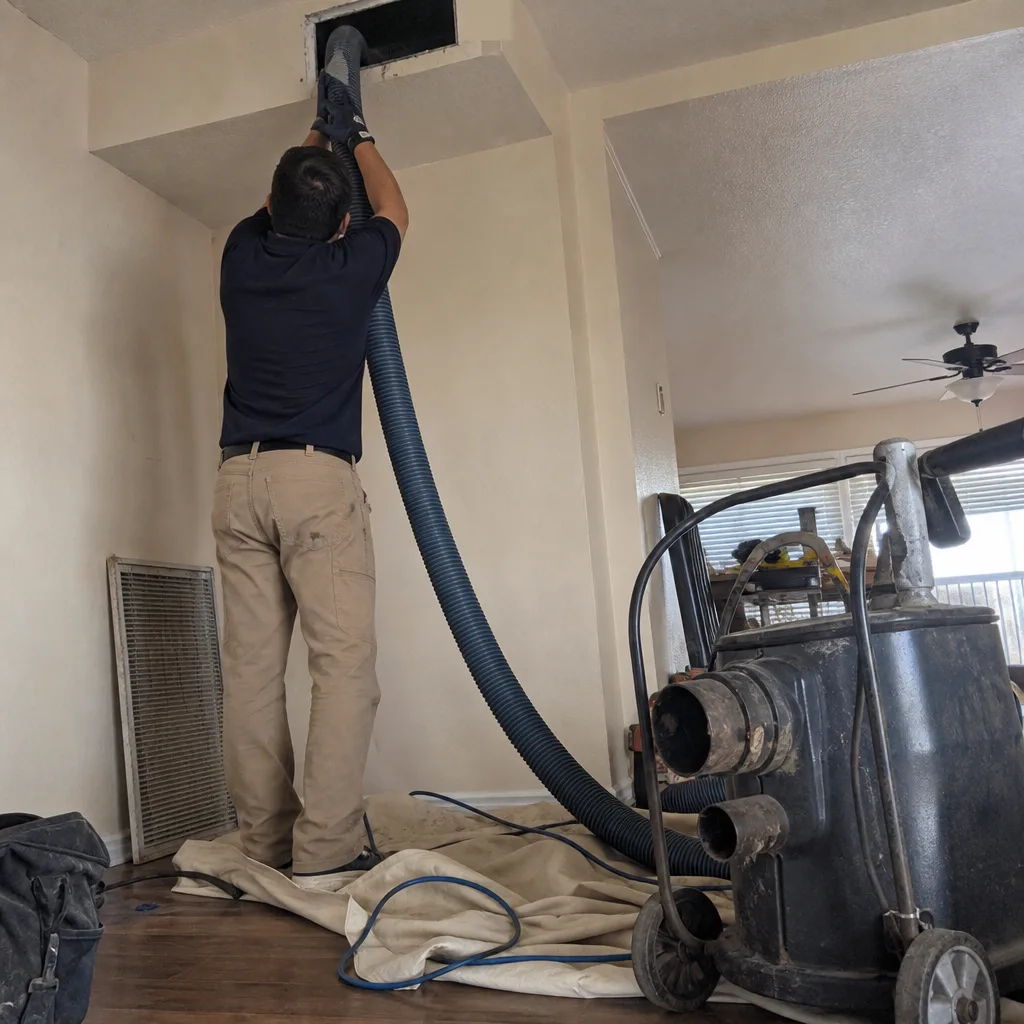 Before
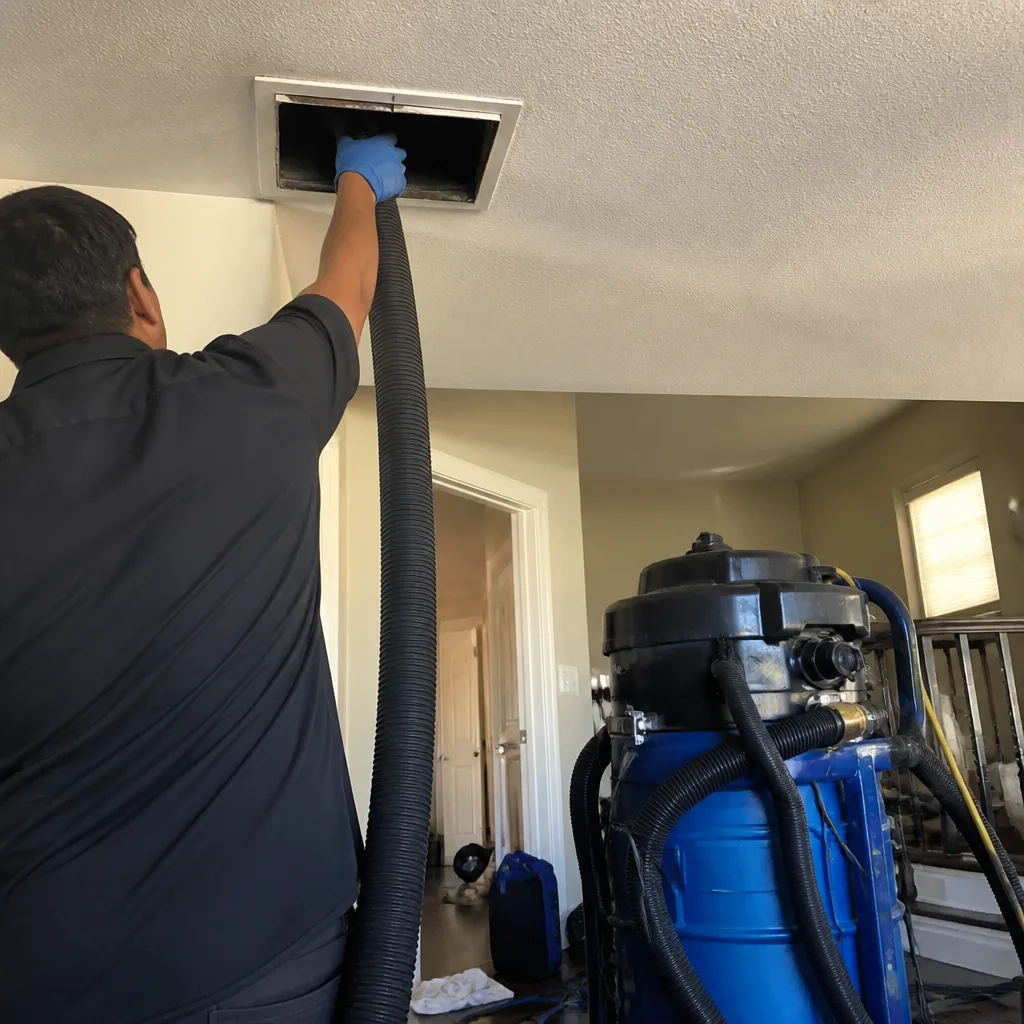 After
After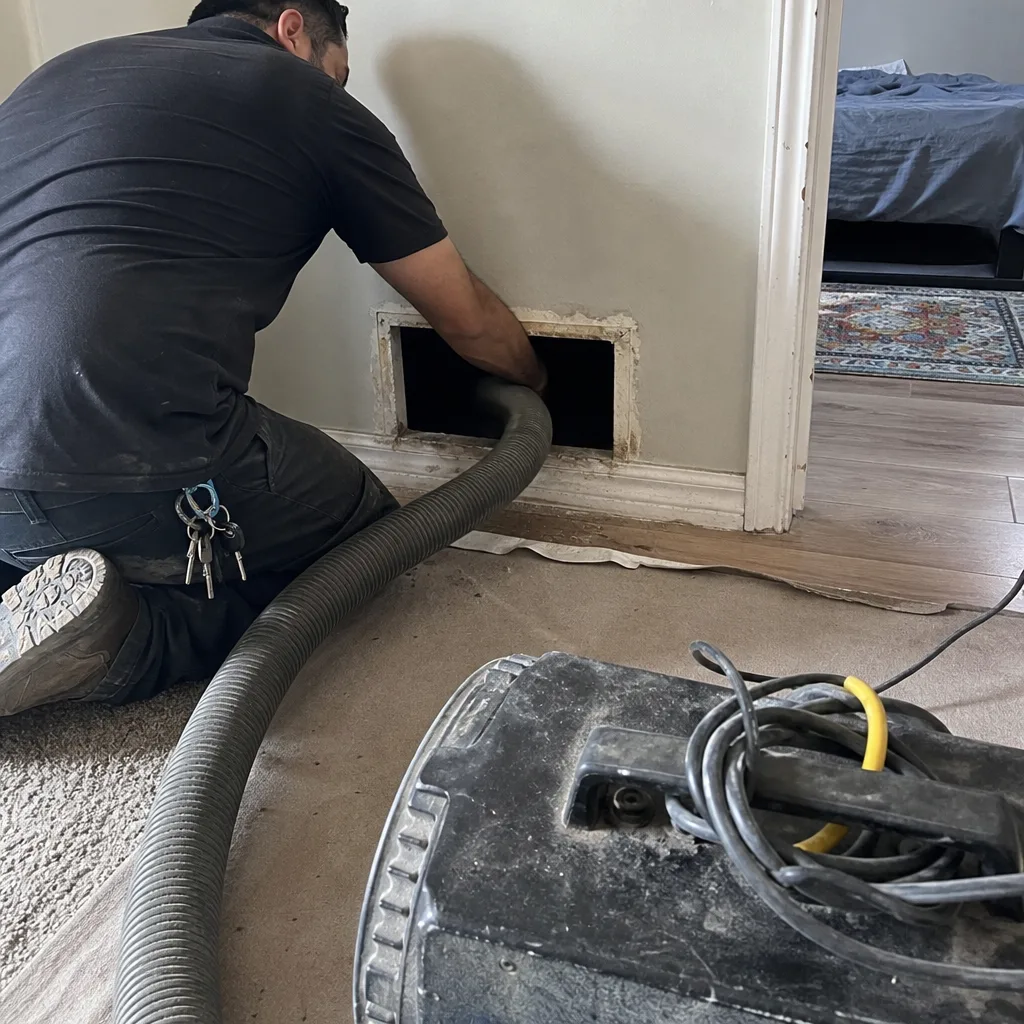 Before
 After
AfterHoneywell Duct Sealing & Repair: The Fort Worth Owner’s Guide
We stock and install Honeywell-compatible duct sealing and repair components for Fort Worth homes, with typical installed pricing running $340-$680 for standard residential systems depending on linear footage and accessibility. Most Honeywell duct sealing jobs we schedule in Fort Worth are completed in a single visit because our trucks carry the mastic, foil tape, and mechanical fasteners that match Honeywell’s spec tolerances. You’ll usually discover the problem through uneven temperatures between rooms, a spike in your electric bill that CenterPoint can’t explain, or visible gaps where flex duct meets the plenum (the big distribution box above your air handler).
Which Honeywell Models This Applies To
Honeywell’s duct sealing ecosystem breaks into three categories we encounter in Fort Worth: the whole-home ZDAM (Zone Damper Air Management) series, the EARD and EARD-T fresh-air damper lines, and the standalone F50F and F300 electronic air cleaner cabinets whose gaskets and seal interfaces degrade over time. The ZDAM zone panels, common in 2016-2022 builds around the Walsh Ranch and Mira Vista developments, use a specific 24-volt damper actuator with a 3/4-inch shaft collar. That’s the gotcha: the 3/4-inch and 5/8-inch actuators look identical from the motor housing, but the collar bore differs by 1/8 inch and forcing the wrong one strips the damper blade.
To identify your part, look for the Honeywell label on the damper motor or the air cleaner cabinet. For zone systems, the model sticker sits on the control panel, usually mounted near the air handler. We carry OEM Honeywell actuators and gaskets, plus aftermarket equivalents from Durozone and EWC that meet the same static-pressure ratings. For electronic air cleaner cabinets, we typically recommend OEM gaskets because the flange tolerances are tighter than aftermarket alternatives can reliably match.
Signs Your Honeywell Duct Sealing & Repair Is Failing
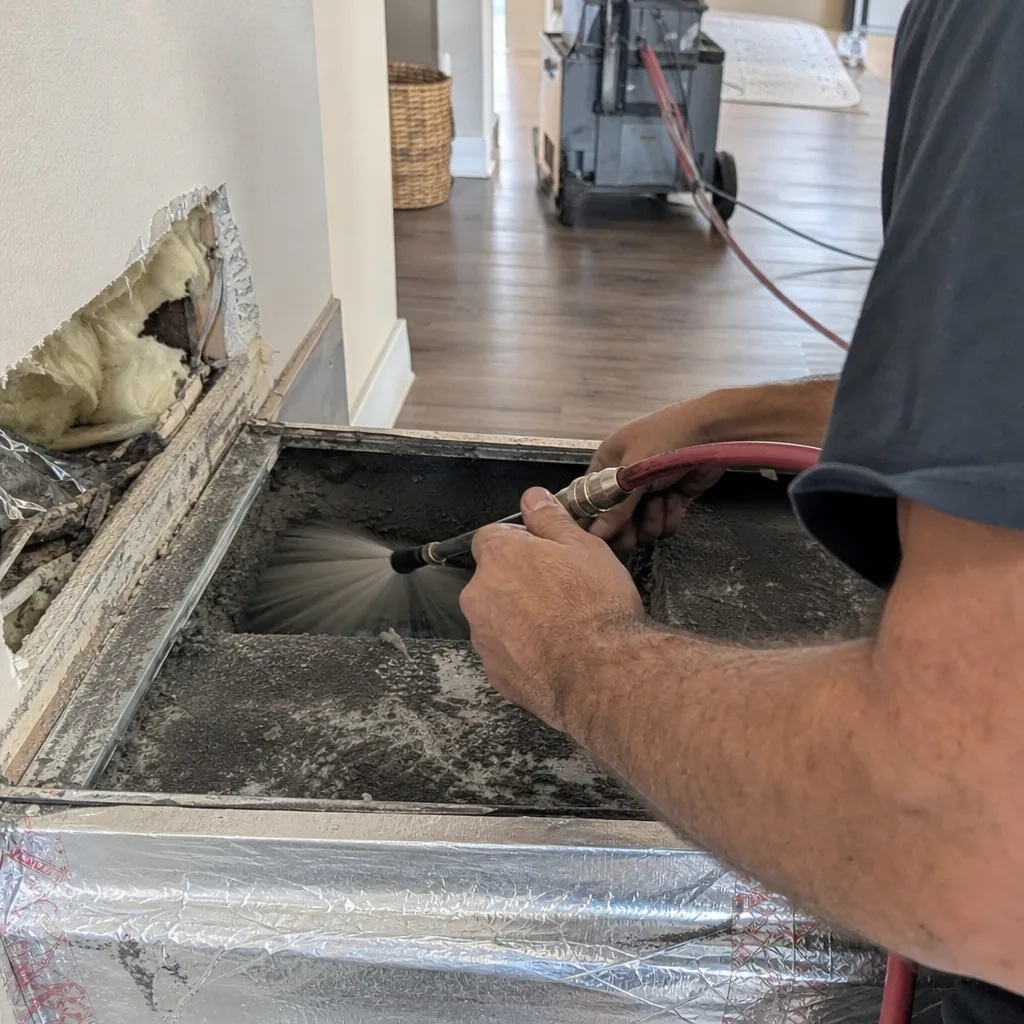
- Uneven room temperatures with the system running constantly. The zone damper actuator (the small motor that opens and closes individual duct runs) has burned out or lost its calibration, so conditioned air keeps dumping into one zone while others starve. We see this most often in two-story Fort Worth homes where the upstairs zone calls for cooling but the damper never fully opens.
- Dust blowing from registers right after filter changes. The seal between your return plenum and the air handler cabinet has pulled away, creating a negative-pressure leak that sucks attic air and fiberglass insulation directly into the airflow. In Fort Worth’s 100°F summers, that hot attic air also forces your compressor to run longer.
- Whistling or high-pitched noise from specific vents. The flex duct connection has separated from the register boot, usually because the original installer used zip ties or inferior tape instead of proper mastic and mechanical fasteners. The whistle is air escaping at velocity through a gap that should be sealed.
- Condensation on ductwork in the attic during cooling season. The vapor barrier on flex duct has torn, or the insulation sleeve has slid back from the collar. Fort Worth’s humidity spikes in May and June turn this into visible water staining on ceiling drywall below.
- Electronic air cleaner arcing or snapping sounds. The gasket seal around the cell access door has compressed or cracked, allowing air bypass that disrupts the ionization field. Honeywell F50F units are particularly sensitive to this; the cell won’t maintain its 8,000-volt potential if unfiltered air leaks past.
BeforeAfterReplacement Cost & What’s Included
| Component | Typical Range (Installed) | What Drives the Price |
|---|---|---|
| Zone damper actuator, single | $280-$420 | Shaft size (3/4″ vs. 5/8″), attic accessibility, whether the damper blade itself is damaged |
| Return plenum reseal | $340-$520 | Linear footage of seal, mastic vs. tape specification, whether the plenum needs partial rebuild |
| Flex duct collar repair, per run | $180-$290 | Register location (ceiling vs. floor), duct diameter (6″, 8″, or 10″) |
| Electronic air cleaner gasket replacement | $240-$380 | Cabinet model, whether cell guides are corroded and need replacement |
| Whole-system duct sealing (Aeroseal-compatible prep) | $1,800-$2,800 | Home square footage, duct accessibility, number of zones |
Every price is written and agreed before we touch a panel, per Haven Standard Clause 1. The range accounts for Fort Worth labor rates and the fact that some Mira Vista attics are built tight as a ship while older Near Southside crawl spaces require extra time to navigate safely. Our 365-Day Done Right Promise covers the workmanship; OEM Honeywell parts carry their own manufacturer warranty, which we register for you.
DIY or Call Us?
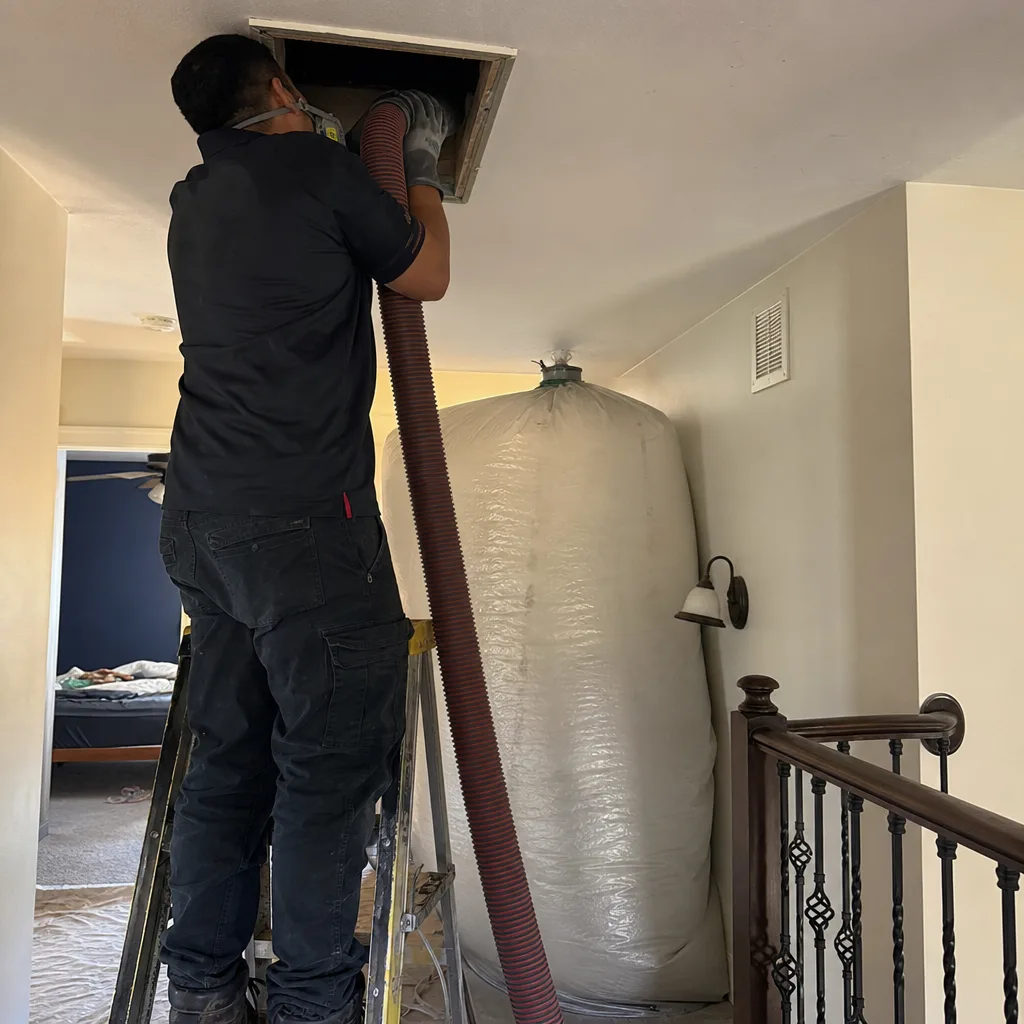
There’s a short list of checks that won’t put you at risk. Verify that your zone panel display shows the correct damper positions. Listen at each register with the system running to locate obvious whistling. Change your air cleaner cell if it’s past its interval. These observations help us, and they won’t void anything.
What we don’t recommend: working inside the plenum without locking out the 240-volt air handler disconnect, attempting to calibrate zone dampers without a manometer to verify static pressure, or using hardware-store duct tape (the adhesive fails at 140°F attic temperatures; we see it dangling like streamers on follow-up calls). The camera doesn’t have a sales pitch. If you pull off a register and see daylight through a disconnected collar, or if your F50F is arcing, that’s worth a call to (817) 520-8797. We’ll put a written number next to it before you decide.
FAQs
Properly installed mastic and foil tape seals last 15-20 years, but Fort Worth’s attic temperature swings, 40°F in January to 140°F in July, accelerate adhesive degradation. Zone damper actuators typically cycle 5-7 years before the motor wears. We document the installation date on your photo record so you have a baseline.
Sometimes. A loose damper linkage can be re-secured. A compressed gasket can be replaced without swapping the whole air cleaner cabinet. But Honeywell actuator motors are sealed units; once the internal gears strip or the thermal fuse blows, replacement is the only reliable fix. We show you the failure on camera before recommending either path.
Single component swaps, 90 minutes to two hours. Whole-system resealing, a full day. We don’t rush the pressure test at the end; if the manometer shows a leak we missed, we find it before we pack up.
Yes. We carry 3/4-inch and 5/8-inch zone damper actuators, F50F and F300 gasket sets, and the mastic and mechanical fasteners that match Honeywell’s installation specs. For specialty components or older discontinued series, we source overnight from Fort Worth suppliers and hold to the written price we gave you.
CleanRun Duct Repair & Cleaning is an independent service provider; we are not affiliated with Honeywell. We also stock parts for Lennox, Trane, and Carrier systems.
Ready to see what’s actually happening inside your ductwork? Call (817) 520-8797. We’ll answer live, schedule a time that works, and deliver a written price before any work starts. Bring a competitor’s written estimate and we’ll put our number next to it, free of charge.
Written by Tomas Reyes, Owner, CleanRun Air Duct Cleaning Fort Worth at CleanRun Air Duct Cleaning Fort Worth, serving Fort Worth and nearby areas.