
Whole-system duct and dryer vent check with before-and-after photos - you see exactly what came out of your vents
That "$99 whole-house special" is a bait ad - the real number appears once they are in your hallway, or the "clean" is a shop-vac at the register. We photograph the inside of your ducts before and after instead.
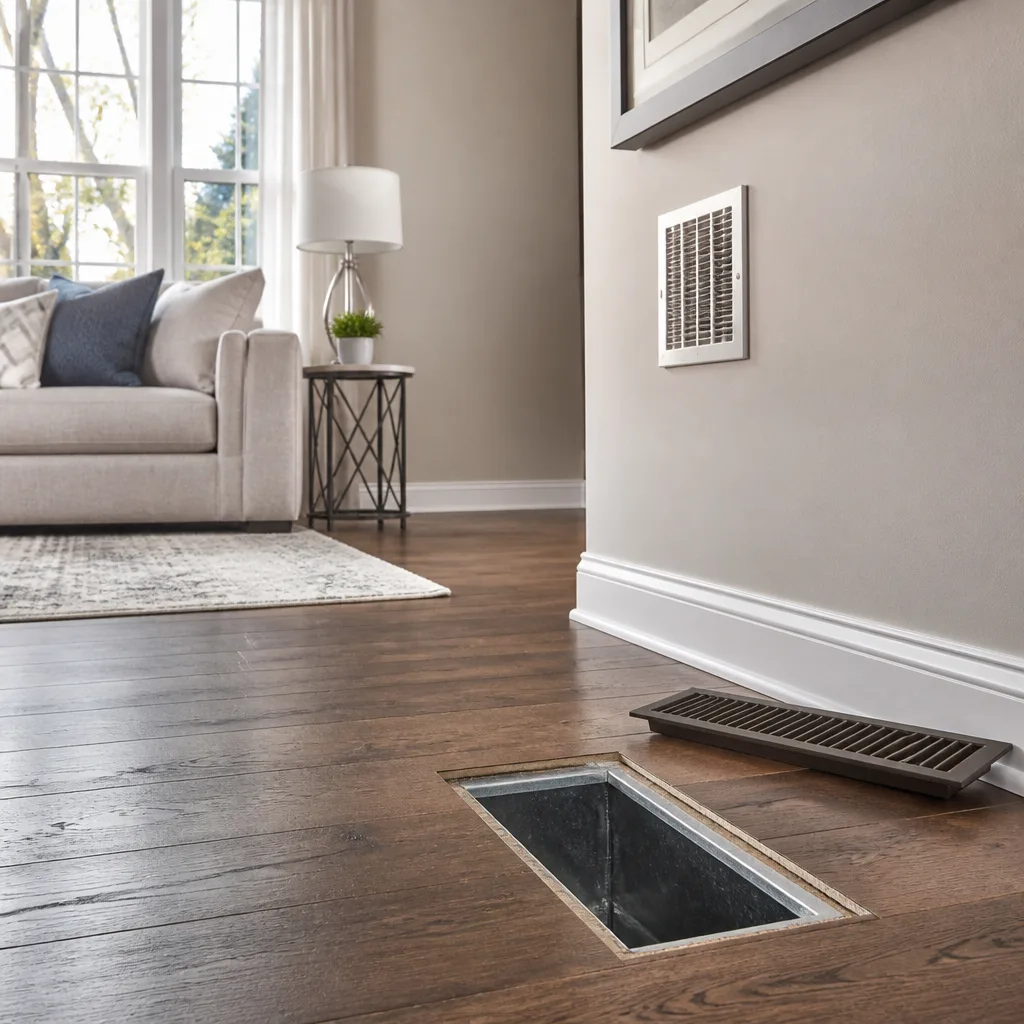
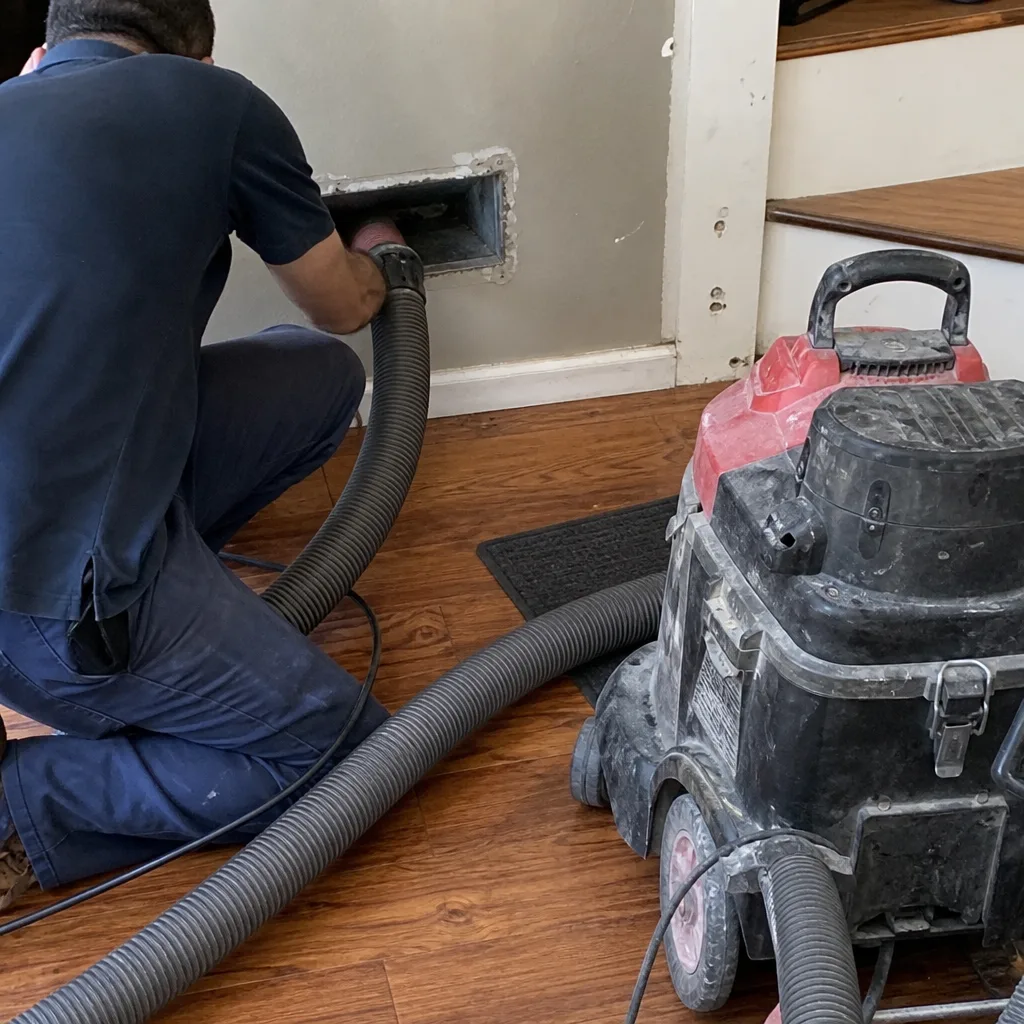 Before
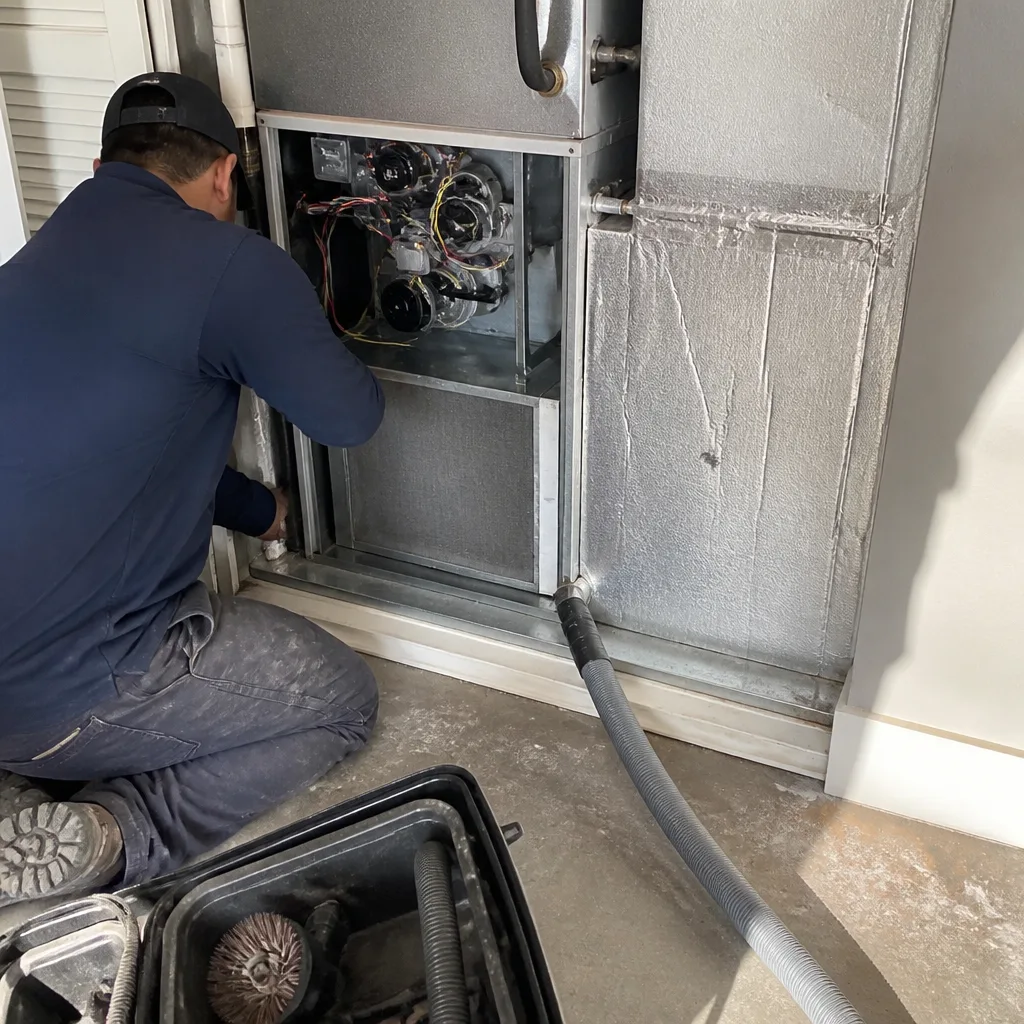 After
After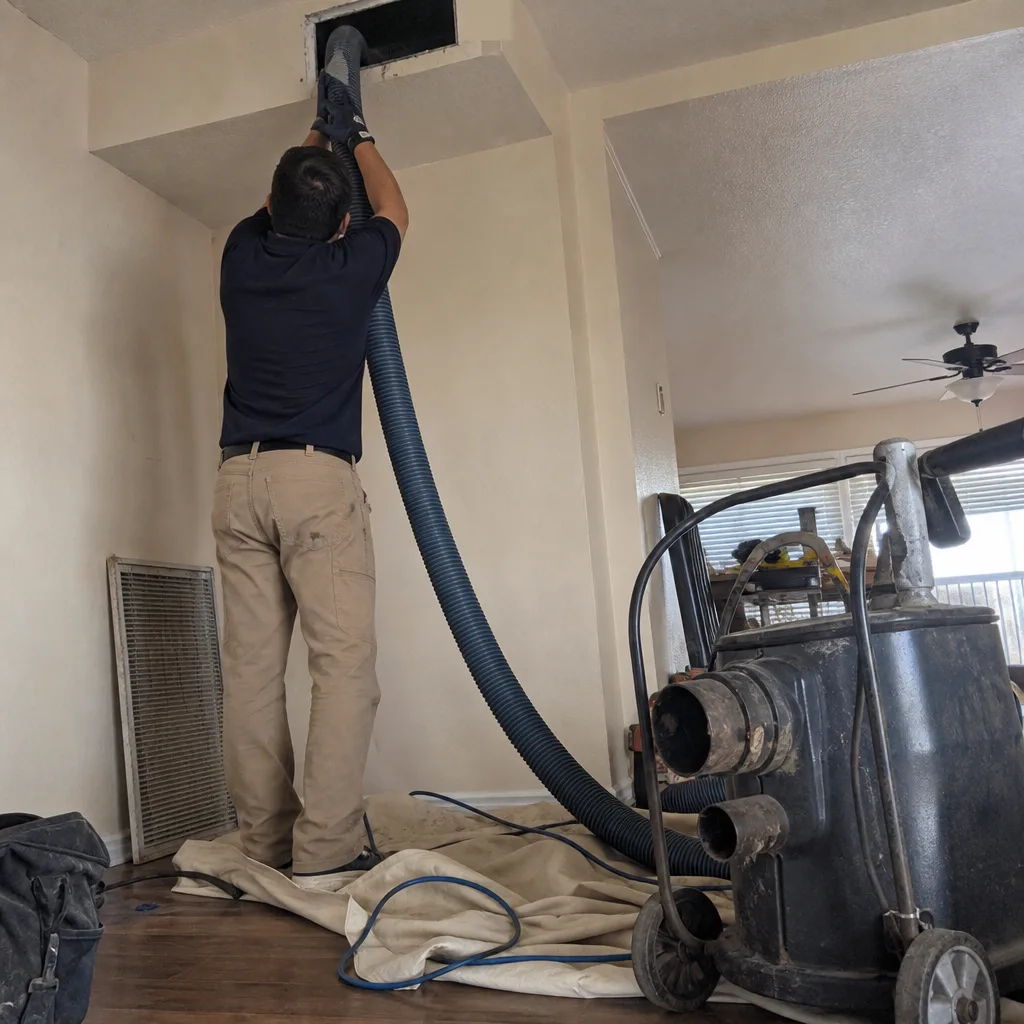 Before
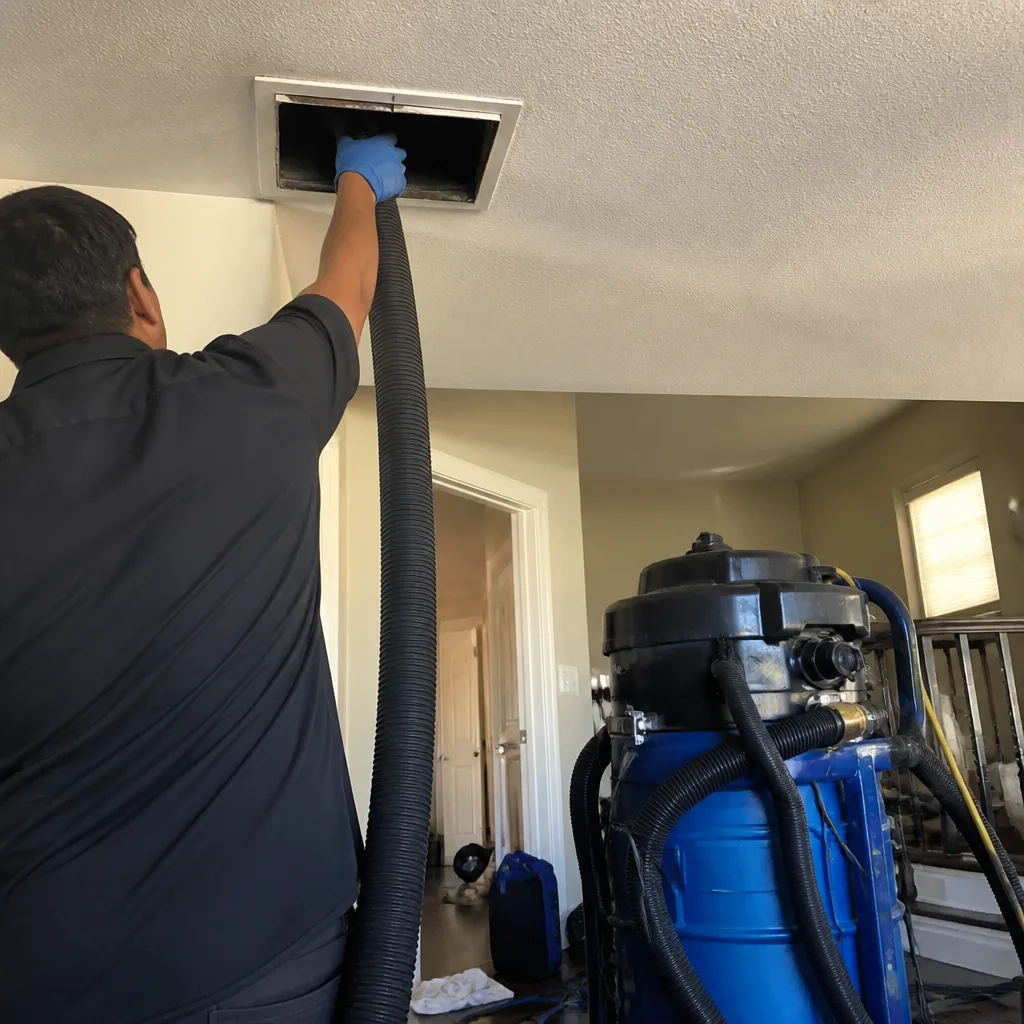 After
After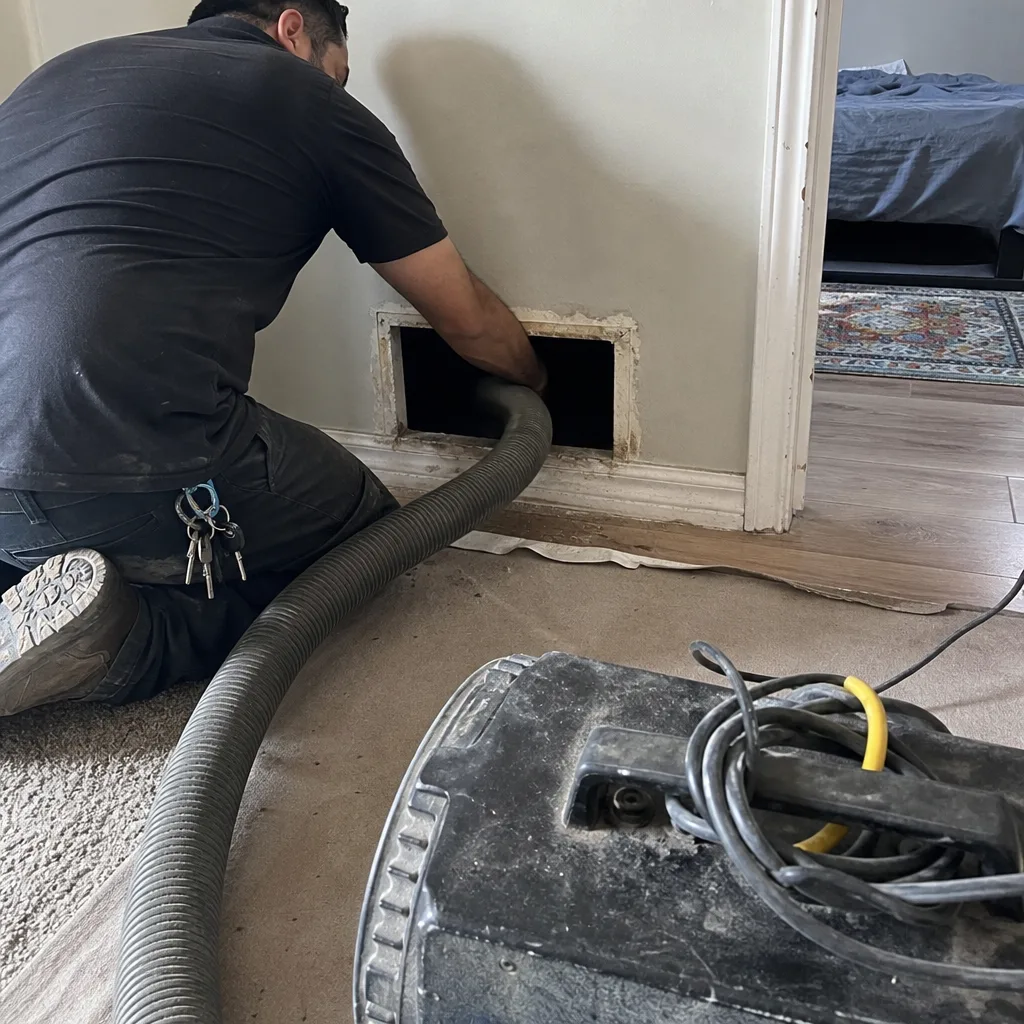 Before
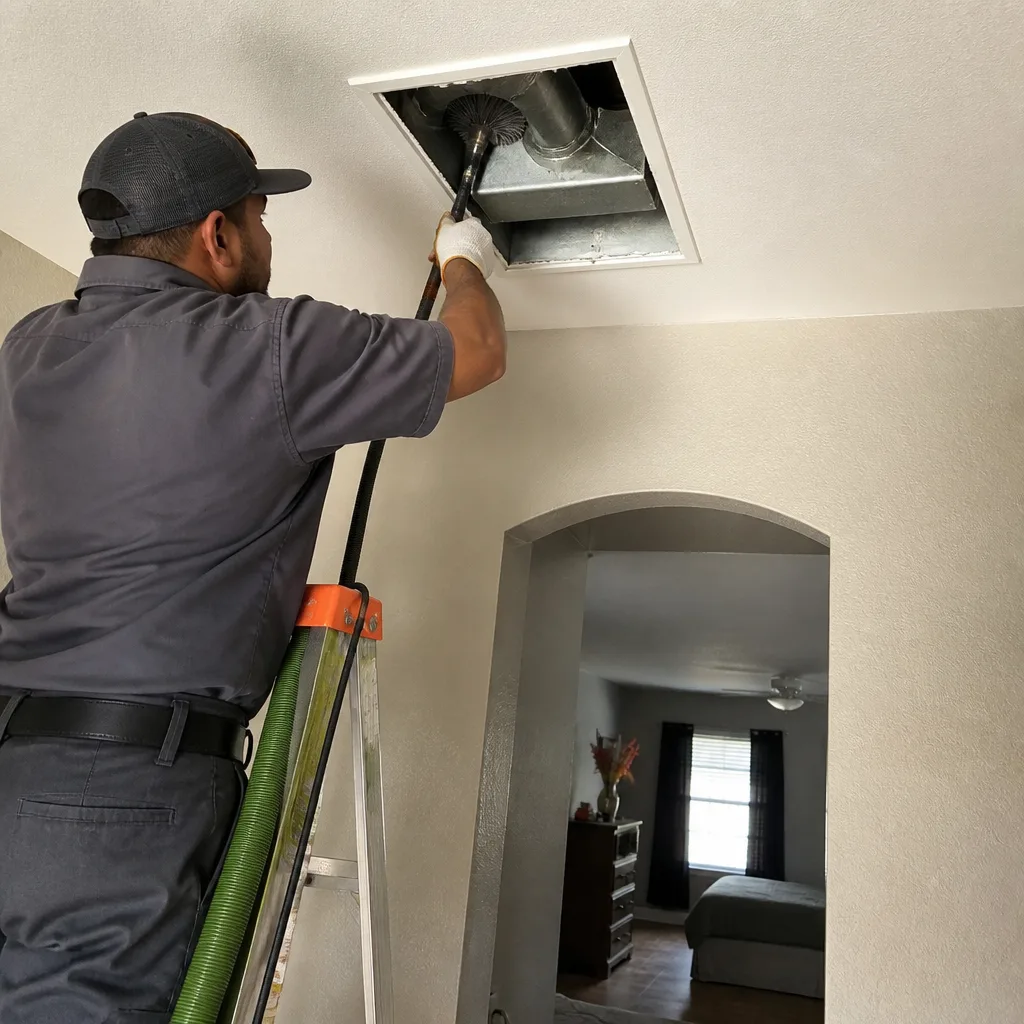 After
AfterNikro Dryer Vent Cleaning in Fort Worth: What to Know First
CleanRun provides independent Nikro dryer vent cleaning in Fort Worth, not factory-authorized service. Most Nikro vent jobs we run in Tarrant County take 90 to 150 minutes from truck arrival to final airflow test, and every one starts with a written price before a tool comes out of the van. Typical whole-system dryer vent cleaning for Fort Worth homes runs $195 to $385 depending on run length, termination type, and what the camera actually finds.
This page is for Nikro equipment owners in Fort Worth who want to know whether their vent issue needs cleaning, rerouting, or component replacement, and who want the work documented with before-and-after photos they can keep. If you own a Nikro dryer vent booster, inline fan, or lint trap assembly and you’re seeing longer dry times, a hot laundry room, or lint collecting behind the dryer, call (817) 520-8797. We’ll put a written estimate next to any competitor’s quote for free.
How Nikro Products Fail - and How We Fix Them
- LV2000 Series Inline Booster Fans - motor bearing seizure from lint bypass. The LV2000’s sealed motor housing has a small weep hole at the six-o’clock position that clogs with fine lint in Fort Worth’s caliche-heavy dust environment. Once blocked, condensation sits on the bearings and the motor hums without turning. We pull the fan, photograph the housing interior, and replace with an OEM Nikro motor assembly or a tested aftermarket equivalent if the customer prefers. The fix includes reaming that weep hole to factory spec and showing the customer the difference on camera.
- ULTRALINE Rigid Vent Kits - elbow separation at crimp joints. Nikro’s ULTRALINE 26-gauge elbows use a single-crimp design that fatigues faster than double-crimp competitors when subjected to the thermal cycling common in Fort Worth attic runs. We find gaps at the first elbow in roughly one of every three ULTRALINE inspections we do in older Near Southside homes. Our repair is a sealed reconnect with proper support strapping, not foil tape over the gap, and we photograph the joint from inside the duct to confirm mechanical engagement.
- LT100 Lint Trap Assemblies - screen collapse from reverse airflow. The LT100’s galvanized screen can invert if a booster fan fails or if the exterior cap is blocked by bird nesting, which happens frequently in Fort Worth’s established neighborhoods with mature oak canopy. The screen then traps lint in the housing instead of the screen, creating a fire load behind the dryer. We replace the screen with OEM Nikro spec or upgrade to the stainless LT100-SS variant if the customer plans to stay in the home long-term.
- Flexible Transition Ducts - sagging across long horizontal runs. Nikro’s UL 2158A-listed flexible duct is better than big-box equivalents, but in Fort Worth slab homes with utility rooms set back from exterior walls, we see 15-foot horizontal runs with a belly that collects lint. The camera shows a dense plug at the low point. We don’t just rod it out; we re-support the run with proper pitch to the exterior or recommend hard-pipe conversion if the sag exceeds three inches over ten feet. That’s a Haven Standard Clause 1 pricing conversation, written before we cut anything.
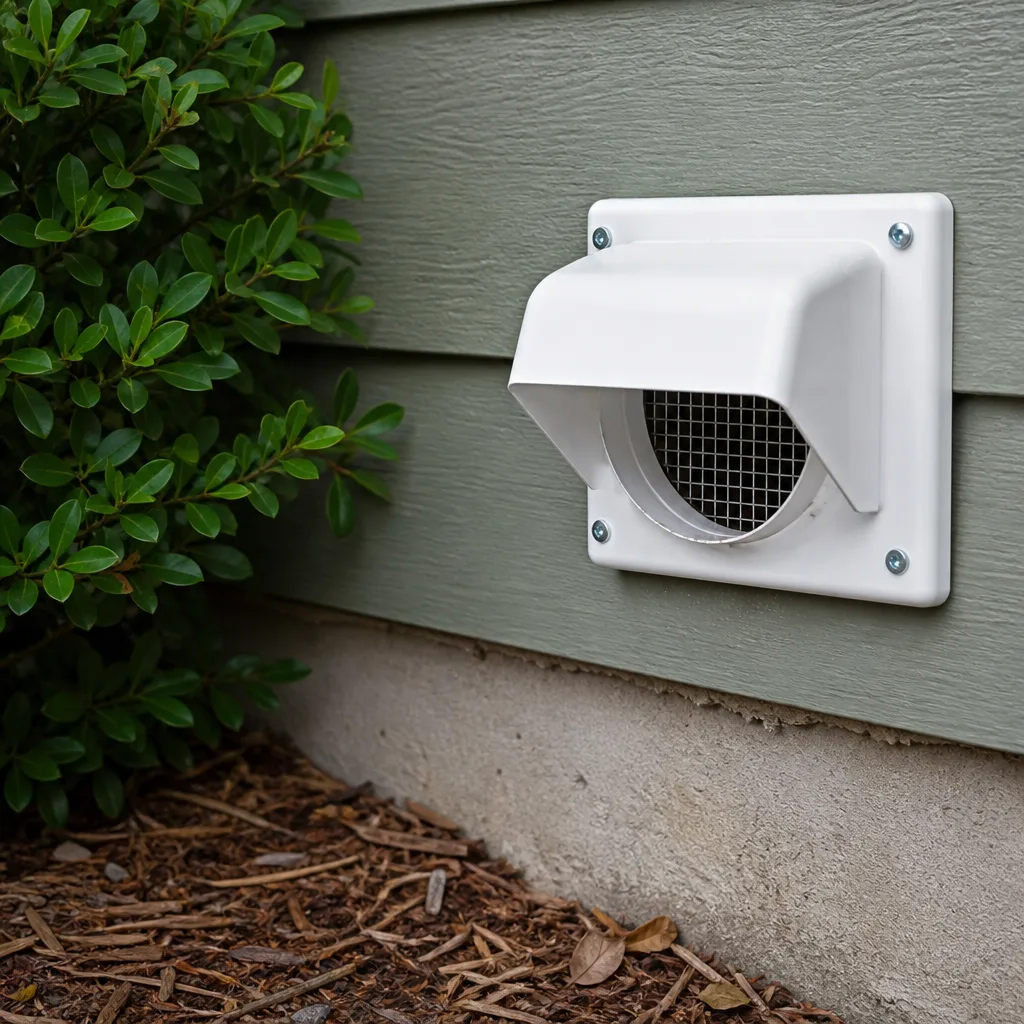
- Wall Caps and Bird Guards - UV degradation and improper initial installation. Nikro’s DWVG-4 wall cap uses a UV-stabilized polypropylene damper that lasts roughly 7 to 10 years in Fort Worth’s sun load before the flapper cracks. More commonly, we find caps installed without the specified 12-inch clearance from grade, which lets landscaping debris and sprinkler mineral buildup jam the damper. We carry the DWVG-4 and DWVG-6 in stock, measure the existing cutout, and show the customer the old cap’s condition before quoting replacement.
Our Nikro Dryer Vent Cleaning Process
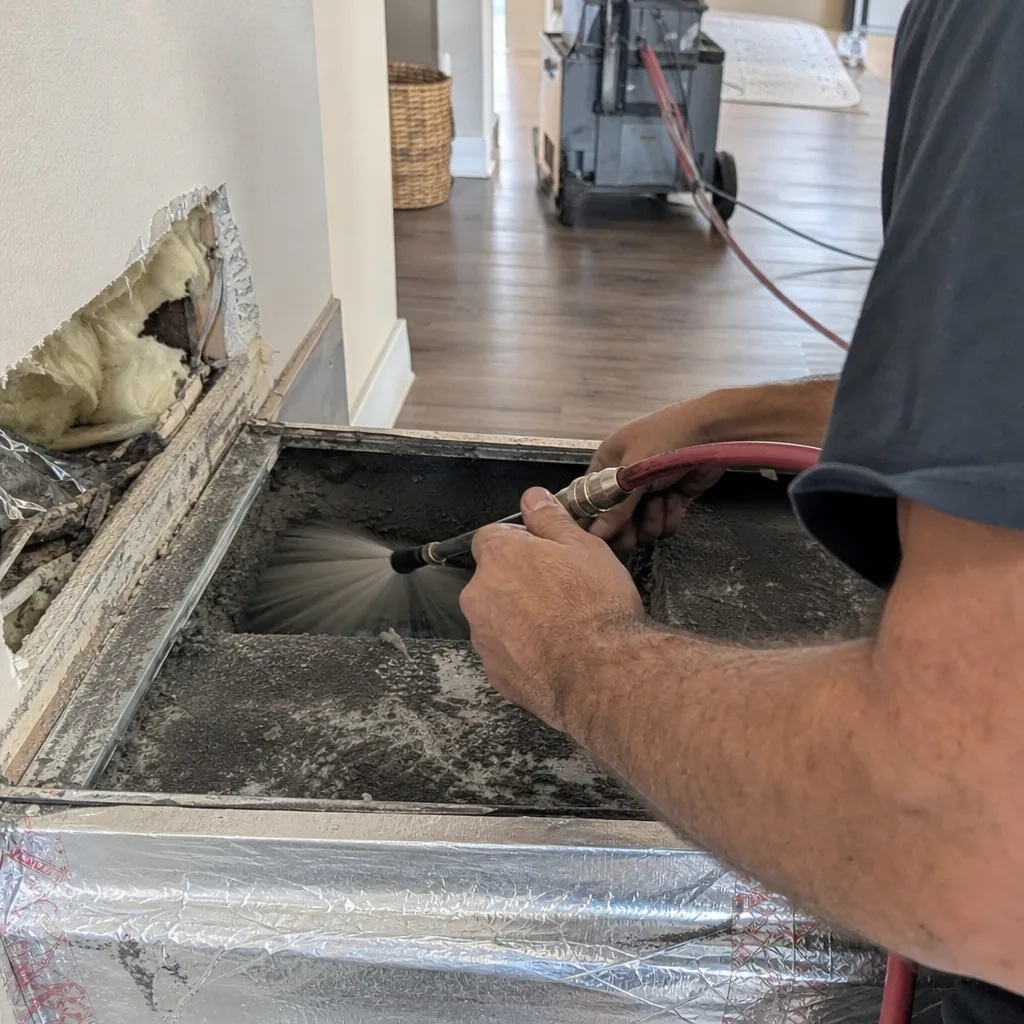
- 1
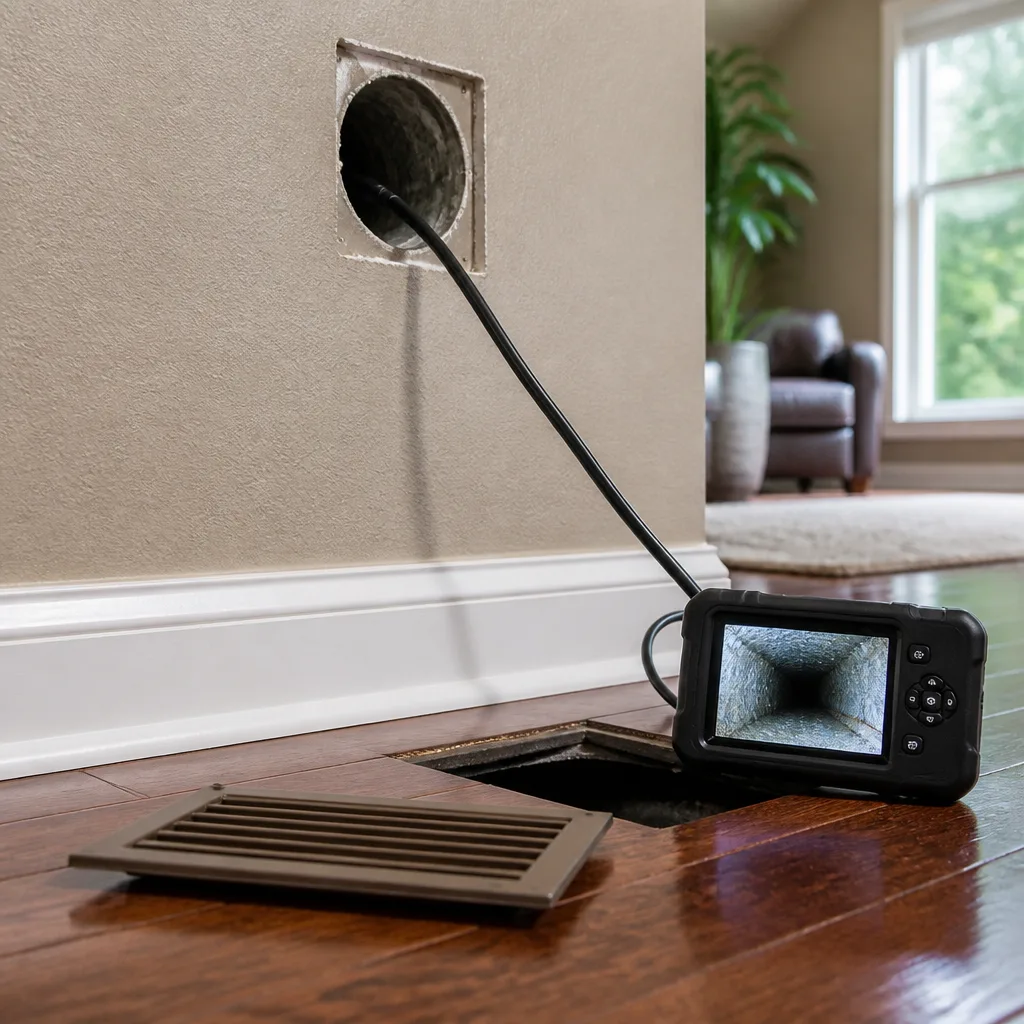
Visual and camera inspection of the full run. We feed a borescope from the dryer connection to the exterior termination, recording every joint, elbow, and suspected restriction. The camera doesn’t have a sales pitch. If the footage shows a clear 4-inch round with no measurable buildup, we tell you that and charge only the inspection fee.
- 2
Written scope and price delivered before work. Haven Standard Clause 1: the price is fixed per system, not per vent, and covers labor, disposal, and the documented photo record. No surprises if we find a bird nest at the cap or a separated elbow in the attic.
- 3
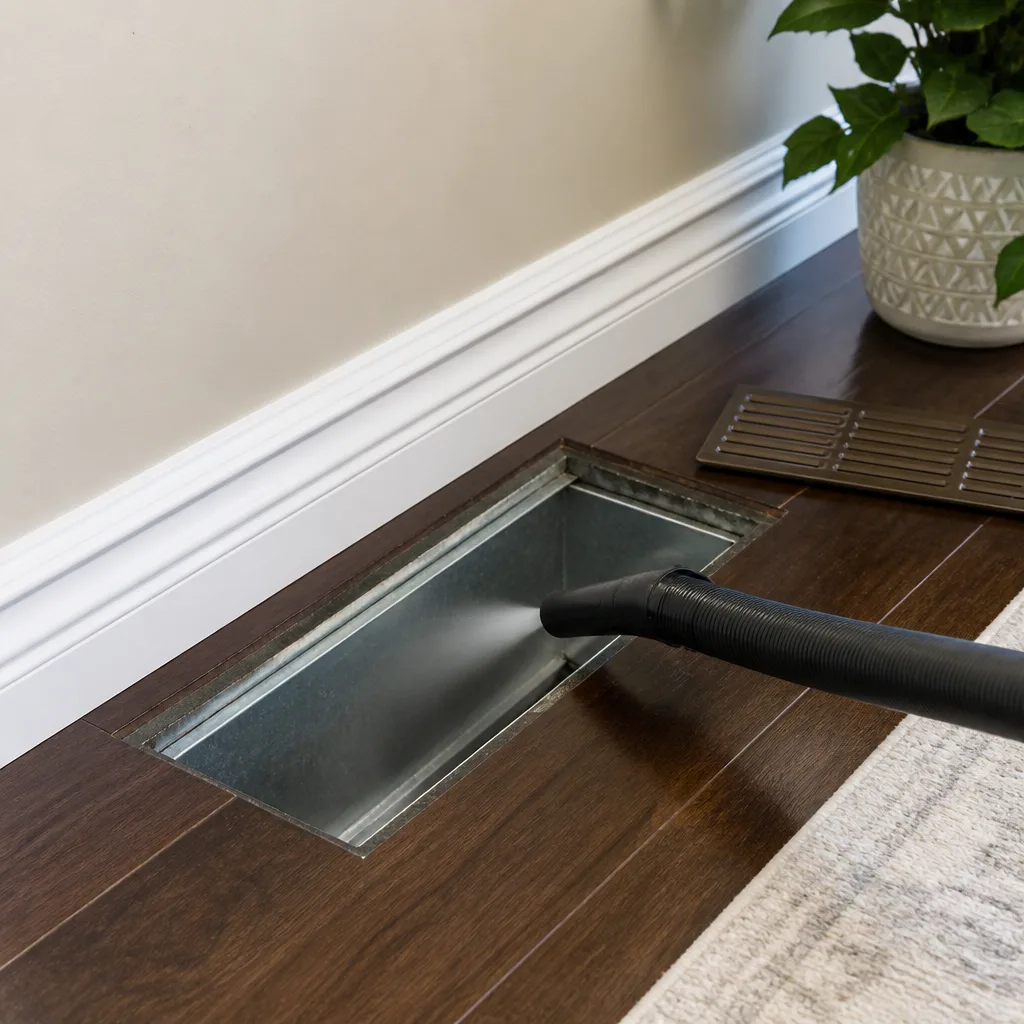
Negative-pressure extraction with Nikro-compatible tooling. We use Rotobrush and Nikro-branded rotary whips sized to 4-inch duct, running at controlled RPM to avoid damaging Nikro’s lighter-gauge residential fittings. Lint and debris are collected in a HEPA-filtered vacuum, not blown into the laundry room.
- 4
Component replacement with OEM or disclosed aftermarket parts. If the inspection found a failed LV2000 motor, cracked wall cap, or collapsed lint screen, we present both options with part numbers the customer can verify. We don’t install unbranded “comparable” parts without explicit written consent.
- 5
Airflow verification and photo record delivery. We measure exhaust velocity at the cap with an anemometer and compare to the pre-cleaning reading. The before-and-after photo set, airflow numbers, and itemized invoice are emailed before we leave the driveway.
- 6
365-Day Done Right Promise activation. The written guarantee goes into effect immediately. If dry times lengthen again within a year and the cause is our workmanship or parts, we return without a trip charge.
BeforeAfterWhat Nikro Dryer Vent Cleaning Costs in Fort Worth
| Service | Typical Range | What Moves the Price |
|---|---|---|
| Standard dryer vent cleaning (single-family, one story) | $195 - $285 | Run length under 15 ft vs. attic or crawlspace routing |
| Two-story or extended horizontal run | $265 - $385 | Additional access points, booster fan isolation, or roof termination |
| LV2000 booster fan motor replacement | $340 - $495 | OEM vs. aftermarket motor, housing condition |
| Wall cap / bird guard replacement (DWVG-4 or DWVG-6) | $125 - $195 | Siding type, existing cutout condition, stucco repair needs |
| LT100 lint trap assembly replacement | $165 - $240 | Standard galvanized vs. stainless LT100-SS upgrade |
| Vent rerouting or hard-pipe conversion | $485 - $875 | Linear feet, framing access, termination relocation |
These are whole-system prices agreed in writing before work starts. We don’t quote $79 and find $400 of “necessary extras” in your laundry room. Call (817) 520-8797 for a free estimate, or bring us any competitor’s written quote for a free second opinion.
Why Fort Worth Homeowners Call CleanRun Air Duct Cleaning Fort Worth for Nikro Work
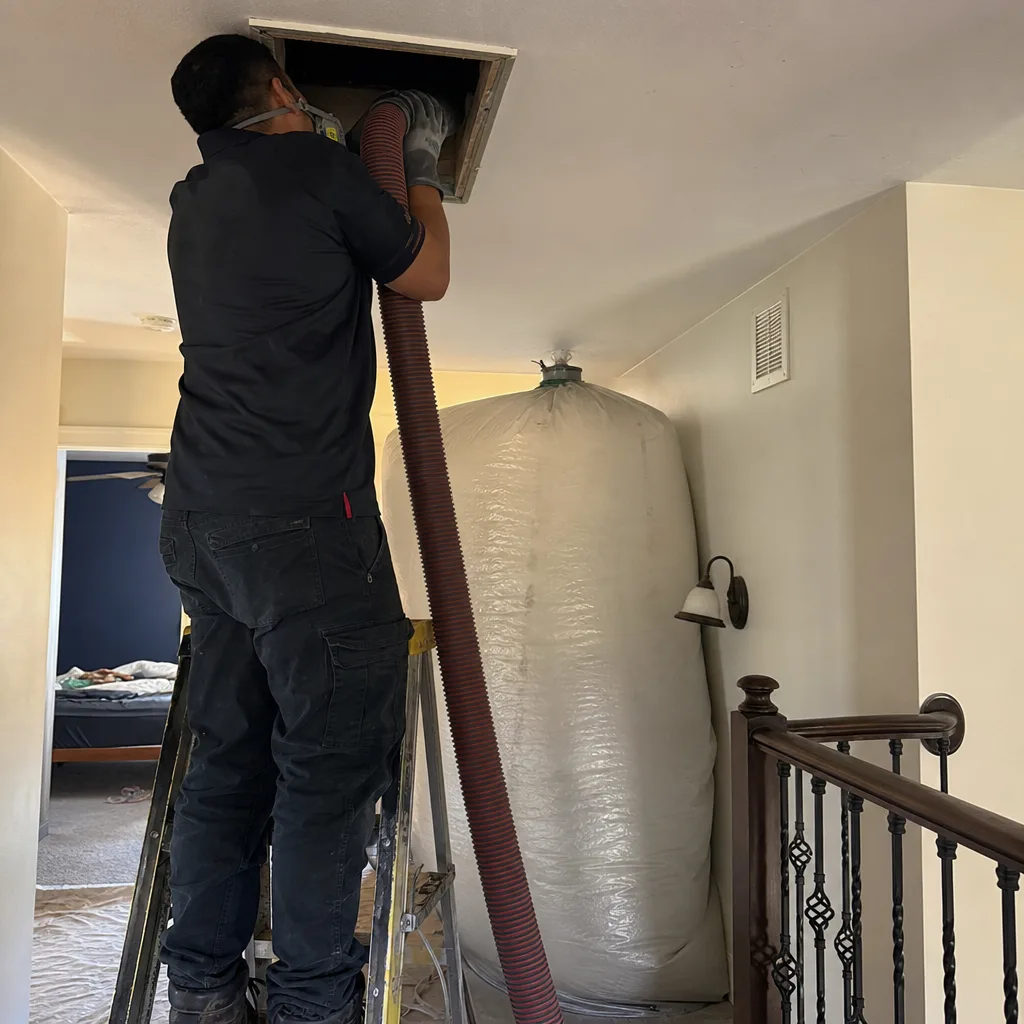
We’ve been running documented dryer vent jobs across Fort Worth since 2013, and the Near Southside crew has seen enough Nikro equipment to know the difference between an LV2000 bearing hum and a simple lint plug without disassembling anything. Our technicians are background-checked and uniformed under Haven Standard Clause 3: Verified Crews, and they carry the full equipment roster - Rotobrush, Nikro, Abatement Technologies, Honeywell, Aprilaire, Guardsman - so a Nikro vent system that turns out to be tied to a Lennox, Trane, or Carrier HVAC configuration doesn’t require a second dispatch.
Every job concludes with a Documented Photo Record of every duct run, included as standard, not an upsell. The 365-Day Done Right Promise is backed in writing, not a phone promise. And Tomas Reyes, who picked up his trade skills at Bronx Community College before spending years in the field learning what accumulates when nobody’s paying attention, still reviews the photo sets from jobs in the neighborhoods where older homes hold debris in ways newer builds don’t.
FAQs
No. As an independent Nikro service provider with no manufacturer affiliation, our cleaning and maintenance work does not void product warranties, provided we use compatible parts and practices. We document our methods and part sources in writing if you ever need to demonstrate proper maintenance to Nikro or your home insurer.
No. An LV2000 running on failing bearings draws more current, runs hotter, and can ignite lint that has bypassed the trap. We find motors in pre-failure condition during routine cleanings roughly twice a month in Fort Worth, and replacing the motor during a scheduled cleaning costs less than an emergency call after the thermal cutoff trips. Call (817) 520-8797 and we’ll put the inspection on the calendar.
We stock common Nikro wear items - LV2000 motors, DWVG-4 and DWVG-6 caps, LT100 and LT100-SS screens - on our Fort Worth trucks. For less common components, we source through verified distributors with tracking numbers we share with the customer. We don’t start work requiring a special-order part until the customer has the delivery date in writing.
We measure exhaust airflow in CFM at the exterior cap before and after cleaning, and we deliver timestamped before-and-after photos from inside the duct. If the camera showed a 3-inch debris build-up at the first elbow before, you’ll see the same elbow clear after, with the anemometer reading to match. The photo record is yours to keep.
Replace when the rigid duct has multiple corrosion holes, when flexible sections exceed UL 2158A length limits, or when the configuration predates current Fort Worth fire code clearances. Repair when the issue is isolated to a cleanable restriction, a failed component, or an unsupported sag. We make the recommendation based on what the camera shows, not on what we’d prefer to sell, and we put both options in writing with fixed prices.
Written by Tomas Reyes, Owner, CleanRun Air Duct Cleaning Fort Worth at CleanRun Air Duct Cleaning Fort Worth, serving Fort Worth and nearby areas.