
Whole-system duct and dryer vent check with before-and-after photos - you see exactly what came out of your vents
That "$99 whole-house special" is a bait ad - the real number appears once they are in your hallway, or the "clean" is a shop-vac at the register. We photograph the inside of your ducts before and after instead.
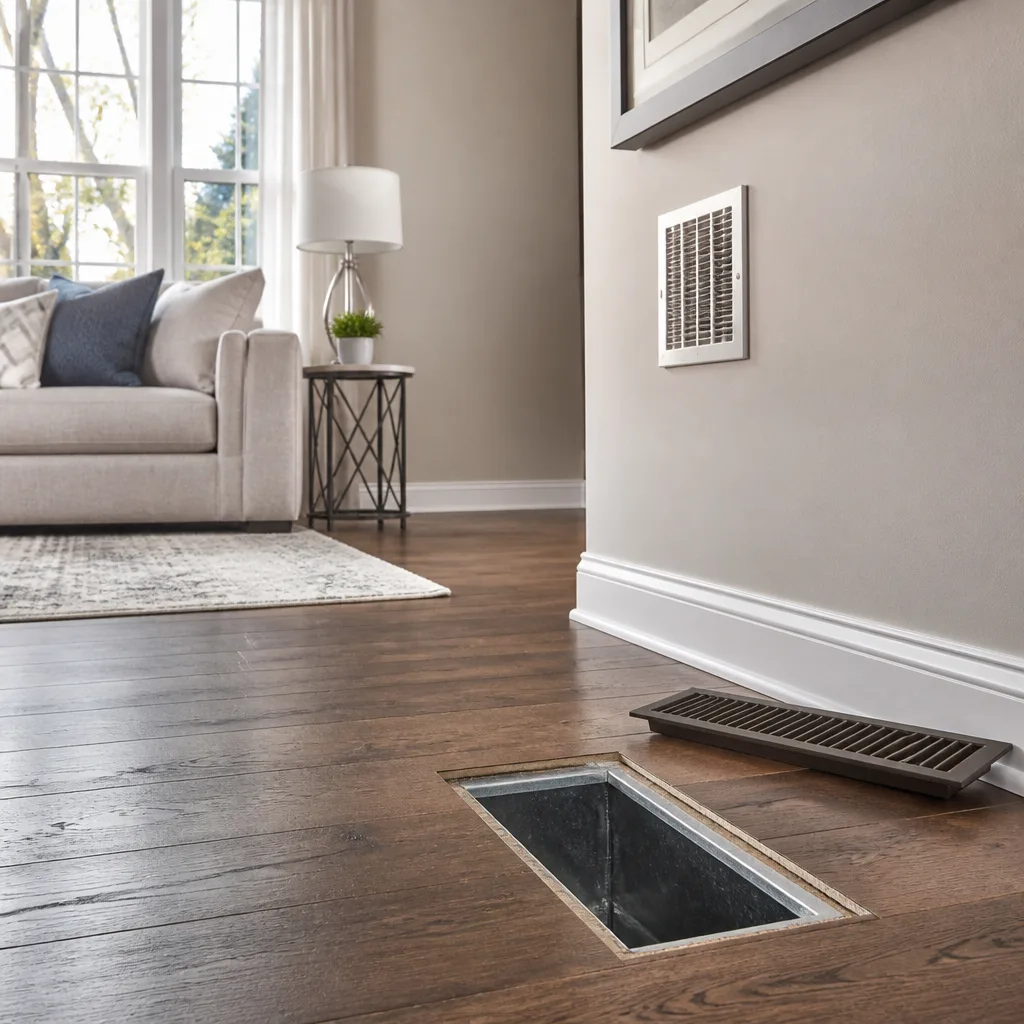
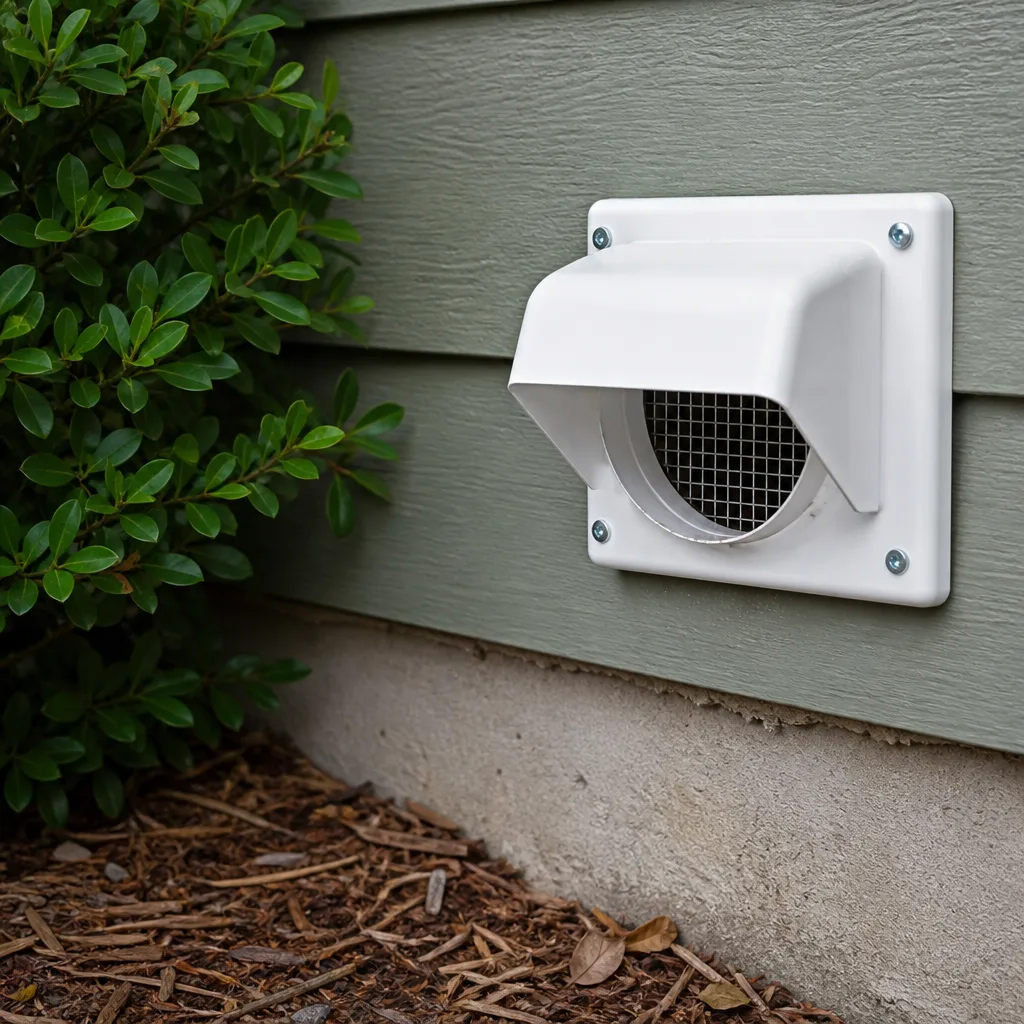
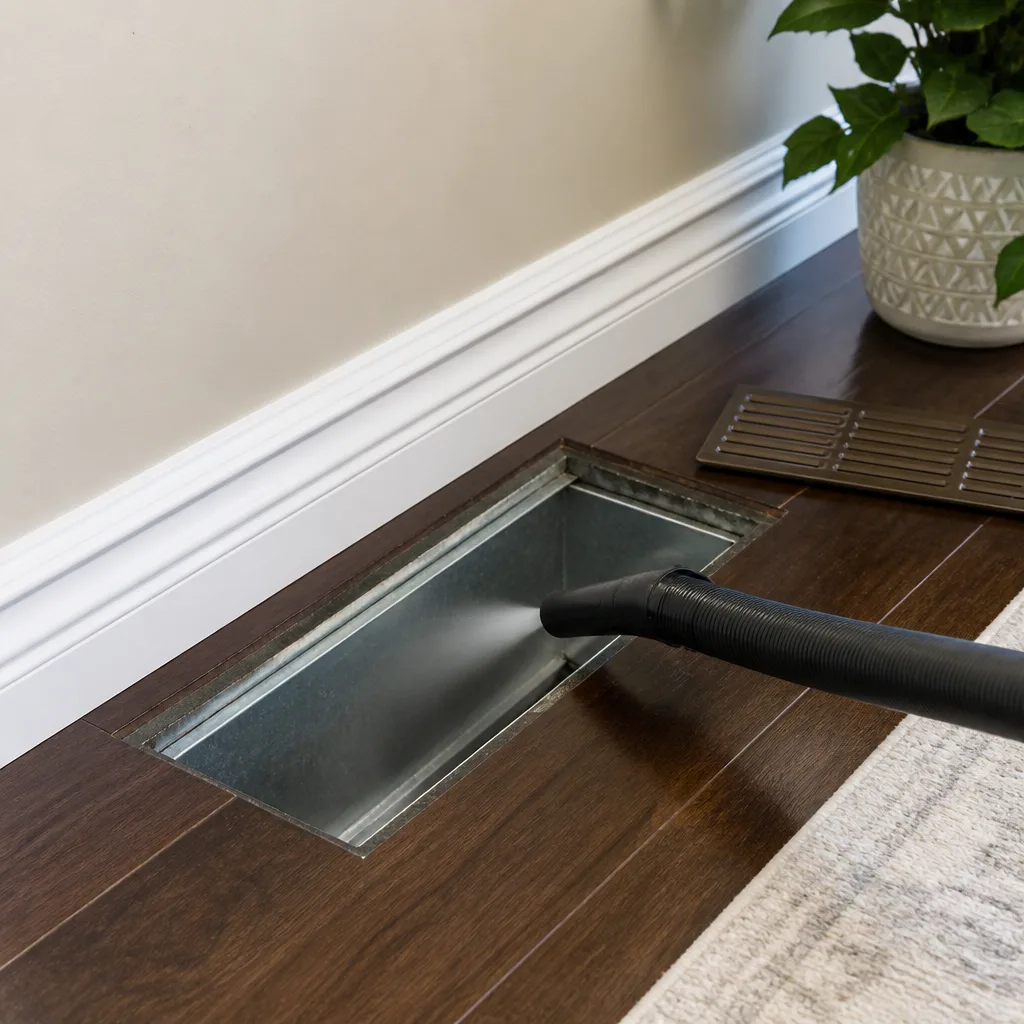
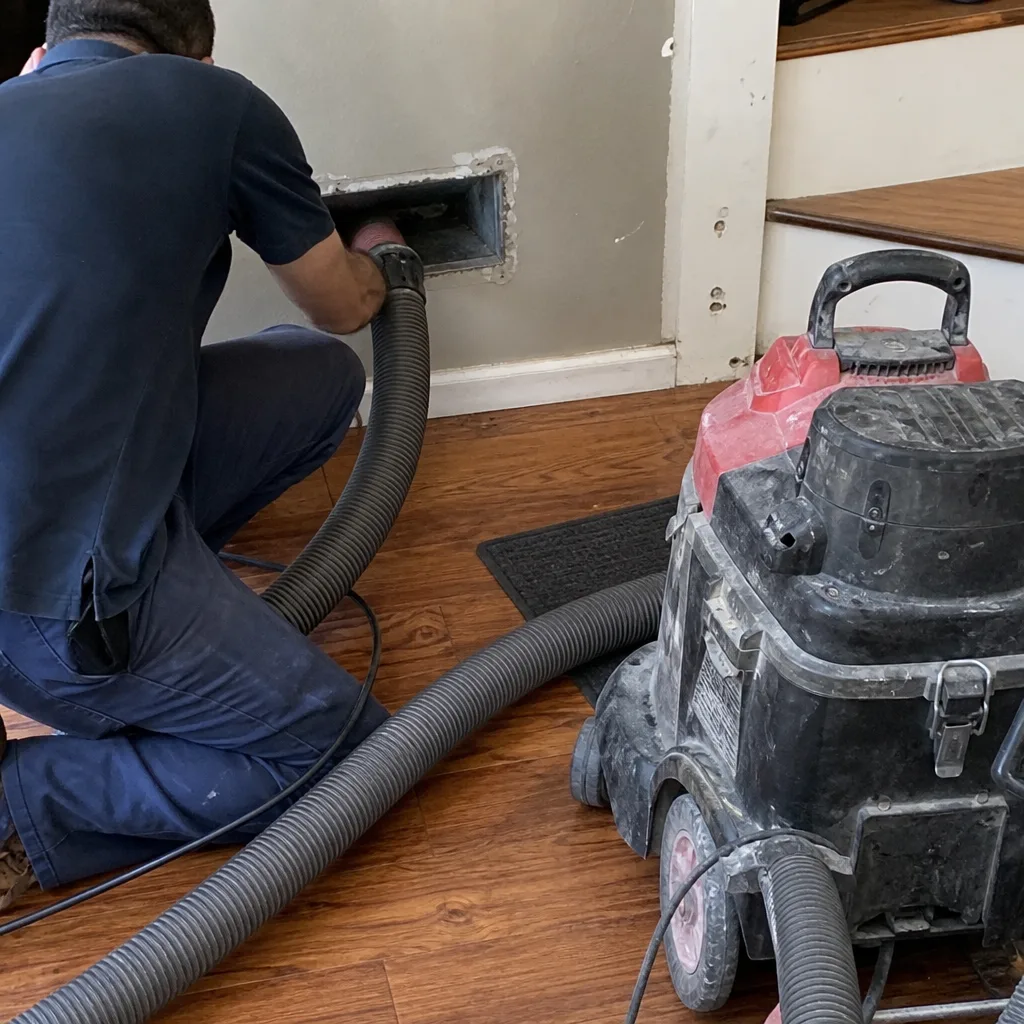 Before
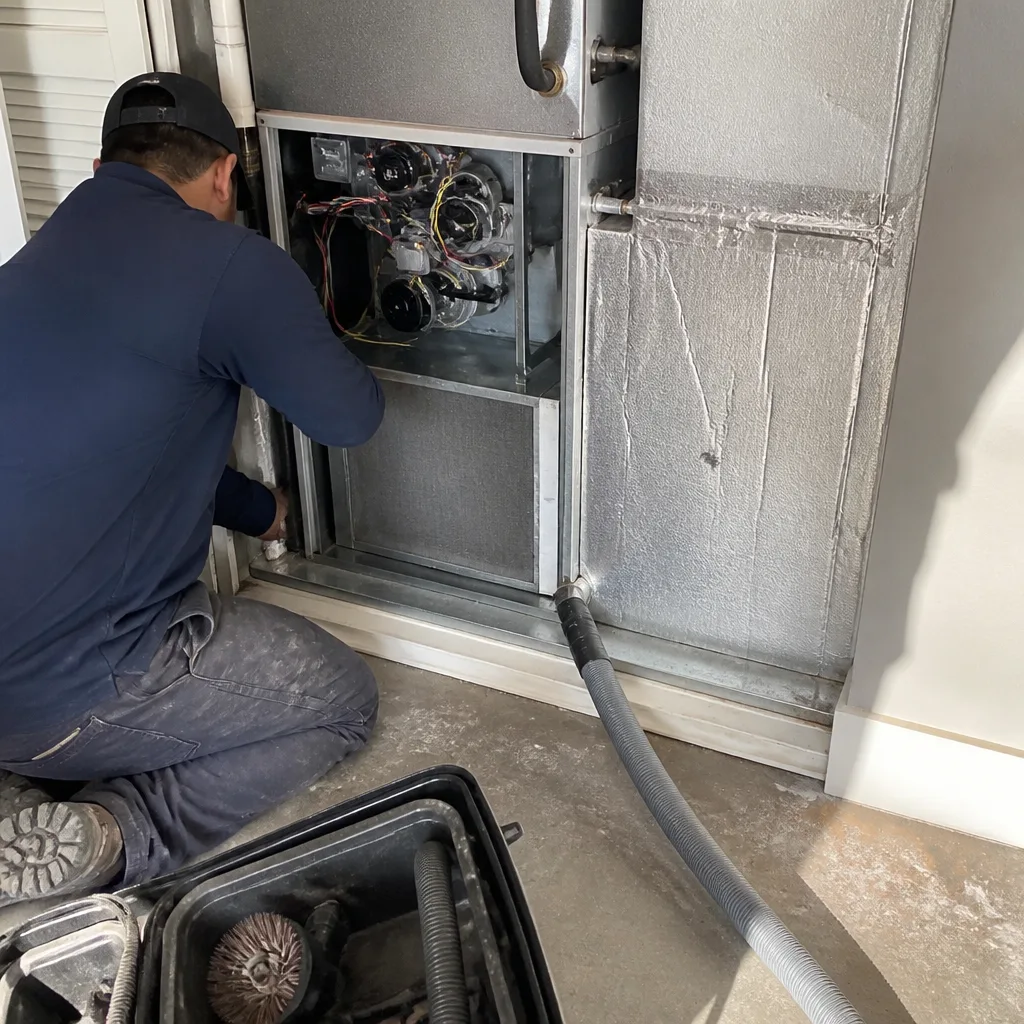 After
After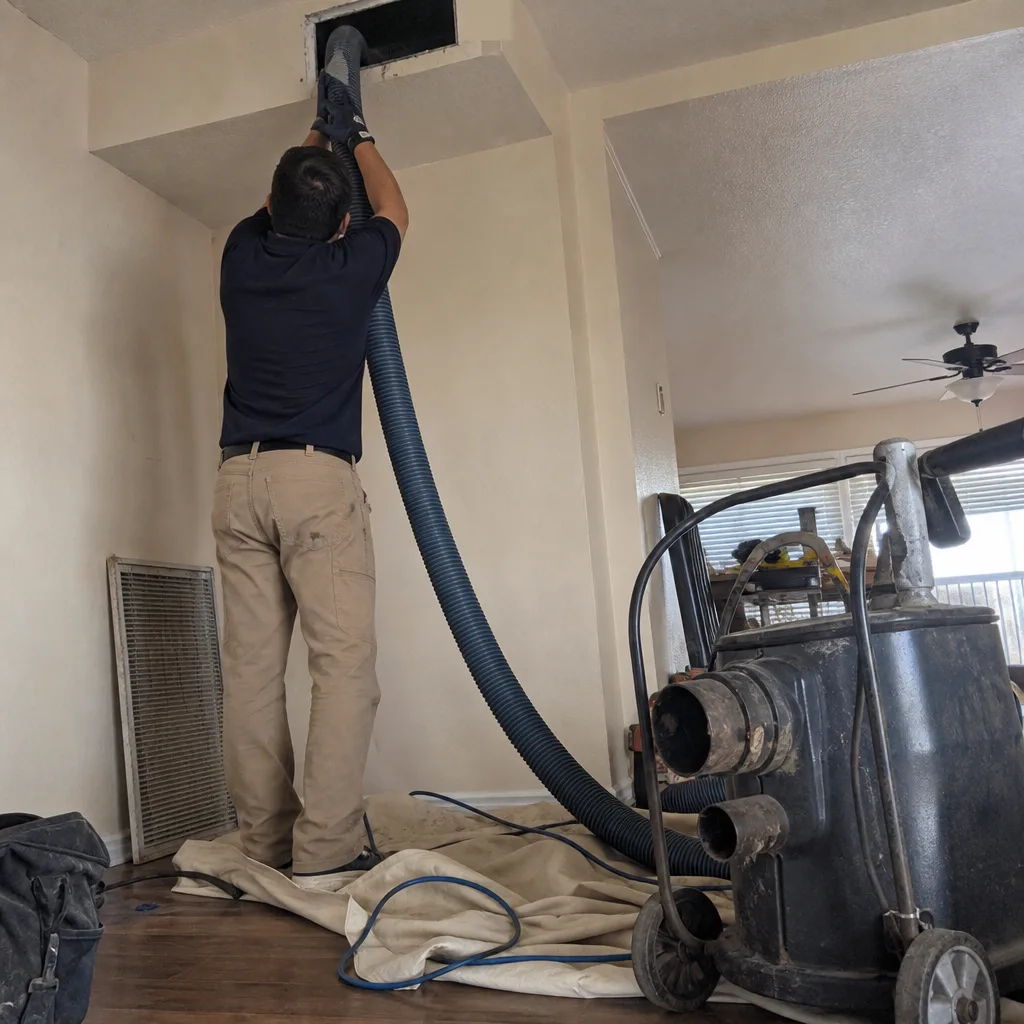 Before
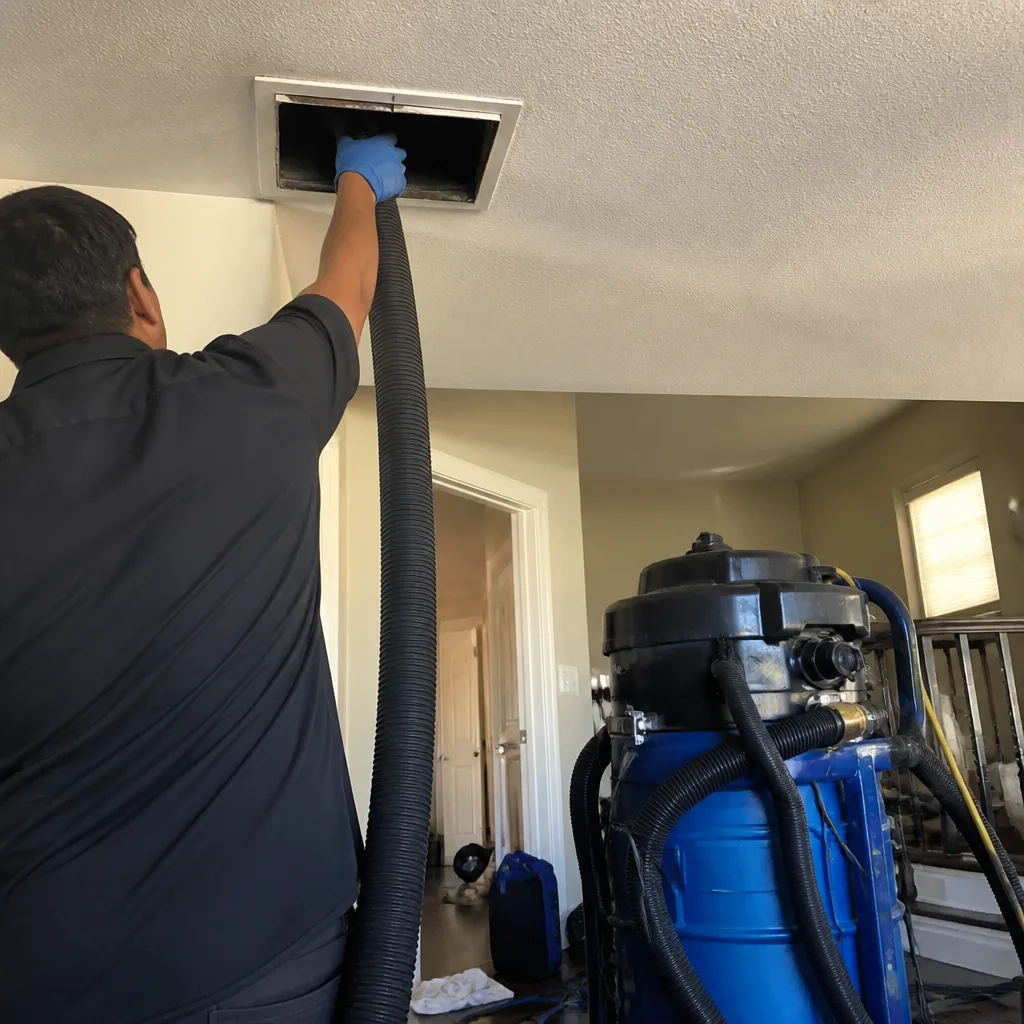 After
After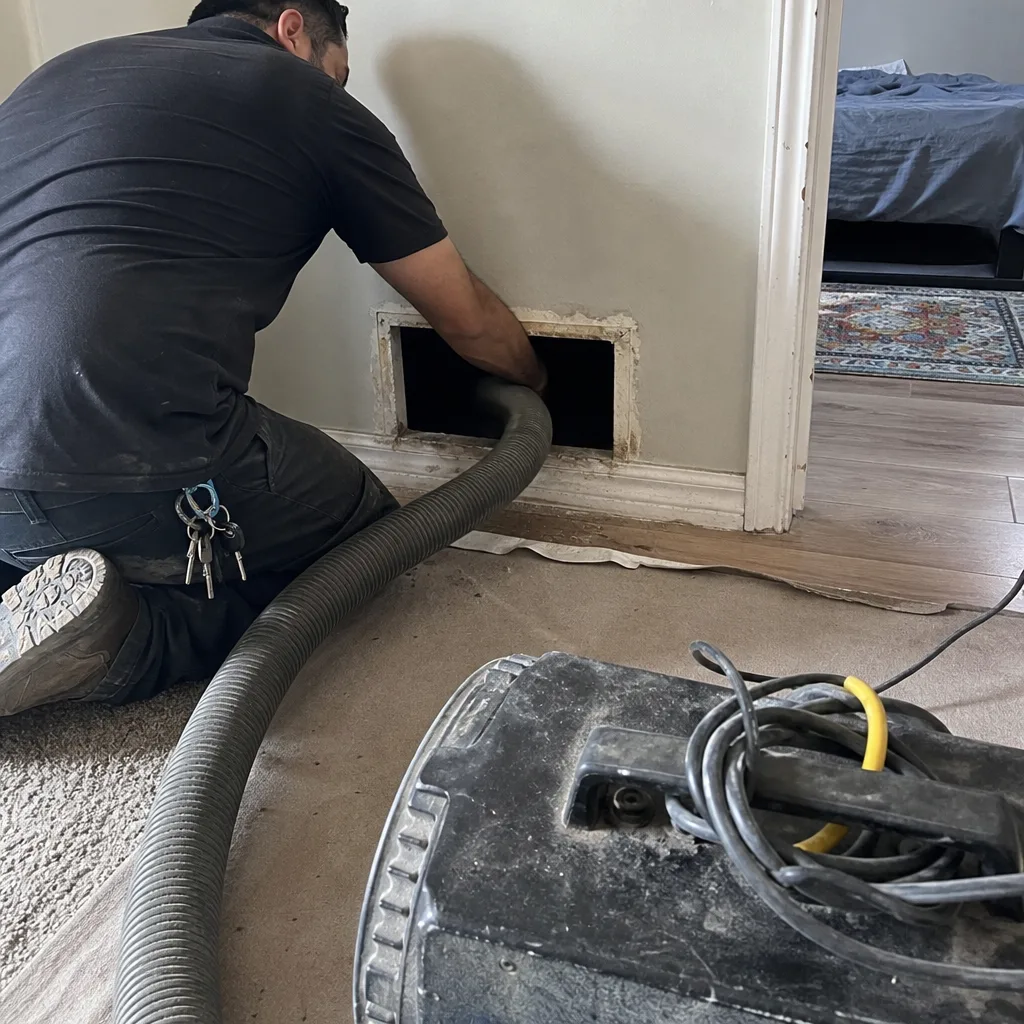 Before
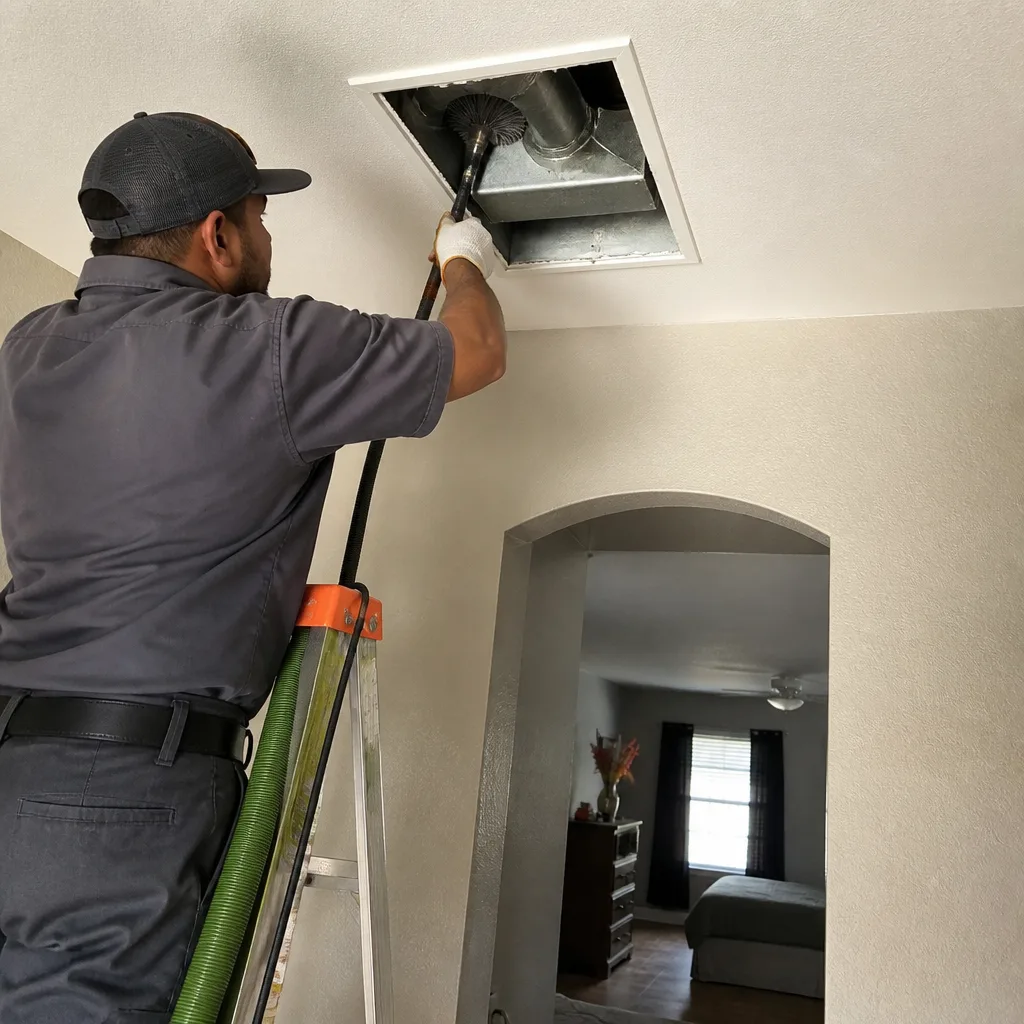 After
AfterVideo Inspection in Fort Worth, TX
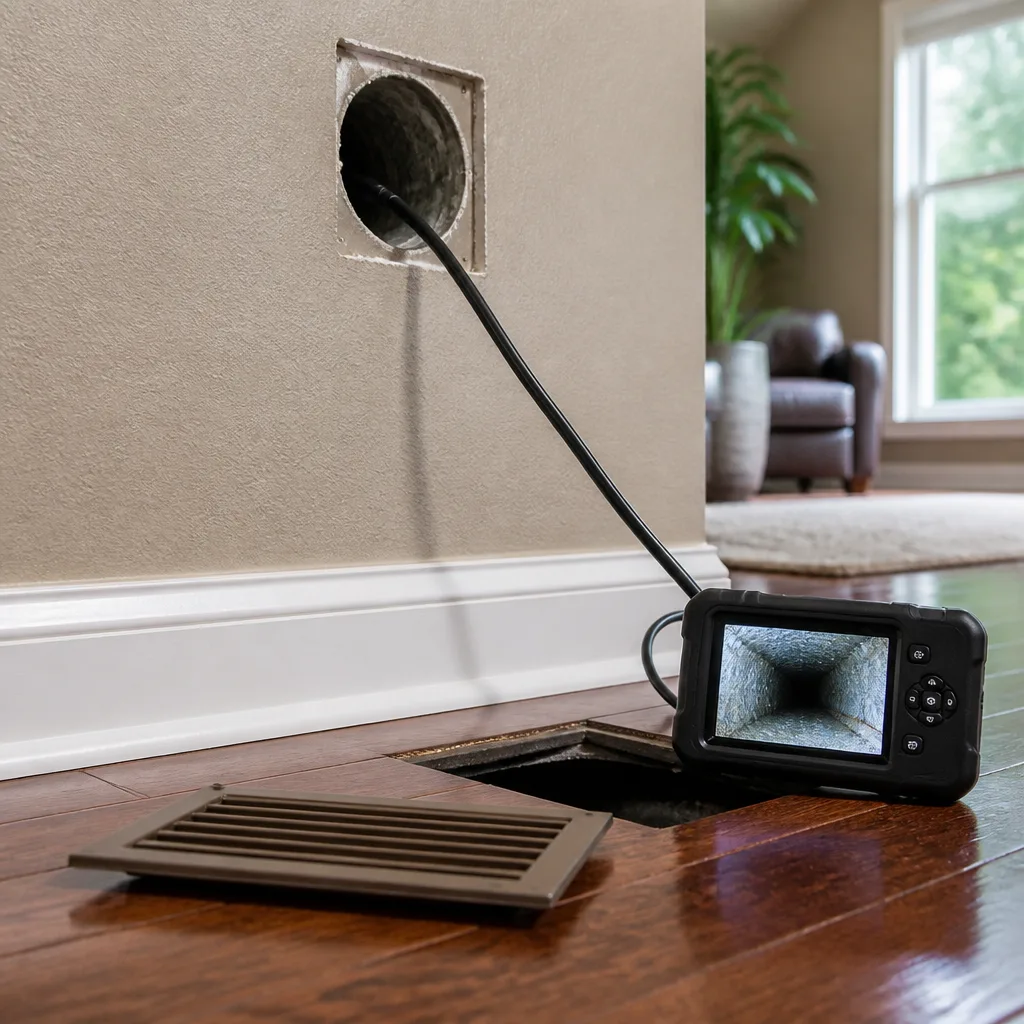
Duct video inspection is exactly what the name says: a small camera travels the length of each duct run and records what’s inside, before anyone touches anything. In Fort Worth, where homes built in the 1980s and 1990s across Wedgwood, Summerfields, and far-south developments often have original flex duct that was never inspected after installation, that footage is usually the first time a homeowner has ever seen the inside of their own system. The camera feed is recorded, timestamped, and delivered to you as part of the standard job record – no work scope is written until the footage confirms what’s actually there.
If you’ve received a quote from any company that didn’t mention a camera, you were quoted on assumptions. CleanRun doesn’t price or scope a job that way. Call (817) 520-8797 and we’ll schedule an inspection with a written price before anyone shows up at your door. Every job is part of our Air Duct Cleaning in Fort Worth service, and video inspection is where every one of those jobs begins.
When You Need Video Inspection
Some signs are obvious. Others are the kind of thing a Fort Worth homeowner notices gradually and writes off as normal until a camera proves otherwise. Here are the situations where a duct video inspection gives you answers a visual check at the register grille never could.
- You’re buying or selling a home built before 2000. Homes in older Fort Worth neighborhoods like Ridglea Hills, Wedgwood, and Stop Six frequently have original ductwork that’s never been documented. A camera inspection produces a written record of duct condition that you can hand to a buyer, a seller, or a home inspector – with footage, not just a technician’s verbal summary.
- Your energy bills climbed without a clear cause. A disconnected duct section – common in Fort Worth’s pier-and-beam crawl spaces after a foundation shift – can push conditioned air directly into the subfloor. The system runs longer, the bill goes up, and the thermostat never catches up. A camera finds the gap; guesswork doesn’t.
- You smell something when the system runs. Musty, dusty, or burned smells coming from the registers are often traceable to a specific section of duct. The camera pinpoints the source – debris accumulation, moisture intrusion, or a collapsed inner liner – so the repair scope is exactly as large as it needs to be, not larger.
- A previous cleaning didn’t change anything. If you paid for duct cleaning and noticed no difference in air quality, dust, or airflow, the inspection will show whether the previous crew actually reached the duct runs or only serviced the accessible sections near the unit. The footage doesn’t negotiate.
- You’ve had HVAC work done recently. Any time a technician accesses the system – coil replacement, blower motor swap, gas line work near the air handler – there’s a possibility debris entered the duct system. A post-work inspection confirms the interior is clear before the system runs season after season with whatever was left behind.
- You notice uneven airflow room to room. In two-story Fort Worth homes, especially in areas like Hulen Bend and Fossil Creek where builders used long duct runs to reach upstairs bedrooms, partial blockages create pressure imbalances that feel like a zoning problem but are actually a duct problem. Video tells the difference.
Our Video Inspection Process
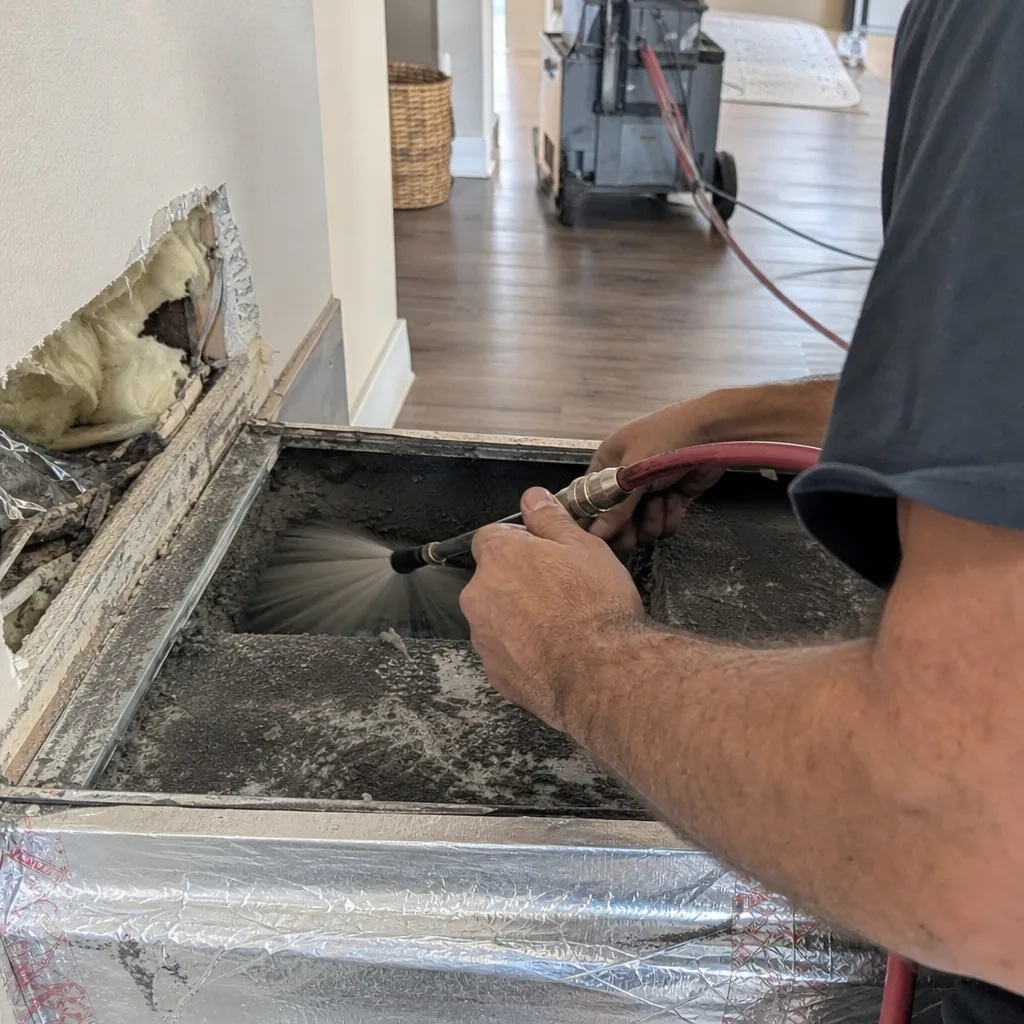
The process is systematic. Every duct run gets inspected in the same order, documented the same way, and referenced against the same written scope. Nothing is done from memory.
- Pre-inspection walkthrough and system map. Before the camera enters a single duct, we walk the home and map the supply and return layout – how many runs, where each one terminates, and which sections are accessible from the attic versus only from inside the home. Fort Worth homes with partially finished attic spaces often have hybrid duct configurations that require a map before a camera path makes sense. The map is included in your job record.
- Camera introduction at the supply plenum. The plenum is the main distribution box that connects the air handler to the duct runs – it’s where the highest concentration of debris typically collects. We introduce the inspection camera here first, recording everything from the plenum through to each branch. The Rotobrush inspection system we use produces clear, recorded footage in duct diameters as small as four inches, which covers every residential run size common in Fort Worth construction.
- Full run documentation, register to register. Each individual duct run is traversed from the supply register back toward the plenum, with continuous recording. The camera captures debris type (dust accumulation, biological growth, construction material, rodent debris), liner condition (intact, collapsed, or separated), and any visible joint failures. A timestamped still is captured at each notable finding.
- Return-side inspection. Return ducts – the duct sections that pull air back to the air handler – are inspected separately. In many Fort Worth homes, the return plenum is built into the wall cavity or subfloor structure rather than using a dedicated duct, which makes it a frequent site for air leakage, pest intrusion, and accumulated debris that the supply-side inspection won’t reach.
- Written findings and photo record delivery. When the camera work is complete, you receive a written summary of what was found in each run, with timestamped footage and still photos. The summary identifies which sections require cleaning, which require repair, and which are in acceptable condition. Nothing is added to the scope that the footage doesn’t support.
- Written price before any further work begins. If the inspection findings support a cleaning or repair recommendation, you receive a written price for that work before any panel comes off or any equipment is placed. This is Haven Standard Clause 1 – the written price comes before the work, always. There is no version of a CleanRun job where the price is discussed after the fact.
BeforeAfterVideo Inspection Pricing in Fort Worth
Duct video inspection in Fort Worth typically runs between $95 and $195 as a standalone service, depending on the size of the home, the number of duct runs, and the accessibility of the system. A 1,400-square-foot home in Fairmount with a single-story layout and a centrally located air handler is a faster inspection than a 2,800-square-foot two-story in Fossil Creek with a split system, a partially finished attic, and 22 individual supply runs.
When video inspection is performed as part of a full Air Duct Cleaning in Fort Worth job, the inspection cost is applied toward the cleaning price – you’re not paying twice for the same visit. The written scope that comes out of the inspection determines the cleaning or repair price, and that number is on paper before any work begins.
What affects the price
- Number of duct runs: Each run is inspected individually. A home with 10 supply registers takes less time than a home with 22.
- System configuration: Single-system homes are more straightforward than dual-zone setups or homes with supplemental mini-split returns that connect to the main duct network.
- Attic accessibility: In Fort Worth’s older Westover Hills and Ridglea Hills homes, low-pitch attic sections require additional time and different camera positioning to get usable footage of the full duct run.
- Duct material: Flex duct, sheet metal, and fiberboard duct each behave differently under the camera. Collapsed flex duct in particular requires a slower camera pass to document the full extent of liner failure.
If you’ve received a written estimate from another company, bring it. CleanRun offers a free second opinion on any written estimate – we put our number next to theirs, in writing, so you can compare them on the same terms.
Call (817) 520-8797 for a written price on your inspection. We’ll tell you the number before anyone shows up.
What the Camera Actually Finds
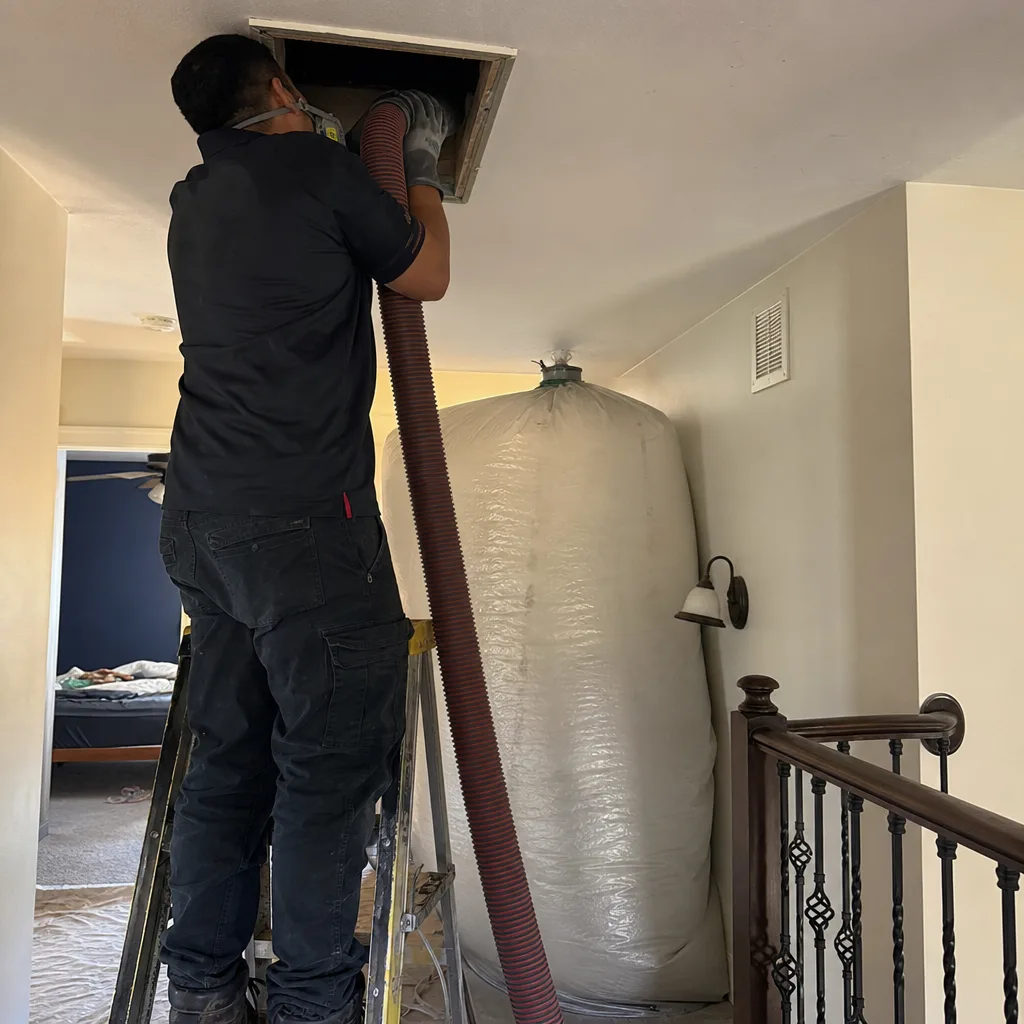
This is worth a section on its own, because the findings vary more than most homeowners expect before their first inspection.
In Fort Worth’s older stock – homes built through the 1970s and 1980s in neighborhoods like Como, Ryanwood, and parts of the Near Southside – the most common finding is debris accumulation at the first and second elbow of each supply run. That’s where the duct bends from vertical to horizontal, and it’s where dust, pet hair, and construction material collect because airflow slows at the bend. A typical finding reads: 2.5 to 4 inches of compacted debris at the first elbow, with finer particulate distribution through the rest of the run. That’s not subjective. The camera measures it against the duct wall, and the still photo shows it clearly.
In newer construction – post-2000 homes in Fossil Creek, Presidio Village, and Alliance corridor subdivisions – the more frequent finding is failed flex duct connections at the plenum collar. Flex duct is secured at the collar with a metal band and a layer of mastic or foil tape. When that connection fails, conditioned air exits into the attic space rather than traveling to the register. The system runs to compensate, the upstairs bedrooms stay warm in summer, and the bill climbs. The camera shows the gap at the collar clearly enough that a homeowner watching the feed in real time understands what they’re looking at without needing a technical explanation.
Moisture intrusion is less common but more serious when it appears. Fort Worth’s humidity swings – dry winters, humid springs – create conditions where condensation can form inside duct runs if the insulation barrier on flex duct is compromised. The camera identifies discoloration and liner degradation that suggests moisture exposure. That finding changes the repair scope significantly, because extraction alone doesn’t address a moisture source.
Why Documentation Matters More Than the Visit
A technician who describes what they found verbally and leaves is asking you to take their word for everything. That’s the standard practice in this industry, and it’s why duct cleaning has a credibility problem that most companies in Fort Worth don’t acknowledge.
CleanRun has documented every job with photography since 2013. The before photos show the interior condition when the camera arrived. The after photos show it when the crew left. Those two sets of images are the difference between a service you paid for and a service you can verify. They’re delivered to you as part of every job record – not offered as an upgrade, not contingent on what was found, just included.
The 365-Day Done Right Promise is what makes that documentation actionable. If you look at the after photos and something doesn’t match what was agreed in the written scope, the work gets made right. That commitment is in writing on every job – not a talking point, and not subject to a manager’s judgment about whether your concern qualifies. The written record exists specifically so there’s no ambiguity about what was agreed and what was delivered.
Background-checked, uniformed technicians operating under the H.A.V.E.N. Standard arrive identified by name before the visit – Haven Standard Clause 3: Verified Crews. You know who’s coming before the truck pulls up.
Video Inspection vs. Standard Visual Check
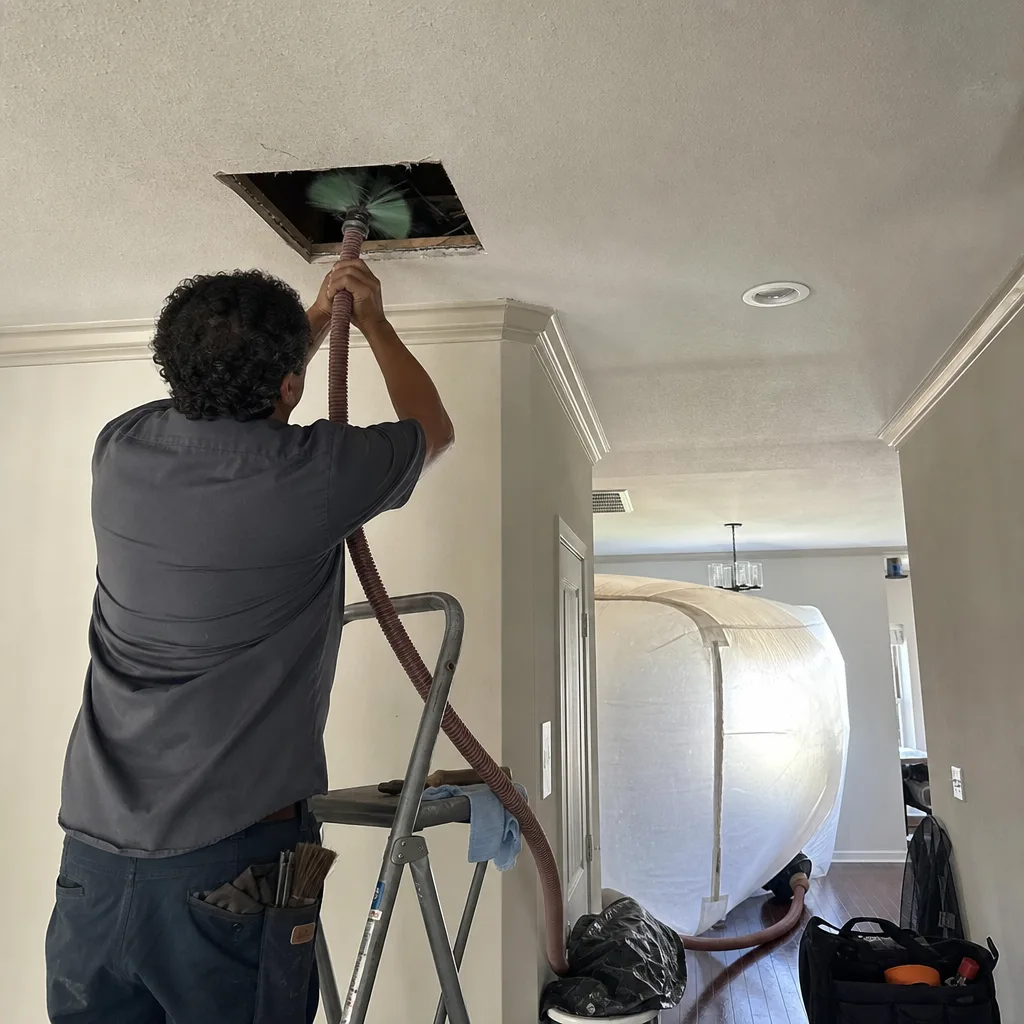
Some companies offer what they call a “visual inspection” as part of a free estimate. That means a technician looks into the duct at the register opening – typically a 4×10 or 6×12 inch grille – with a flashlight, and describes what they can see from that angle. The first bend in a supply run is usually 18 to 36 inches from the register face. Everything past that bend is invisible to a flashlight inspection.
A duct video camera – the Rotobrush system CleanRun uses covers the full run length, records continuously, and produces footage you can review after the technician leaves. That’s not the same category of information. The visual check tells you about the first 18 inches. The camera tells you about the whole system.
If a company is pricing a cleaning job without camera documentation of what’s inside, they are pricing based on assumptions about a home they haven’t actually seen. That’s how $79 coupon cleanings work: the price is set before the scope is known, and then either the scope is minimal or the price changes at the door. CleanRun doesn’t operate that way. The camera runs first. The price is written after.
FAQs – Video Inspection in Fort Worth
How long does a duct video inspection take in a typical Fort Worth home?
A standard single-story home with one HVAC system and 10 to 14 supply runs takes between 60 and 90 minutes for a full camera inspection. Two-story homes, dual-system configurations, or homes with difficult attic access – common in older Westover Hills and Ridglea Hills properties – run closer to 2 to 2.5 hours. You’ll receive a time estimate when you book, and it’s based on your home’s actual layout, not a generic average. Call (817) 520-8797 and we’ll give you a realistic window before anything is scheduled.
Do I get to see the camera footage during the inspection?
Yes. The camera feed is visible in real time, and we walk you through what you’re seeing as each run is inspected. Most homeowners who watch the inspection understand what they’re looking at without needing technical translation – a 3-inch debris accumulation at an elbow looks like what it is. After the inspection, you receive the recorded footage and timestamped stills as part of your written job record.
What happens if the camera finds something that needs repair, not just cleaning?
The inspection footage goes into the written findings summary, and the repair scope is drawn directly from what the camera documented – not from a general assessment of the system’s age or type. If a section of flex duct is collapsed or a plenum connection has failed, the written repair price covers exactly that section. You’ll see the footage that supports the recommendation before you see the price, and Haven Standard Clause 1 means the price is in writing before any repair work begins. If you want a second opinion on that number, bring a competitor’s written estimate and we’ll put our price next to it.
Is a video inspection worth it if the ducts were cleaned a few years ago?
It depends on what the previous cleaning actually covered. A camera inspection after a prior cleaning often reveals that the work stopped at accessible sections near the air handler and didn’t reach the full length of each run – a very common outcome with companies that use a single vacuum connection without negative-pressure extraction through the full duct network. If the previous job was properly documented with before and after photography, you’d have that footage already. If it wasn’t, a current inspection is the only way to know what was actually done. Call (817) 520-8797 and we can help you figure out what you’re actually working with.
Schedule a Video Inspection in Fort Worth
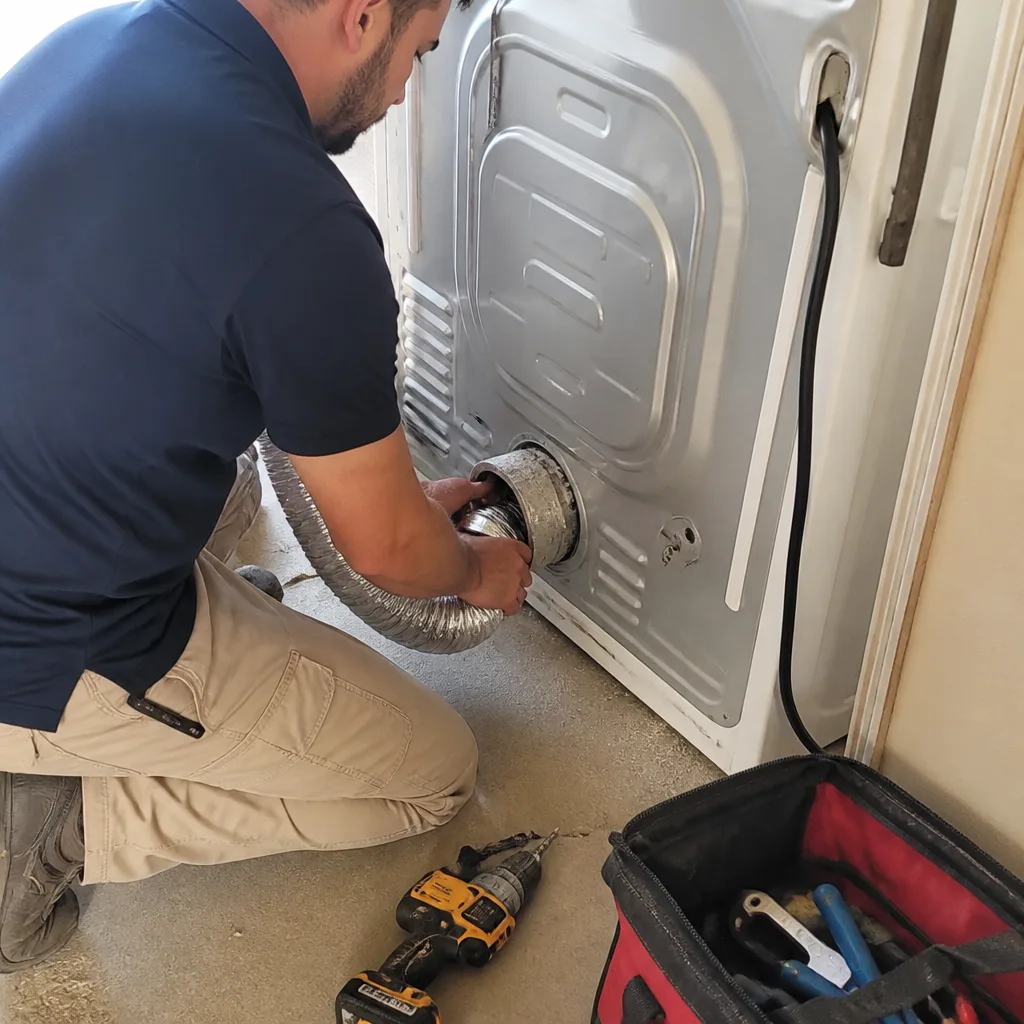
If you want to know what’s actually inside your duct system – not what a technician thinks is probably there – a camera inspection is the only way to find out. CleanRun serves Fort Worth homeowners from Wedgwood to Fossil Creek, Fairmount to the Alliance corridor, with the same process on every job: camera first, written price second, documented photo record at the end.
Call (817) 520-8797 to schedule your video inspection. A live person answers every call. You’ll have a written price before anyone arrives, and the footage before any scope is agreed to. That’s the whole point of starting with a camera.
Written by Tomas Reyes, Owner at CleanRun Air Duct Cleaning Fort Worth, serving Fort Worth since 2013.