
Last updated September 23, 2026
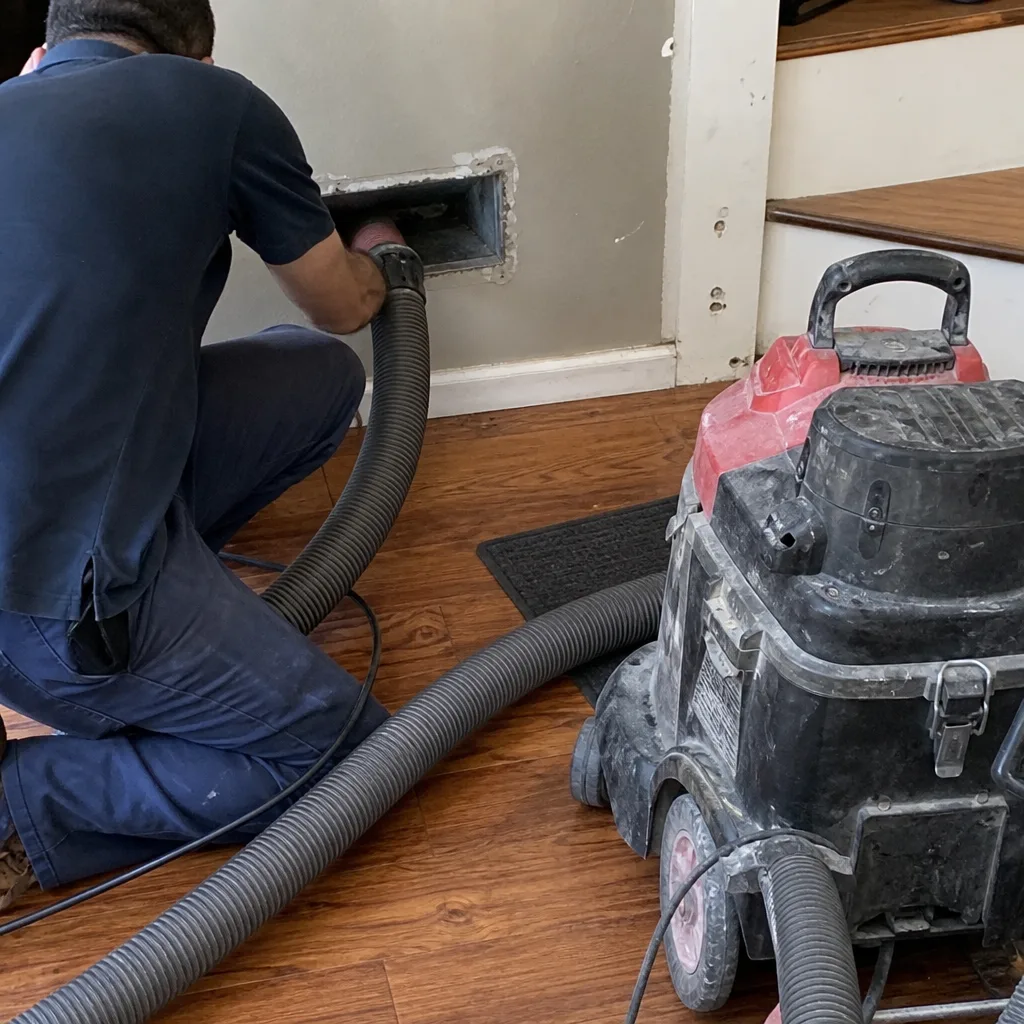
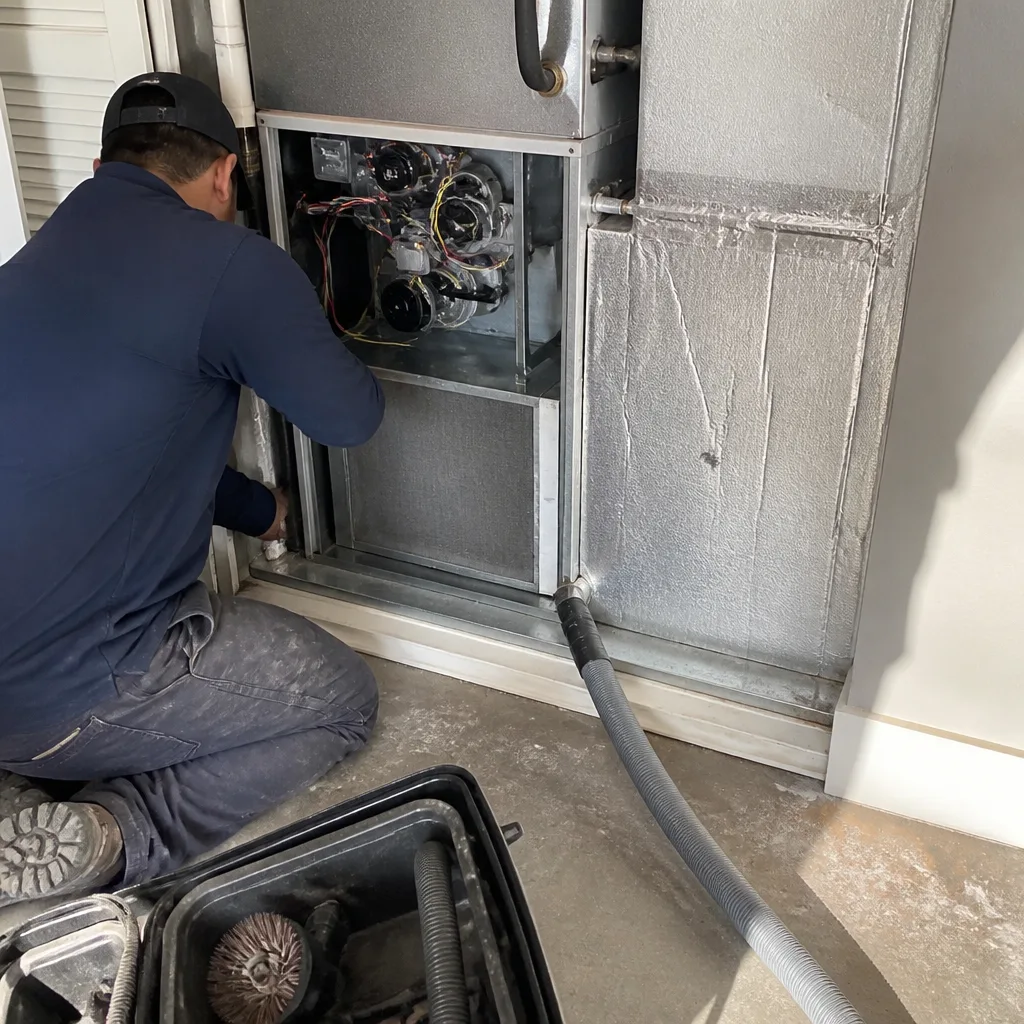
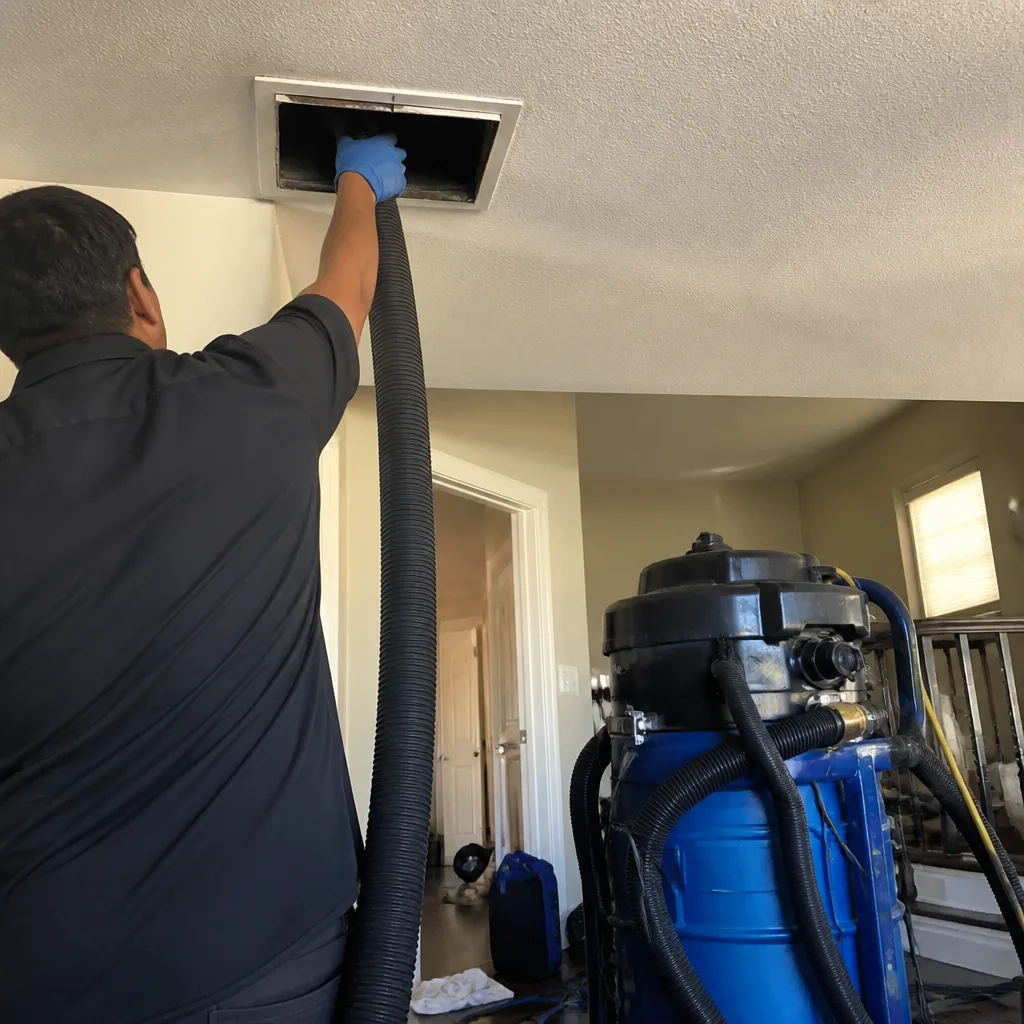
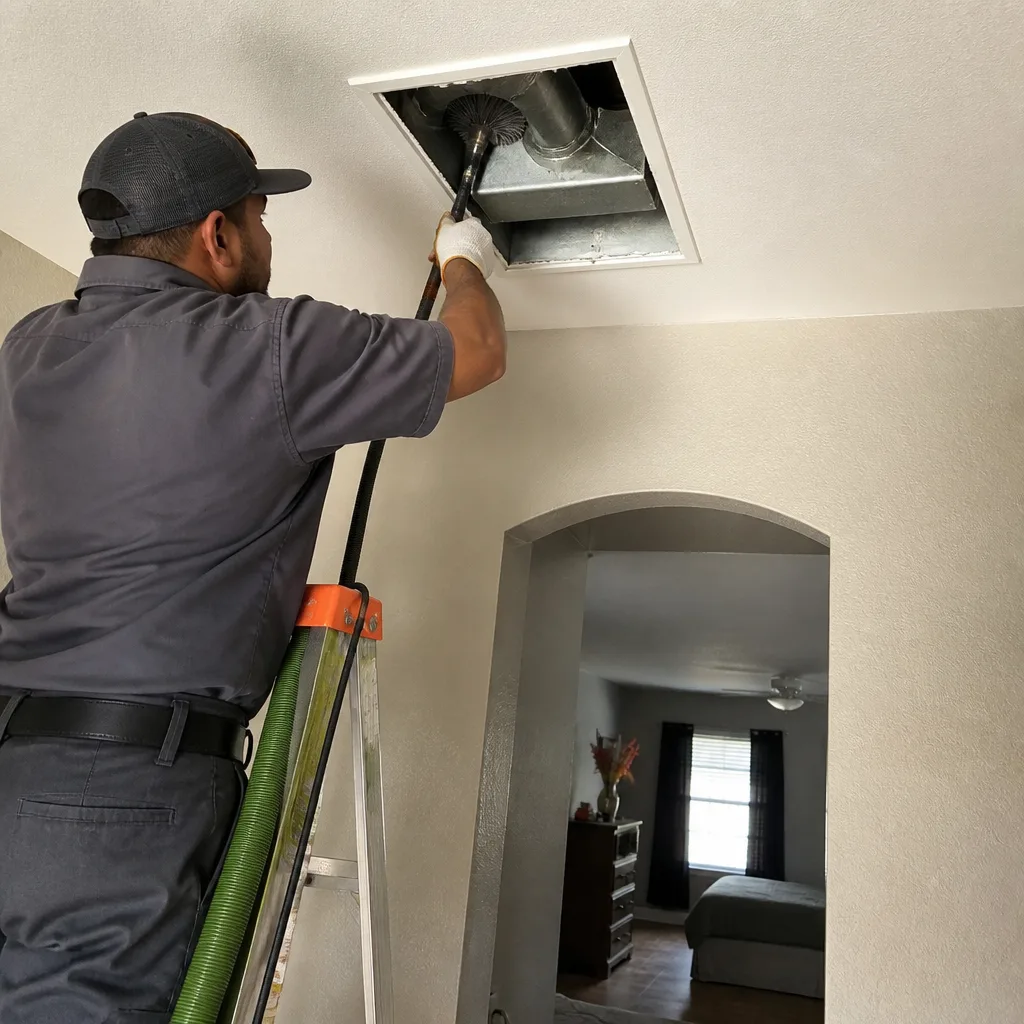
Whole-system duct and dryer vent check with before-and-after photos - you see exactly what came out of your vents
That "$99 whole-house special" is a bait ad - the real number appears once they are in your hallway, or the "clean" is a shop-vac at the register. We photograph the inside of your ducts before and after instead.
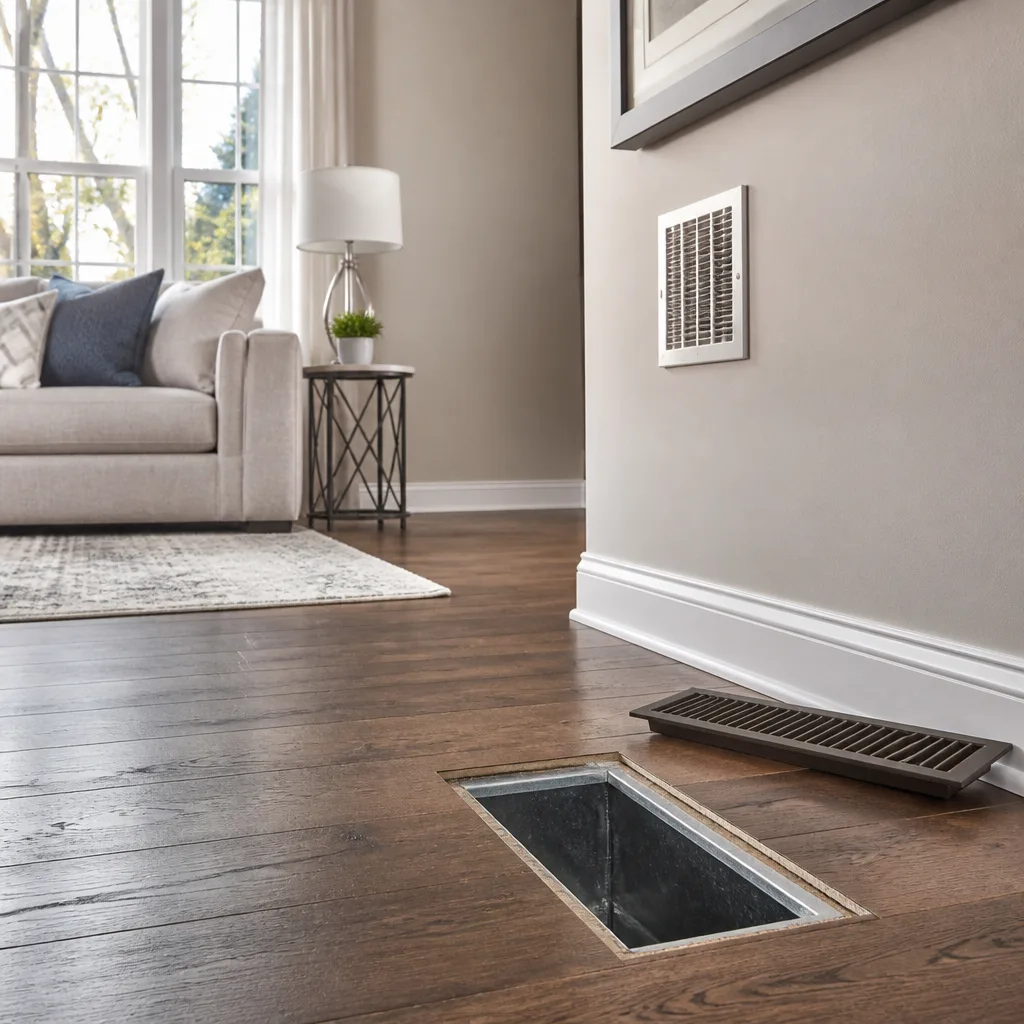
 Before
 After
After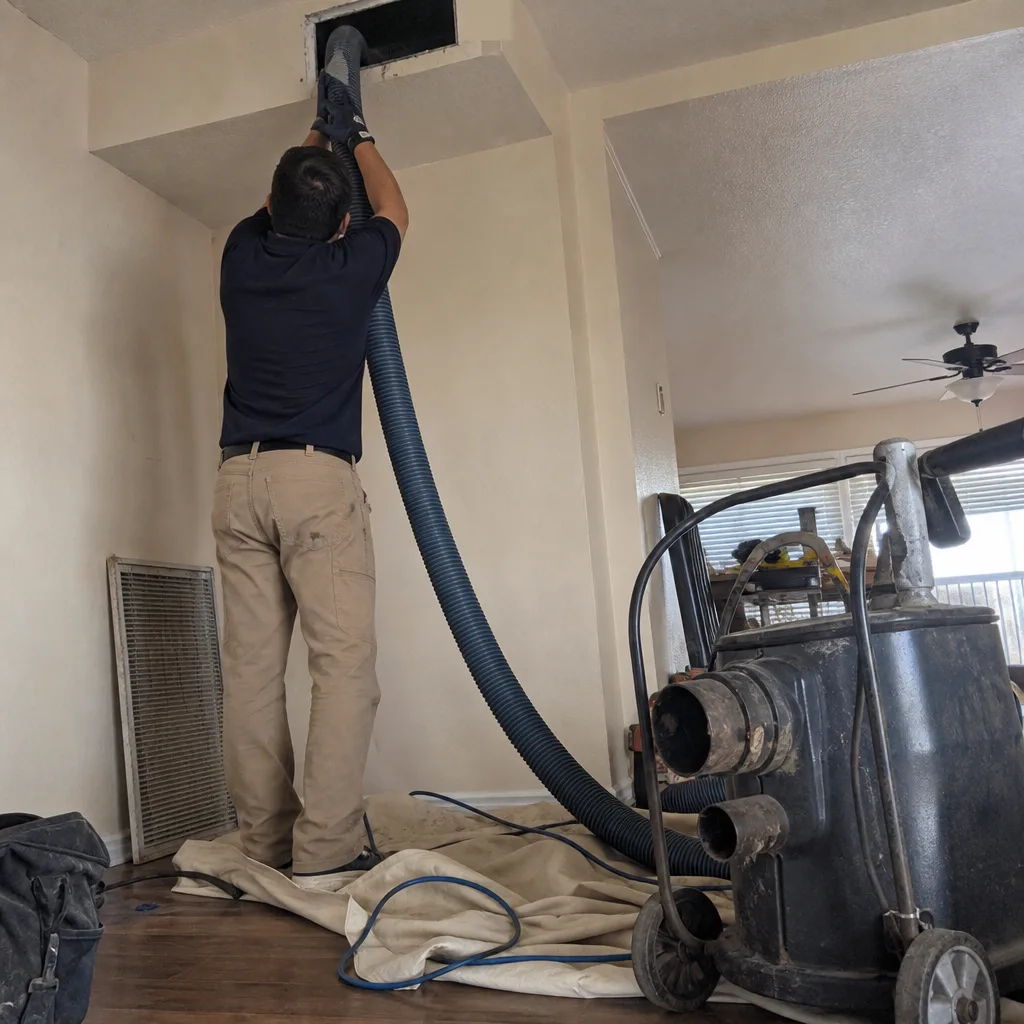 Before
 After
After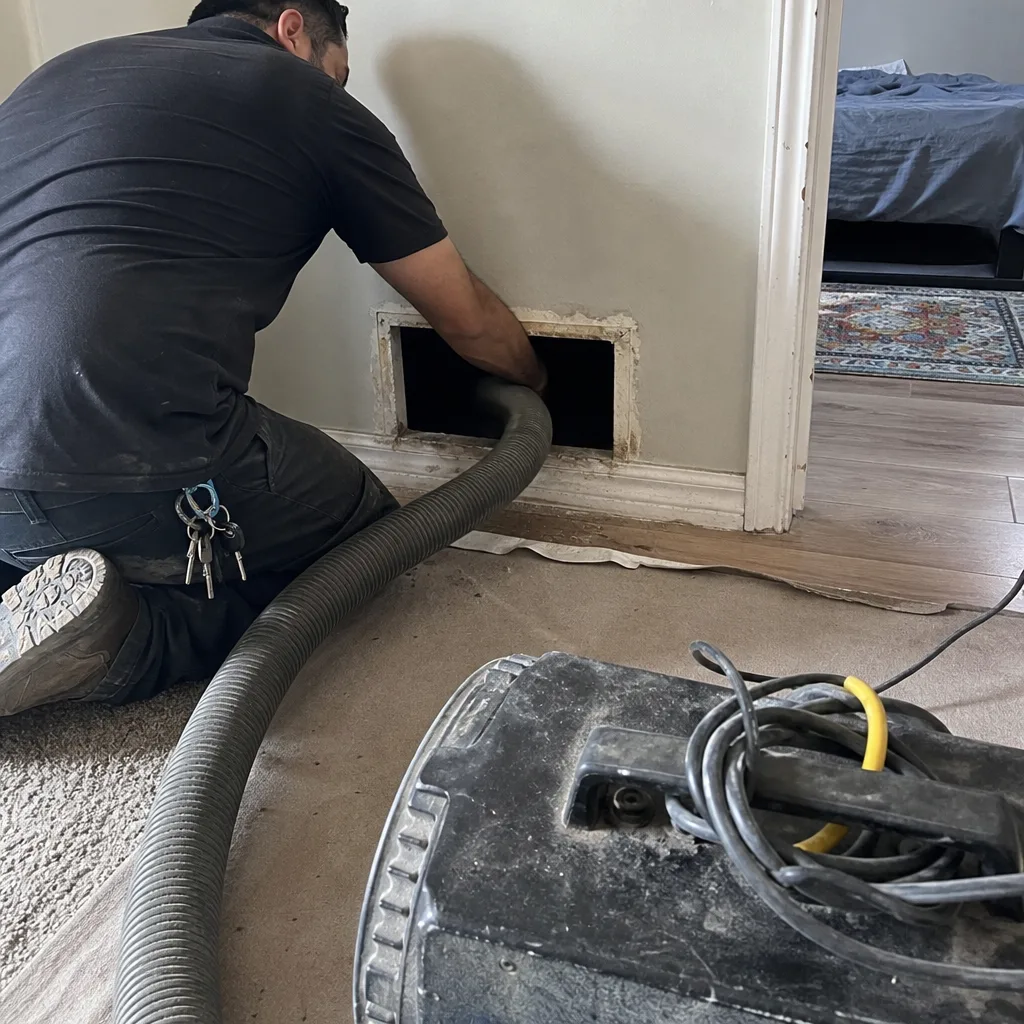 Before
 After
AfterAir Duct Cleaning Cost Breakdown: The Fort Worth Homeowner’s Reference for 2026
The $79 duct cleaning coupon that lands in Fort Worth mailboxes every spring isn’t a discount. It’s a price engineered to lose money on purpose, designed to get a technician through your door so the real selling can begin. We’ve been cleaning ducts in Fort Worth since 2013, and we’ve never once seen a legitimate, complete cleaning performed at that price without the homeowner paying substantially more before the crew left. This guide breaks down what Air Duct Cleaning actually costs when priced honestly, what drives the real numbers up or down, and how to tell a genuine quote from a fishing expedition.
Quick Answer
In Fort Worth, a legitimate whole-system air duct cleaning for a typical 2,000-square-foot home with one HVAC system costs between $350 and $650 in 2026. This assumes truck-mounted negative-pressure extraction, full supply and return run cleaning, and a documented photo record of every duct. Quotes below $300 for comparable scope should prompt detailed questions about equipment type, labor hours included, and whether the price is binding or subject to on-site revision.
Table of Contents
- What Legitimate Duct Cleaning Costs in Fort Worth
- Why the $79 Coupon Model Fails
- Cost Components That Make Up Your Quote
- Whole-System vs. Per-Vent Pricing
- Add-On Services: Worth Considering and Ones to Question
- Fort Worth Climate and Home Age Factors
- What the 365-Day Promise Covers Financially
- How to Verify Work Was Actually Done
BeforeAfterWhat Legitimate Duct Cleaning Costs in Fort Worth
A Fort Worth home with 2,000 square feet, a single HVAC system, and roughly 20 supply and return vents has a legitimate duct cleaning cost range of $350-$650 when performed to NADCA standards with truck-mounted equipment. Any quote substantially below that range deserves a line-item explanation of what’s being left out.
Here’s what honest pricing looks like across common Fort Worth home profiles in 2026:
| Home Profile | System Count | Typical Vent Count | 2026 Cost Range |
|---|---|---|---|
| 1,200 sq ft starter home (Berkeley, Mistletoe Heights) | 1 | 12-16 | $280-$450 |
| 2,000 sq ft single-family (Tanglewood, Wedgwood) | 1 | 18-24 | $350-$650 |
| 3,500 sq ft newer build ( Walsh, Viridian, Alliance) | 1 | 28-36 | $550-$850 |
| 3,500 sq ft with dual systems (Westover Hills, Rivercrest) | 2 | 32-44 | $800-$1,200 |
| Two-system home, complex access (older Fairmount, Ryan Place) | 2 | 30-40 | $900-$1,400 |
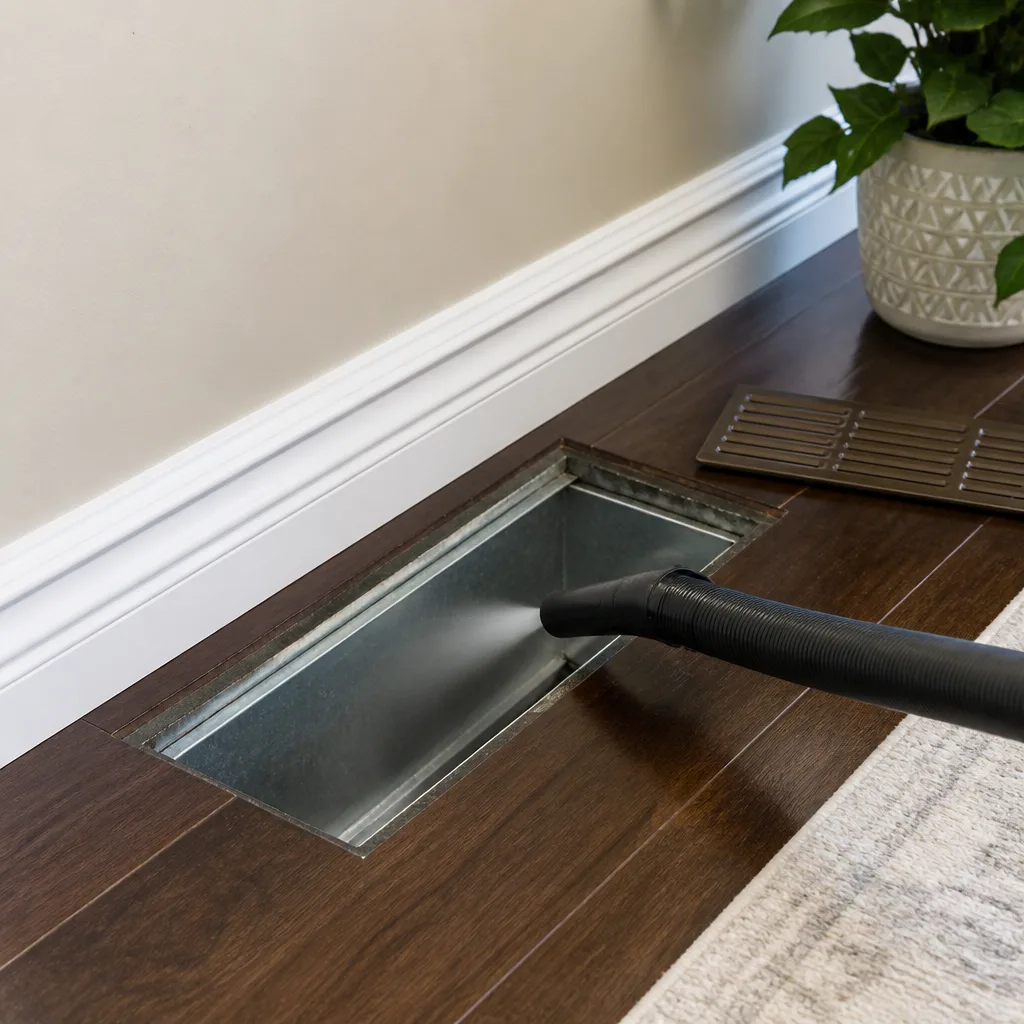
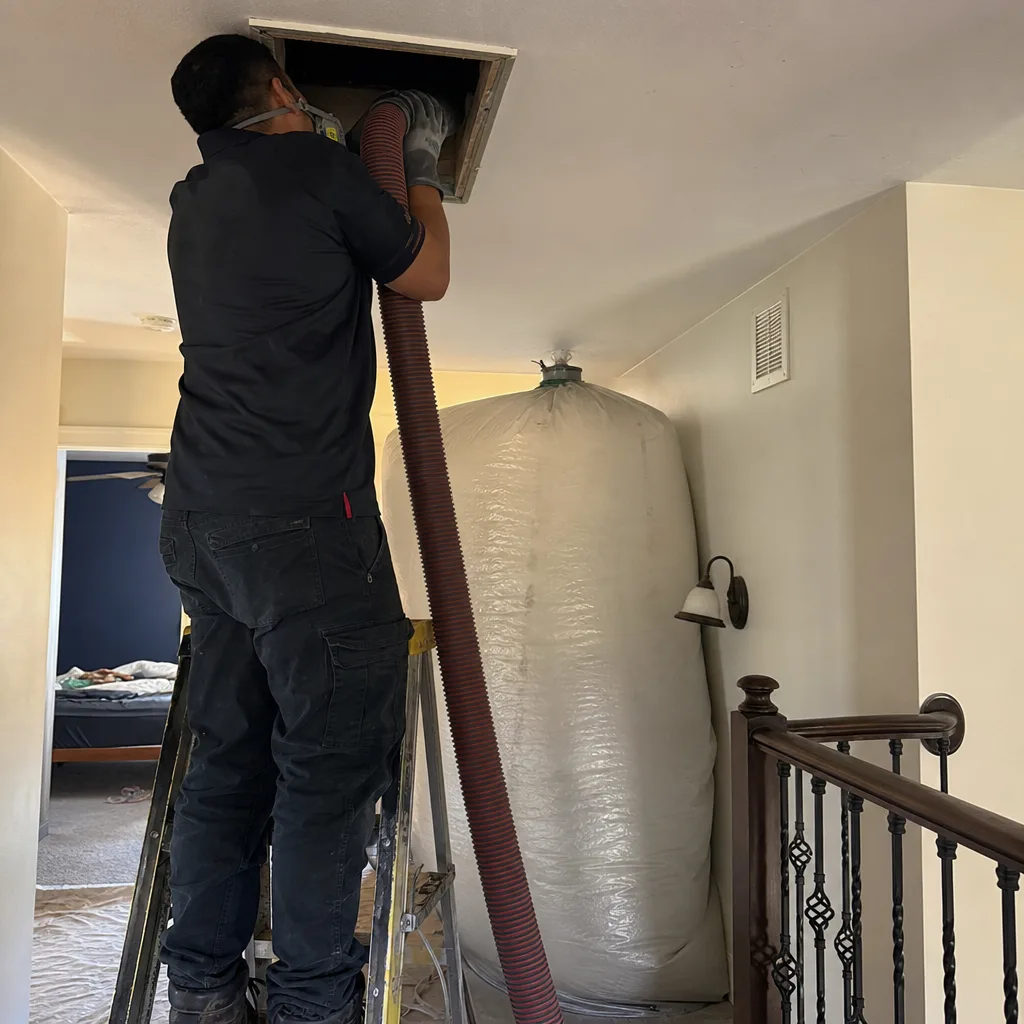
These ranges assume standard access, no major repairs needed, and truck-mounted negative-pressure extraction (the large vacuum unit stays outside, connected to your ductwork through sealed access points). Portable units, which some operators bring inside on a dolly, cost less to deploy but move significantly less air volume. We use Rotobrush and Abatement Technologies truck-mounted systems on Fort Worth jobs where access allows, and specify portable equipment only when crawlspace or attic constraints require it, with the customer informed in writing beforehand.
Fort Worth’s 2023-2024 building boom in far north neighborhoods like Fossil Creek and Heritage produced thousands of homes with flex duct runs in unconditioned attics. These installations heat up to 140°F in July and can accelerate particulate settling in the first 10 feet from the plenum (the main distribution box where your furnace connects to the duct network). Homes in these areas often need 15-25% more labor time for equivalent results, which honest estimators build into the upfront price rather than discovering it on-site.
Why the $79 Coupon Model Fails
The math is straightforward once you see it. A two-person crew with a truck-mounted system, proper insurance, background-checked wages, and equipment maintenance costs roughly $180-$240 per hour to field. A complete residential cleaning takes 2.5 to 4 hours for a typical Fort Worth home. At $79 total, the operator loses $400-$900 before counting fuel, marketing, or profit.
This isn’t charity. The $79 price is a customer acquisition cost, not a service price. The business model depends on three revenue events:
- The upsell at the door. The technician “discovers” mold, dangerous buildup, or “blocked” runs that weren’t included. The $79 becomes $400-$800 before work starts.
- The per-vent count inflation. A home with 18 actual vents is counted as 24. At $15-$25 per vent, the price doubles.
- The equipment demonstration. The technician shows a frightening photo from a different home, implies it came from your ducts, and recommends immediate sanitizer fogging or UV installation.
We’ve responded to dozens of Fort Worth homes where a $79 coupon visit concluded with a $900 invoice and no documentation of what was actually done. Haven Standard Clause 1 exists specifically to prevent this: the written price, delivered before any work starts, is the price. No exceptions. No discoveries. If we find something unexpected - a disconnected duct run in a Fort Worth attic, a failed seal at the plenum - we photograph it, explain it, and provide a separate written price for that repair. The customer decides before any additional work proceeds.
The $79 coupon also predicts what equipment won’t be used. Truck-mounted systems require a dedicated vehicle, significant fuel consumption, and trained operators. At $79, you’re getting a portable vacuum and a brush on a cable, run for 45 minutes, with no sealed access points and no negative-pressure containment. The debris that gets loosened often ends up in your living space, not the recovery unit.
Cost Components That Make Up Your Quote
Understanding what you’re paying for lets you compare quotes accurately. Here’s how a legitimate Fort Worth duct cleaning estimate breaks down:
Labor hours (40-50% of total cost). Two technicians for 3-4 hours is standard for a 2,000-square-foot home. This includes setup, access point creation, register removal and cleaning, duct run agitation and extraction, plenum inspection, and restoration. In older Fort Worth neighborhoods like Berkeley Place or Ryan Place, homes built before 1980 often have galvanized steel ductwork with rusted access panels or asbestos-containing register boots, adding 30-60 minutes of careful handling.
Equipment type and mobilization (20-30%). Truck-mounted systems from manufacturers like Abatement Technologies or Nikro cost $25,000-$45,000, require dedicated vehicles, and move 5,000+ CFM (cubic feet per minute) of air. Portable units cost $2,000-$8,000 and move 500-1,500 CFM. The difference matters: lower airflow means more passes, longer job times, and less complete debris removal. We specify equipment type in every written quote.
Number of supply and return runs (15-20%). Each duct run - the individual pathway from plenum to register - requires separate access, agitation, and extraction. A typical Fort Worth home has 8-12 supply runs and 2-4 return runs per system. More runs, more time.
Access difficulty (5-15% variance). Crawlspace ductwork in pier-and-beam homes common in Fairmount and the Near Southside requires additional protective equipment and confined-space protocols. Attic systems in two-story homes with tight scuttle holes add setup time. We photograph access conditions during estimation and note any difficulty premium in writing.
Disposal and documentation (5-10%). NADCA standards require proper debris disposal and job documentation. Our Documented Photo Record - before and after images of every duct run, delivered as part of the standard job record - requires additional technician time but eliminates any question about whether work was performed.
Whole-System vs. Per-Vent Pricing
Per-vent pricing sounds transparent. It isn’t. Here’s why we price whole-system and recommend you view per-vent quotes with skepticism.
The per-vent model creates three distortions:
- Incentive to overcount. A single duct run with two supply registers becomes two vents. A return plenum with a central grille and two satellite returns becomes three. We’ve seen 18-vent homes quoted as 26-vent jobs.
- Incentive to underwork. At $15/vent with 20 vents ($300 total), the operator has 90 minutes to complete the job profitably. That’s insufficient for proper access, agitation, and extraction. Corners get cut on the runs you can’t see.
- Opaque scope. “Per vent” rarely specifies whether returns are included, whether the plenum is cleaned, whether register boots are addressed, or whether the job includes before-and-after documentation.
Whole-system pricing, by contrast, defines the complete scope: all supply runs, all return runs, plenum access and inspection, register removal and cleaning, and documented photo record of every component. The price doesn’t change if we find 22 vents instead of 20. It doesn’t change if one run takes 20 minutes instead of 10 because of an elbow obstruction. The risk of miscalculation sits with us, not with the customer’s vent count.
Our written quotes specify: “Complete cleaning of [X] supply runs and [Y] return runs, plenum inspection, register service, and Documented Photo Record.” The number is derived from physical inspection or detailed home information, not from a phone guess followed by on-site revision.
Add-On Services: Worth Considering and Ones to Question
The $79 coupon visit typically culminates in an add-on presentation. Some add-ons address real conditions. Others exploit momentary anxiety. Here’s our assessment of the most common:
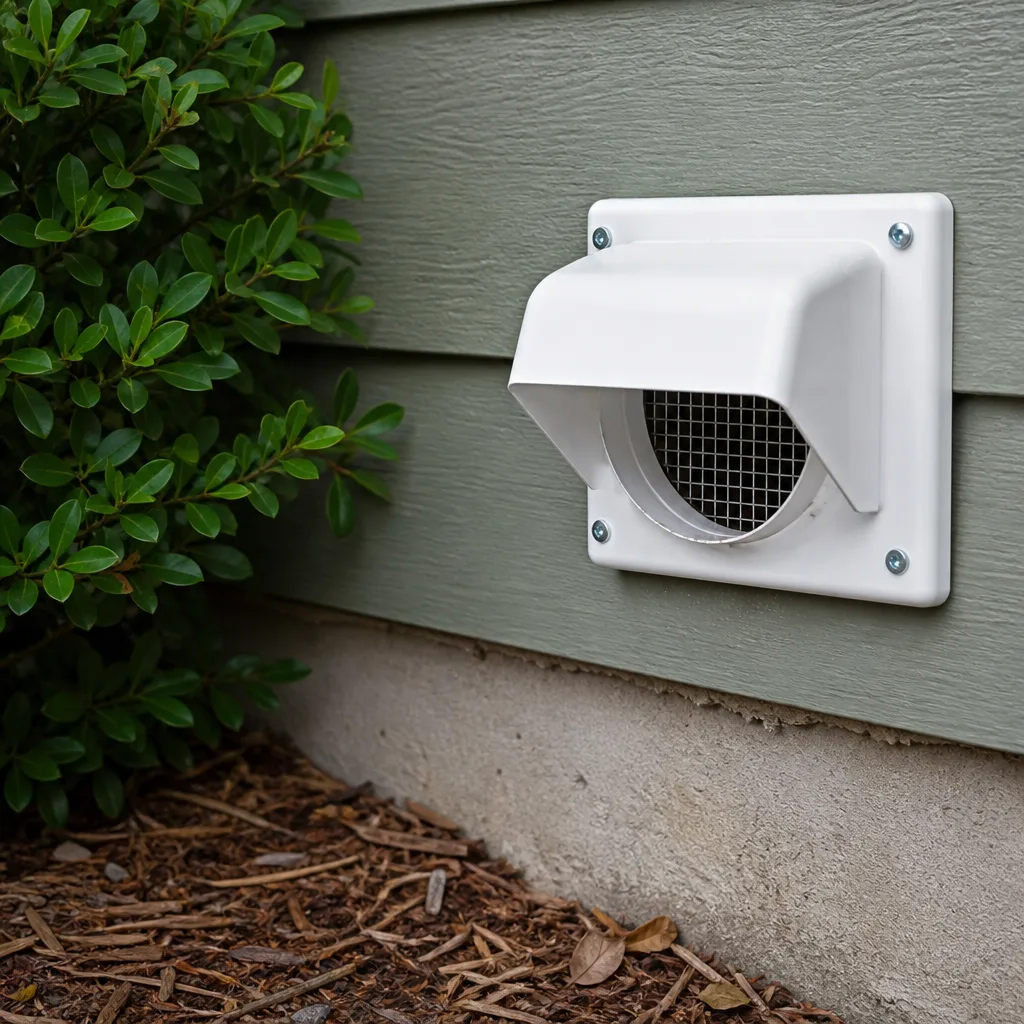
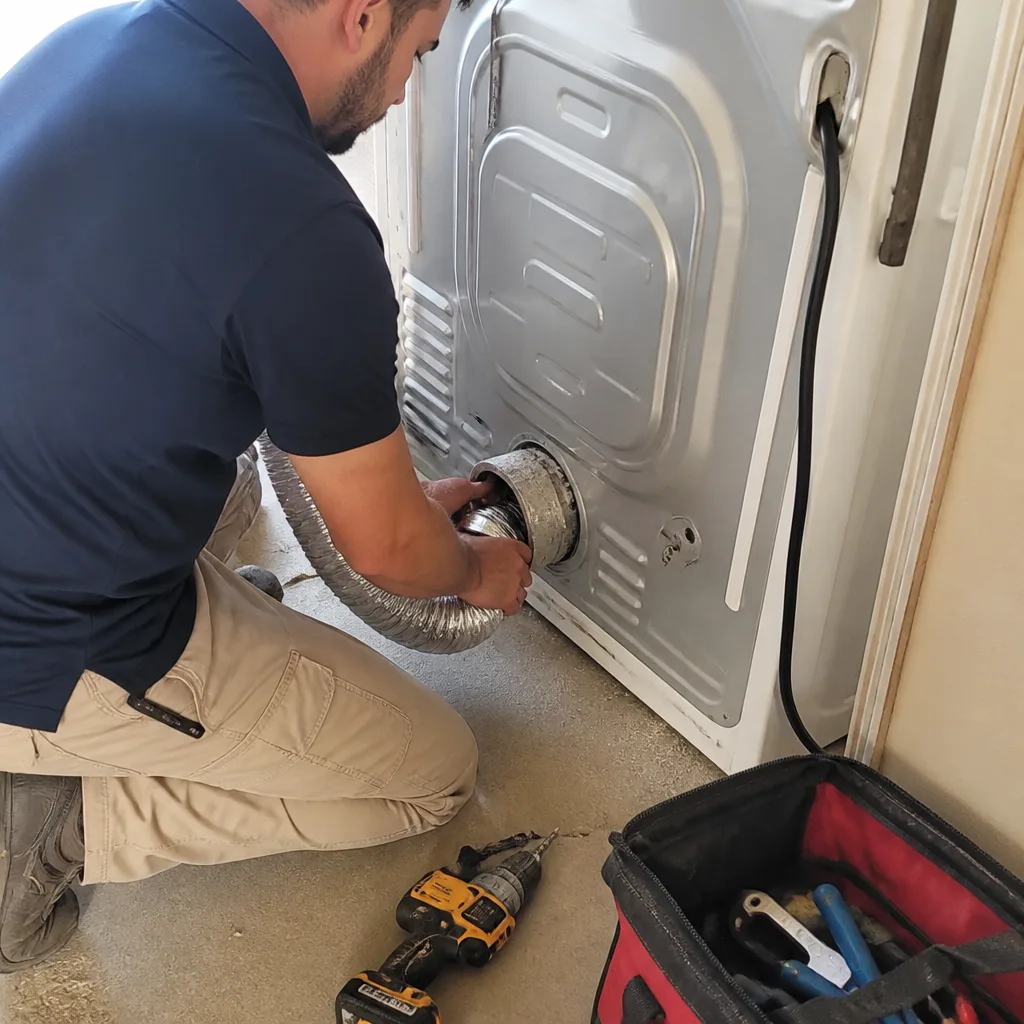
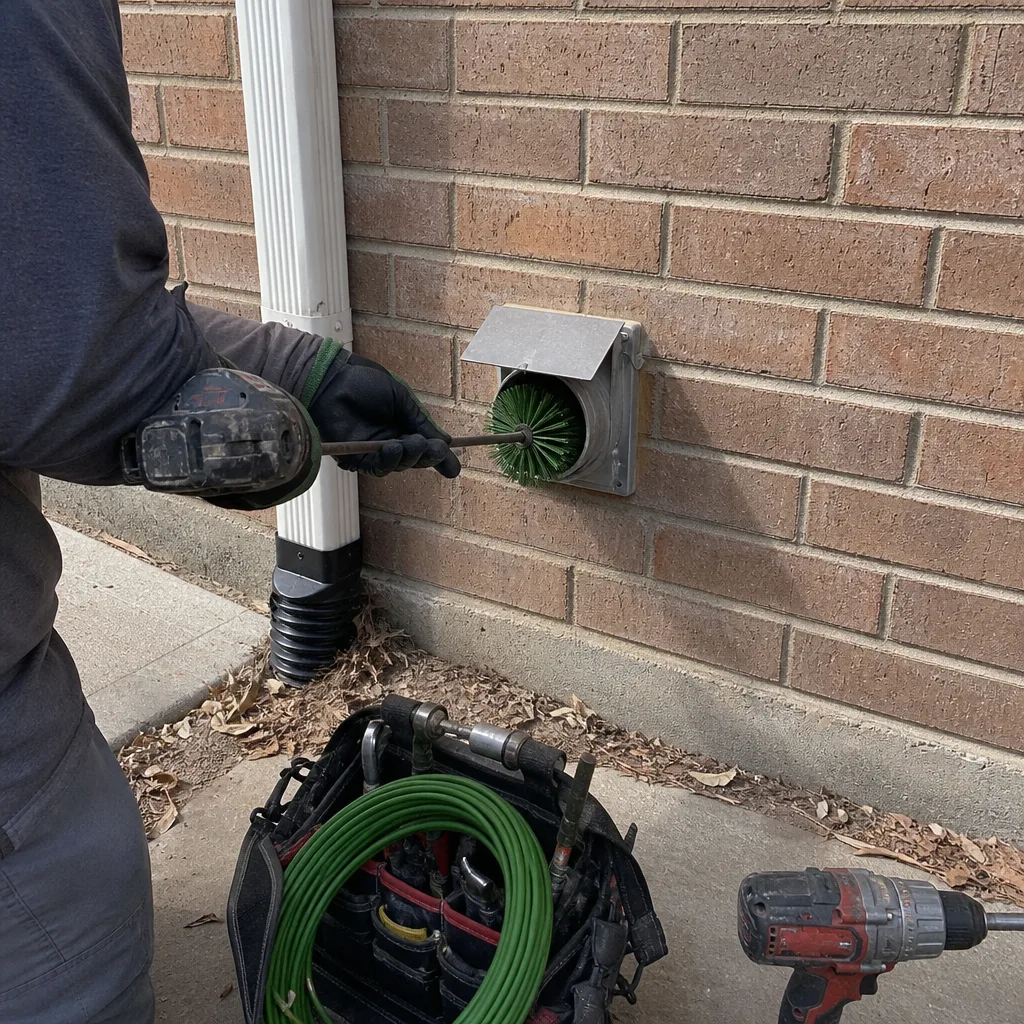
Dryer vent cleaning ($120-$200 standalone; $80-$150 when bundled). Worthwhile when actually needed. Lint accumulation in the dryer vent (the exhaust duct running from your dryer to exterior termination) is a genuine fire hazard - 2,900 home fires annually per U.S. Fire Administration data. But it’s a separate system from your HVAC ducts, with separate access points and equipment requirements. We offer it as a distinct service with its own scope and price, not as a surprise discovery. Dryer vent cleaning in Fort Worth is particularly relevant for homes with long horizontal runs through slab foundations, common in 1960s-1980s construction in Wedgwood and Western Hills.
Sanitizer fogging ($150-$300). Genuinely warranted in specific circumstances: visible microbial growth confirmed by lab analysis, water intrusion events with documented contamination, or immunocompromised occupants with physician recommendation. Not warranted as routine prophylaxis. The EPA registers sanitizers for specific uses; “fogging for freshness” isn’t one. We apply Guardsman-registered products only where microbial contamination is confirmed, with pre- and post-treatment photo documentation.
UV-C light installation ($400-$800). Effective at preventing microbial growth on wet evaporator coils when properly sized, installed, and maintained. Ineffective at sterilizing moving air (insufficient dwell time). Often oversold as “whole-home air purification.” We install Honeywell and Aprilaire UV systems only after coil condition assessment, with written performance expectations.
Duct sealing ($300-$1,200 depending on method). Legitimate need in many Fort Worth homes, particularly those with flex duct in hot attics where tape adhesives degrade. We use aerosol-based duct sealing or manual mastic application depending on access and leakage severity, measured with a duct blaster before and after. Never sold without quantified leakage data.
“Mold” remediation ($500-$3,000+). The most abused upsell. Actual mold in ductwork requires laboratory confirmation, not a flashlight and a frightened expression. We refer suspected cases to independent hygienists, await results, and scope remediation specifically to confirmed contamination. No exceptions.
Fort Worth Climate and Home Age Factors
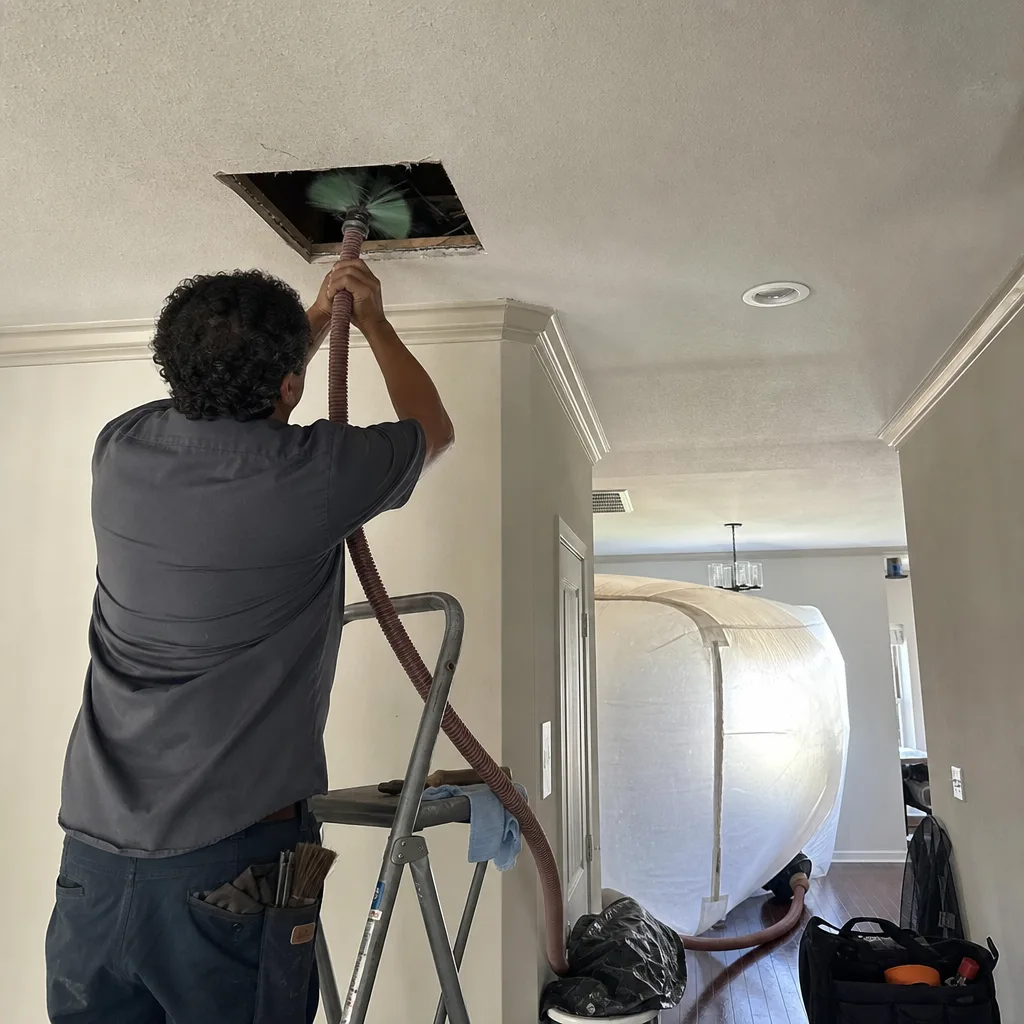
Fort Worth’s climate creates specific duct cleaning considerations that national pricing guides miss.
Caliche soil and foundation movement. The expansive clay soils in Tarrant County shift dramatically with moisture. We’ve found separated duct runs in crawlspaces of 1970s-1990s homes in Arlington Heights and Como, where foundation movement pulled flex duct from plenum connections. Cleaning disconnected ducts deposits debris into the crawlspace or living area. We inspect plenum connections before starting any job in pier-and-beam homes.
Attic temperature extremes. Fort Worth attics reach 130-150°F in July and August. Flex duct in these spaces degrades faster than in milder climates. The inner liner becomes brittle; insulation compresses. We document flex duct condition during cleaning and note replacement needs separately, with photographic evidence.
Wind-borne particulate. Spring storms and construction activity in growing areas like Walsh and Alliance stir significant dust. Homes within 2 miles of active construction often show accelerated register buildup. We note environmental context in our photo records so customers can distinguish normal accumulation from abnormal conditions.
Historic home considerations. Homes in Fairmount, Ryan Place, and Mistletoe Heights built before 1950 may have original ductwork added during later HVAC retrofit, often with creative routing through walls and closets. These systems require careful access planning and may need register boot modification to achieve proper cleaning access. We assess this during estimation and note any structural constraints in writing.
Code and permit context. Fort Worth follows the 2021 International Mechanical Code with local amendments. Duct modifications, replacements, and certain repairs require permits and inspection. Cleaning alone does not. See our guide to Air Duct Cleaning Permits, Codes & Inspections in TX: What You Need to Know for details. We maintain current licensing and carry documentation for any job where repair work triggers permit requirements.
What the 365-Day Promise Covers Financially
The 365-Day Done Right Promise changes the risk calculation of hiring a lower-priced competitor. Here’s what it means in specific financial terms.
If our work is not right, we make it right. This is a written guarantee on every job, not a policy subject to manager discretion. Specific triggers include:
- Visible debris remaining in any duct run documented in the before-and-after photo record. We return and re-clean at no charge.
- Register or boot damage occurring during service. We repair or replace.
- HVAC performance degradation traceable to our cleaning process. We diagnose and correct.
- Customer dissatisfaction with any aspect of documented scope. We revisit and resolve.
The financial exposure for a typical Fort Worth home: $350-$650 for initial service, plus $200-$400 in return trip costs if we need to correct. We carry this risk; the customer does not. A competitor without equivalent guarantee transfers all post-service risk to the homeowner. If the $350 job leaves debris in 4 runs, the homeowner pays again or lives with it.
Haven Standard Clause 6 - the 365-Day Done Right Promise - is backed by our operational record, not marketing aspiration. Since 2013, our return rate for correction visits is below 2%, and each instance is documented with cause analysis and process adjustment.
The promise also covers what we don’t do: we don’t charge for return trips caused by our error, we don’t require the customer to prove fault, and we don’t limit the guarantee to “material defects” while excluding labor. The entire job is guaranteed.
How to Verify Work Was Actually Done
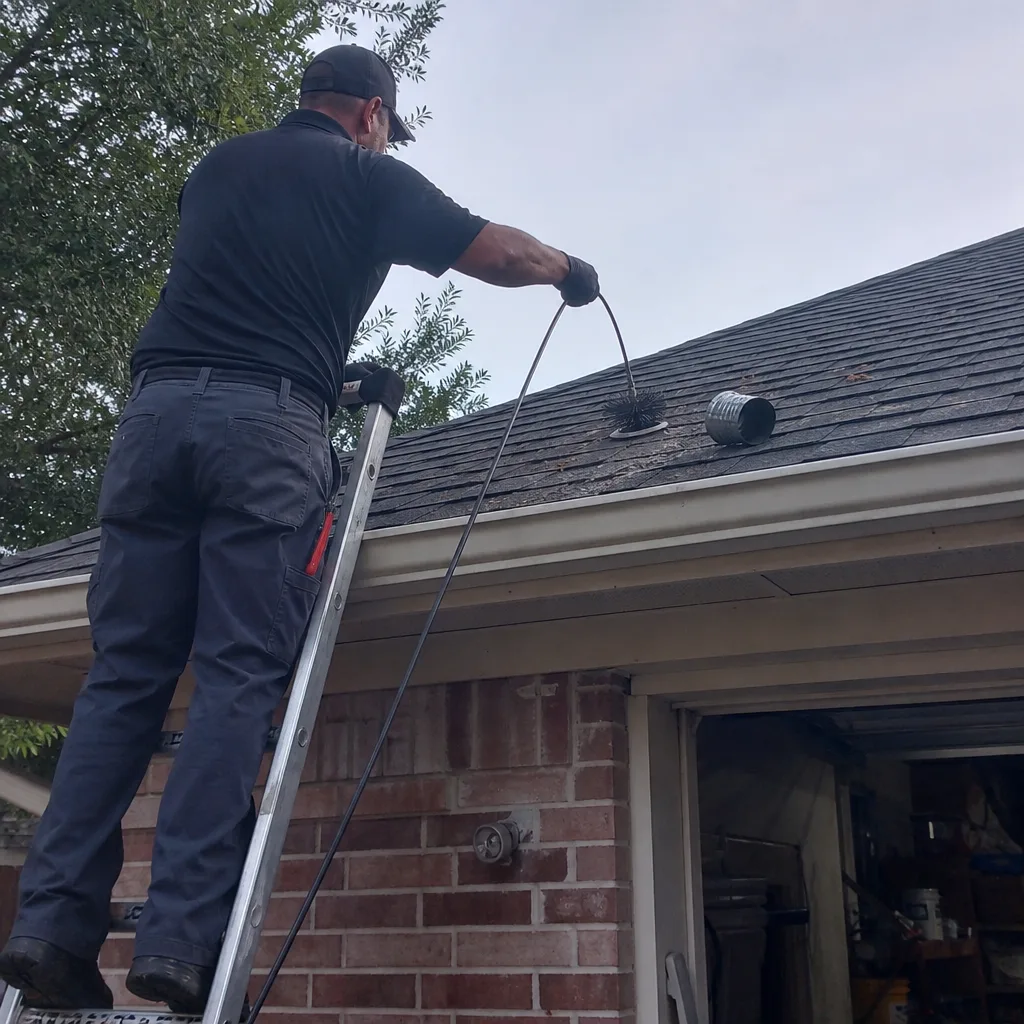
The duct cleaning industry’s fundamental trust problem is that customers can’t see inside their own ductwork. We’ve addressed this since our first job in 2013 with systematic documentation. For Air Duct Cleaning Maintenance Checklist for Fort Worth Homeowners and other resources, see our blog. Here’s what to demand from any provider, and what we deliver as standard:
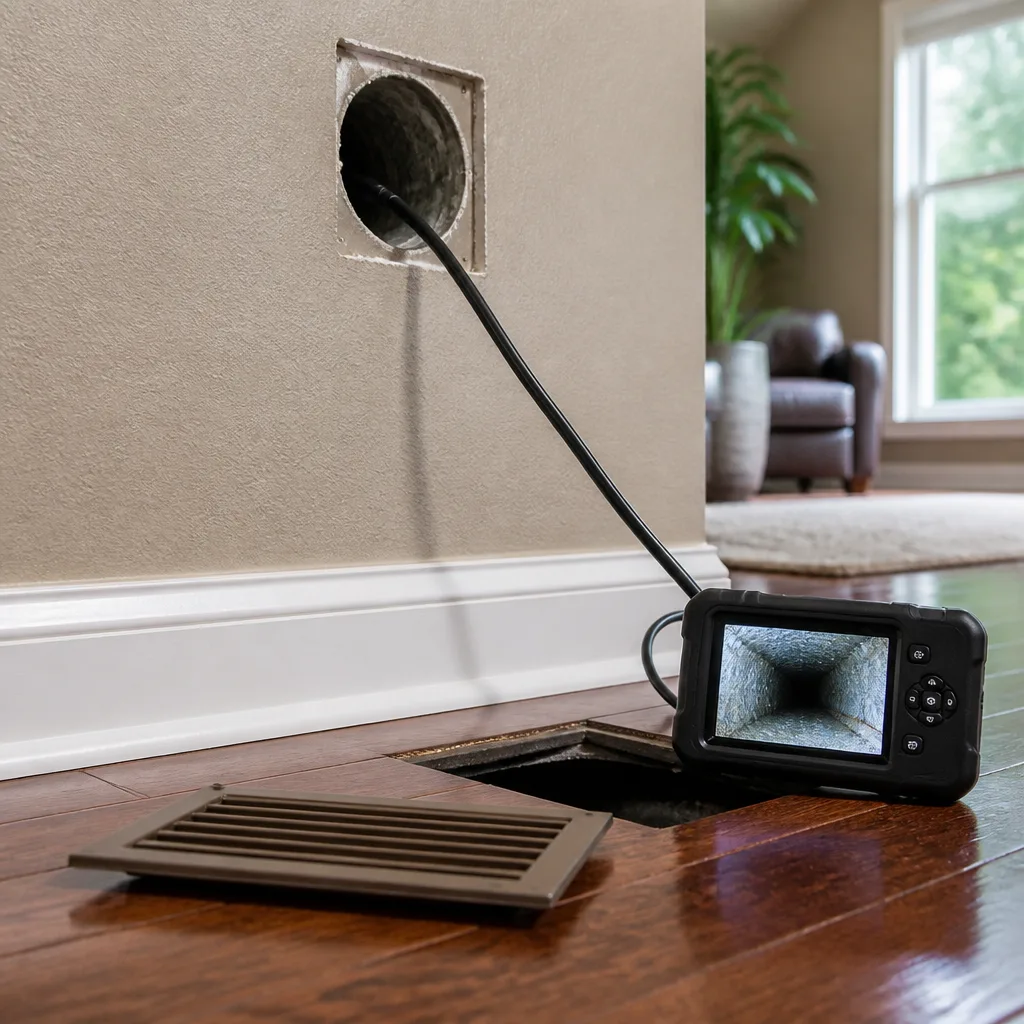
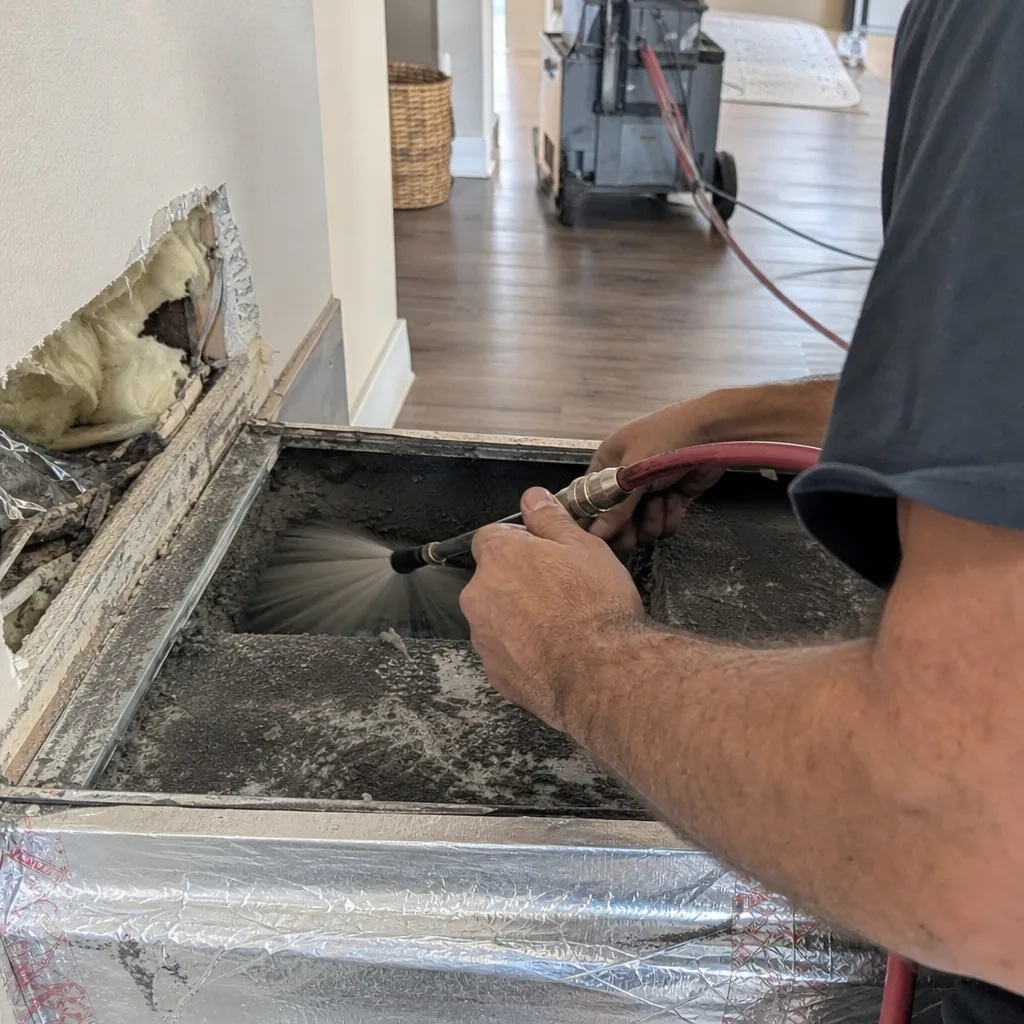
- Before-and-after photography of every duct run. Not a representative sample. Every run. Our technicians use borescope cameras to capture the interior of each supply and return pathway before agitation and after extraction. Images are timestamped and delivered as part of the job record.
- Written scope matching the quote. The document delivered before work starts lists every component to be cleaned. The completion record confirms each was addressed, with technician initials.
- Debris recovery documentation. Truck-mounted systems collect debris in a recovery container. We photograph recovered material as verification of extraction volume, particularly on jobs with heavy accumulation.
- Equipment verification. The brands specified in your quote - Rotobrush, Nikro, Abatement Technologies - should be the brands on the truck. Customers can verify manufacturer specifications independently. We welcome this.
- Post-service airflow measurement. Where accessible, we measure static pressure or airflow at selected registers before and after cleaning, documenting performance change. This is particularly relevant for Fort Worth homes with suspected blockage or restriction.
Without this documentation, you’re trusting a stranger’s word about invisible spaces. The CleanRun Air Duct Cleaning Fort Worth home page includes sample documentation packages so prospective customers understand what they’ll receive before calling.
Common Mistakes to Avoid
- Accepting a phone quote without home-specific information. Vent count, system age, access type, and home size all affect price. A quote given without these details will be revised upward on arrival. We provide written estimates only after gathering sufficient information, never “ballpark” figures that change later.
- Ignoring equipment type. “Truck-mounted” and “portable” are not interchangeable. Ask specifically which will be used, and verify manufacturer. We specify this in every written quote.
- Paying for “mold” without lab confirmation. Dark staining in ducts is often dust, not mold. Independent laboratory analysis costs $50-$150 and prevents unnecessary remediation. We never diagnose mold visually.
- Scheduling during peak pollen season without preparation. Fort Worth’s mountain cedar season (December-February) and spring oak season (March-May) produce heavy outdoor particulate. Cleaning during these periods without subsequent filter upgrade may yield shorter-lasting results. We note seasonal context in our recommendations.
- Neglecting the return side. Some operators clean only supply runs (the ducts pushing conditioned air to rooms) and skip returns (the ducts pulling air back to the system). Returns often contain more debris. Our scope always includes both, specified in writing.
- Failing to verify licensing and insurance. Texas requires no specific duct cleaning license, but legitimate operators carry general liability, workers compensation, and appropriate business registration. We publish our credentials and welcome verification.
- Choosing price without documentation commitment. The lowest quote with no photo record, no written scope, and no guarantee exposes you to significant downside. Documented work from a accountable provider often costs less over a 5-year horizon than repeated cut-rate cleanings.
When to Call a Professional
Schedule a professional assessment when you notice persistent dust accumulation on registers shortly after cleaning, visible debris expelled when the system cycles, uneven heating or cooling across rooms, or musty odors that intensify when the blower runs. In Fort Worth’s older neighborhoods, homes with original ductwork from the 1970s or earlier should be evaluated for leakage and degradation even if cleaning isn’t immediately needed. HVAC cleaning in Fort Worth addresses the full system including coils and blower, which duct cleaning alone does not.
CleanRun Air Duct Cleaning Fort Worth offers free estimates in Fort Worth - call (817) 520-8797. Every estimate includes a written, itemized price before any work is proposed, and our Free Second Opinion on any written competitor estimate lets you compare scope and pricing directly. For more guides & resources, visit our blog.
Frequently Asked Questions
A legitimate whole-system cleaning in Fort Worth costs $350-$650 for a typical 2,000-square-foot home with one HVAC system in 2026. Smaller homes or simpler systems may run $280-$450; larger homes or dual-system properties range from $800-$1,400 depending on access complexity and run count. Call (817) 520-8797 for a written estimate specific to your home - estimates are free and include no obligation.
Quotes below $300 for a typical Fort Worth home typically exclude essential components: return duct cleaning, plenum access, register service, or proper equipment. The low price is designed to secure the appointment, with the balance collected through upsells, vent-count inflation, or substandard execution. A written quote with defined scope, equipment specification, and documentation commitment reveals the actual difference. We provide all three on every estimate.
Demand timestamped before-and-after photography of every duct run, not a representative sample. Request debris recovery documentation and written completion confirmation matching your original scope. Our Documented Photo Record, included on every visit since 2013, delivers this as standard. Without it, you’re relying on a stranger’s description of spaces you cannot inspect yourself.
Every 3-5 years for typical Fort Worth homes without special conditions. Homes with indoor pets, recent renovation, smokers, or occupants with respiratory conditions may benefit from 2-3 year intervals. New construction in areas like Walsh or Viridian often needs an initial cleaning at 12-18 months to remove construction particulate that bypassed initial filters. We assess accumulation during service and recommend next service based on actual condition, not calendar alone.
Duct cleaning addresses the distribution network: supply runs, return runs, plenum, and registers. HVAC cleaning includes the mechanical components: evaporator coils, blower assembly, heat exchanger, and condensate system. A complete system service addresses both. We offer each separately or combined, with distinct scopes and pricing, so customers choose based on actual need rather than bundled assumptions.
Yes. The 365-Day Done Right Promise, Haven Standard Clause 6, covers every job in writing. If the work is not right, we make it right at no additional cost. This includes re-cleaning, repair of any service-related damage, and correction of performance issues traceable to our work. The guarantee is not limited to “material defects” and does not require managerial approval to invoke. It’s a written commitment, not a policy subject to interpretation.
The Bottom Line
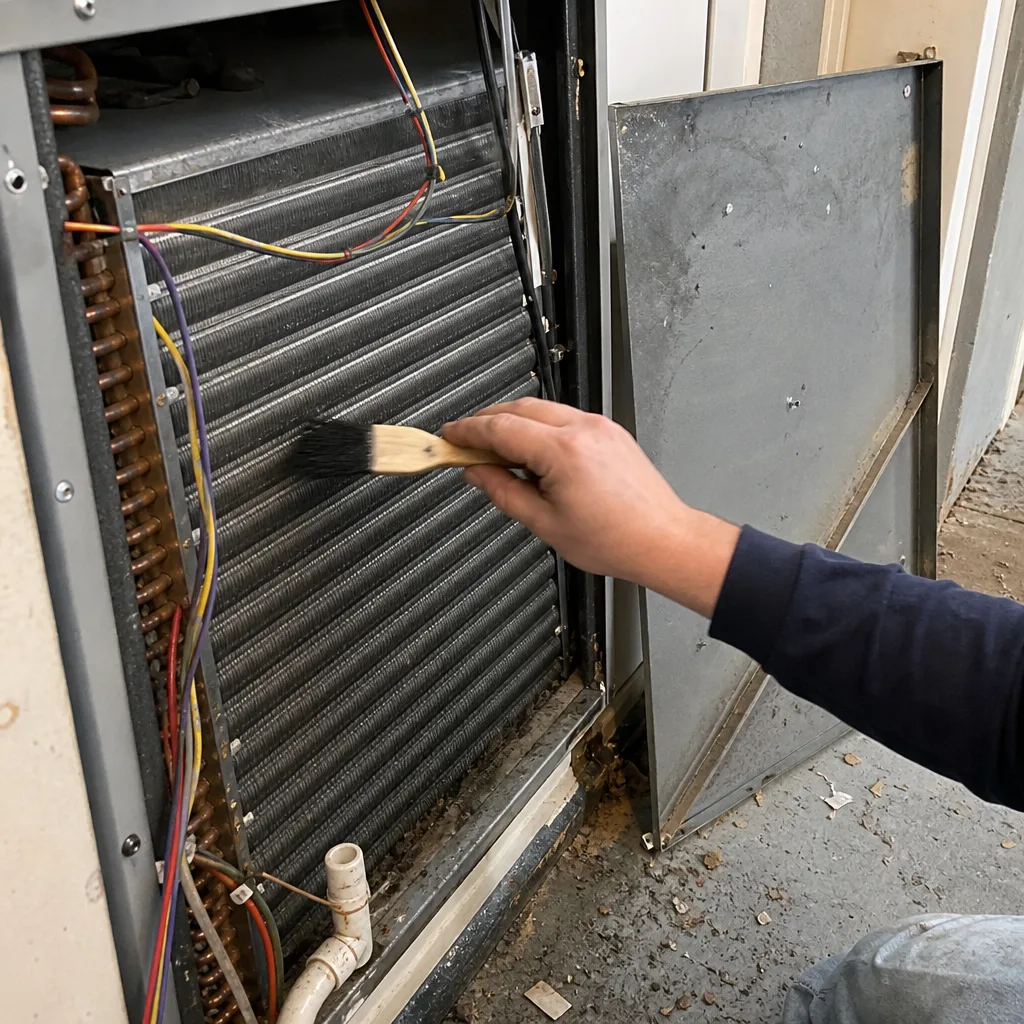
Honest air duct cleaning in Fort Worth costs what it costs because legitimate equipment, trained labor, proper disposal, and accountable documentation have real prices. The $79 coupon isn’t a deal - it’s a business model built on discovering reasons to charge more once you’re committed. Understanding the actual cost components, demanding whole-system pricing with defined scope, and requiring photographic documentation separates genuine providers from fishing expeditions. Since 2013, we’ve served 52,000+ homes with one approach: written price first, documented work always, accountability that outlasts the truck’s departure. The 365-Day Done Right Promise means the price you agree to is the price you pay, and the work you pay for is work you can verify.
Written by Tomas Reyes, Owner at CleanRun Air Duct Cleaning Fort Worth, serving Fort Worth since 2013.