
Last updated September 23, 2026
Whole-system duct and dryer vent check with before-and-after photos - you see exactly what came out of your vents
That "$99 whole-house special" is a bait ad - the real number appears once they are in your hallway, or the "clean" is a shop-vac at the register. We photograph the inside of your ducts before and after instead.
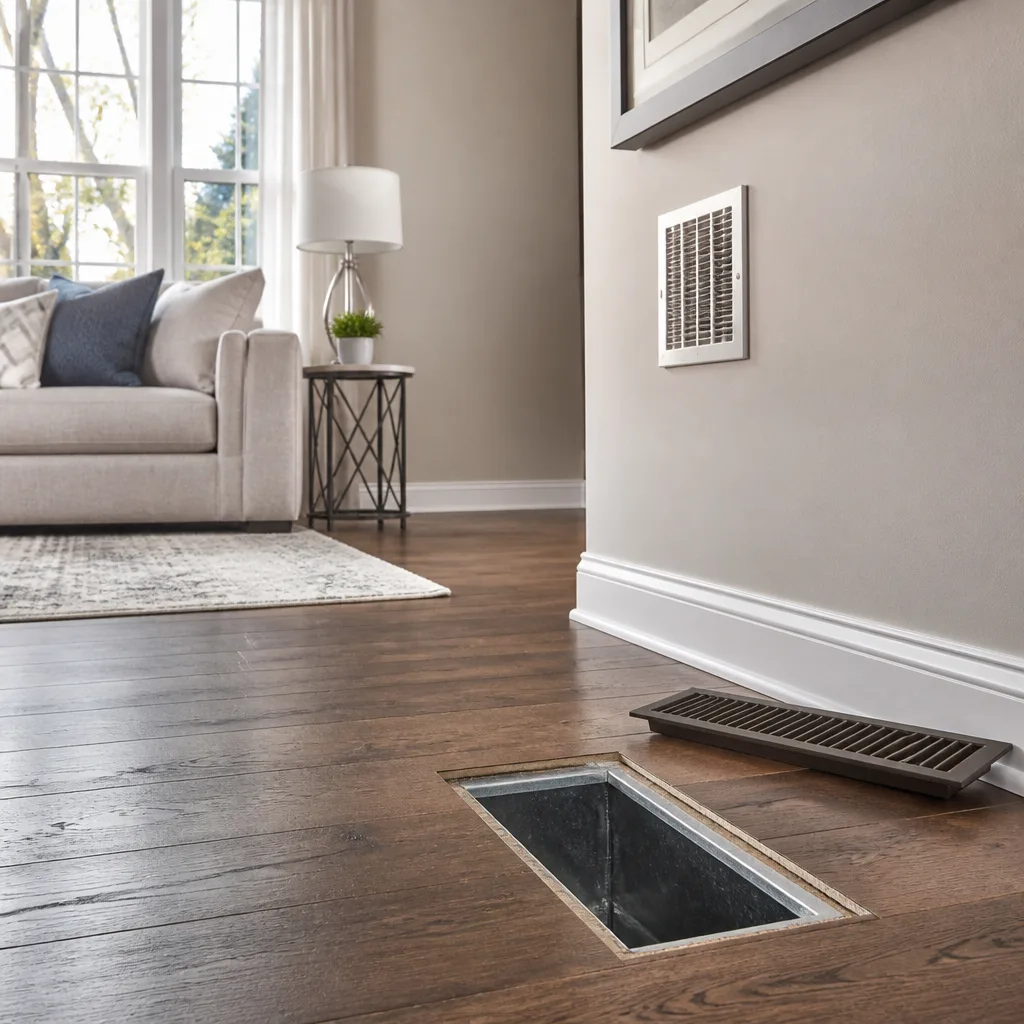
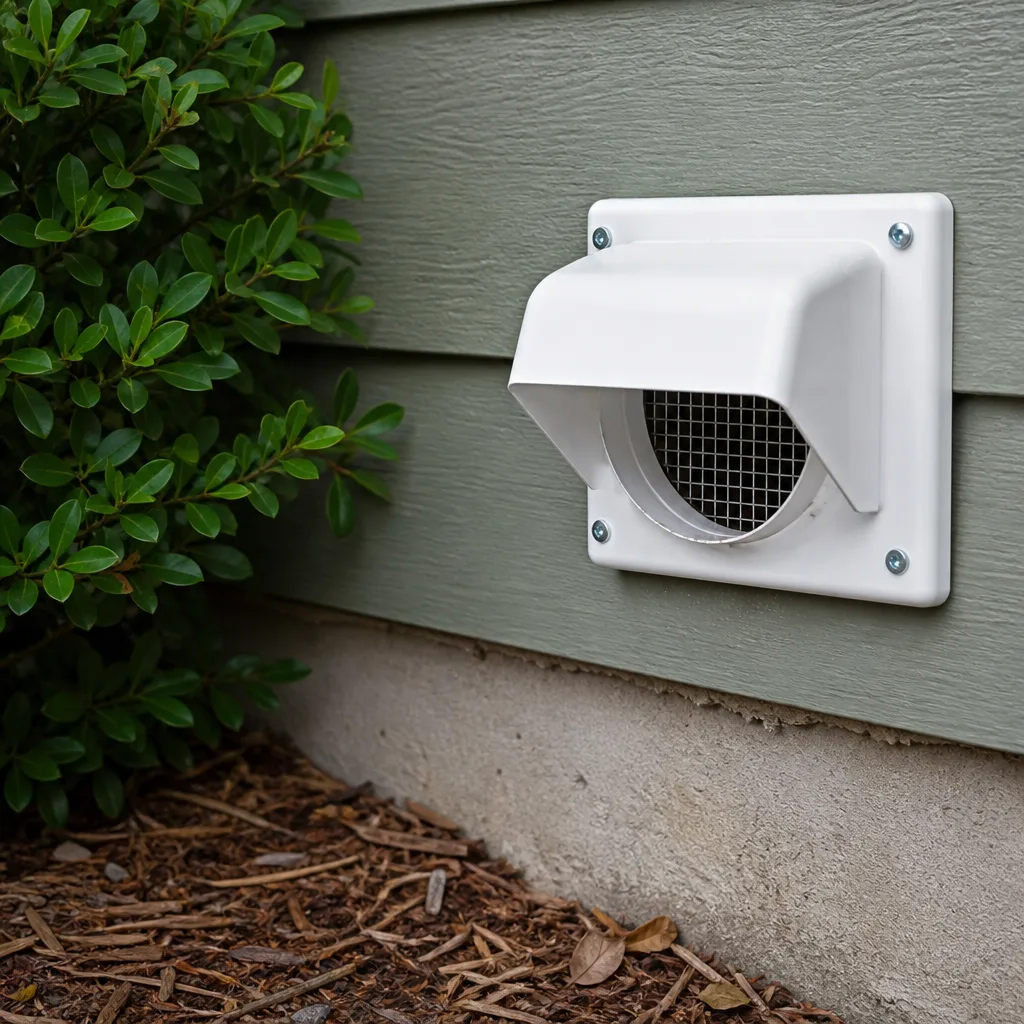
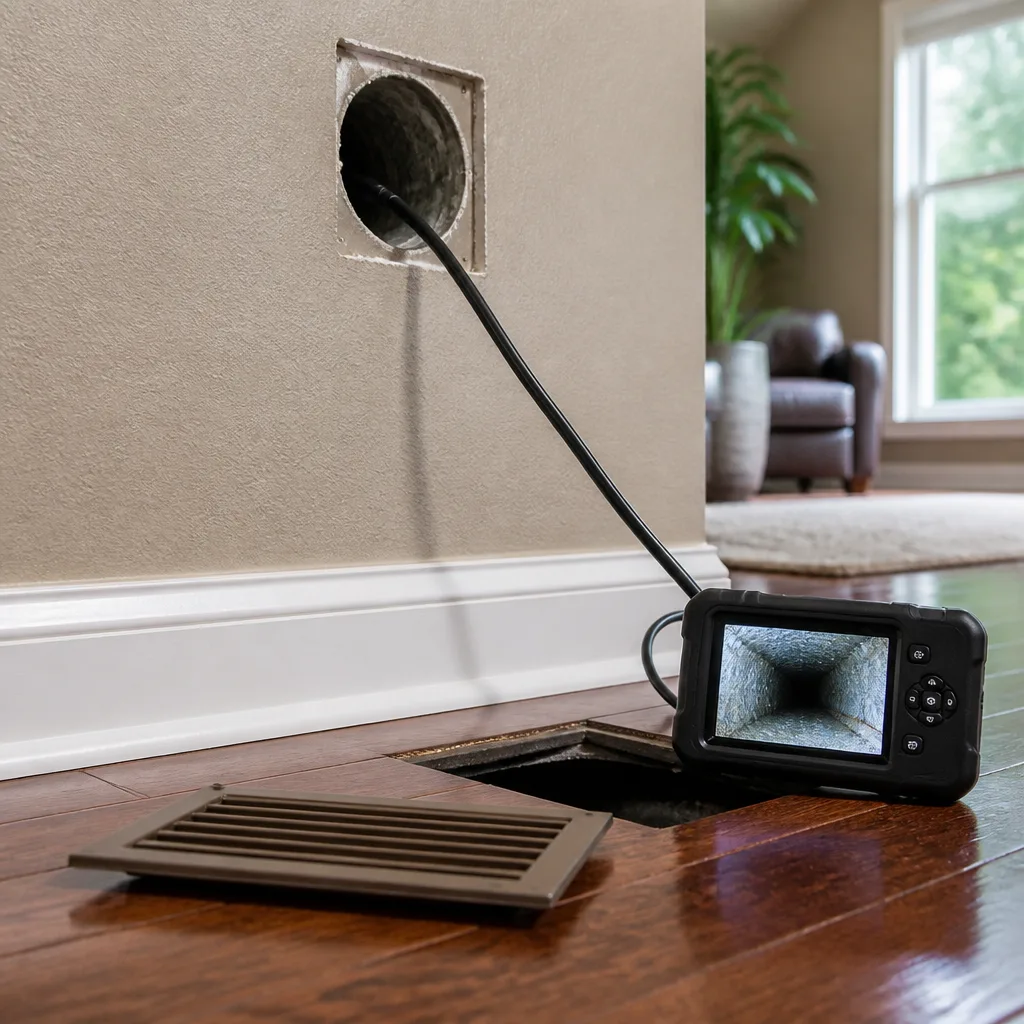
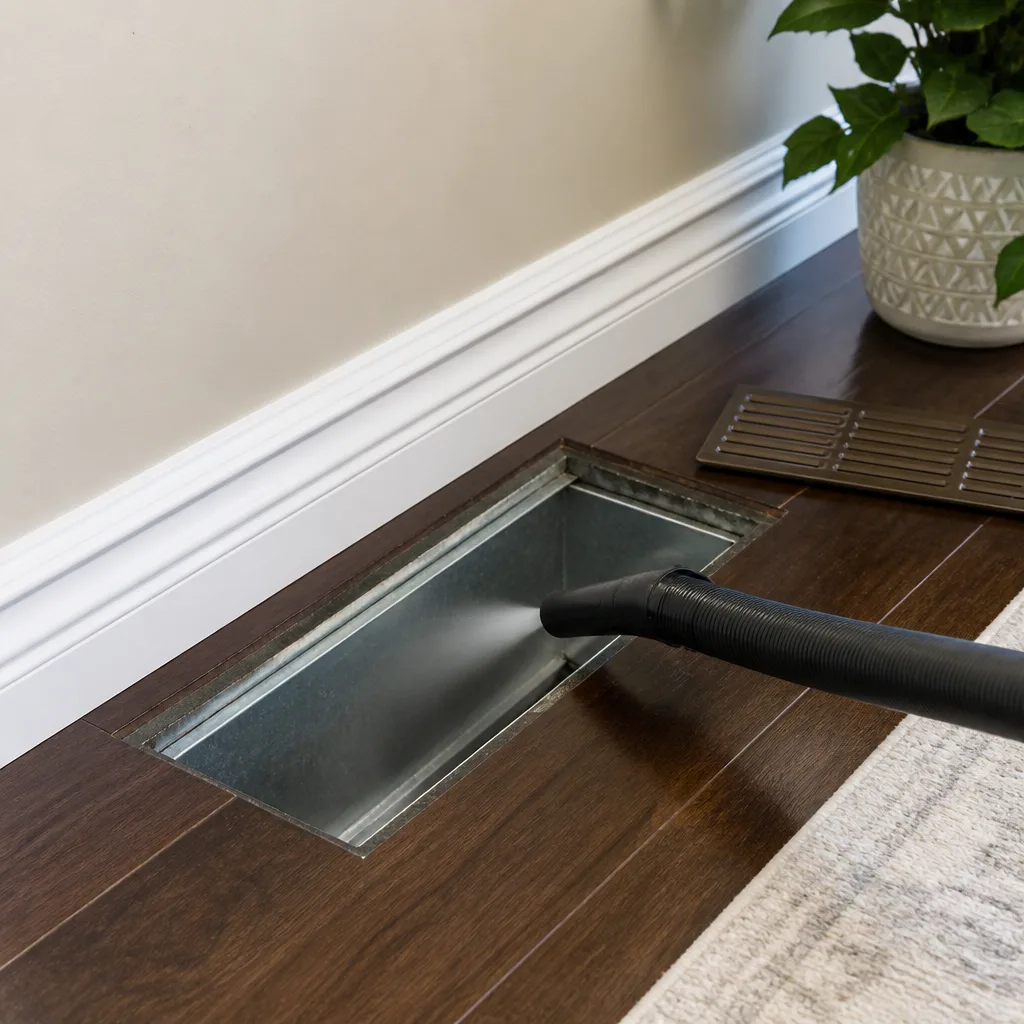
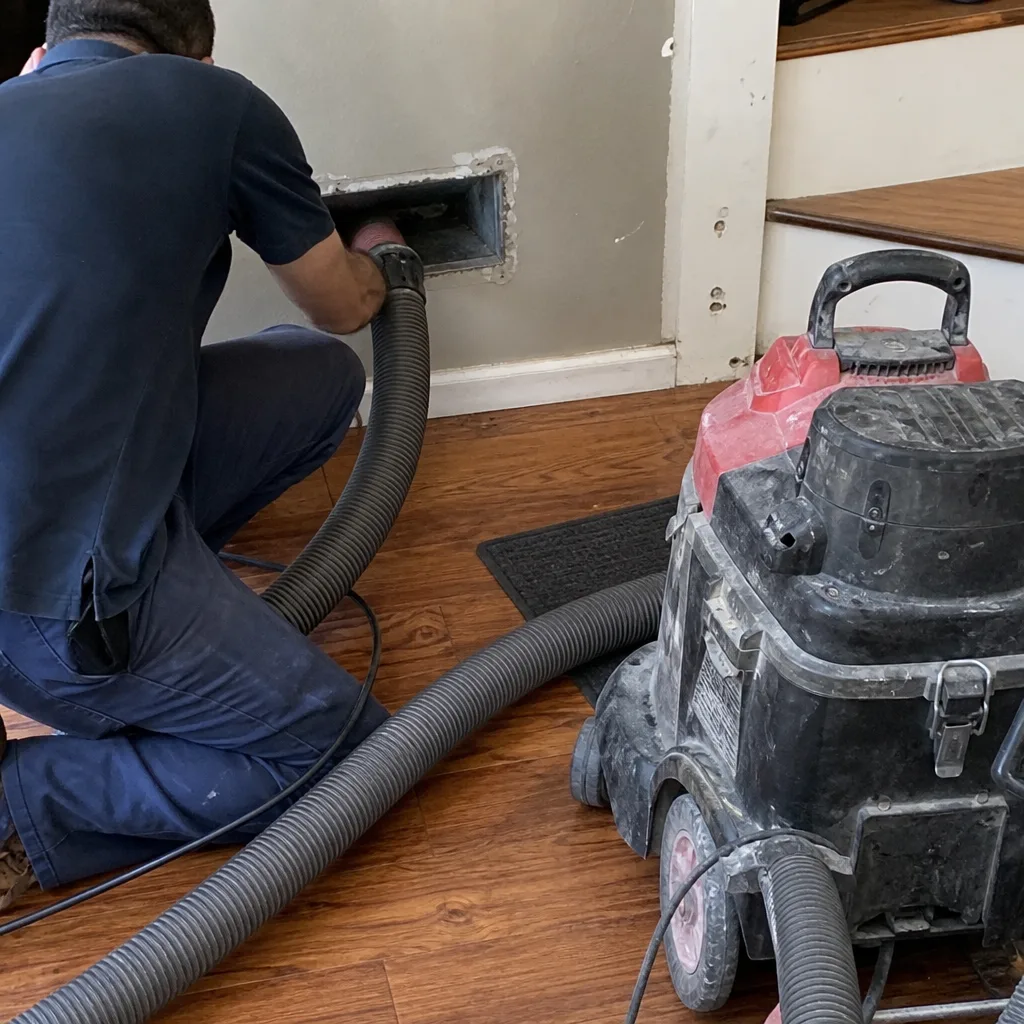 Before
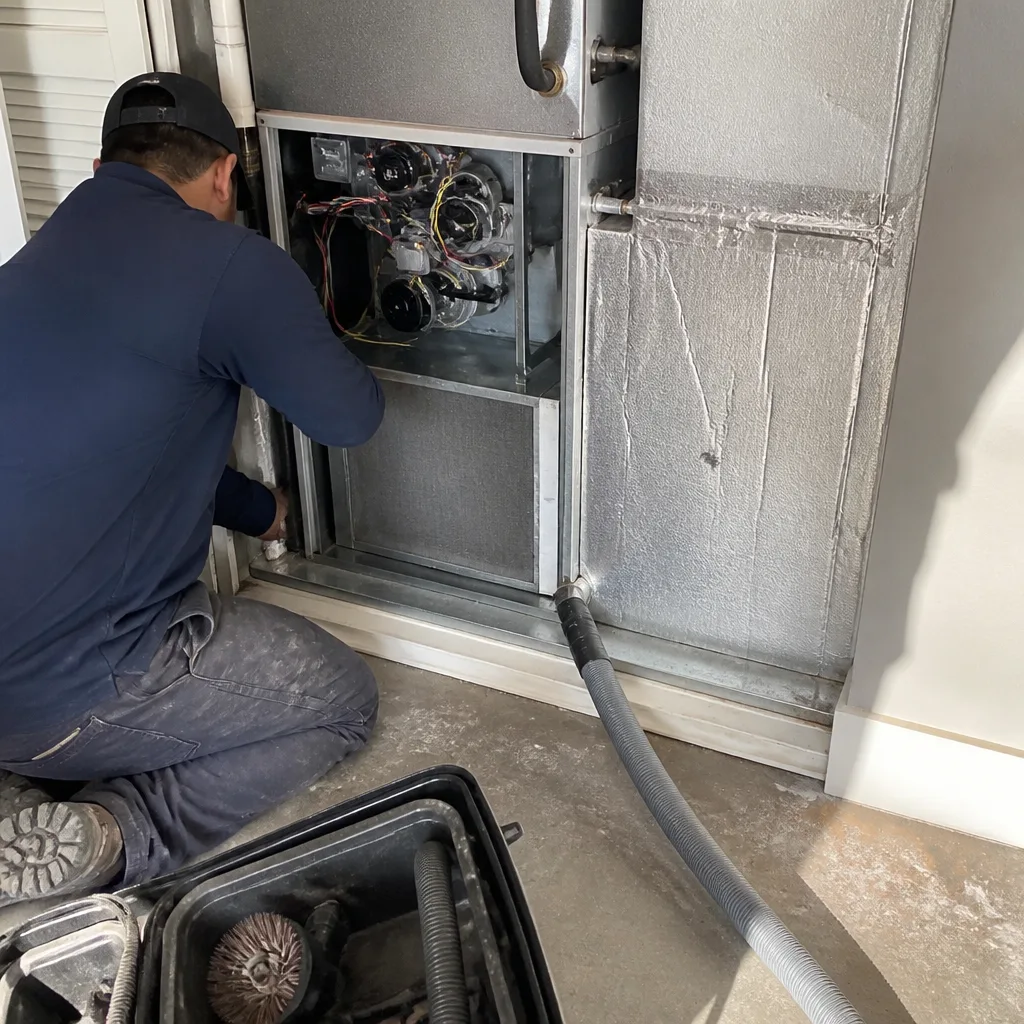 After
After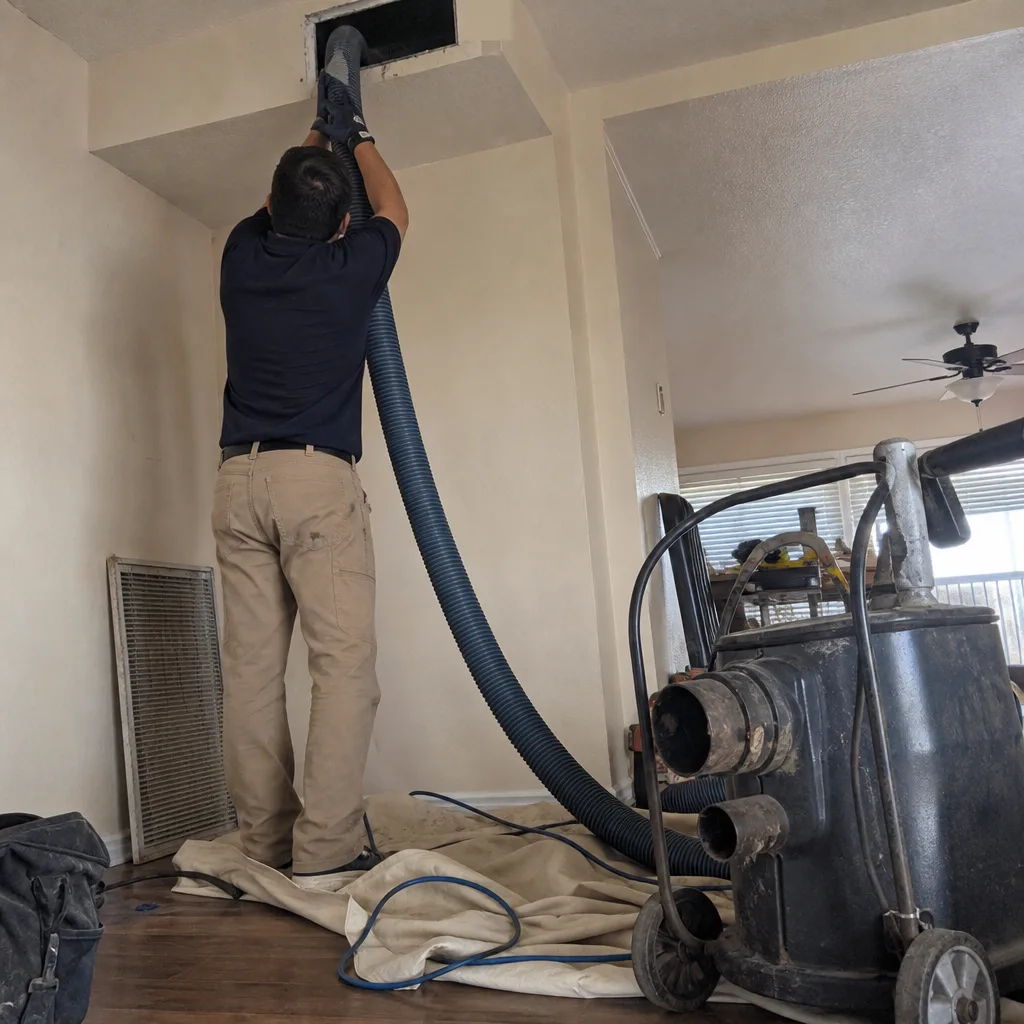 Before
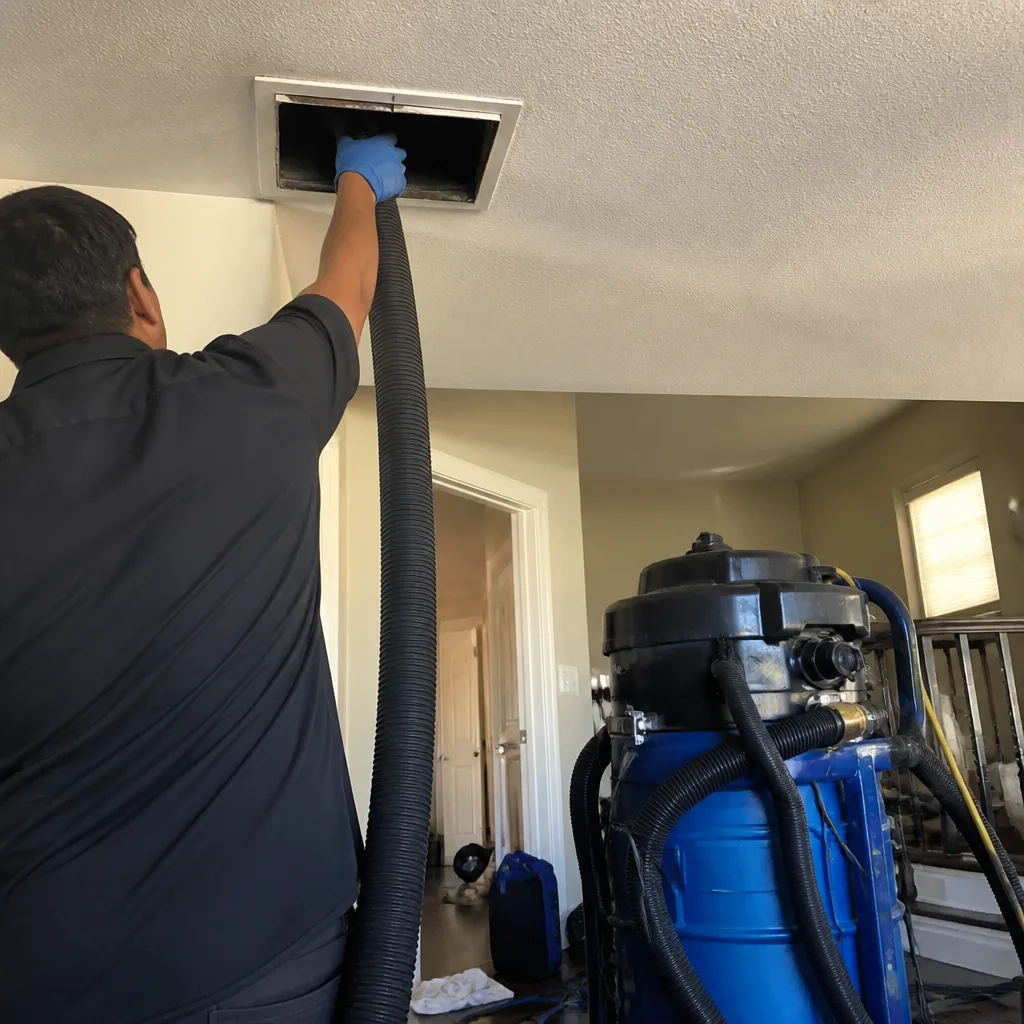 After
After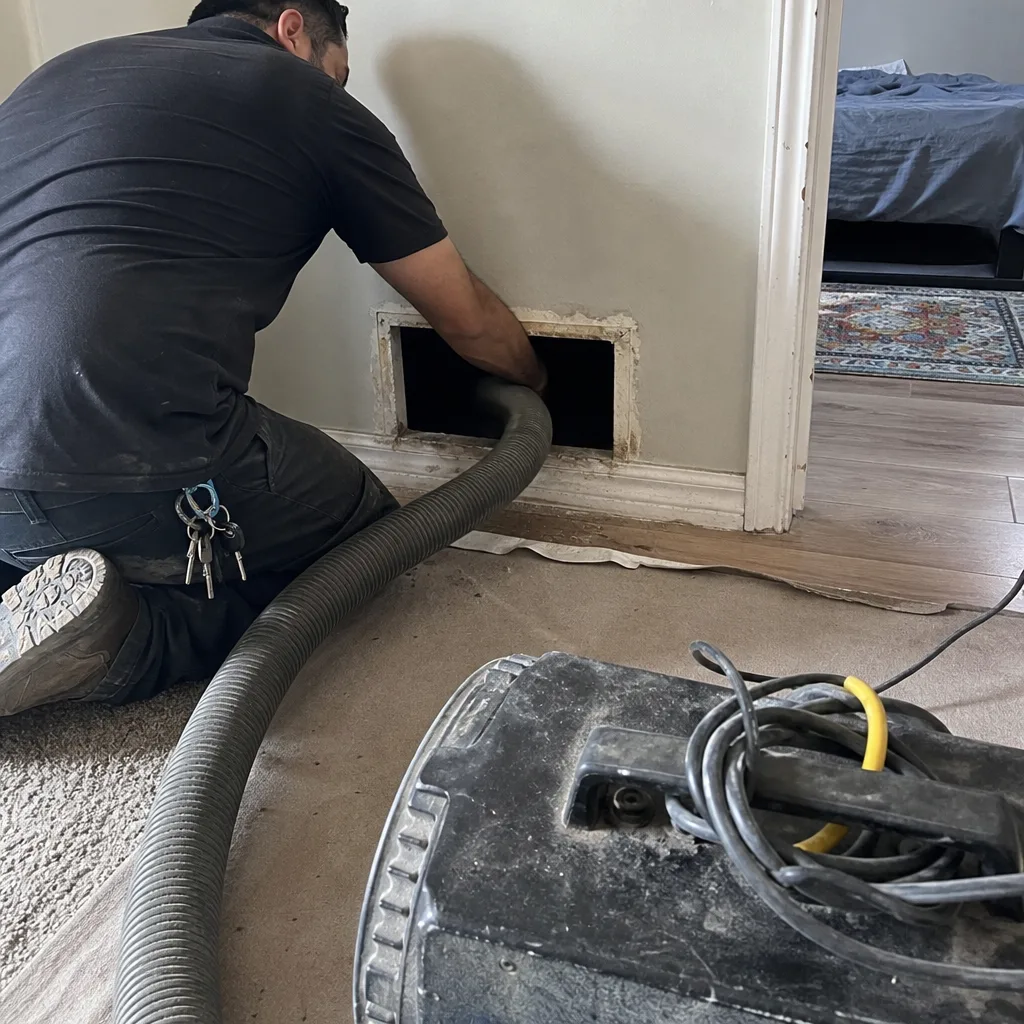 Before
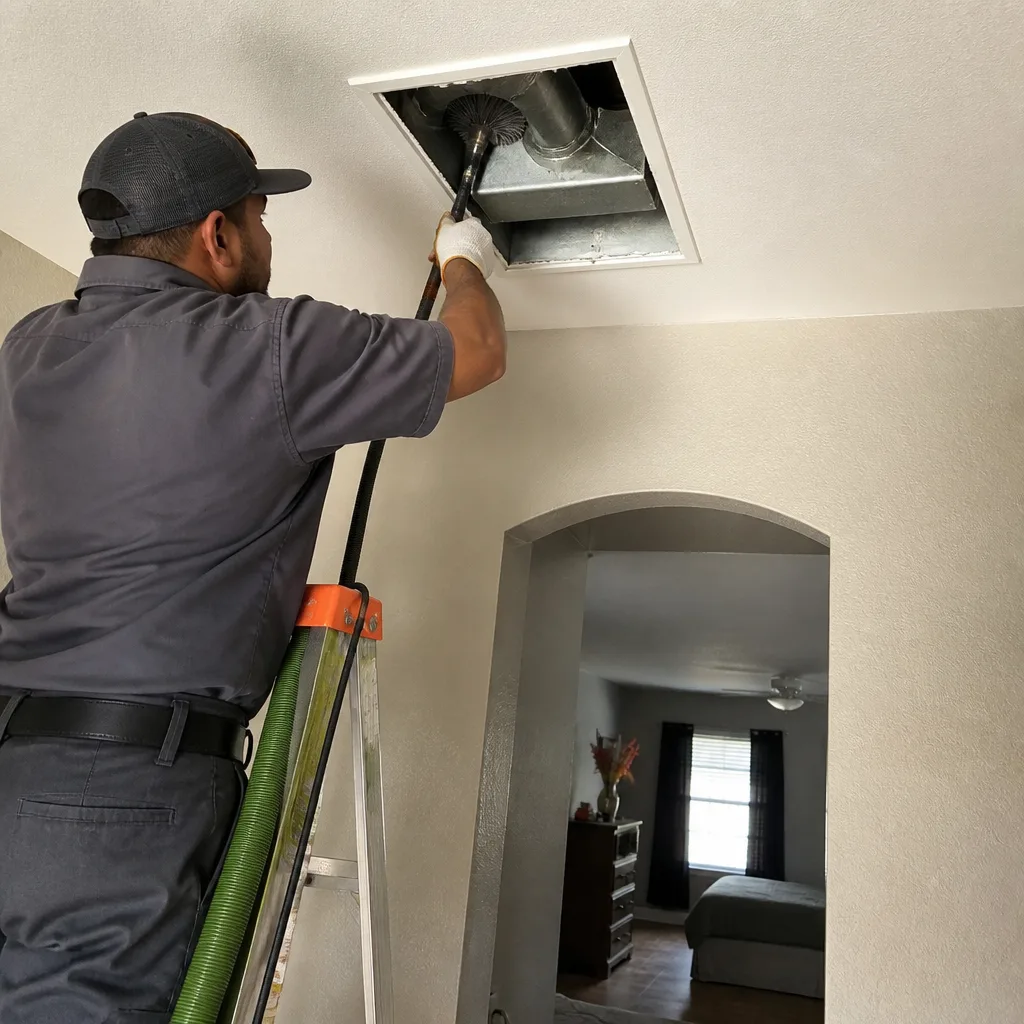 After
AfterAir Duct Cleaning Permits, Codes & Inspections in TX: What You Need to Know
Most air duct cleaning companies will tell you no permit is needed for their work, and most of the time they’re right. The problem is that the services often sold alongside cleaning, like duct sealing and plenum modifications, may require one, and that distinction is rarely explained before the invoice is written. In Fort Worth, we’ve seen homeowners discover unpermitted duct modifications during pre-sale inspections, turning a $400 cleaning into a $3,000 remediation project. This guide-along with our The Complete Guide to Air Duct Cleaning in Fort Worth-explains where Texas law draws the line between routine cleaning and regulated mechanical work, how to verify a contractor’s credentials, and what questions to ask before anyone touches your ductwork.
Quick Answer
Standard air duct cleaning in Texas, defined as debris removal from existing duct runs without altering the system, generally does not require a permit. However, any work that modifies ductwork, seals plenums, reroutes runs, or alters air handler connections falls under the Texas Mechanical Code and may require permitting through your local building department. In Fort Worth, that means TDLR-licensed HVAC contractors must perform the work, and unpermitted modifications can derail home sales.
Table of Contents
- Cleaning vs. Mechanical Work: Where the Line Is
- What the Texas Mechanical Code Actually Says
- Fort Worth and Tarrant County Local Amendments
- When EPA Section 608 Certification Matters
- Unpermitted Work and Home Resale in Fort Worth
- How to Verify a Texas HVAC Contractor’s License
- What CleanRun Documents on Every Job
- Common Mistakes to Avoid
- When to Call a Professional
- Frequently Asked Questions
BeforeAfterCleaning vs. Mechanical Work: Where the Line Is
The Texas Department of Licensing and Regulation (TDLR) distinguishes between two categories of work on residential HVAC systems. Understanding which category your job falls into determines whether you need a permit, a licensed contractor, or both.
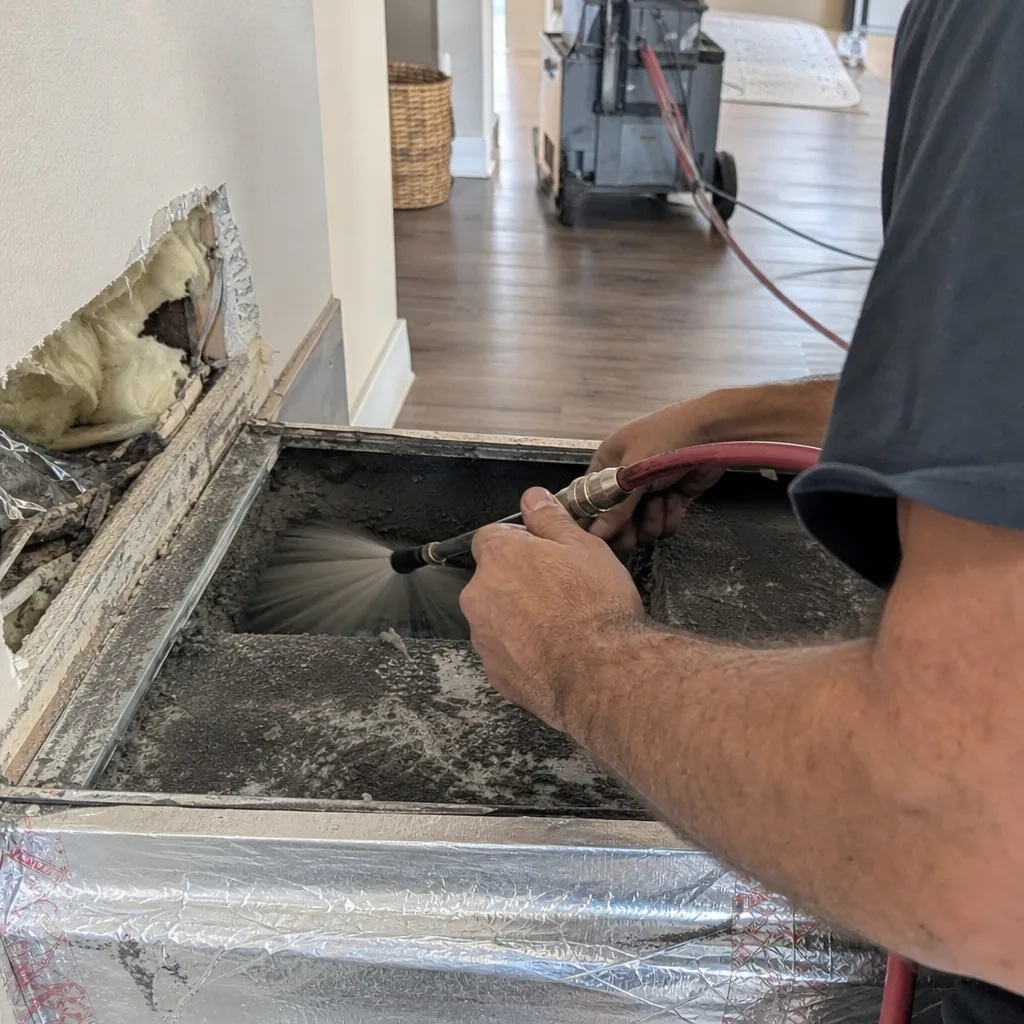
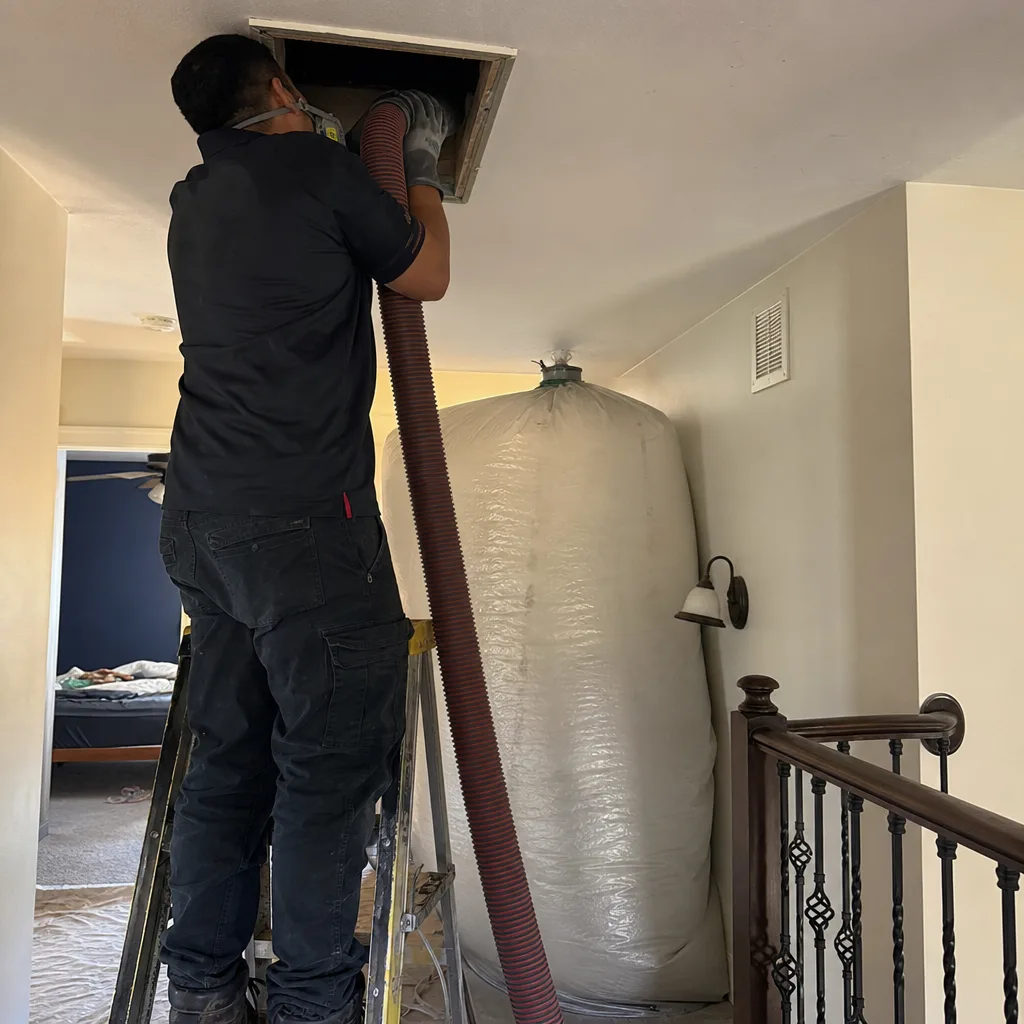
Routine air duct cleaning involves accessing existing registers and duct runs to remove accumulated debris. Technicians use negative-pressure extraction, a method that creates suction throughout the system while agitation tools loosen particulate matter. This work does not alter the physical configuration of ducts, change airflow design, or modify connections between components. Under Texas Administrative Code Title 16, Part 4, Chapter 75, this classification of work does not trigger permitting requirements.
Mechanical work on duct systems is where regulations apply. This category includes:
- Cutting into existing ductwork to add, remove, or reroute a duct run
- Sealing or modifying a plenum, the central distribution box that connects your air handler to the duct network
- Altering connections between the air handler and ductwork, including transitions and collars
- Installing or replacing dampers that control zone airflow
- Modifying return air pathways or adding return drops
In our experience providing our Air Duct Cleaning services across Fort Worth neighborhoods from Mistletoe Heights to Fossil Creek, the confusion arises because many companies bundle cleaning with “sealing” or “repair” services without clarifying the regulatory shift. A technician who arrives to clean your ducts and then discovers a disconnected plenum seal faces a decision: perform the repair without proper licensing and documentation, or stop work and refer you to a licensed contractor. The reputable choice is the second one.
The equipment used also signals which category of work is occurring. Air duct cleaning in Fort Worth typically employs portable extraction units like those from Rotobrush or Nikro, designed to navigate existing duct geometry without system modification. When you see sheet metal tools, crimpers, or duct board being cut, the work has crossed into mechanical territory.
What the Texas Mechanical Code Actually Says
Texas adopts the International Mechanical Code (IMC) with state-specific amendments. The current enforced version, as maintained by TDLR, governs all mechanical systems including HVAC ductwork installation, alteration, and repair.
Key provisions relevant to homeowners:
- Section 103.1 requires permits for “installation, alteration, repairs, relocation, replacement, or addition” of mechanical systems. The critical word is “alteration.” Cleaning debris from inside an existing duct does not alter the system. Replacing a section of crushed flexible duct, reconfiguring a plenum, or adding a new return path does.
- Section 106.1 specifies that permit holders must be licensed contractors. In Texas, this means holding a TDLR-issued Air Conditioning and Refrigeration Contractor license, either Class A (unlimited) or Class B (20 tons or less residential/light commercial). A technician performing duct cleaning alone does not need this license. A technician cutting ductwork does.
- Section 107 mandates inspections for permitted work. When mechanical work is properly permitted, a city or county inspector verifies code compliance before the system is closed up and operated. This inspection creates a permanent record with the building department.
The TDLR enforcement division investigates complaints of unlicensed mechanical work, and penalties include civil fines and cease-and-desist orders. More immediately relevant to homeowners: unpermitted work discovered during real estate transactions must be brought into compliance, often at significant cost.
Texas does not require air duct cleaning technicians to hold HVAC licenses specifically for cleaning work. However, the moment a technician performs tasks that meet the IMC definition of alteration, they are practicing regulated mechanical work without a license if they lack TDLR credentials.
Fort Worth and Tarrant County Local Amendments
Fort Worth operates under the Fort Worth Building Code, which incorporates the IMC with local amendments administered by the Development and Transportation Services Department. Tarrant County unincorporated areas follow county building regulations with similar provisions. Several local requirements affect how ductwork modifications are handled in this market.
Fort Worth-specific considerations:
The city requires permits for HVAC system modifications through its residential building permit process. Online permit applications are accepted, but mechanical work typically requires plan review for load calculations when ductwork changes affect system capacity. In older Fort Worth neighborhoods like Fairmount or Ryan Place, where original duct systems were designed for heating-only furnaces and later adapted for central air, capacity verification is particularly relevant.
Fort Worth’s climate zone designation, 3A (warm-humid), influences duct insulation and sealing requirements under energy code provisions. Ductwork in unconditioned spaces, common in Fort Worth attics where summer temperatures exceed 140°F, must meet specific R-value and leakage standards. Modifications that don’t account for these requirements create efficiency losses and moisture problems.
Tarrant County’s amendment history includes strengthened requirements for duct sealing in unconditioned spaces following regional energy efficiency initiatives. Any duct modification work in unincorporated areas must comply with these enhanced standards.
The practical implication: if a contractor in Fort Worth proposes duct sealing as part of a cleaning package, ask whether the sealing method involves tape or mastic applied to accessible joints, or whether it requires access panel installation, plenum modification, or duct rerouting. The first category is maintenance. The second requires permits and licensed contractors.
When EPA Section 608 Certification Matters
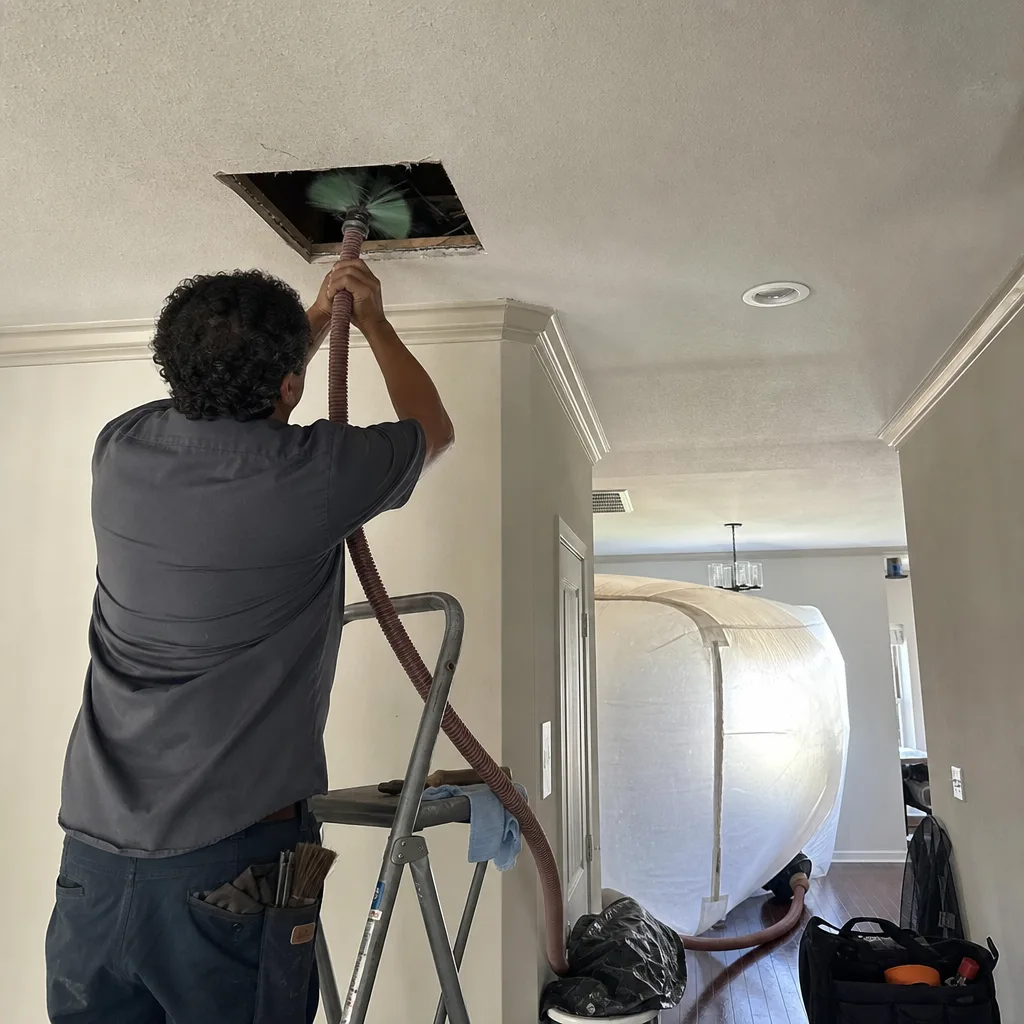
EPA Section 608 certification, required under the Clean Air Act for technicians who handle refrigerants, becomes relevant to duct work in specific scenarios that homeowners should recognize.
The certification requirement applies when:
- Work requires accessing refrigerant lines connected to the air handler or evaporator coil
- Duct modifications necessitate moving or disconnecting the indoor coil cabinet
- Cleaning services extend to the coil itself, requiring refrigerant system isolation or pump-down
- Plenum modifications affect the refrigerant line penetration points
Section 608 has four certification types: Type I (small appliances), Type II (high-pressure appliances including residential AC), Type III (low-pressure appliances), and Universal (all types). For residential duct work involving refrigerant systems, Type II or Universal certification is required.
The connection to duct cleaning: comprehensive HVAC cleaning services, distinct from duct-only cleaning, may include coil cleaning. If a technician proposes cleaning your evaporator coil, located in the plenum or air handler, verify their Section 608 certification. This is separate from their Texas HVAC license, though many licensed contractors hold both.
At CleanRun Air Duct Cleaning Fort Worth, our HVAC cleaning services in Fort Worth that involve coil access are performed by technicians with verified Section 608 credentials, documented in the job record. This matters because improper coil handling can release refrigerant, damage the compressor, and void equipment warranties.
Homeowners can verify Section 608 certification by requesting the technician’s EPA card, which lists certification type and expiration date. The EPA maintains a compliance hotline for reporting violations, but the practical protection is verification before work begins.
Unpermitted Work and Home Resale in Fort Worth
The financial impact of unpermitted duct modifications-something we detail in our Air Duct Cleaning Warning Signs: A Fort Worth Homeowner’s Reference Guide-manifests most painfully during real estate transactions. In Fort Worth’s active resale market, particularly in neighborhoods like Westover Hills, Tanglewood, and the Near Southside where 2015-2025 home purchases dominate, buyers and their inspectors scrutinize HVAC systems closely.
How unpermitted duct work surfaces during sale:
- Disclosure requirements. Texas Property Code Section 5.008 requires sellers to disclose known defects and unpermitted work. A seller who knows duct modifications were performed without permits must disclose this or risk post-sale liability.
- Inspector observation. Home inspectors in Fort Worth routinely examine attic ductwork for code compliance indicators: proper support spacing, insulation integrity, and permit documentation for modifications. Newer duct sections spliced into older systems without matching materials or proper sealing attract attention.
- Appraiser flagging. FHA and VA appraisers may require permit verification for mechanical system modifications, potentially conditioning loan approval on remediation.
- Title company requirements. Some title insurers in Texas exclude coverage for known unpermitted work, creating closing complications.
Remediation costs in the Fort Worth market typically include:
- Permit application and plan review fees: $150-$400
- Licensed contractor inspection and documentation of existing work: $200-$500
- Required modifications to bring work to current code: $800-$2,500
- Re-inspection fees: $100-$200
- Potential delay of closing: 2-6 weeks
These figures assume the unpermitted work is structurally sound and only lacks documentation. If the work itself violates code, costs escalate significantly. We’ve encountered Fort Worth homeowners who paid $3,000-$5,000 to remove and replace improperly sealed plenums that were installed during “cleaning” visits by unlicensed operators.
The protection is documentation. Any duct modification should generate a permit record with the local building department and a completed inspection sign-off. CleanRun’s Haven Standard Clause 1, written pricing before work starts, extends to clarifying whether proposed work requires permitting and who will obtain it.
How to Verify a Texas HVAC Contractor’s License
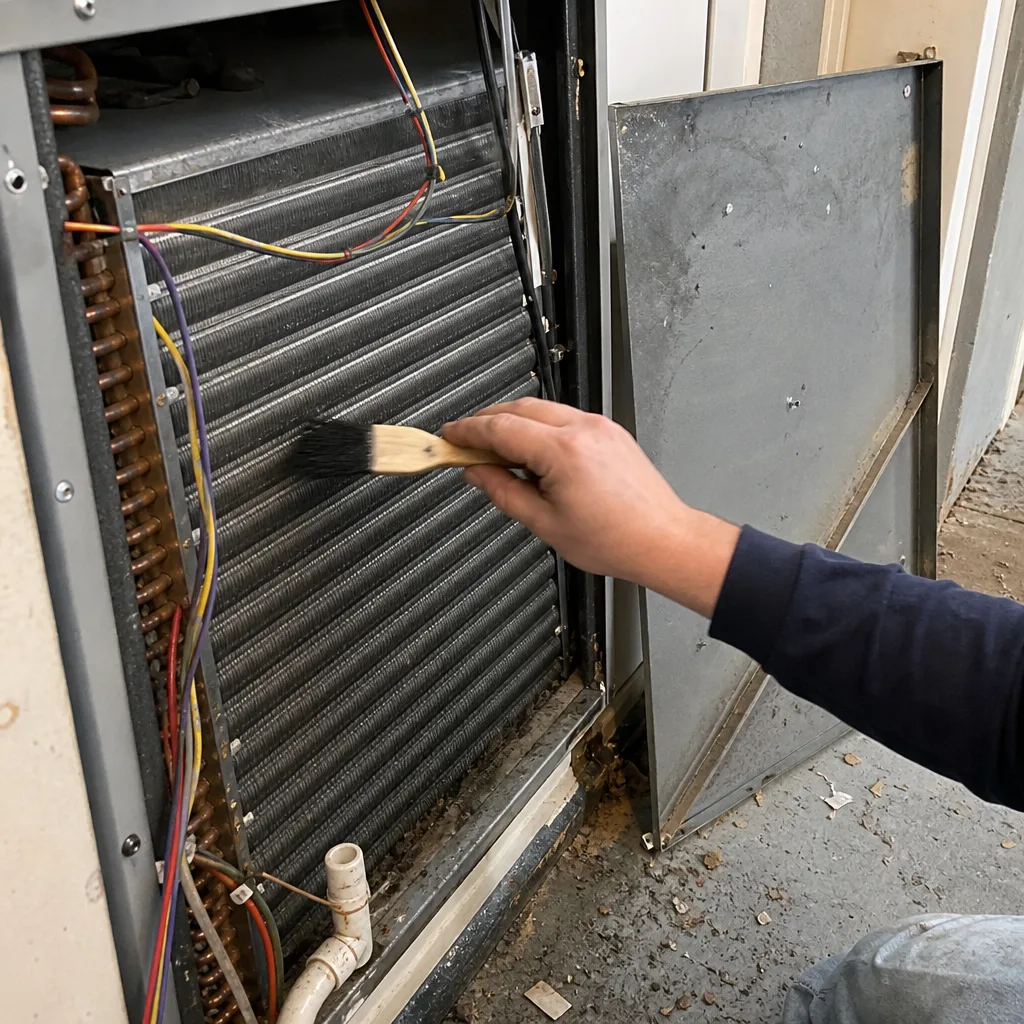
TDLR maintains a public license verification database at license.texas.gov. Before any mechanical work begins on your duct system, verification should be standard due diligence.
Step-by-step verification process:
- Navigate to license.texas.gov and select “Verify a License” from the main menu.
- Enter the contractor’s name or license number in the search field. For companies, search under both the business name and the individual technician’s name who will perform the work.
- Review the license details:
- License type: Air Conditioning and Refrigeration Contractor (Class A or B)
- Status: Active (not expired, suspended, or revoked)
- Expiration date: ensure coverage through your project completion
- Complaint history: available through TDLR’s complaint search
- Cross-reference the license holder with the party performing work. Some companies employ licensed contractors as figureheads while sending unlicensed technicians to jobs. The person doing the mechanical work should match the license, or work under direct supervision as defined by TDLR rules.
- Request certificate of insurance naming you or your property as additional insured for the project duration. This is standard practice for permitted mechanical work.
Red flags that warrant additional scrutiny:
- The contractor deflects license verification or provides only a business registration number, not a TDLR HVAC license
- License search returns a different company name than the one on the proposal
- The technician who arrives cannot produce identification matching the licensed individual
- Work is proposed for “cash, no invoice” with no permit mentioned
In Fort Worth’s competitive home services market, we’ve encountered instances where duct cleaning companies advertise “licensed and insured” based on general business liability coverage, not HVAC contractor licensing. These are different credentials with different protections. General liability covers damage caused during work. HVAC licensing ensures the work itself meets code and is performed by individuals who have passed trade examinations.
CleanRun’s license number is published on every proposal and on our CleanRun Air Duct Cleaning Fort Worth home page, not buried in a footer. Haven Standard Clause 3, Verified Crews, requires technicians to identify themselves by name and credential before entering your home.
What CleanRun Documents on Every Job
Documentation practices separate accountable work from unverifiable claims. Since our first job in 2013, CleanRun has maintained specific documentation standards that address the regulatory gray zone this guide describes.
Written scope and pricing before work begins. Every proposal distinguishes between cleaning services and any mechanical work that may be recommended based on conditions found. If duct sealing or repair is proposed, the permit requirement and licensed contractor arrangement are specified in writing. No work proceeds without customer acknowledgment of this scope.
Documented Photo Record of every duct run. The inside of every duct run is photographed before and after service, using equipment that produces geotagged, time-stamped images. Customers receive these as part of the standard job record. This practice, maintained on all 52,000+ homes we’ve served, creates objective evidence of what was and was not done.
Equipment specification. Our cleaning equipment roster includes Rotobrush portable extraction systems, Nikro negative-pressure units, and Honeywell air quality monitoring tools. For mechanical work requiring licensed contractor involvement, we specify the trade-recognized equipment to be used, from Guardsman sheet metal fabrication tools to Aprilaire zoning components. Customers can verify these manufacturer specifications independently.
365-Day Done Right Promise. Backed in writing on every job, this guarantee means that if work is not performed correctly, we make it right. For cleaning services, this covers re-service if documented results don’t match the proposal. For mechanical work performed through our licensed contractor partners, it coordinates warranty and permit compliance verification.
Free Second Opinion on any written estimate. Bring a competitor’s quote for duct cleaning, sealing, or repair. CleanRun puts its own scope and pricing next to it in writing, with explicit identification of which services require permits and licensing.
The H.A.V.E.N. Standard governs all of this: written pricing, verified crews, documented results, and accountable follow-through. It’s not marketing language. It’s the structure of how we operate on every visit to Fort Worth homes.
Common Mistakes to Avoid
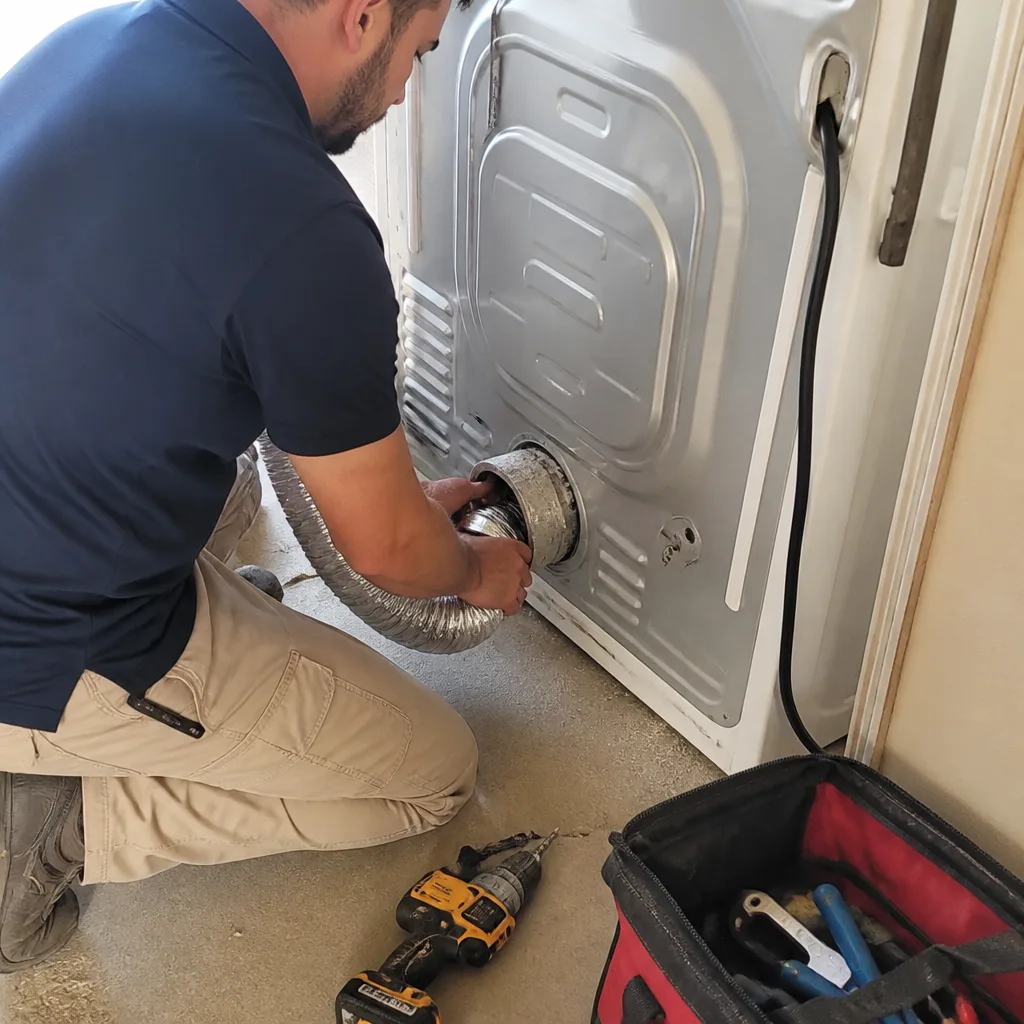
- Assuming “no permit needed” applies to bundled services. A company that starts with cleaning and adds duct sealing mid-job may not obtain required permits. Ask before work begins whether any proposed service triggers permitting, and get the answer in writing.
- Accepting verbal assurance of licensing without verification. “We’re fully licensed” means nothing specific. Verify the actual license type through TDLR, and confirm it covers the work being performed.
- Ignoring Fort Worth’s amendment history for older homes. Ductwork in pre-1980 Fort Worth homes may contain asbestos-containing materials or obsolete configurations. Disturbing these during unpermitted modifications creates health hazards and regulatory violations.
- Paying for “sealing” without understanding the method. Aerosol duct sealing, a technology that pressurizes ducts with sealant particles, is sometimes marketed as non-invasive. In Texas, it may still require permit review as a system modification. Ask specifically.
- Failing to retain documentation for resale. Keep all permits, inspection sign-offs, and contractor documentation for mechanical work. These become valuable during disclosure and inspection processes.
- Confusing equipment brand names with contractor credentials. A company that uses professional-grade Rotobrush or Nikro equipment is not automatically licensed to modify your duct system. Equipment quality and regulatory compliance are separate questions.
- Waiting until sale preparation to discover problems. Pre-listing inspections in Fort Worth’s competitive market often reveal issues that could have been addressed proactively. If you’ve had duct work performed, verify permit status before listing.
When to Call a Professional
Call a TDLR-licensed HVAC contractor before any work that modifies your duct system’s physical configuration. Call a qualified duct cleaning company for debris removal from existing duct runs, but verify that they have clear protocols for stopping work and referring to licensed contractors if mechanical issues are discovered.
Specific scenarios that require professional evaluation: visible duct damage or disconnection, airflow problems following any service work, mold concerns that require access panel installation, system modifications after additions or renovations, and preparation for home sale with unknown work history.
Dryer vent cleaning in Fort Worth follows different regulatory patterns, but similar verification principles apply for vent routing modifications.
CleanRun Air Duct Cleaning Fort Worth offers free estimates in Fort Worth, and our more guides & resources cover related topics in depth. Every estimate includes written scope identification of whether proposed services require permits or licensed contractor involvement. Call (817) 520-8797.
Frequently Asked Questions
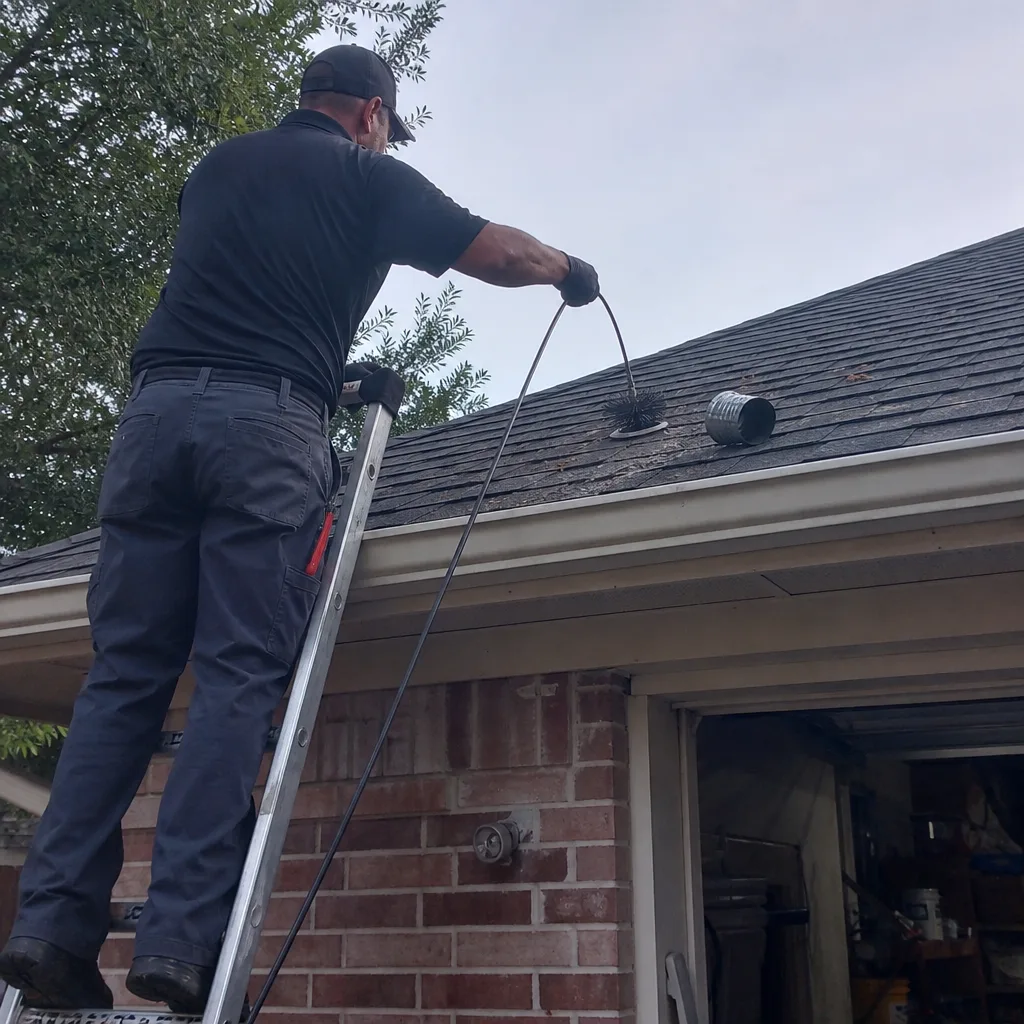
No. Standard air duct cleaning, defined as debris removal from existing duct runs without altering the system, does not require a permit under Texas Mechanical Code provisions. The work must not include cutting ductwork, modifying plenums, or changing system configuration. Call (817) 520-8797 for a written scope that clarifies whether your specific situation requires permitting.
Remediation typically ranges from $1,200 to $5,000 depending on the scope of unpermitted modifications and required code upgrades. This includes permit fees, licensed contractor documentation, necessary corrections, and re-inspection. In Fort Worth’s older neighborhoods with original duct systems, costs trend higher due to asbestos handling protocols and energy code compliance for unconditioned attic spaces. The cheapest protection is verification before work begins.
Duct cleaning removes accumulated debris from inside existing duct runs using negative-pressure extraction. Duct sealing closes leaks in the duct system envelope, which may involve applying sealant to accessible joints, installing access panels, or modifying plenum connections. The second category often constitutes mechanical work under the Texas Mechanical Code and may require permits and licensed contractors. Ask any provider to specify which category their proposed service falls into.
Contact the Fort Worth Development and Transportation Services Department with your property address to request permit history. For Tarrant County unincorporated areas, contact Tarrant County Building Codes. Permits for mechanical work are filed by address and remain on record permanently. If no permit exists for visible modifications, assume the work was unpermitted and consider professional evaluation before sale.
It matters when work involves refrigerant system components, including evaporator coil cleaning, air handler modifications, or any task requiring refrigerant line isolation. Standard duct cleaning without coil or air handler access does not require Section 608 certification. If a technician proposes services beyond duct runs, request to see their EPA certification card.
Low quotes often reflect limited scope (cleaning only accessible register areas), unverified contractor credentials, or bait-and-switch pricing where additional services are added after arrival. A legitimate quote specifies equipment to be used, access points, number of duct runs included, and whether any recommended services would trigger permitting requirements. CleanRun provides written pricing before any work starts under Haven Standard Clause 1, with no per-vent pricing structures.
The Bottom Line
Texas air duct cleaning regulation is straightforward at the edges and murky in the middle. Cleaning existing ducts requires no permit. Modifying them does. The trouble is that many services sold as cleaning include modifications that homeowners don’t recognize as such. In Fort Worth’s active real estate market, the cost of this confusion falls heaviest at resale. Protect yourself by requiring written scope definitions, verifying TDLR licenses for any mechanical work, and retaining documentation. The companies willing to put these details in writing before work starts are the ones worth calling.
Written by Tomas Reyes, Owner at CleanRun Air Duct Cleaning Fort Worth, serving Fort Worth since 2013.