
Last updated September 23, 2026
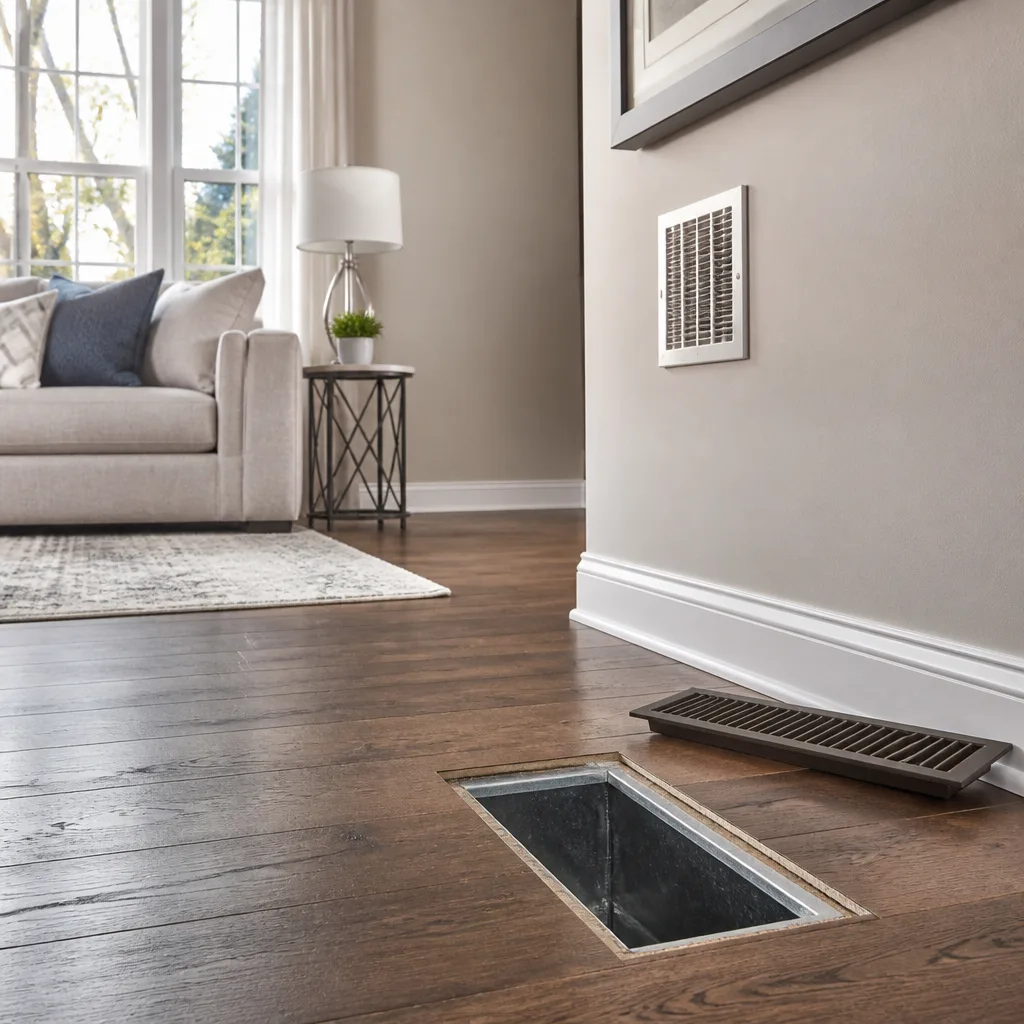
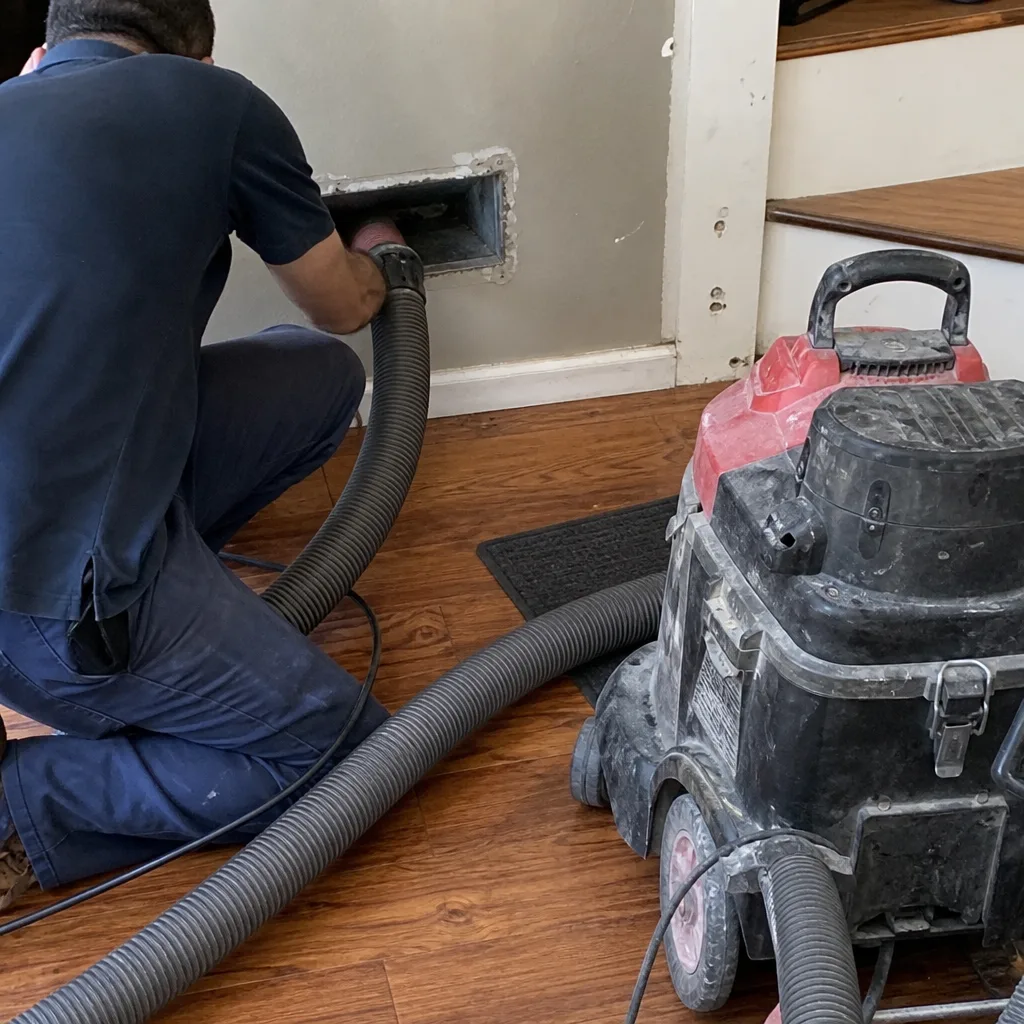
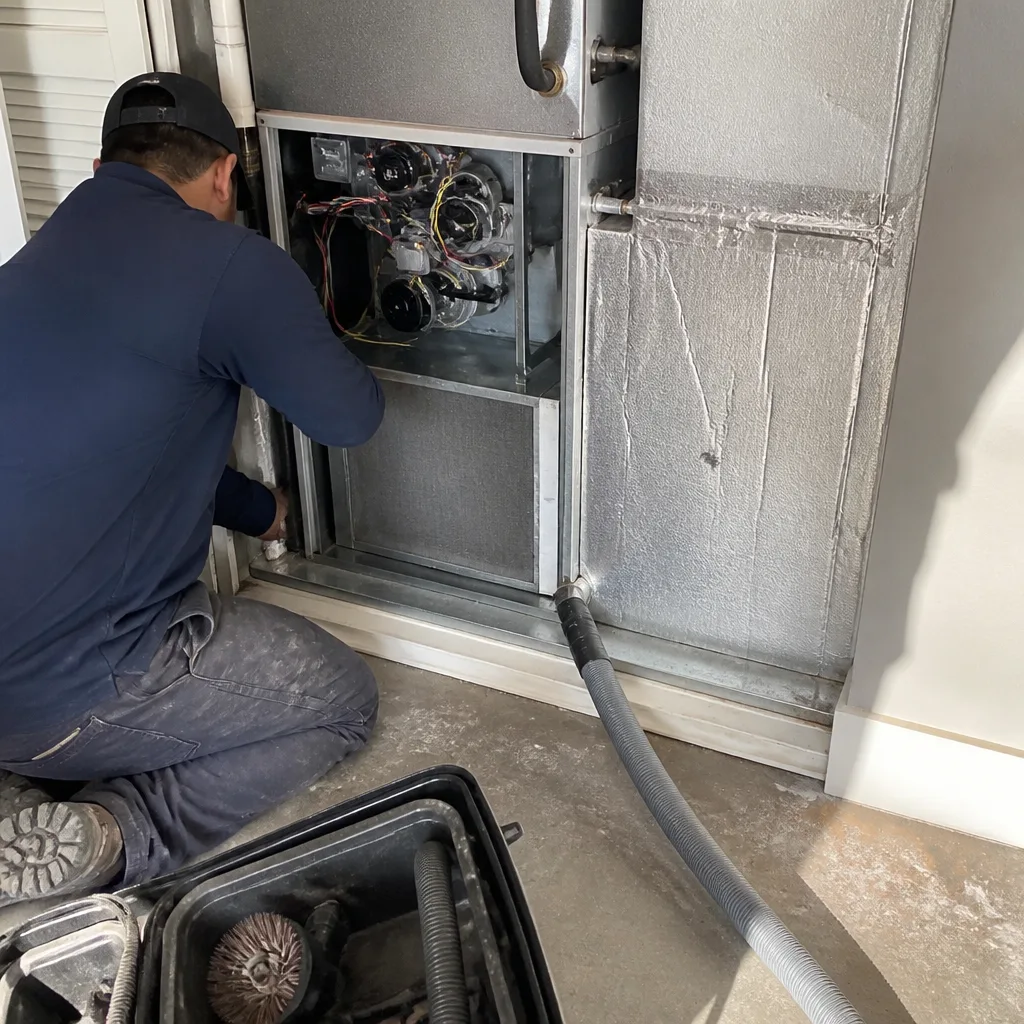
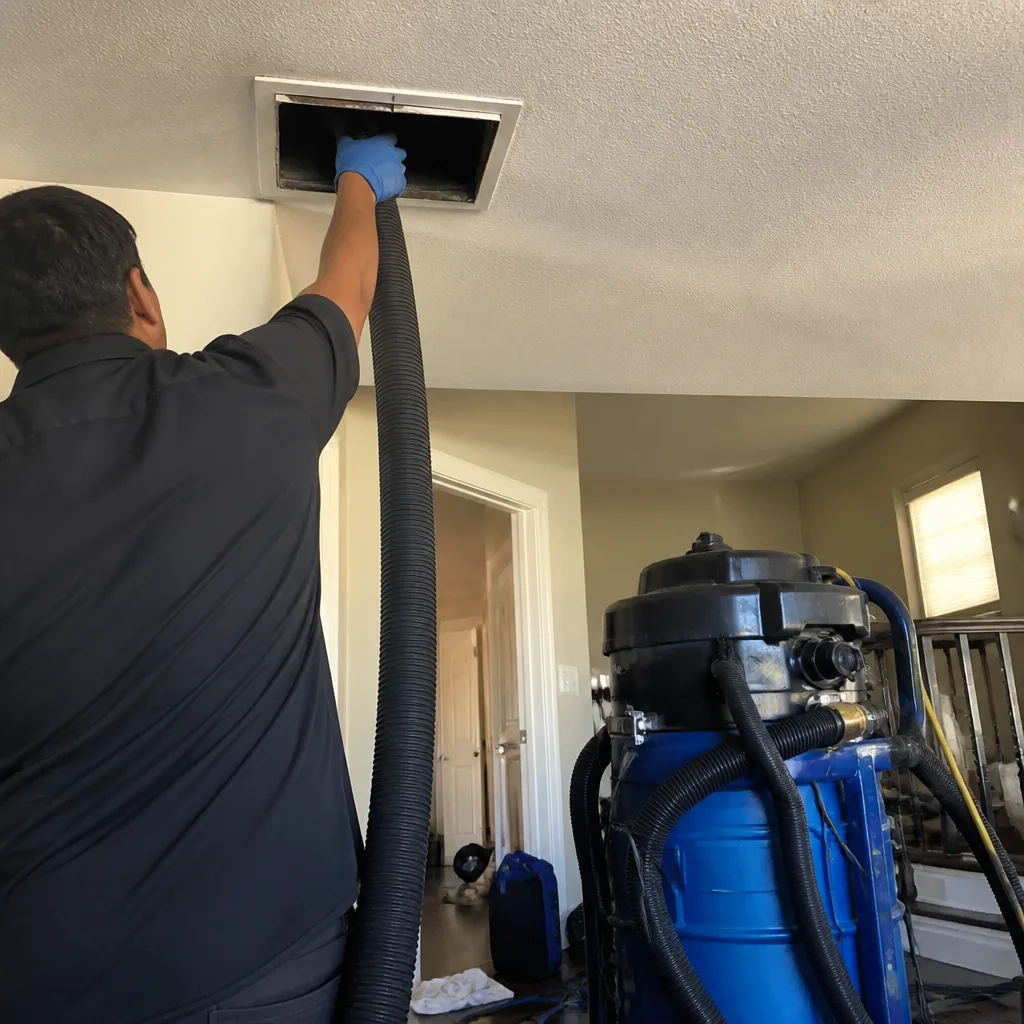
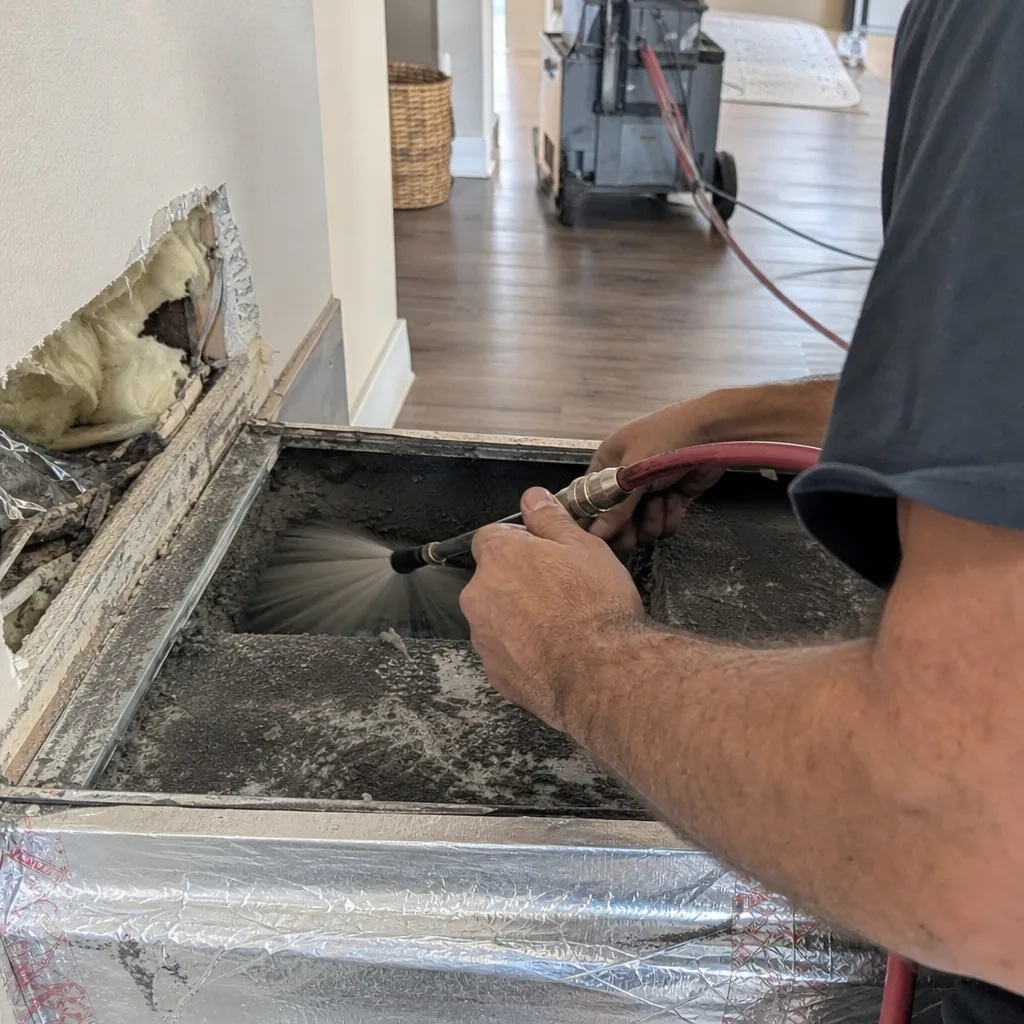
Whole-system duct and dryer vent check with before-and-after photos - you see exactly what came out of your vents
That "$99 whole-house special" is a bait ad - the real number appears once they are in your hallway, or the "clean" is a shop-vac at the register. We photograph the inside of your ducts before and after instead.
 Before
 After
After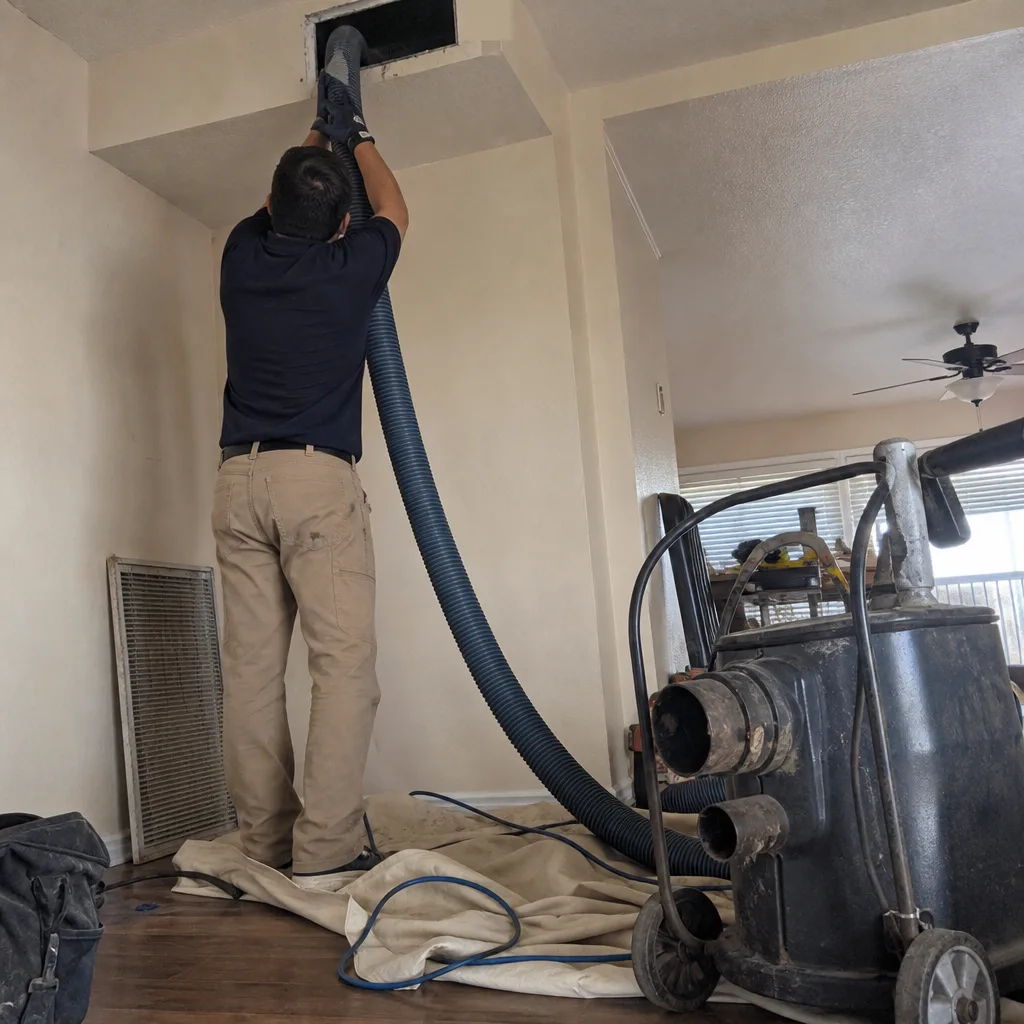 Before
 After
After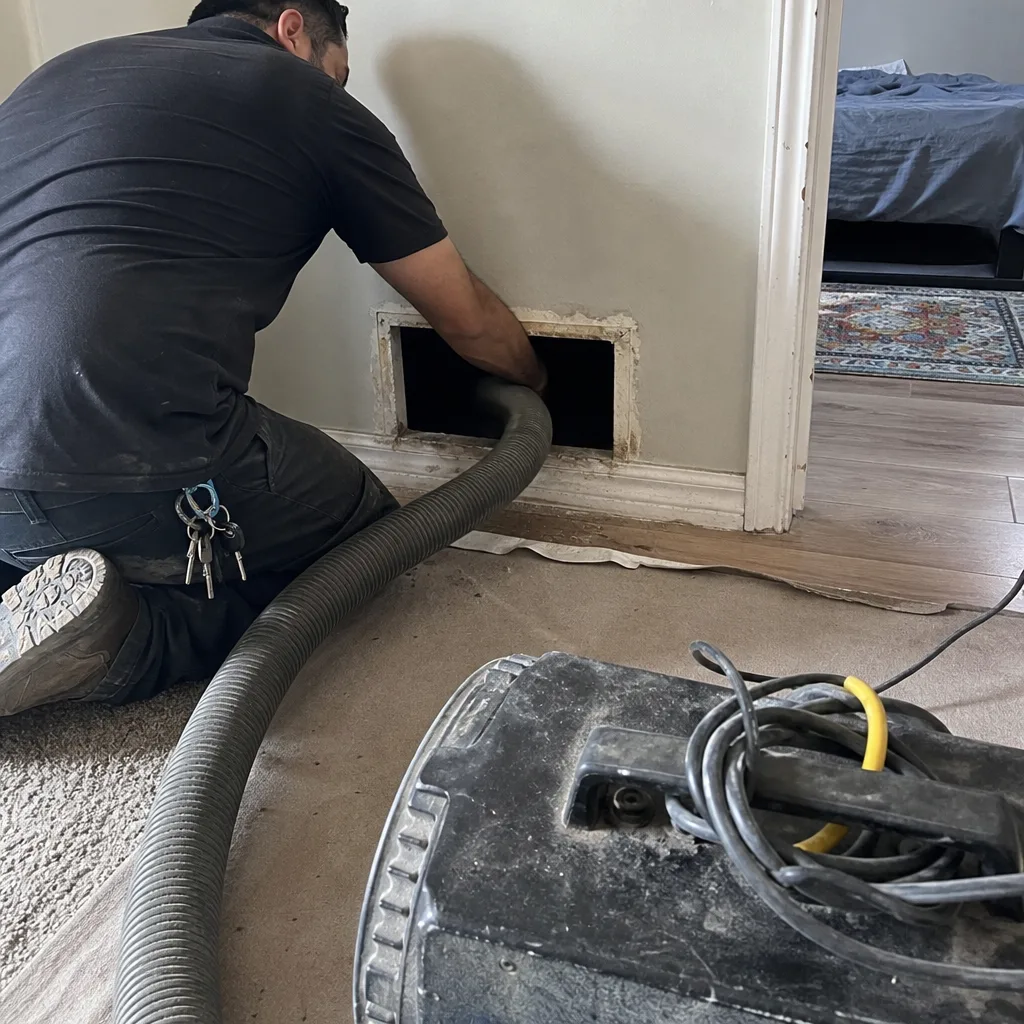 Before
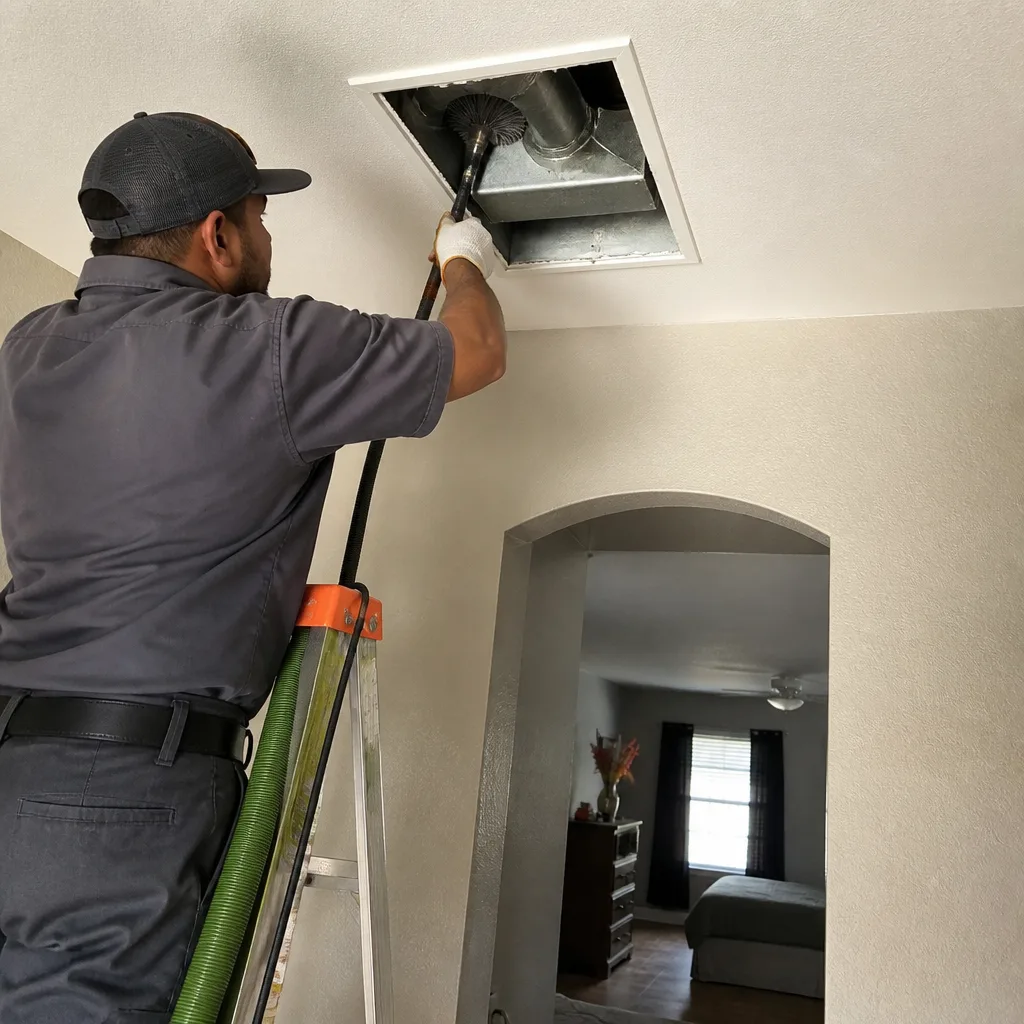 After
AfterHow to Hire a Air Duct Cleaning Contractor in Fort Worth: A Step-by-Step Guide
A contractor who quotes you a price over the phone without knowing your home’s square footage, duct material type, or system configuration is not estimating your job - they’re booking a truck and hoping to upsell you once they’re inside. In Fort Worth, where summer attic temperatures routinely hit 140°F and flex duct degrades faster than hard pipe, that rushed approach often leaves homeowners with damaged ductwork and a bill three times the original quote. This guide shows you how to design a hiring process that makes trust irrelevant - because when you require the right documents and ask the right questions before anyone touches your system, the quality of the work becomes verifiable rather than assumed.
Quick Answer
To hire an air duct cleaning contractor in Fort Worth, request five documents before signing anything: a written itemized quote, proof of NADCA certification or equivalent, a liability insurance certificate, a written before-and-after photo policy, and warranty terms in writing. Then verify the contractor uses professional negative-pressure extraction equipment (not portable shop-vacs), conducts a full site assessment before quoting, and provides photo documentation of every duct run after the job is complete.
Table of Contents
- Why Phone Quotes Fail in Fort Worth Homes
- The Five Documents to Request Before Signing
- What Equipment Actually Matters (And What Doesn’t)
- Red Flags During the Estimate Call
- What a Legitimate Site Assessment Looks Like
- How to Verify the Work Was Actually Done
- Fort Worth-Specific Considerations
- Common Mistakes to Avoid
- When to Call a Professional
- Frequently Asked Questions
- The Bottom Line
BeforeAfterWhy Phone Quotes Fail in Fort Worth Homes
Fort Worth’s housing stock is not uniform. A 2019 build in Walsh Ranch with rigid sheet metal ductwork and a single central return requires a fundamentally different approach than a 1987 home in Ridglea Hills with original fiberglass flex duct, multiple plenums (the distribution box where air splits to different runs), and a crawl space return. A contractor who quotes $179 over the phone has not accounted for either scenario. They’ve quoted a dispatch fee with a planned upsell.
The problem is structural. Phone quotes incentivize the contractor to arrive at your door with a business model built on conversion, not cleaning. The technician is often paid on commission, trained to find “mold” (frequently just dust shadowing), and equipped with a portable shop-vac that makes impressive noise but lacks the airflow to extract settled debris from a full duct run (the continuous channel from plenum to register).
In our experience across Fort Worth since 2013, homes in the 76109 and 76116 ZIP codes - particularly those built between 1965 and 1995 - often have duct systems with original transite (asbestos-cement) connectors or degraded flex duct that a phone-quote contractor will not discover until after work begins. At that point, the “standard cleaning” becomes a repair job with a revised quote. The homeowner is left choosing between an incomplete cleaning or an unexpected expense.
The alternative is simple: any contractor worth hiring will inspect your system before quoting. This is not a courtesy. It is a requirement for an accurate scope of work. Air duct cleaning in Fort Worth varies too widely by home age, construction type, and system configuration for phone pricing to be anything other than a booking tactic.
The Five Documents to Request Before Signing
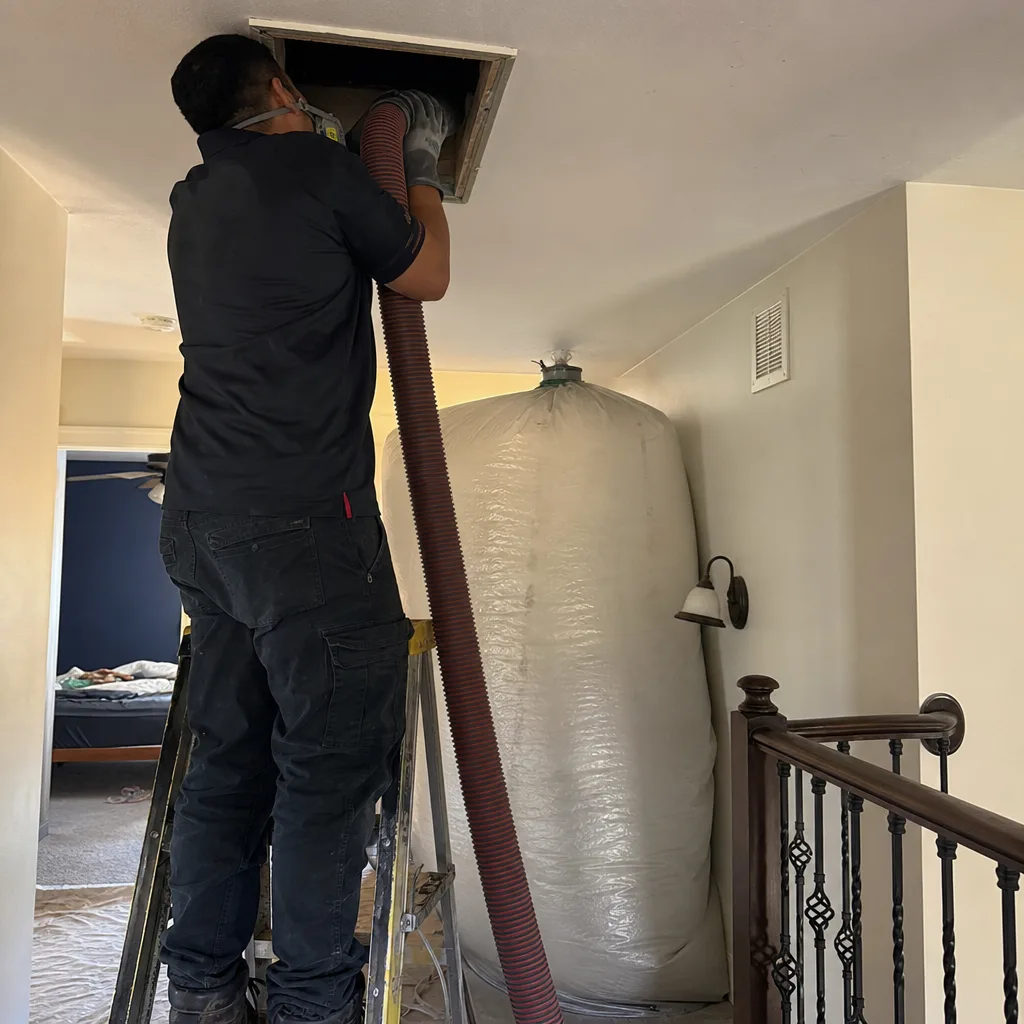
Verifiable hiring means putting the burden of proof on the contractor before work begins. These five documents separate documented professionals from marketing operations:
1. Written Itemized Quote
The quote must specify: number of supply and return duct runs to be cleaned, access points required, equipment to be used, and total price with no per-vent add-ons. Haven Standard Clause 1 - the written price before any work starts - exists because itemization prevents scope manipulation. If a contractor cannot put the full job in writing, they cannot be held to it.
2. Proof of NADCA Certification or Equivalent
The National Air Duct Cleaners Association (NADCA) sets the industry standard for HVAC system cleaning. Ask for the technician’s individual certification number, not just the company name. In Texas, there is no state license specific to air duct cleaning, so third-party certification is your primary credential check. Equivalent certifications include ASCS (Air Systems Cleaning Specialist) or VSMR (Ventilation System Mold Remediator).
3. Liability Insurance Certificate
Request a certificate of insurance showing general liability coverage of at least $1 million per occurrence. This is standard for trade contractors working inside occupied homes. The certificate should name your property address or at minimum be dated within the current policy period.
4. Written Before-and-After Photo Policy
The policy should state: every duct run will be photographed before cleaning begins and after work is completed, with images delivered to the customer as part of the standard job record. Not “available upon request.” Not “photos taken if conditions permit.” Every run, documented, delivered. This is the single most effective protection against incomplete work.
5. Warranty or Guarantee Terms in Writing
What happens if debris is visible in the ducts two weeks after cleaning? If registers blow dust immediately after the crew leaves? The warranty should specify the remedy (re-cleaning, refund, repair) and the process for claiming it. CleanRun’s 365-Day Done Right Promise is backed in writing on every job - not stated in marketing copy and subject to manager discretion.
Collect these documents before scheduling. A contractor who resists providing them is telling you something important about their operation.
What Equipment Actually Matters (And What Doesn’t)
Equipment names get thrown around to impress homeowners who have no basis for evaluation. Here’s what to ask and why it matters.
Negative-Pressure Extraction vs. Portable Shop-Vacs
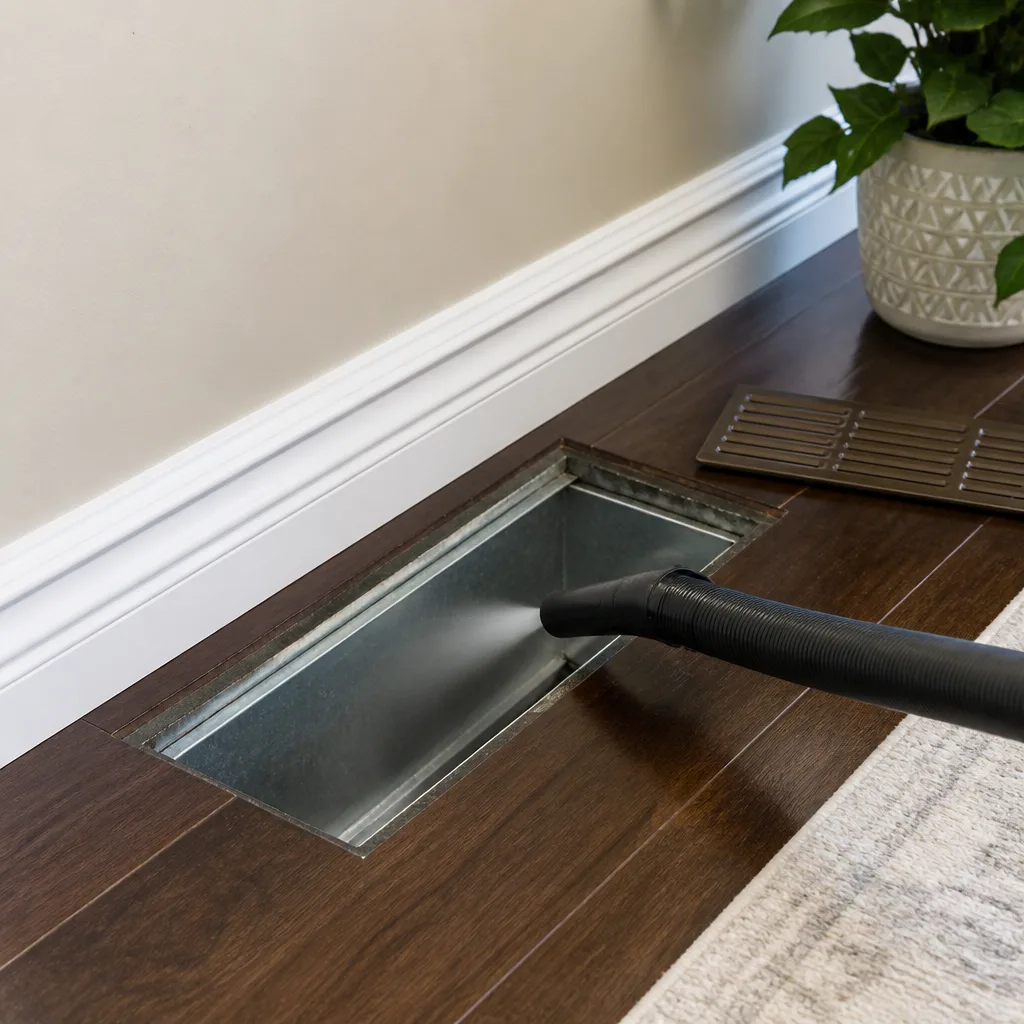
Professional air duct cleaning uses a truck-mounted or large portable negative air machine - a vacuum system that creates suction throughout the entire duct network while agitation tools dislodge debris. The key metric is airflow measured in cubic feet per minute (CFM). A truck-mounted Nikro or Abatement Technologies unit pulls 5,000-15,000 CFM. A portable shop-vac, even a “commercial” model, typically generates 100-200 CFM.
The difference is not incremental. Negative-pressure extraction creates airflow strong enough to carry heavy debris through the full length of a duct run and into a sealed collection system. A shop-vac can remove surface dust near the register but lacks the velocity to extract settled particulate from mid-run elbows or the plenum. In Fort Worth homes with original ductwork from the 1970s-1990s, where we’ve documented debris build-up of 2-4 inches at first elbows, shop-vac cleaning is functionally cosmetic.
Agitation Tools
Ask specifically: “What mechanical agitation do you use?” Valid answers include rotary brush systems (Rotobrush), compressed-air whips, or pneumatic skipper balls. Invalid answers: “We use high-pressure air” (meaning a compressor nozzle with no mechanical action) or “our vacuum is strong enough” (no agitation at all). Debris adheres to duct walls through static and moisture; suction alone does not dislodge it.
Access Equipment
For homes with hard pipe ductwork, the contractor needs the ability to cut access ports at strategic points - typically near the plenum and at mid-run locations - then seal them properly after cleaning. Ask how access points are created and sealed. Sheet metal patches with mastic sealant (a thick, flexible adhesive compound) are standard. Duct tape is not acceptable; it degrades in attic heat and fails within months.
What We Use
CleanRun’s equipment roster includes Rotobrush brush systems, Nikro and Abatement Technologies negative air machines, and Honeywell and Aprilaire filtration components. These are trade-recognized brands customers can verify independently. We name them because equipment transparency is part of Haven Standard Clause 1 - you should know what you’re paying for before agreeing to a price.
Red Flags During the Estimate Call
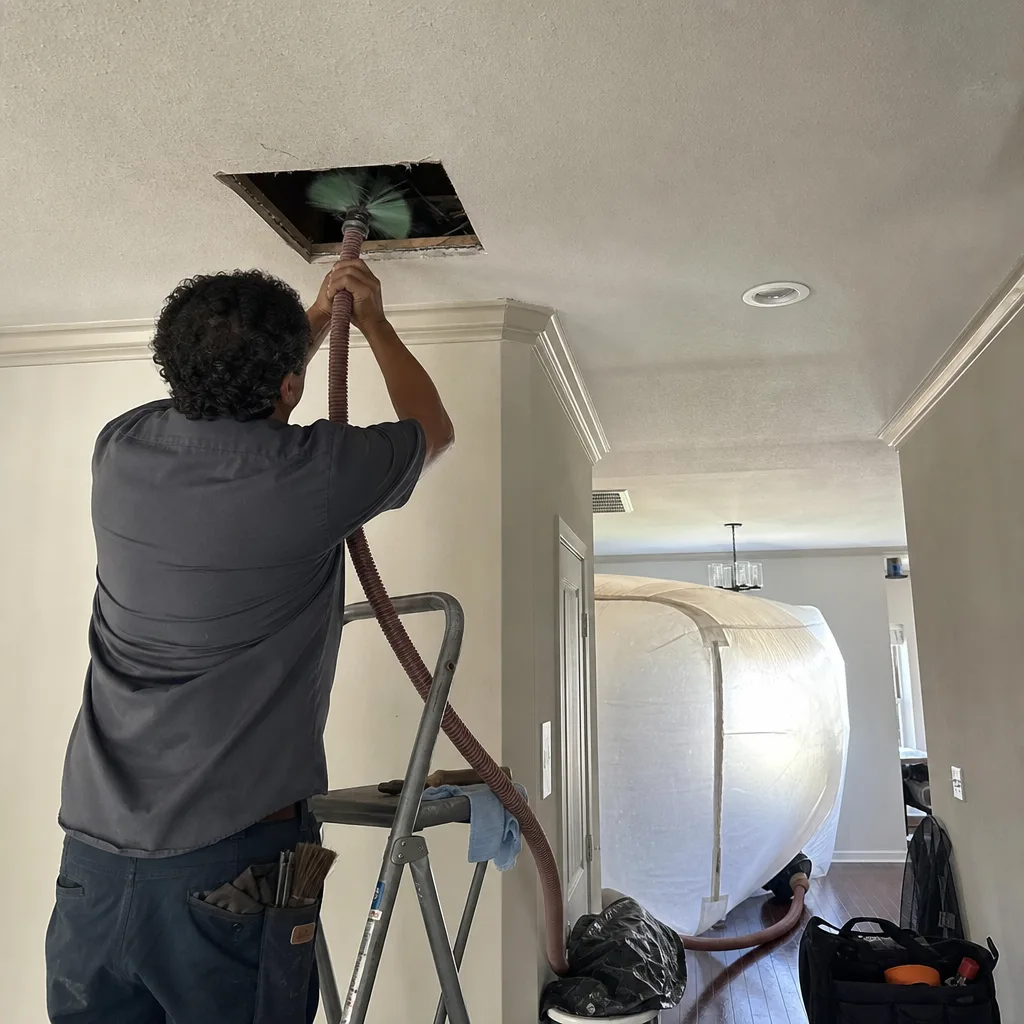
Certain patterns in the initial contact predict a poor outcome with high reliability. Watch for these specifically:
- Per-vent pricing with no cap. “Only $15 per vent” sounds precise until you count 22 vents and the total reaches $330 before any actual cleaning scope is defined. Worse, per-vent pricing incentivizes the contractor to clean quickly per vent rather than thoroughly per system.
- Same-day urgency pressure. “We have a truck in your neighborhood today” is a sales tactic, not a service advantage. Duct cleaning is a scheduled job requiring preparation (clearing attic access, protecting flooring, setting up containment). Same-day dispatch suggests a crew with empty time slots and commission pressure, not a booked professional schedule.
- Refusal to provide written quote before arrival. Any contractor who says “we need to see it first” for the quote but will not commit to a written price after seeing it is preserving flexibility to increase the price once inside your home. The correct sequence is: site assessment, then written quote with opportunity to decline before work begins.
- Vague equipment descriptions. “Professional-grade equipment” or “commercial vacuum” without brand names or specifications indicates either shop-vac level tools or a contractor who does not know their own equipment.
- Mold claims without testing. “You probably have mold in your ducts” stated before inspection is a setup for an expensive antimicrobial upsell. Actual mold identification requires laboratory analysis of tape-lift or air samples. Visual identification alone is unreliable and often used to justify unnecessary treatments.
- No physical address or local license verification. Fort Worth requires trade contractors to register with the city. A contractor who cannot provide a local business address or verify city registration may be operating without proper standing.
If you encounter two or more of these red flags, continue your search. The Fort Worth market has sufficient qualified contractors that you do not need to compromise on verification.
What a Legitimate Site Assessment Looks Like
A proper site assessment takes 20-45 minutes and follows a predictable structure. Knowing this sequence helps you distinguish a professional evaluation from a rushed checkout.
Step 1: System Inventory
The technician should count and document: number of supply registers (where conditioned air enters rooms), number of return registers (where air returns to the system), location of the main return plenum, and whether the system uses hard pipe, flex duct, or a combination. In Fort Worth’s Westover Hills or Rivercrest neighborhoods, older homes often have custom sheet metal fabrication that requires note-taking, not assumptions.
Step 2: Access Evaluation
The technician inspects attic or crawl space access, notes any obstacles (stored items, tight clearances, active roofing leaks), and identifies where access ports will need to be cut for thorough cleaning. They should explain this to you before quoting, not surprise you with “we had to cut extra holes” on the invoice.
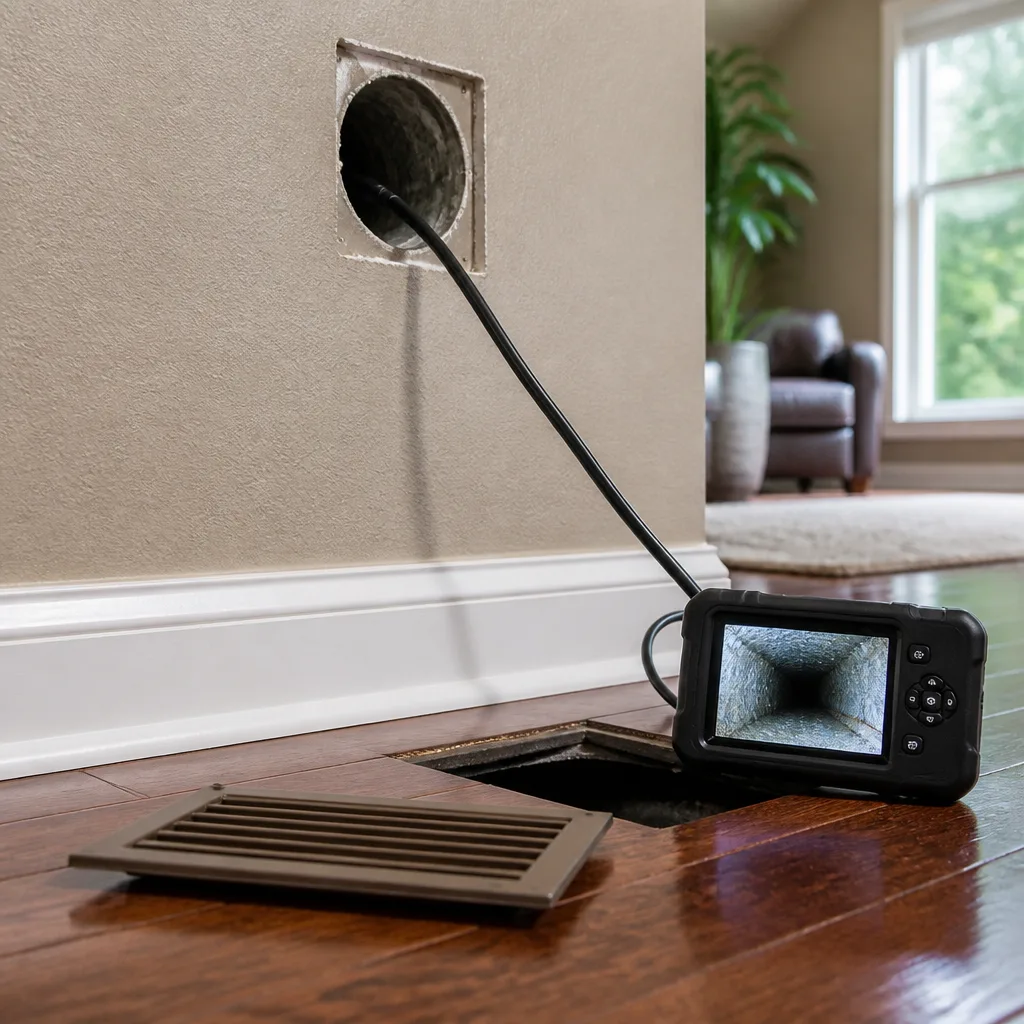
Step 3: Visual Inspection with Camera
A borescope or duct camera should be inserted into at least one supply and one return run to document internal condition. The technician should show you the live feed or recorded images. In our work across Fort Worth, we’ve found that homes near construction zones - particularly in fast-growing areas like Alliance Town Center or Viridian - often show elevated particulate loads from ongoing dust exposure. Camera documentation makes this visible rather than asserted.
Step 4: Contamination Assessment
The technician identifies the type and extent of debris: dust accumulation, construction residue, pest evidence, or moisture staining. They should not diagnose mold without sampling. They should explain what they see in plain language and how it affects the cleaning approach.
Step 5: Written Scope and Price
Only after steps 1-4 should a written quote be presented. The quote should reference the specific findings: “Clean 14 supply runs and 3 return runs as documented in camera inspection, cut 4 access ports per attached diagram, seal with mastic patches.” This is Haven Standard Clause 1 in practice - the price derives from documented scope, not from a flat rate pulled from a price sheet.
Step 6: Customer Review Period
You should have time to review the quote without pressure. A contractor who waits in your driveway or pushes for immediate signature is applying sales pressure, not service professionalism.
How to Verify the Work Was Actually Done
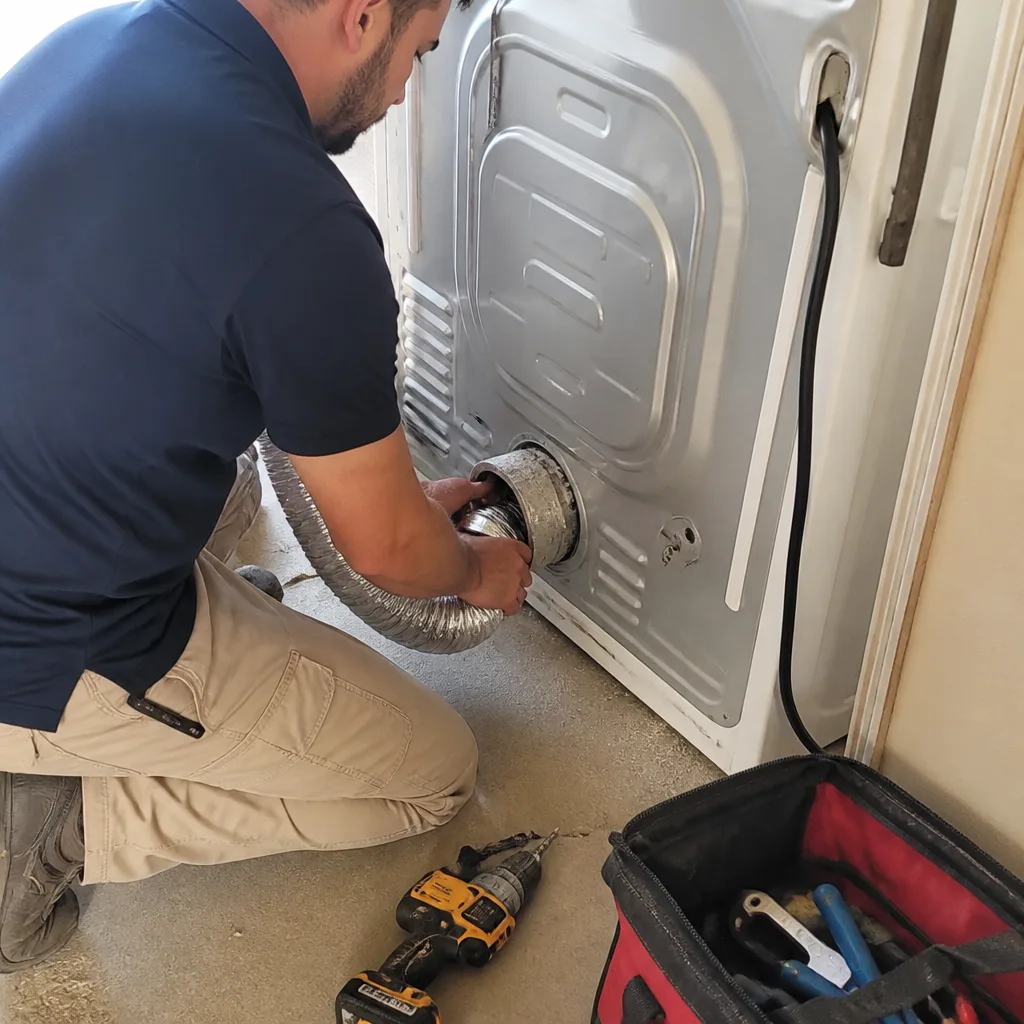
The most common complaint in air duct cleaning is not damage or rudeness. It is: “I paid for this, but I can’t tell if anything happened.” Here’s how to verify completion:
Demand the Photo Record Before Payment
Every duct run cleaned should have a before image and an after image. The after image should show the same location - identifiable by duct features, joints, or the camera’s distance marker - with visible debris removal. Not a register photo. Not a filter photo. The inside of the duct run.
At CleanRun, the Documented Photo Record is delivered as a standard job record before the technician requests final payment. This is not an extra service. It is the verification mechanism that makes our work accountable. Since our first job in 2013, we’ve maintained this practice on every home - over 52,000 documented systems.
Check Register Airflow
After cleaning, airflow at each register should be noticeably stronger. You can verify this subjectively (hand test) or with an inexpensive anemometer ($20-$30 online). A significant blockage removal should show measurable improvement. If airflow is unchanged, debris may not have been fully extracted.
Inspect Access Port Seals
All cut access points should be sealed with metal patches and mastic, not tape. In Fort Worth’s summer attic conditions, tape adhesive fails. Failed seals create air leaks that reduce system efficiency and can pull attic dust into the ductwork - undoing the cleaning.
Review the Invoice Against the Quote
The final invoice should match the written quote line for line. Any additions should have your prior written authorization. Haven Standard Clause 1 prohibits post-quote additions without explicit customer approval.
File the Warranty Documentation
Keep the written warranty or guarantee with your home records. If dust blowout occurs within the warranty period, you have a documented remedy. CleanRun’s 365-Day Done Right Promise means if the work is not right, we make it right - backed in writing, not subject to manager approval.
Fort Worth-Specific Considerations
Local conditions affect both duct degradation and contractor selection. Fort Worth homeowners should account for these factors:
Climate and Duct Material
Fort Worth’s climate combines high summer heat (attic temperatures regularly exceed 130°F from June through September), occasional severe hail, and significant pollen loads in spring. Flex duct, common in homes built 1985-2005, degrades faster in these conditions than in cooler climates. The insulation wrap separates from the inner liner, creating debris pockets that standard cleaning may not fully address. A contractor should identify degraded flex during camera inspection and note whether replacement is needed before cleaning proceeds.
Construction Dust Exposure
Rapid development in north Fort Worth, Far North Fort Worth, and the Alliance corridor means many homes are exposed to ongoing construction particulate. Even with closed windows, HVAC systems pull in fine dust through intake pathways. Homes within half a mile of active construction may need more frequent cleaning intervals - typically every 3-4 years rather than the standard 5-7 year recommendation.
Local Contractor Density
Fort Worth’s large geographic area (350+ square miles) and rapid growth have attracted numerous low-barrier-entry operators. The city requires contractor registration but does not maintain a specific air duct cleaning license. This makes third-party certification (NADCA, ASCS) and documented insurance more critical than in markets with state-level licensing.
Neighborhood-Specific System Types
Historic districts like Fairmount and Ryan Place (pre-1940 construction) often have modified gravity systems or early forced-air conversions with unusual duct configurations. Mistletoe Heights and Berkeley Place homes from the 1920s-1950s may have plaster-and-lath construction that complicates register access. A contractor familiar with Fort Worth’s architectural range - or willing to research your specific home type - demonstrates competence that phone-quote operations typically lack.
Common Mistakes to Avoid
- Booking based on coupon price alone. The $79 coupon in your mailbox is a customer acquisition cost, not a service price. The average final invoice for coupon customers in our Fort Worth market data runs $400-$800 after upsells. Start with written scope, not discounted entry.
- Assuming all duct cleaning is the same. “Duct cleaning” describes a range from register vacuuming to full-system negative-pressure extraction with mechanical agitation. Without specifying equipment and scope, you’re comparing unlike services.
- Neglecting the return side. The return ductwork (pulling air back to the system) is typically dirtier than supply ducts because it lacks filtration until the air reaches the filter. A quote that only specifies “supply vents” is incomplete.
- Skipping the photo verification step. Many homeowners feel awkward demanding documentation. Don’t. The photo record is your proof of performance. Any contractor confident in their work will provide it willingly.
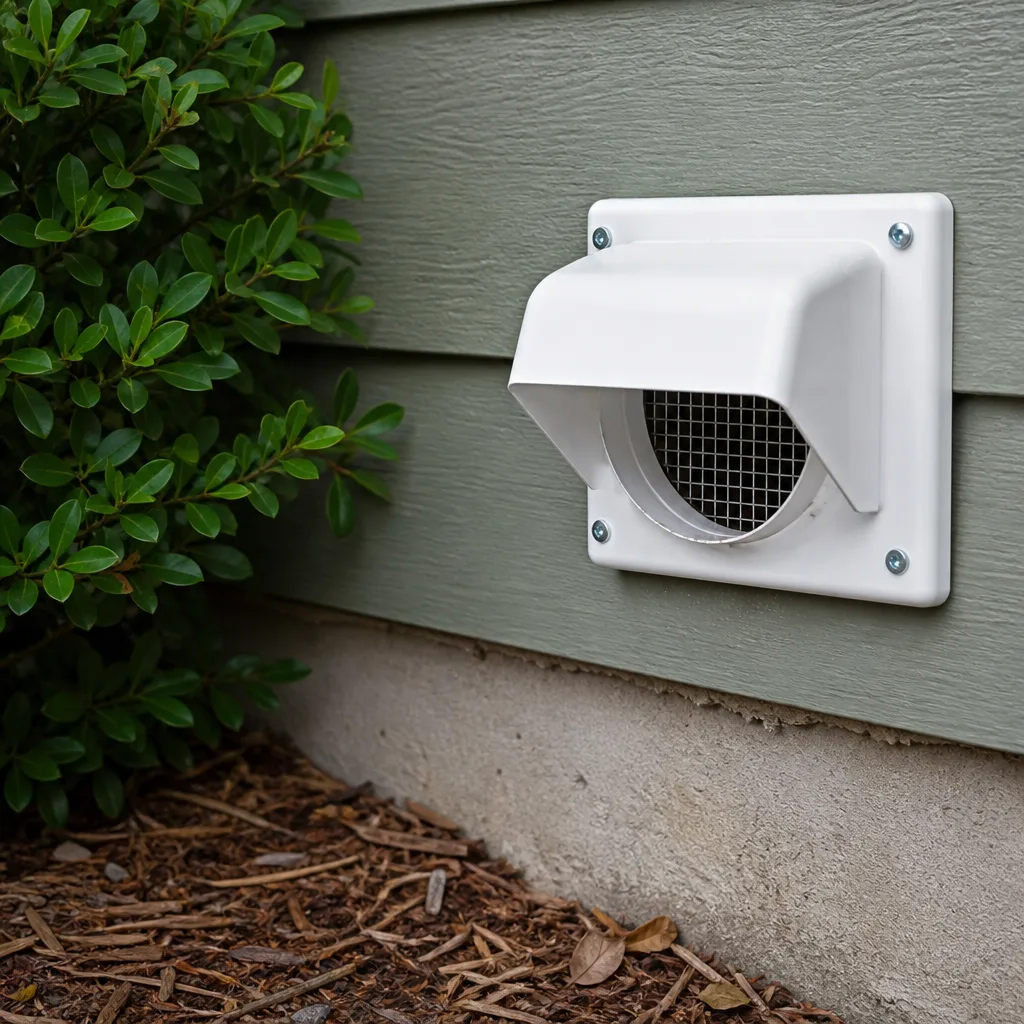
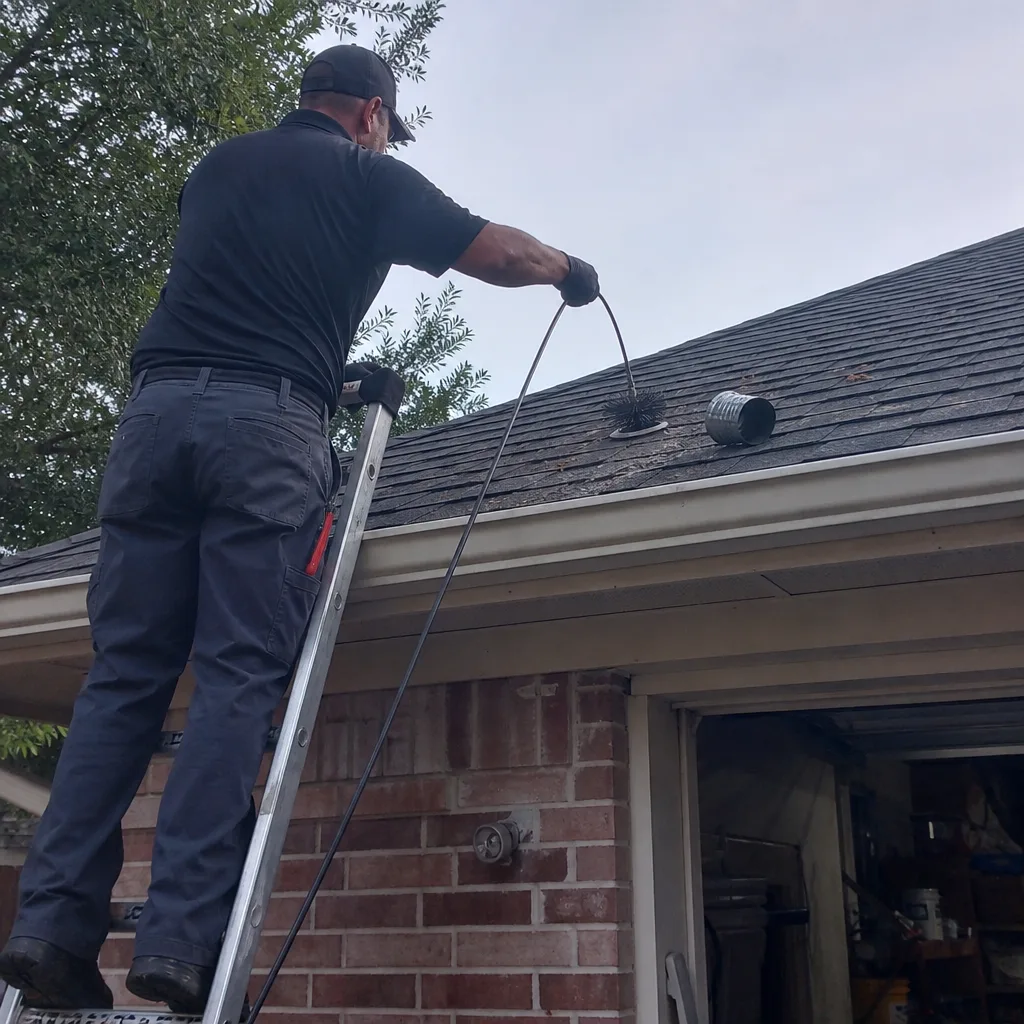
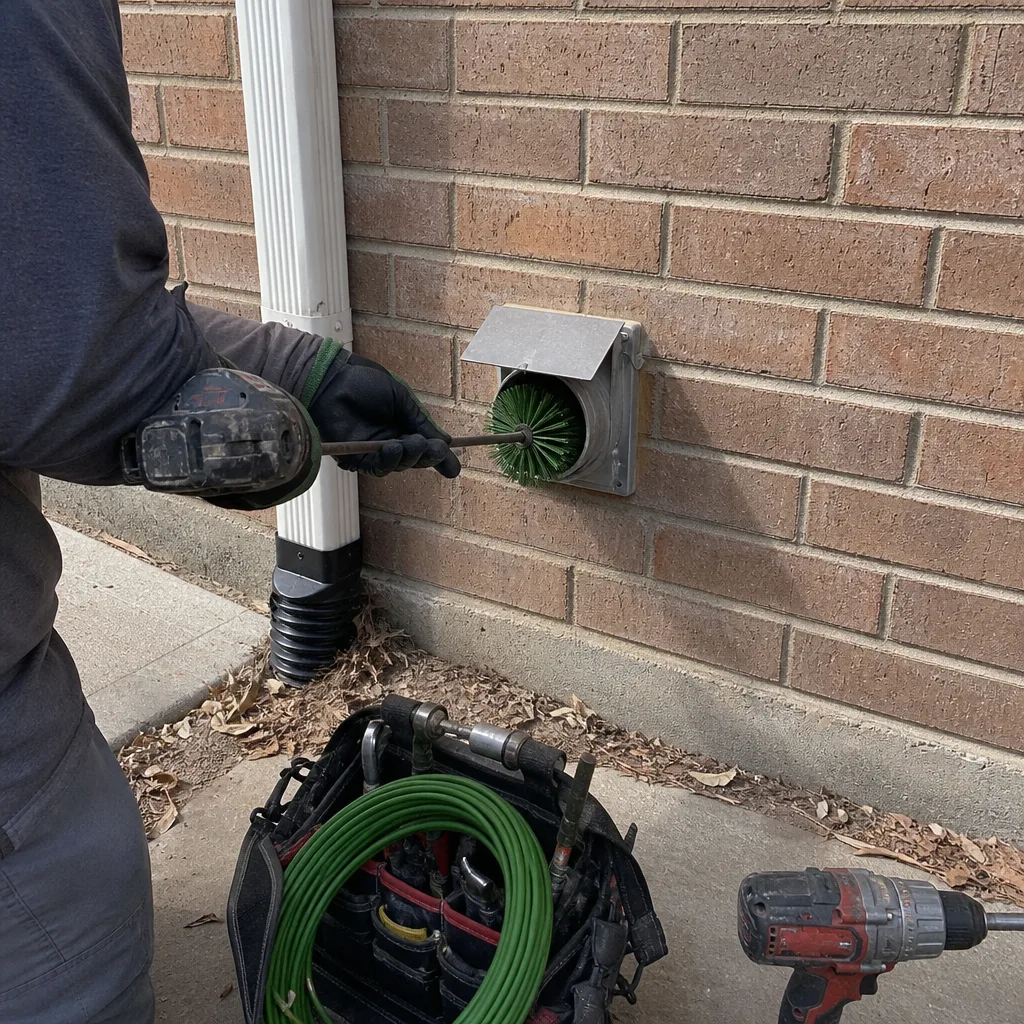
- Ignoring dryer vent cleaning as part of system maintenance. Lint accumulation in dryer vents is a leading cause of residential fires and reduces dryer efficiency significantly. Dryer vent cleaning in Fort Worth should be scheduled concurrently with duct cleaning for homes where the dryer duct shares attic or crawl space access with HVAC ductwork.
- Hiring without checking equipment brands. Trade-recognized equipment (Nikro, Abatement Technologies, Rotobrush) has published specifications you can verify. Unbranded or “proprietary” equipment cannot be evaluated.
- Failing to ask about HVAC cleaning scope. The air handler (blower, coils, plenum) is part of the circulating system. HVAC cleaning in Fort Worth should address the full air path, not just the ducts. A contractor who cleans ducts but leaves a contaminated blower is recontaminating the system on first use.
When to Call a Professional
Schedule a professional assessment when you notice visible dust emission from registers, reduced airflow in specific rooms, musty odors when the system cycles, or if your home has undergone recent renovation. In Fort Worth’s market, homes purchased between 2015 and 2025 - particularly in new construction areas - often have construction debris in ducts that builders’ rough cleanings missed entirely.
CleanRun Air Duct Cleaning Fort Worth offers free estimates in Fort Worth. Every estimate includes a full camera inspection, written itemized quote, and no obligation to proceed. Call (817) 520-8797 to schedule. We also provide a Free Second Opinion on any written estimate from another contractor - bring their quote and we’ll put our number next to it in writing.
Frequently Asked Questions
Whole-system air duct cleaning in Fort Worth typically ranges from $450 to $1,200 for residential homes, depending on system size, duct material, and contamination level. Homes with hard pipe ductwork, fewer access complications, and standard dust accumulation fall at the lower end. Homes with extensive flex duct, post-construction debris, or requiring multiple access port cuts fall at the higher end. Per-vent pricing is a red flag; insist on a whole-system quote with itemized scope. Call (817) 520-8797 for an exact quote - estimates are free.
Low quotes typically reflect limited scope (supply registers only, no return cleaning), shop-vac equipment rather than negative-pressure extraction, or a deliberate bait-and-switch model where the low price secures entry and upsells fund profitability. A legitimate quote accounts for full system cleaning with proper equipment. The difference between a $199 coupon job and a $650 professional job is not markup - it is entirely different services described with the same words.
Require a documented photo record of every duct run before and after cleaning, with images delivered before final payment. Verify improved register airflow. Inspect access port seals for proper metal-and-mastic closure, not tape. Compare the final invoice to the written quote. These steps make verification routine rather than confrontational.
For most Fort Worth homes, every 5 to 7 years with standard residential use. Homes with pets, allergy-sensitive occupants, recent construction, or proximity to active development may need every 3 to 4 years. Homes with pristine systems and minimal particulate sources may extend to 8 years. The correct interval is determined by camera inspection, not calendar assumption.
Air duct cleaning addresses the distribution channels (duct runs, registers, plenums). HVAC cleaning includes the air handler components: blower assembly, evaporator coil, and heat exchanger. A complete system cleaning addresses both. Cleaning ducts while leaving a contaminated blower recirculates debris immediately. Ask whether your quote includes both, and if not, why the air handler is being excluded.
Fort Worth does not require a specific permit for air duct cleaning, but contractors must be registered with the city and carry appropriate liability insurance. If duct repair or modification is needed - replacing degraded flex duct, for example - permit requirements may apply depending on scope. A qualified contractor will identify permit needs during assessment and include them in the written scope if applicable.
The Bottom Line
Hiring an air duct cleaning contractor in Fort Worth is a process design problem, not a trust exercise. Require five documents before signing: written itemized quote, certification proof, insurance certificate, photo policy in writing, and warranty terms. Verify equipment specifications - negative-pressure extraction with mechanical agitation, not shop-vac noise. Recognize red flags: per-vent pricing, same-day urgency, refusal to write a quote. Know what a proper site assessment includes so you can distinguish evaluation from sales patter. And after the job, verify with photo documentation, airflow testing, and seal inspection. The contractors who resist this process are telling you exactly who they are. The ones who welcome it - who’ve built their operations around documentation and accountability - are the ones worth hiring.
CleanRun Air Duct Cleaning Fort Worth home | Air Duct Cleaning in Fort Worth | Dryer Vent Cleaning in Fort Worth | HVAC Cleaning in Fort Worth
Written by Tomas Reyes, Owner at CleanRun Air Duct Cleaning Fort Worth, serving Fort Worth since 2013.