
Last updated September 23, 2026
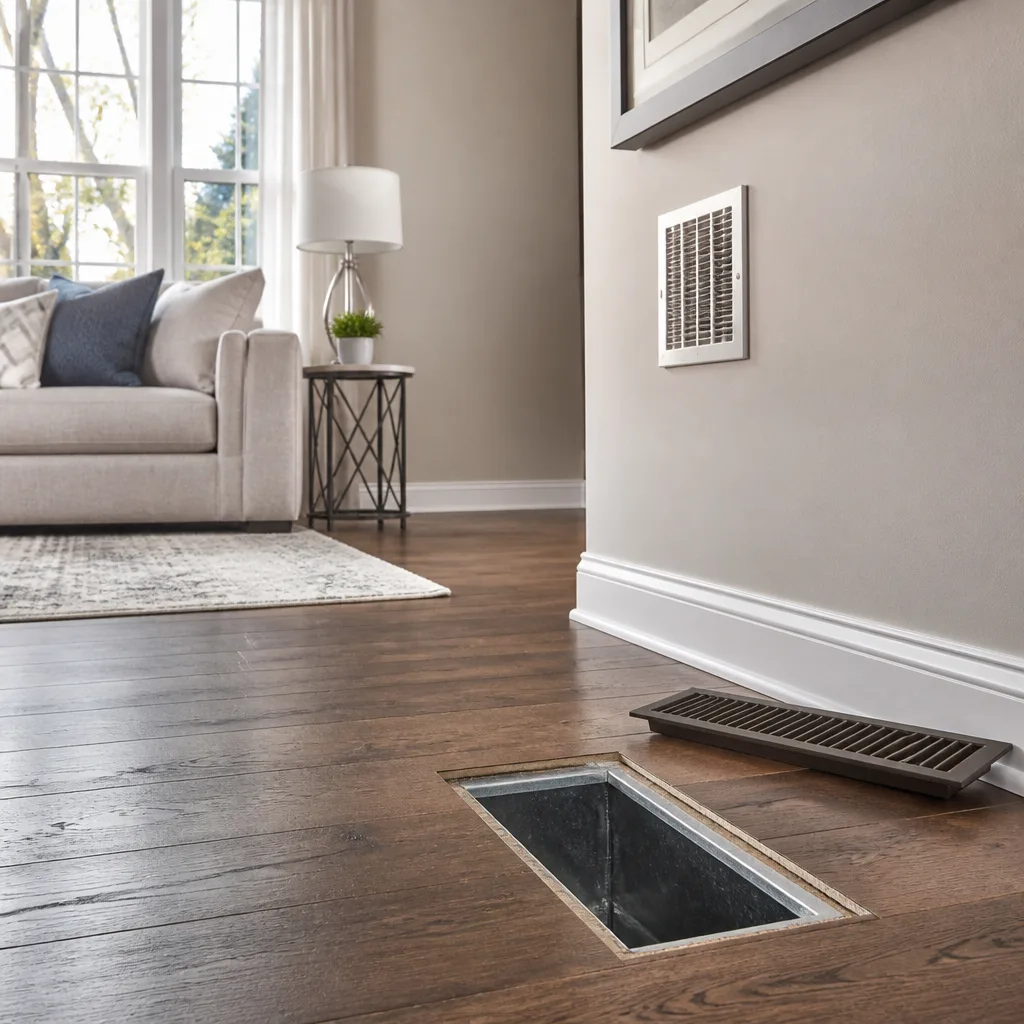
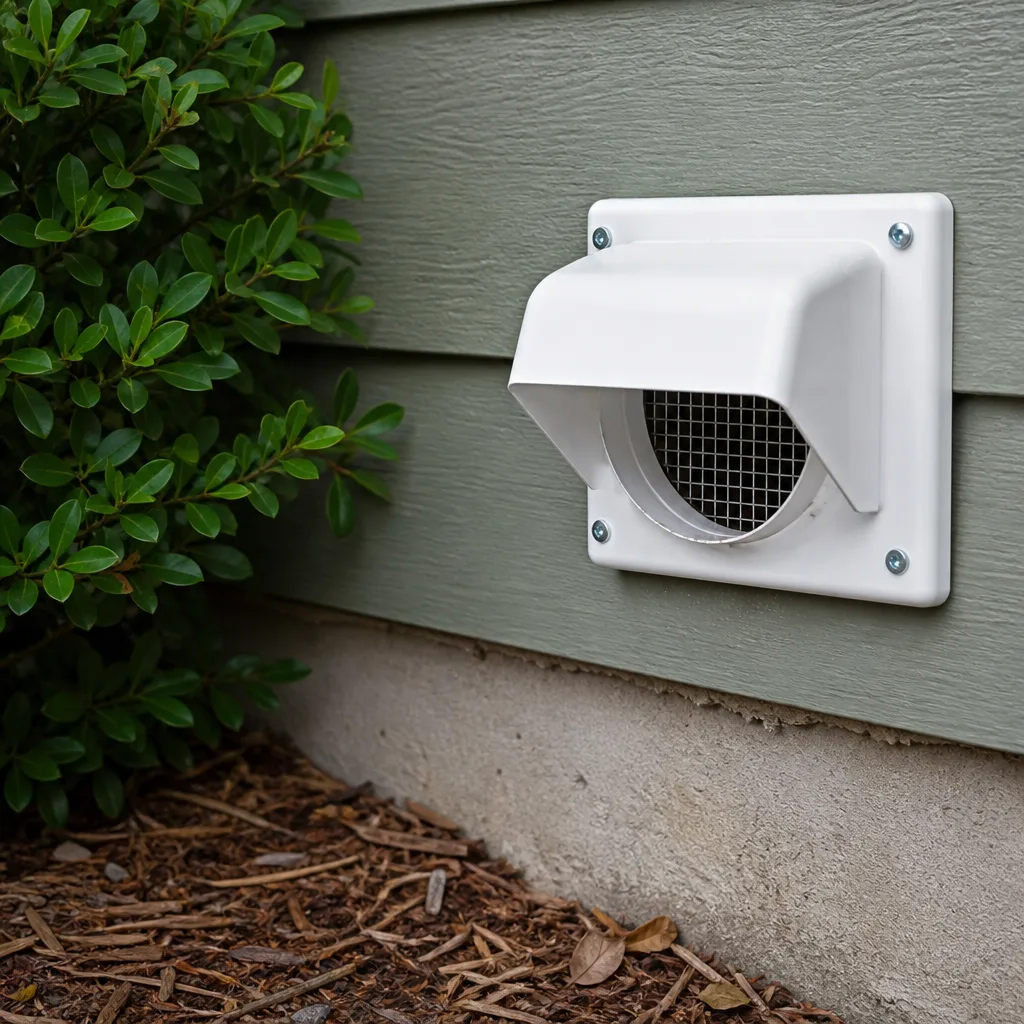
Whole-system duct and dryer vent check with before-and-after photos - you see exactly what came out of your vents
That "$99 whole-house special" is a bait ad - the real number appears once they are in your hallway, or the "clean" is a shop-vac at the register. We photograph the inside of your ducts before and after instead.
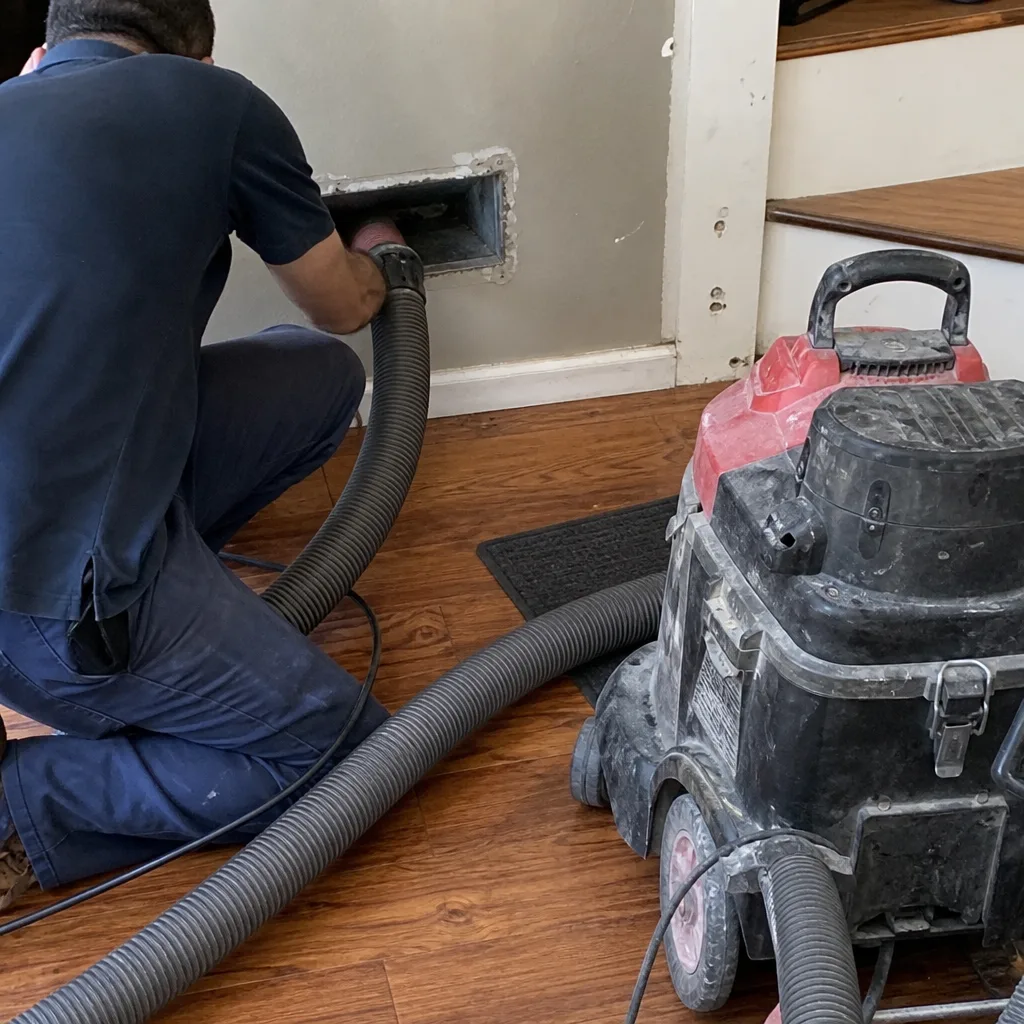 Before
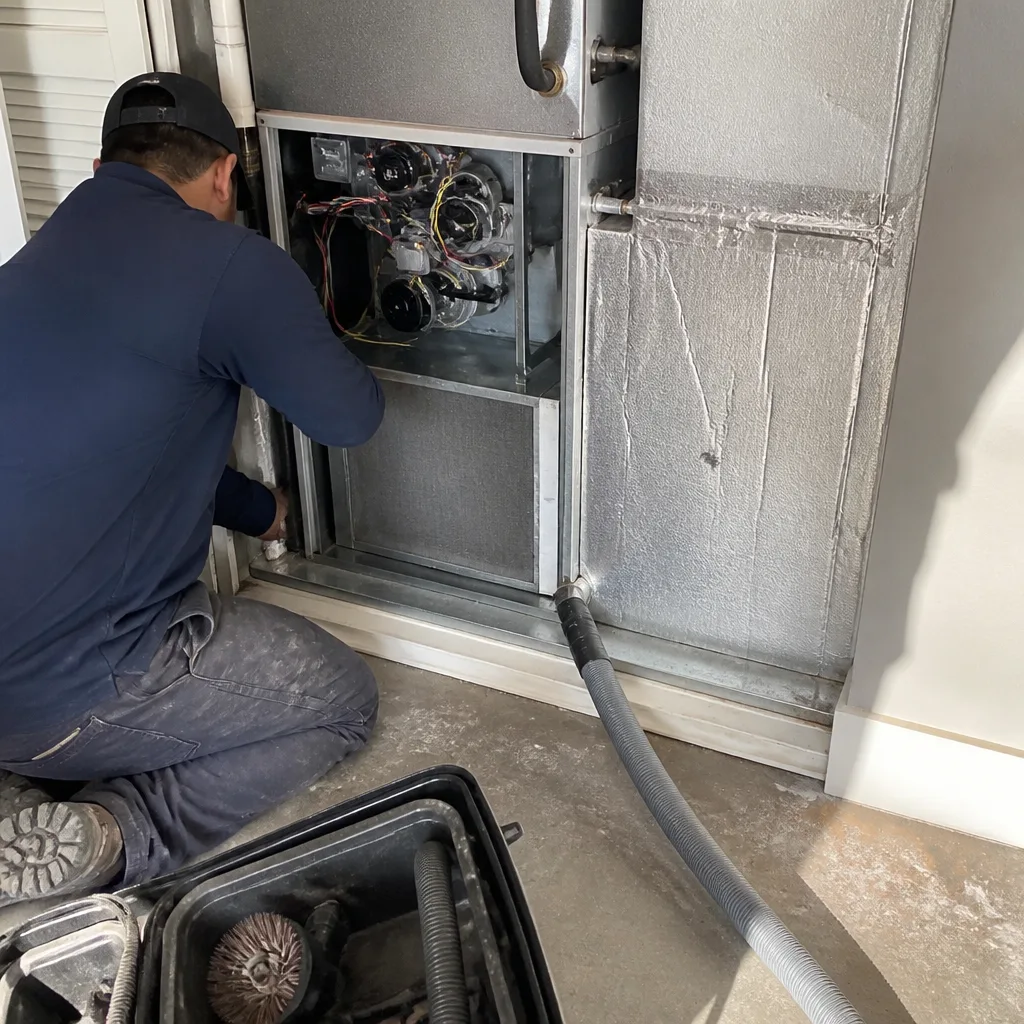 After
After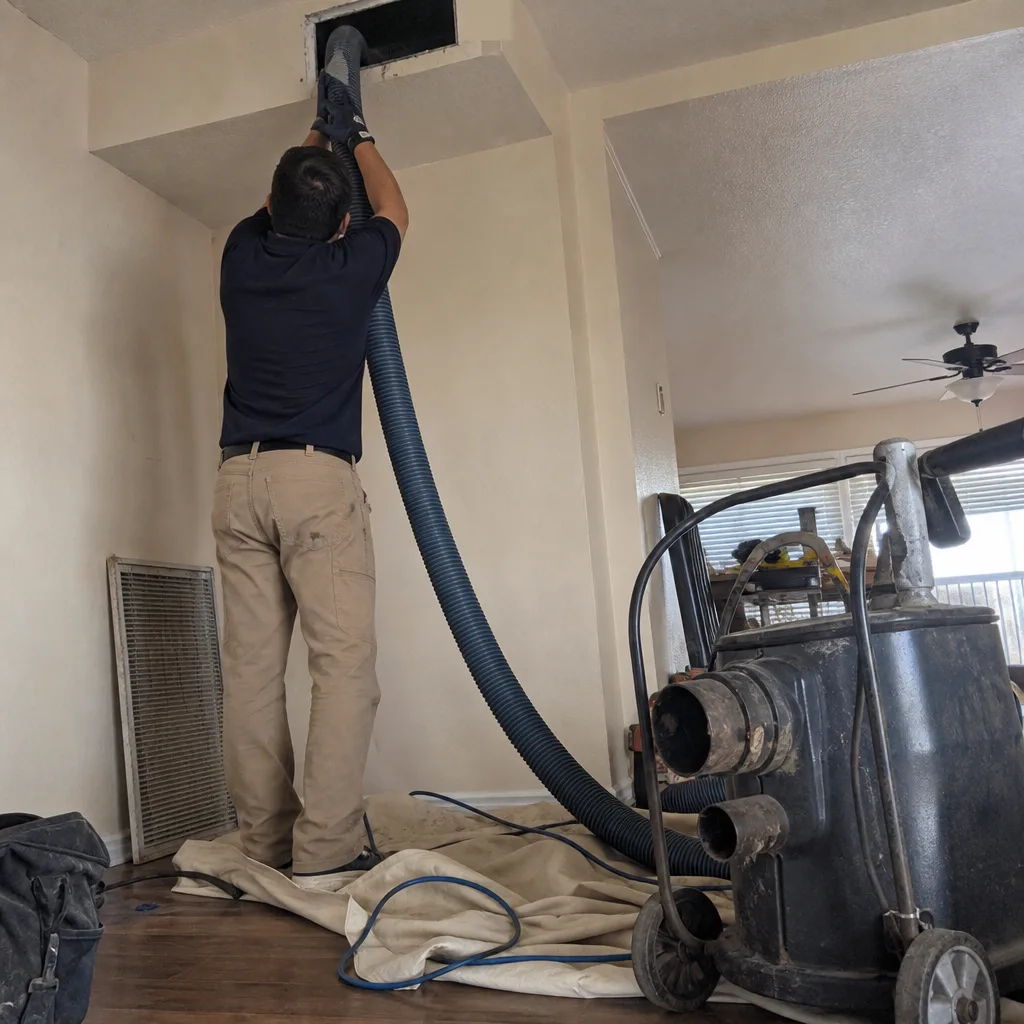 Before
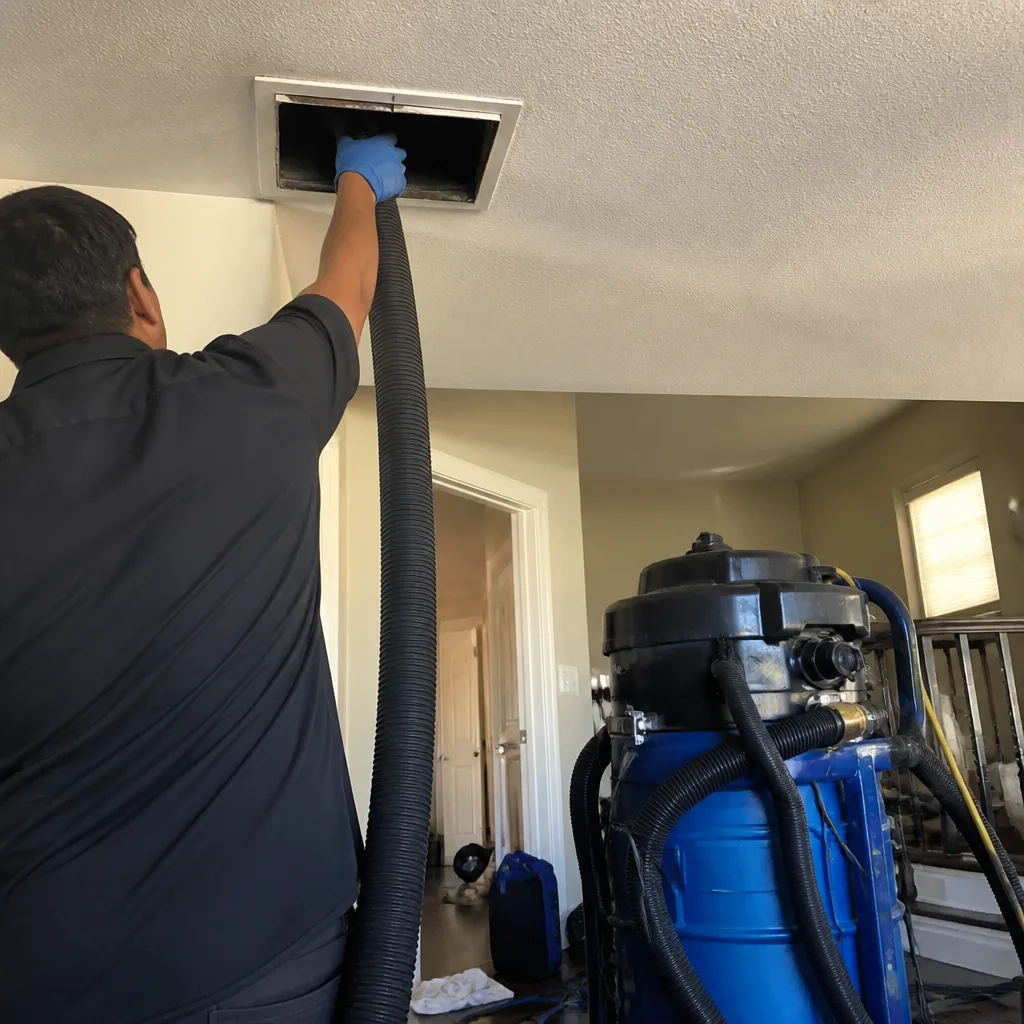 After
After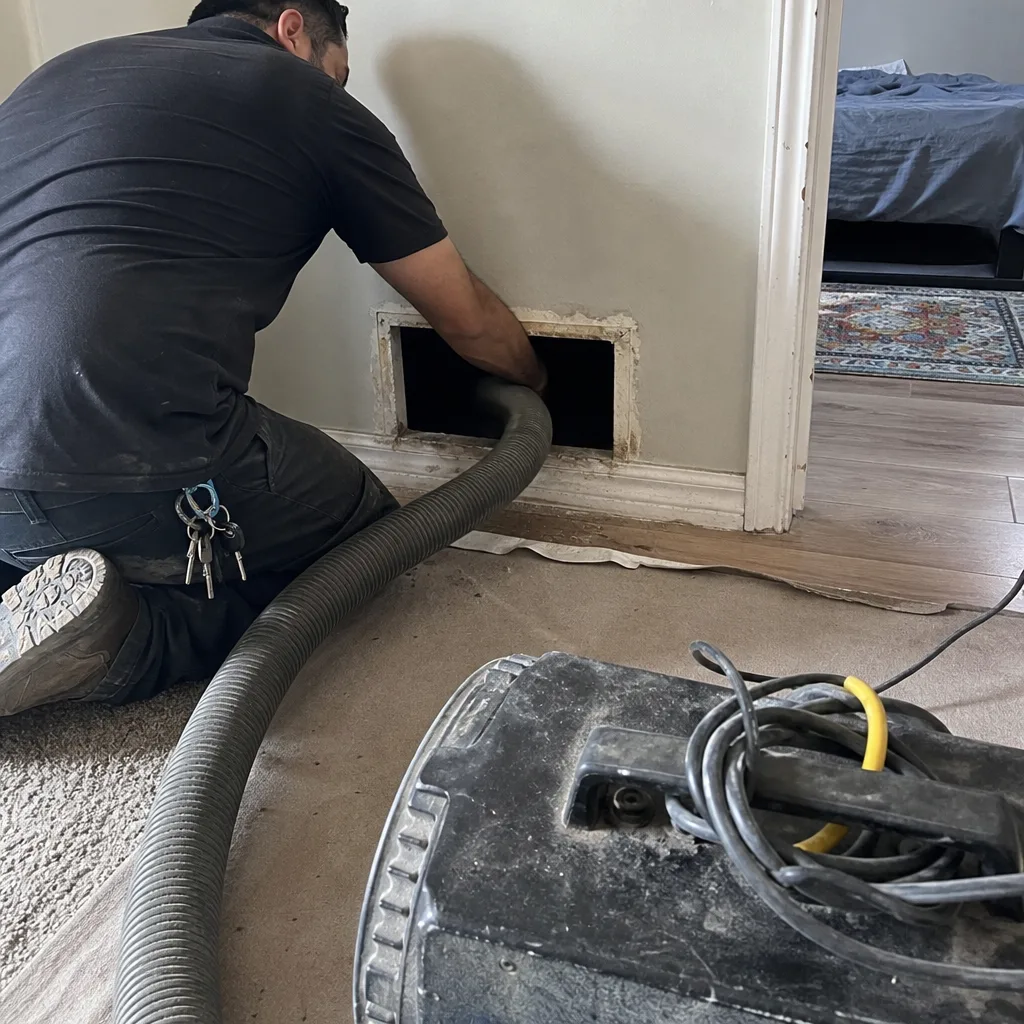 Before
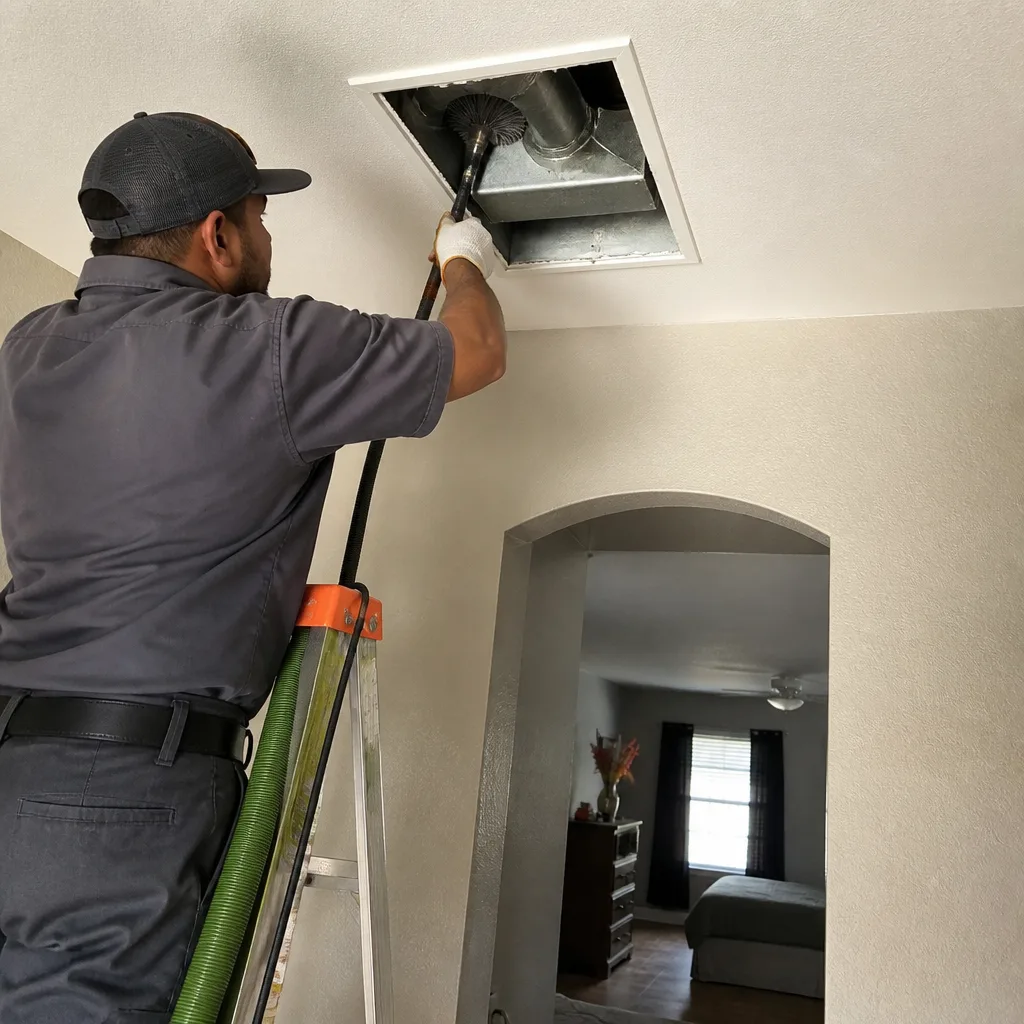 After
AfterSeasonal Air Duct Cleaning Care for Fort Worth: Year-Round Homeowner’s Guide
Fort Worth’s average summer attic temperature exceeds 140°F - a temperature at which flex duct insulation begins to degrade and foil-faced duct board seams start to fail. No national maintenance calendar accounts for that, and most local advice doesn’t either. In this guide, we’ll break down what actually happens inside Fort Worth ductwork across twelve months, from the thermal stress of a July afternoon in Wedgwood to the freeze-thaw damage that followed the February 2021 storm through Keller and Southlake. You’ll get a month-by-month checklist built for this climate, not a generic spring-and-fall schedule copied from a national HVAC blog.
Quick Answer
Fort Worth homeowners should inspect and maintain their ductwork across four distinct climate phases: heavy cooling season (May-September) for thermal degradation and seal failure, shoulder months (March-April and October) for full-system cleaning and pre-season checks, winter heating mode (November-February) for heat-exchanger and return-air cavity inspection, and the freeze-event recovery window (late February-early March) for damage assessment after hard freezes. A complete professional our Air Duct Cleaning services with documented photo record should happen once every 3-5 years under normal conditions, or immediately after any major weather event, renovation, or visible mold concern.
Table of Contents
- Heavy Cooling Season: What 140°F Attics Do to Your Ducts
- Shoulder Months: The Only Window for Real Maintenance
- Winter Heating Mode: Return Air and Combustion Safety
- Freeze-Event Recovery: Lessons from February 2021
- Humidity Cycling and Mold Risk in Fort Worth Ducts
- Month-by-Month Quick-Reference Checklist
- Common Mistakes to Avoid
- When to Call a Professional
- Frequently Asked Questions
BeforeAfterHeavy Cooling Season: What 140°F Attics Do to Your Ducts
From May through September, Fort Worth attics function as solar ovens. The roof decking in neighborhoods like Tanglewood and Overton Park can reach 160°F surface temperature by 3 p.m., and the air trapped beneath it routinely exceeds 140°F. That heat doesn’t stay in the attic. It presses against every surface of your duct system for five months straight.
Here’s what we’ve documented in Fort Worth homes during summer service calls:
- Flex duct inner liner degradation: The plasticized inner core of flex duct - the tube that actually carries your conditioned air - softens above 140°F. Over multiple summers, it develops micro-cracks that leak supply air into the attic. In a 2023 job near TCU, our camera showed a 3-inch longitudinal split in a 10-year-old flex run that the homeowner couldn’t feel from the register side - the air was simply vanishing into the insulation.
- Foil-faced duct board seam failure: Rigid duct board, common in 1980s-2000s Fort Worth construction, uses a foil scrim facing with a mastic seal. Heat cycling causes the mastic to become brittle; in August 2024, we found a 12-inch gap in a duct board plenum in the Meadowbrook area that had been leaking for at least two seasons. The homeowner’s electric bill had climbed 23% before they connected it to ductwork.
- Register boot seal separation: The connection between metal register boots and drywall or ceiling material is sealed with caulk or foam. Prolonged heat exposure dries and shrinks these materials. We see this most often in second-floor bedrooms of two-story homes in Alliance and Fossil Creek, where the boot pulls away from the ceiling and creates a visible halo of dust staining.
The inspection tasks for this season are specific and time-sensitive:
- Late April: Visually inspect all ceiling registers for dust halos or gaps between the boot and the ceiling surface. A flashlight held at an angle will show what straight-on viewing misses.
- Mid-July: Check your electric bill against the same month last year. A 15% or greater increase without a rate change or thermostat adjustment suggests supply-side duct leakage - your system is working harder to compensate for lost cooled air.
- Late August: With the system running, hold a smoke pencil or thin strip of toilet paper near register edges. Flutter indicates suction from return leaks or pressure imbalance; steady movement toward the register suggests supply leakage at the boot.
- September: Photograph any visible gaps or staining. This becomes your baseline for comparison after the shoulder-month maintenance window.
We do not recommend attempting attic duct inspection yourself during peak summer. The thermal environment is hazardous, and flex duct supported by strapping can collapse if handled incorrectly. Professional air duct cleaning in Fort Worth during shoulder months includes full attic duct assessment with thermal imaging - a safer and more complete approach.
Shoulder Months: The Only Window for Real Maintenance
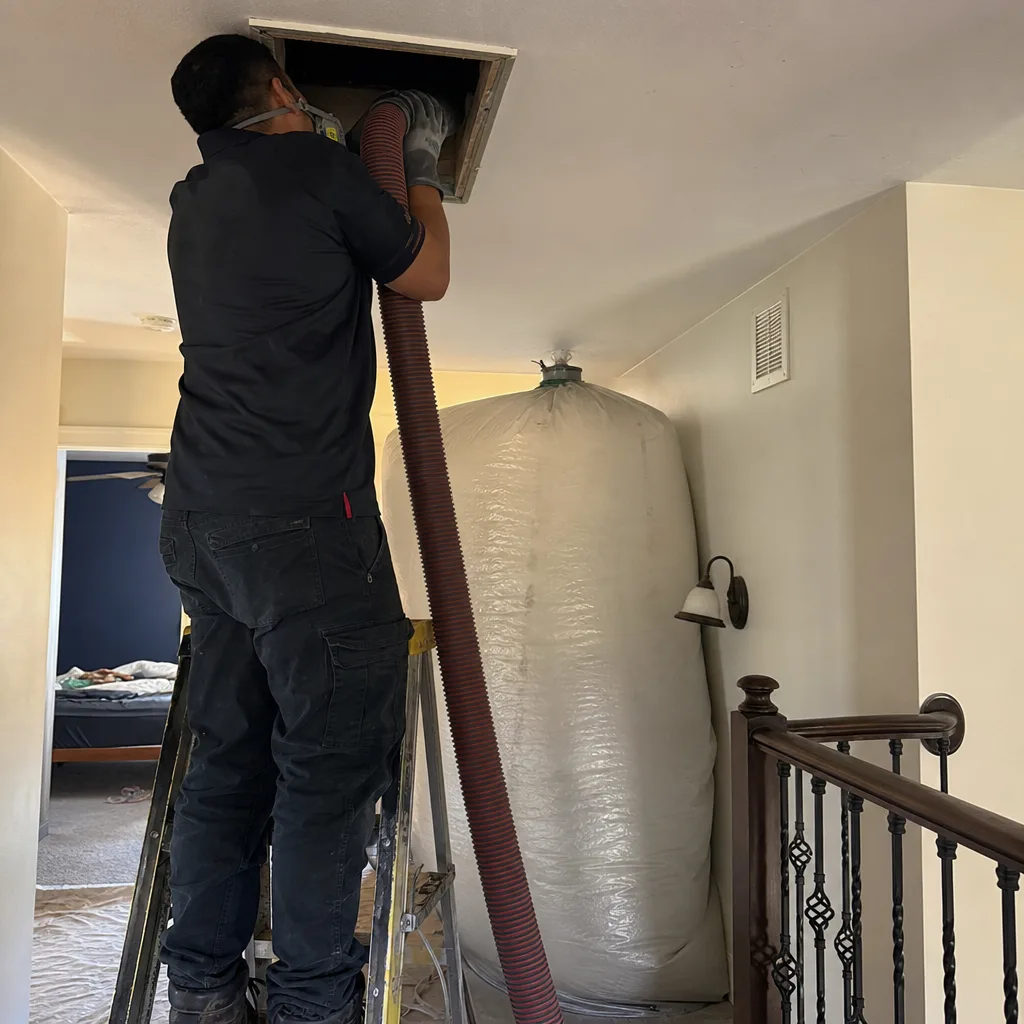
March through April and October are the only periods when Fort Worth attics are cool enough for extended work and the system isn’t under peak load. This is when professional duct cleaning, sealing, and repair should happen - see our Air Duct Cleaning Maintenance Checklist for Fort Worth Homeowners for full details. We’ve completed over 52,000 jobs since 2013, and the photo records show a clear pattern: work done in shoulder months identifies problems before they become emergency calls in July or January.
The shoulder-month protocol we follow on every CleanRun Air Duct Cleaning Fort Worth job includes:
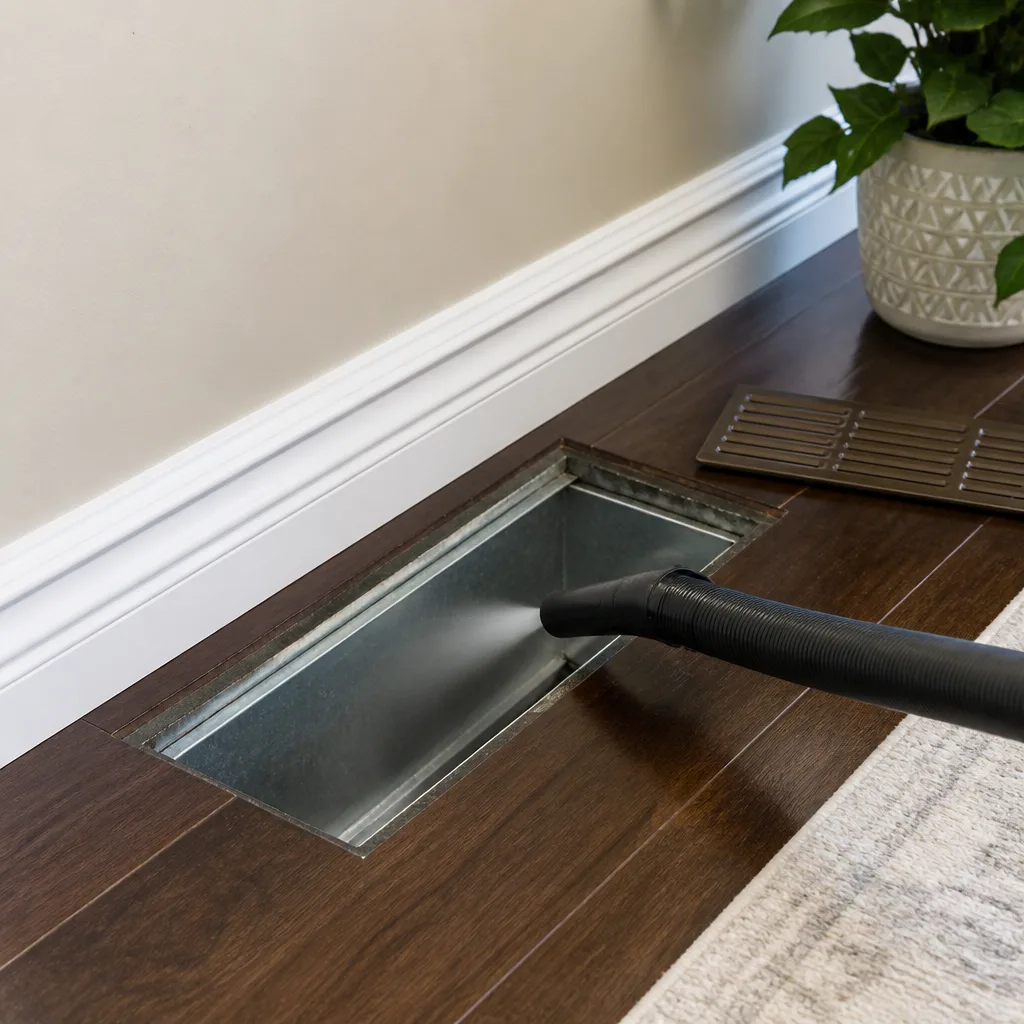
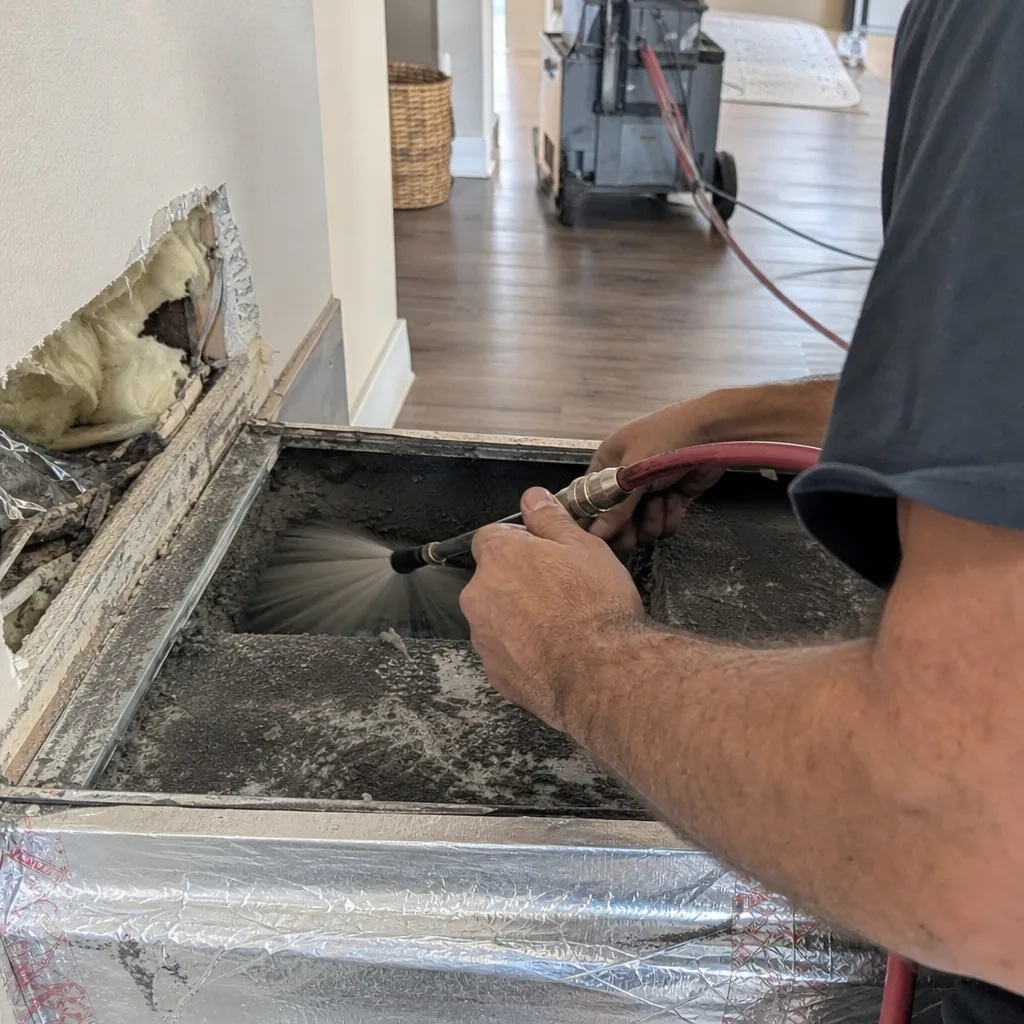
- Negative-pressure extraction of every duct run: We connect a Nikro or Abatement Technologies HEPA-filtered collection unit to the main trunk and seal each register in sequence. This pulls debris from the entire run, not just the first few feet accessible from the register. The alternative - a shop vac with a brush extension - disturbs debris without removing it, which is why we photograph every run before and after.
- Mechanical agitation with Rotobrush contact cleaning: For runs with visible buildup, we use a Rotobrush system with a rotating bristle head that contacts the duct wall directly. The brush head is sized to the duct diameter; a 6-inch head in an 8-inch flex run will miss the lower quadrant entirely. Our technicians measure before selecting equipment - Haven Standard Clause 2: Right Tool for the Scope.
- Plenum and coil inspection: The plenum - the distribution box where your air handler connects to the duct trunk - accumulates the heaviest debris because all air passes through it. We photograph the plenum interior, the evaporator coil face, and the return air drop. In a 2024 job near the Cultural District, the plenum contained a 2-inch layer of construction dust from a 2019 renovation that the previous cleaning service had never accessed.
- Written scope and price before work starts: Haven Standard Clause 1 requires a written price for the complete job, not a base rate with add-ons. Our Fort Worth customers receive a single flat price per system, with line items for duct repair or sealing if the inspection reveals separations. No per-vent pricing, no “we found mold” upsell after the van is parked.
Homeowner tasks during shoulder months are limited but important:
- Replace HVAC filters with the correct MERV rating for your system - typically MERV 8-11 for standard residential units in Fort Worth’s dust-prone climate. Higher is not better; a MERV 13 filter in an undersized return will starve the air handler and crack the heat exchanger.
- Verify that all registers are fully open and unblocked. Closing registers in unused rooms increases static pressure and accelerates duct seam failure - a practice we see frequently in large homes in Walsh and Montserrat.
- Schedule professional service if it’s been more than 4 years since the last documented cleaning, or if you’ve completed any renovation, flooring replacement, or drywall work since the last service.
Winter Heating Mode: Return Air and Combustion Safety
Fort Worth’s winter heating season runs November through February, with occasional extension into early March. While our winters are mild compared to northern states, the temperature swings create specific duct stress patterns. A 70°F day followed by a 28°F night causes metal ductwork to expand and contract rapidly. In homes with galvanized steel trunk lines - common in Fort Worth construction from the 1960s through 1980s - this cycling loosens longitudinal seams and separates connections at elbows and transitions.
The more serious winter concern is return air cavity contamination. In many Fort Worth homes, particularly in established neighborhoods like Mistletoe Heights and Berkeley Place, the return air path is not a dedicated duct but a framed cavity between floor joists or wall studs, lined with sheet metal or duct board. These cavities pull air from multiple rooms through central grilles, and they’re rarely cleaned during standard maintenance because they’re inaccessible without cutting access panels.
What we’ve found in Fort Worth return cavities during winter service calls:
- Construction debris accumulation: Nails, sawdust, drywall chunks, and insulation fragments from original construction, trapped for decades. In a 2023 job near Rivercrest, we removed 8 pounds of debris from a single return cavity that had never been accessed since the home’s 1978 construction.
- Biological growth from humidity stratification: Fort Worth winter humidity is low overall, but cooking, showering, and humidifier use create localized moisture at return grilles. Cold duct surfaces in unconditioned spaces condense this moisture, supporting mold growth in the cavity. Our cameras have documented this in homes where the homeowner reported “a musty smell when the heat first comes on” - the smell of spores being pulled through the system on startup.
- Filter bypass damage: When filters are omitted or incorrectly installed, unfiltered air enters the return cavity directly. We’ve seen return cavities in Fort Worth homes with 1/4-inch dust matting on all surfaces, effectively reducing the cross-sectional area and choking airflow to the air handler.
Winter inspection priorities:
- November: Verify filter fit - there should be no gap between the filter frame and the filter slot. Light visible around the edges means bypass, which contaminates the return cavity and the air handler cabinet.
- December-January: Note any odors at system startup. A brief dust smell is normal after months of disuse; a persistent musty or sour smell indicates biological growth that requires professional inspection.
- February: Listen for whistling or rumbling from return grilles. These sounds indicate airflow restriction, often from cavity debris or a collapsing flex duct connection.
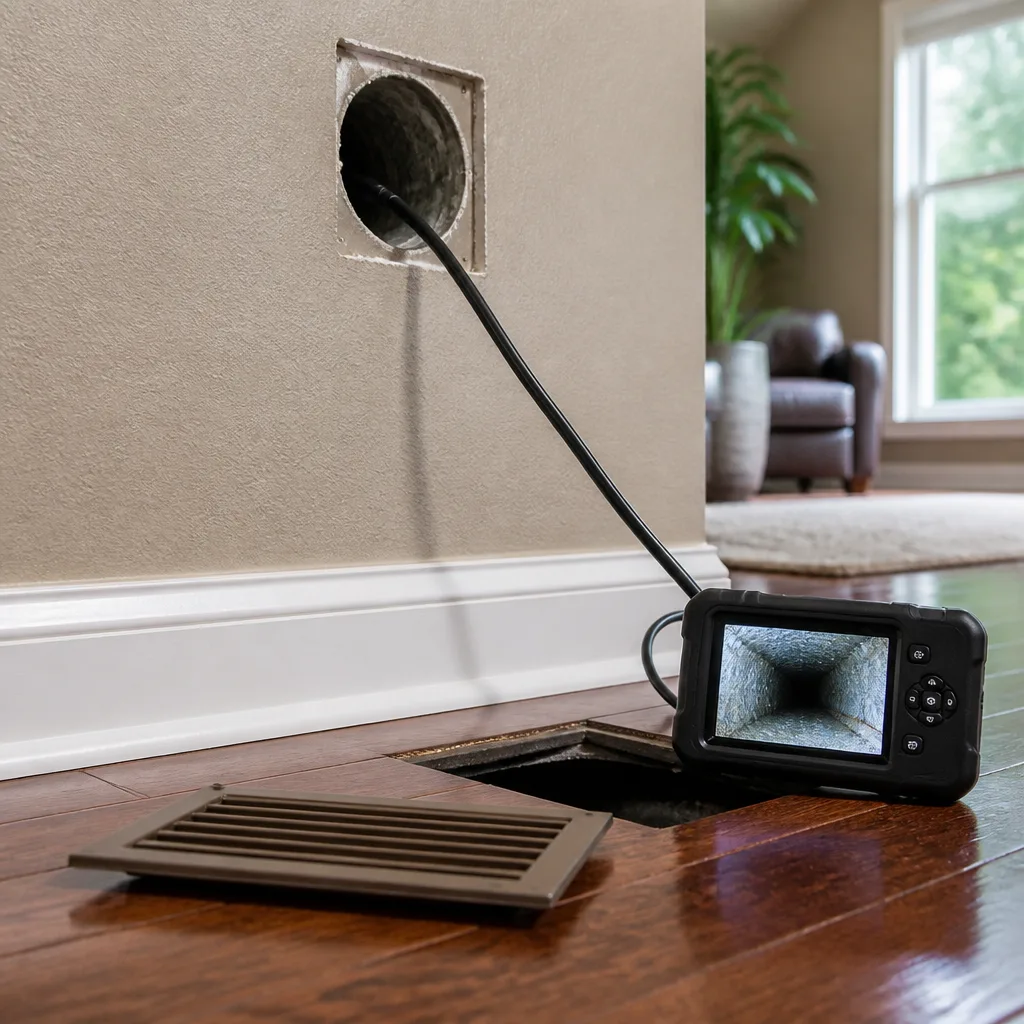
We do not recommend homeowner access to return cavities. The framing members, electrical wiring, and gas lines in these spaces create genuine hazard conditions. Our technicians use borescope cameras with articulating heads to inspect full cavity length through existing register openings - no cutting required unless repair is necessary, and any cutting is documented in the written scope with before-and-after photography.
Freeze-Event Recovery: Lessons from February 2021
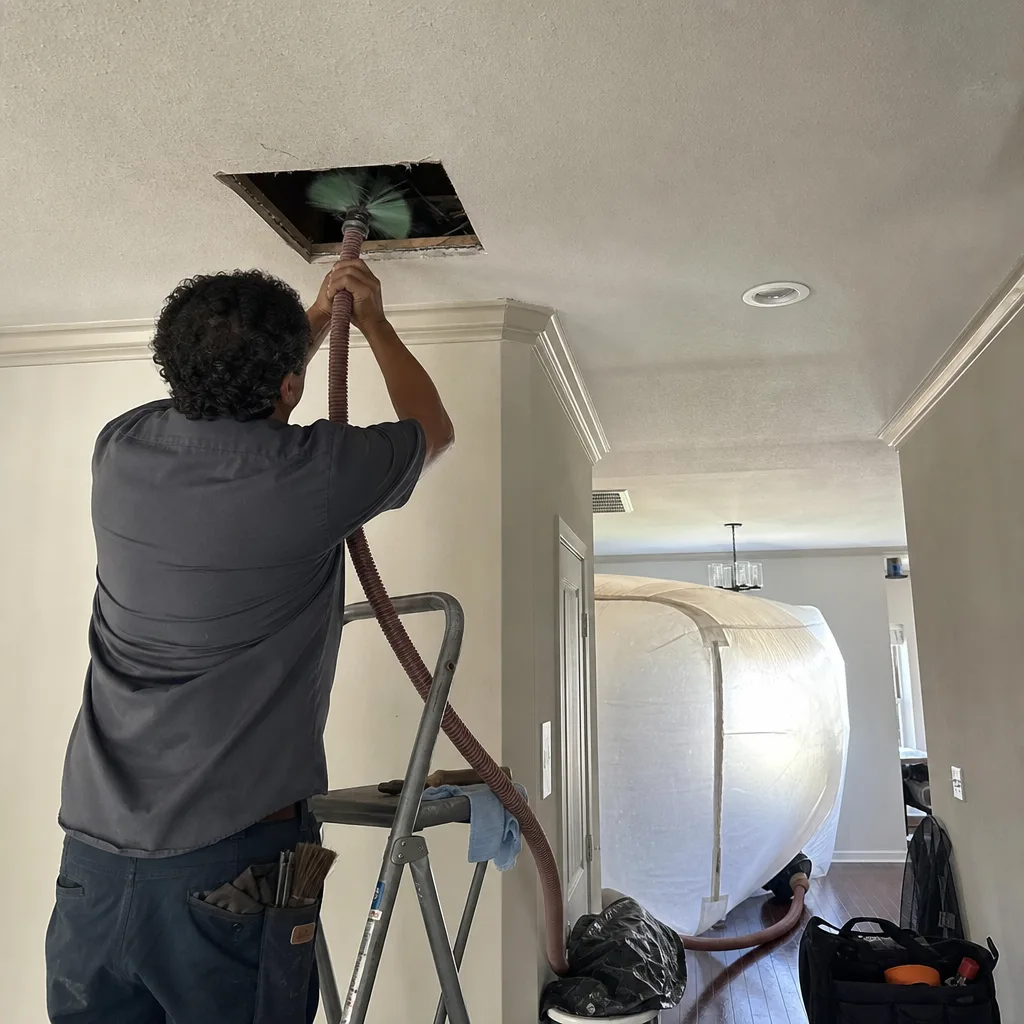
The February 2021 winter storm exposed vulnerabilities in Fort Worth duct systems that standard maintenance guidance doesn’t address. Temperatures dropped below 10°F for multiple days, and power outages caused indoor temperatures to fall below freezing in hundreds of thousands of homes. The damage patterns from that event are still appearing in our service calls four years later.
Specific freeze-event damage we’ve documented in Fort Worth:
- Condensate line rupture and duct flooding: When heat pumps and air handlers lost power, condensate in drain lines froze and expanded. In homes with horizontal attic air handlers, the condensate pan overflowed or cracked, releasing water into the duct system below. We found standing water in duct board trunks in three Ridglea homes in spring 2021, with accompanying mold growth that required full duct replacement.
- Frozen evaporator coil damage: Systems that attempted to restart on intermittent power often did so with frozen coils. The expansion of ice between coil fins caused refrigerant leaks and, in some cases, coil rupture that contaminated the supply plenum with refrigerant oil and aluminum oxide.
- Thermal shock to duct board: Rapid temperature drop from 70°F indoor air to below-freezing attic air caused duct board facing to delaminate from the fiberglass core. This damage is invisible from the exterior; we identify it by reduced airflow at registers and increased static pressure readings during system testing.
If your Fort Worth home experienced the 2021 freeze, or any subsequent hard freeze with power loss, these inspection points apply regardless of how long it’s been:
- Check the condensate drain line for cracks or separations at fittings. A wet spot on the ceiling below an attic air handler, even if dried, indicates previous overflow that may have saturated duct insulation.
- Request a static pressure test during your next HVAC service. Normal residential static pressure is 0.5 inches water column or less. Elevated readings suggest duct restriction from water damage, delamination, or collapsed flex duct.
- Inspect visible duct insulation for compression or water staining. Fiberglass insulation that has been wet and dried loses its R-value and can harbor mold in the vapor barrier layers.
We offer free second opinions on any written estimate for freeze-related duct damage. Bring a competitor’s quote; we’ll put our own assessment and price in writing under Haven Standard Clause 1. The photo record from our inspection will show exactly what we found and where - no interpretive language, just the image and the measurement.
Humidity Cycling and Mold Risk in Fort Worth Ducts
Fort Worth’s annual humidity pattern is a stressor that national duct maintenance guides rarely address. Relative humidity in July routinely drops below 35%, while May thunderstorms and September tropical moisture can push it above 85% in hours. This cycling - dry shrinkage followed by rapid moisture absorption - degrades duct materials and creates conditions for mold growth in specific system locations.
The mechanism works like this: during dry periods, the paper and adhesive components in duct board and flex duct insulation lose moisture and shrink slightly. When humidity spikes, these materials absorb moisture and expand. The repeated stress separates facing from core, creates micro-channels in mastic seals, and loosens tape bonds. More critically, it creates transient condensation on cool duct surfaces in humid conditions - the water source for mold colonization.
High-risk locations in Fort Worth homes:
- Return air cavities in exterior walls: These cavities are thermally connected to the outside wall sheathing. When humid outdoor air contacts the cool interior surface of the cavity lining, condensation forms on the duct board or sheet metal. We’ve documented active mold growth in these cavities in homes less than 5 years old, particularly in energy-efficient construction with tight envelopes that limit natural ventilation.
- Supply boots in unconditioned crawl spaces: Fort Worth’s clay soils hold moisture, and crawl spaces without vapor barriers maintain high humidity year-round. Supply boots - the metal transition from duct to floor register - are cold spots where condensation collects. In a 2024 inspection near Benbrook, we found Cladosporium growth on 6 of 12 supply boots in a crawl space with 78% relative humidity.
- Evaporator coil plenums: The plenum surface temperature during cooling operation is below the dew point of Fort Worth’s humid air for much of the year. Without proper insulation and vapor sealing, the plenum exterior sweats, and moisture wicks into surrounding duct connections. This is why we include plenum exterior inspection in every shoulder-month service - the damage starts outside and works inward.
Prevention and monitoring:
- Maintain indoor relative humidity between 40% and 55% during cooling season. Whole-home dehumidification, not portable units, is required for Fort Worth’s climate load. Honeywell and Aprilaire make whole-home dehumidifiers sized to integrate with existing duct systems - we install these as standalone jobs or as part of full system cleaning.
- Ensure crawl spaces have ground vapor barriers covering 100% of soil surface, sealed at seams and perimeter. This is building code in Tarrant County for new construction, but many pre-2010 homes lack it.
- Schedule professional inspection if you notice any of these indicators: musty odor at system startup, visible mold on register surfaces, or unexplained allergy symptoms that correlate with HVAC runtime.
We do not recommend DIY mold treatment in ductwork. The EPA and NADCA guidelines agree on this point: visible mold in HVAC systems requires professional remediation with containment, negative air pressure, and post-treatment verification. Our sanitizing service uses EPA-registered products applied with controlled droplet size to avoid over-wetting, followed by mechanical removal and photo documentation. The product label, application method, and result images are included in your job record.
Month-by-Month Quick-Reference Checklist
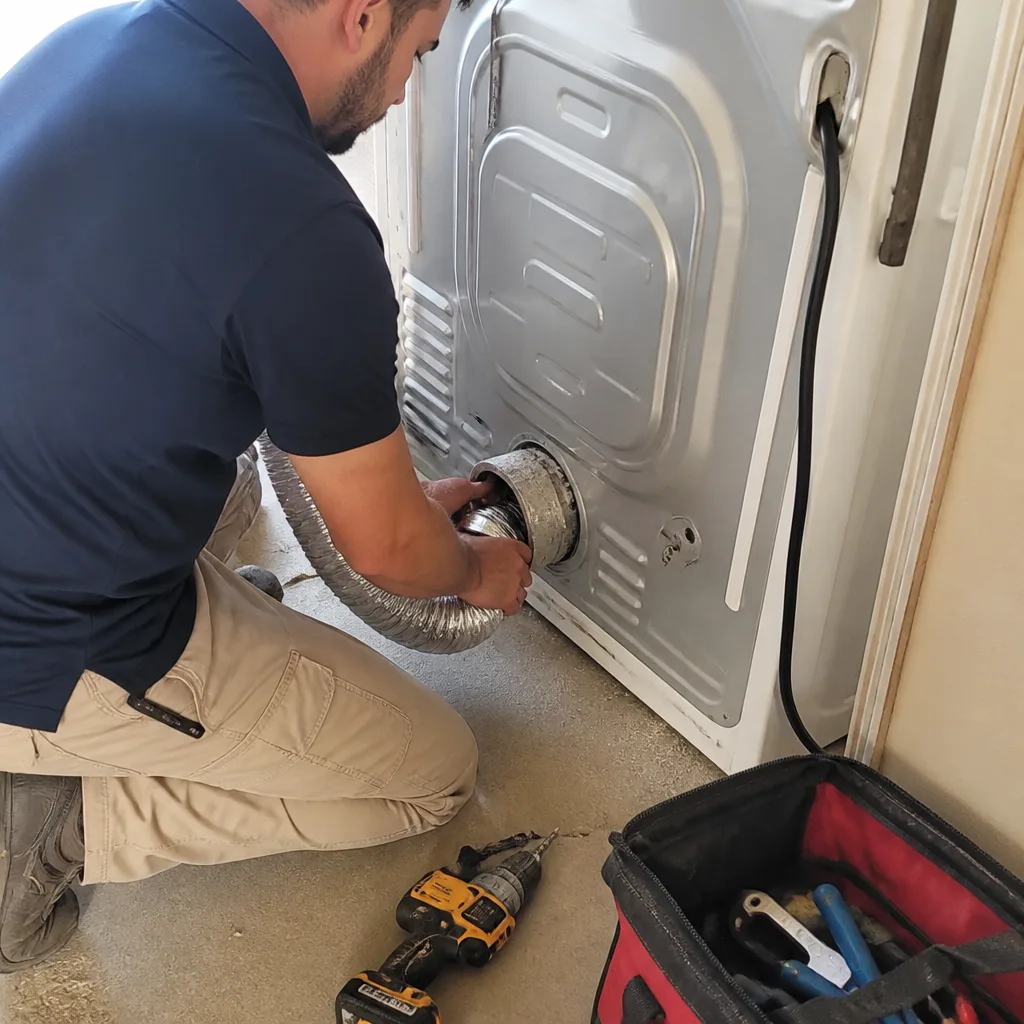
This checklist is designed for printing and checking against. Each item has a clear pass/fail criterion based on what we’ve documented across 52,000 Fort Worth-area jobs.
| Month | Task | Pass Criterion | Fail = Action Required |
|---|---|---|---|
| January | Filter inspection | Filter present, correct size, no gaps in frame, <30 days since replacement | Replace filter; verify nominal size matches slot exactly |
| February | Post-freeze damage check | No water stains below attic air handler; no new odors at startup | Professional inspection with static pressure test and photo documentation |
| March | Pre-cooling season professional service | Written scope received; all duct runs photographed before and after | Schedule air duct cleaning in Fort Worth with documented photo record |
| April | Register and boot inspection | No dust halos; boots secure to ceiling/wall; no visible gaps | Photograph damage; include in professional scope for sealing or repair |
| May | Humidity system check | Indoor RH 40-55%; dehumidifier operational if installed | Service or install whole-home dehumidification; inspect plenum exterior |
| June | Electric bill baseline | Within 10% of prior year same month, adjusted for rate changes | Schedule duct leakage inspection; check for attic insulation degradation |
| July | Mid-season register test | Smoke pencil stable at register edges; no flutter or suction | Professional leak detection and sealing; photo documentation of findings |
| August | Attic thermal stress check | No new odors; system cycles normally; no ice on refrigerant lines | Inspect duct insulation for compression; check for supply leaks in attic |
| September | End-of-cooling documentation | Photos from March/April compared; no visible degradation | Schedule repair before heating season load begins |
| October | Pre-heating season professional service | Written scope received; heat exchanger and return cavities inspected | Schedule full system cleaning with combustion safety check |
| November | Filter and return grille inspection | Filter sealed properly; grilles clean; no whistling or rumbling | Replace filter; professional inspection if airflow noise persists |
| December | Odor and performance baseline | No persistent musty smell; even heating in all rooms | Professional inspection of return cavities and air handler cabinet |
Common Mistakes to Avoid
- Scheduling duct cleaning during peak summer or winter load. Technicians can’t spend adequate time in 140°F attics, and systems can’t be shut down for proper negative-pressure extraction during extreme weather. The work gets rushed, and the photo record shows it - we’ve been called to redo jobs from other providers who worked in July and left debris in half the runs.
- Accepting per-vent pricing. A home with 12 registers isn’t necessarily dirtier than one with 8. Per-vent pricing incentivizes the technician to count quickly and clean slowly. Our flat price per system, agreed in writing before work starts, removes that conflict. Haven Standard Clause 1 exists precisely because we saw what per-vent pricing produced in this market.
- Ignoring the 2021 freeze if your home was affected. Four years is not too long for freeze damage to manifest. We’ve found condensate-damaged duct board in 2024 that traced to the 2021 storm - the homeowner assumed the system had “shaken it off.” It hadn’t.
- Installing high-MERV filters without verifying system capacity. A MERV 13 filter has roughly double the pressure drop of a MERV 8. In Fort Worth’s dusty climate, that difference loads up fast. We’ve replaced heat exchangers cracked by airflow starvation from filters that were technically “better.”
- Closing registers in unused rooms. This increases static pressure throughout the system, accelerating seam failure and reducing efficiency. In large Fort Worth homes with zoned systems, proper zoning uses dampers in the trunk, not register closure.
- Treating duct cleaning as a “when it smells bad” service. By the time you smell contamination, it’s established and often widespread. The photo records from our preventive cleanings show 40-60% less debris accumulation than reactive cleanings performed after odor complaints.
- Hiring based on coupon price without verifying documentation practices. The $79 duct cleaning special is a well-documented bait-and-switch pattern in Tarrant County. Ask for the written scope, the equipment list, and the photo record policy before scheduling. If any of those are “available upon request” rather than standard, the price will not be the final price.
When to Call a Professional
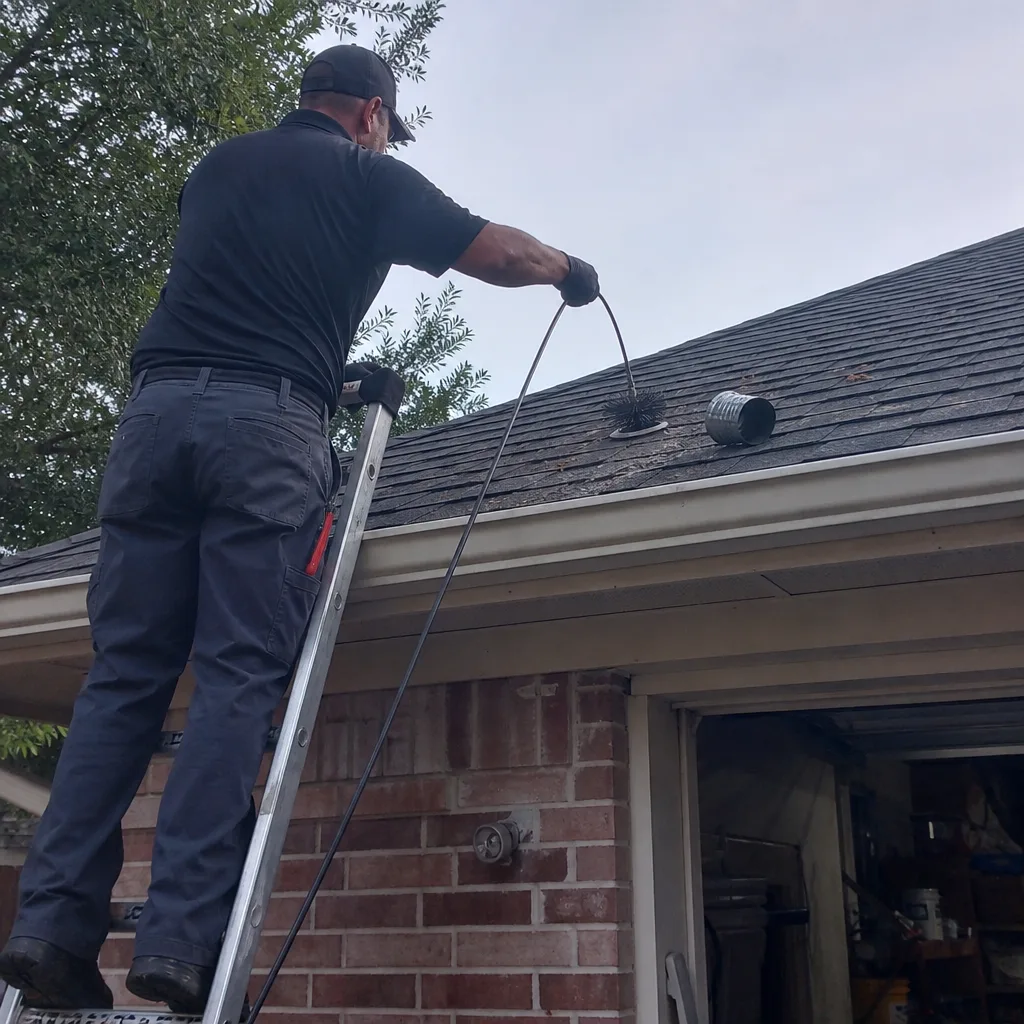
Call for professional inspection if you observe any of the following: persistent musty or sour odors at system startup; visible mold on any register surface; dust halos or gaps around ceiling boots; a 15% or greater increase in heating or cooling costs without usage change; uneven heating or cooling between rooms that previously performed equally; or any water staining on ceilings below attic ductwork. After any freeze event with power loss, schedule inspection regardless of visible symptoms - thermal and moisture damage often precedes detectable performance change by one or more seasons.
CleanRun Air Duct Cleaning Fort Worth offers free estimates in Fort Worth - call (817) 520-8797. Every estimate includes a written scope and flat price before any work begins, under Haven Standard Clause 1. We also provide free second opinions on any written estimate from another provider; bring their quote and we’ll put our assessment alongside it, with no obligation.
Frequently Asked Questions
A complete whole-system cleaning for a single residential HVAC system in Fort Worth typically ranges from $450 to $850, depending on system size, accessibility, and whether duct repair or sealing is required. For a detailed analysis, see our Air Duct Cleaning Cost Breakdown: The Fort Worth Homeowner’s Reference for 2026. This is a flat price per system, not per vent, agreed in writing before work starts. Jobs requiring full mold remediation, duct board replacement, or extensive seal repair may exceed this range; the written scope will specify exactly what drives any increase. Call (817) 520-8797 for an exact quote - estimates are free.
The $79-$199 duct cleaning special is typically a vacuum-and-brush service limited to register reach, with upsells for “extra vents,” “sanitizing,” or “mold treatment” presented after arrival. A legitimate whole-system cleaning requires HEPA-filtered negative-pressure extraction equipment, mechanical agitation sized to the duct, and access to the plenum and air handler - none of which are economically deliverable at coupon prices. Ask any provider for their equipment list, their photo record policy, and a written price for the complete job before scheduling. CleanRun publishes ours: Rotobrush, Nikro, and Abatement Technologies equipment; documented photo record on every visit; flat price per system under Haven Standard Clause 1.
You receive a documented photo record showing the interior of every duct run before and after cleaning, plus images of the plenum, coil face, and return cavity if accessed. These images are time-stamped and delivered as part of your standard job record - not available “on request” or for an additional fee. If a provider cannot or will not show you images of your specific ducts, you have no verification that the work occurred. This practice has been standard on every CleanRun job since our first service call in 2013.
Every 3-5 years under normal occupancy and no major events. Fort Worth’s dust load from caliche soils and construction activity, combined with thermal stress that degrades seals and allows infiltration, means our maintenance interval is shorter than national averages. Shorten to every 2-3 years if you have pets, recent renovation, or occupants with respiratory sensitivity. Extend only if your last service included a documented photo record showing minimal debris accumulation and intact seals throughout.
The equipment is the same - the application differs. Fort Worth’s high summer attic temperatures require heat-resistant flex duct and proper insulation R-value (R-6 minimum, R-8 preferred in unconditioned attics). The humidity cycling means dehumidification should be considered part of the HVAC system, not an afterthought. Our equipment roster includes Honeywell and Aprilaire whole-home dehumidifiers sized to Fort Worth’s latent load, installed as integrated components rather than portable units.
Schedule a professional inspection with static pressure testing and photo documentation of all accessible ductwork, even if you haven’t noticed performance changes. Freeze damage to condensate systems and duct board often has a delayed presentation - we’ve found active problems in 2024 that originated in 2021. The inspection should include the plenum, return cavities, and any flex duct in unconditioned spaces. CleanRun provides free second opinions on any written estimate for freeze-related damage; call (817) 520-8797 to schedule.
The Bottom Line
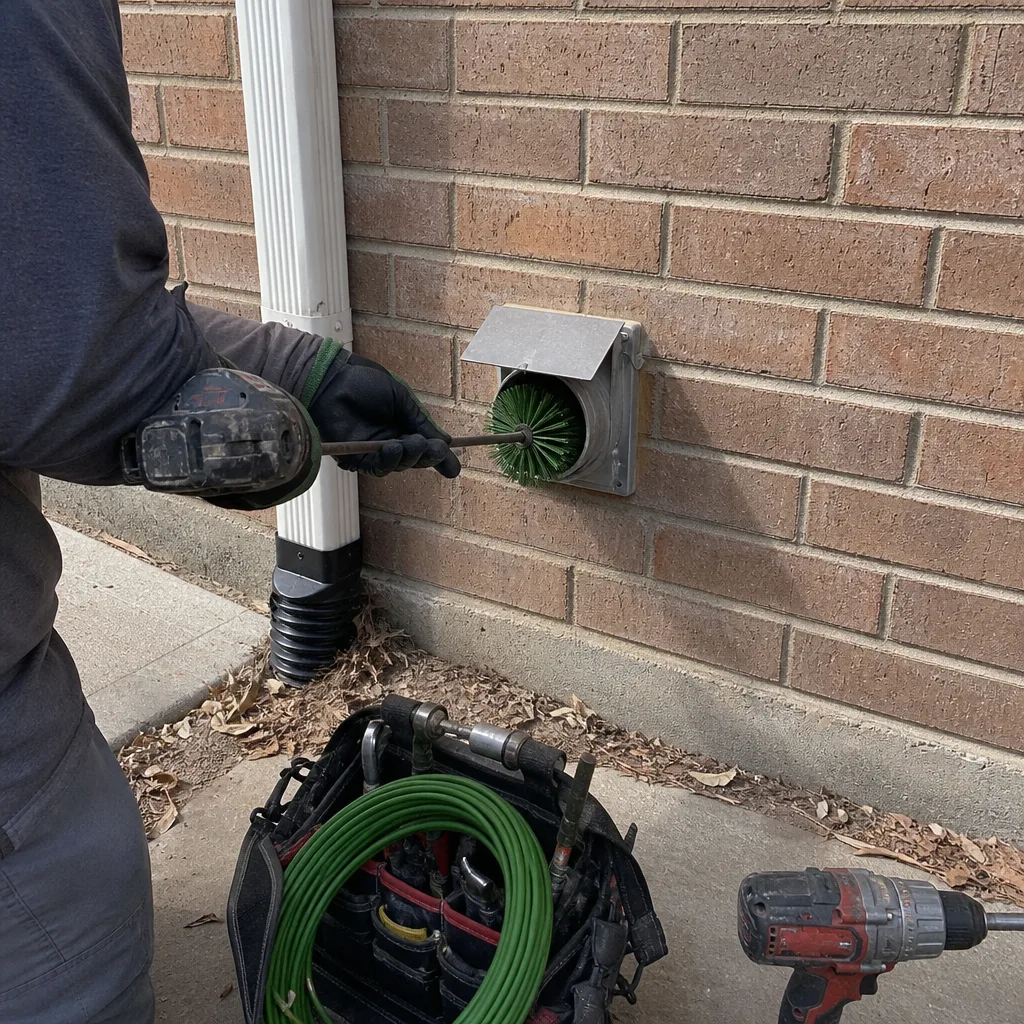
Fort Worth’s climate demands a duct maintenance schedule built around real conditions: five months of attic temperatures that degrade flex duct and foil facing, humidity cycling that creates mold risk in return cavities, and freeze events that cause damage with delayed symptoms. The national spring-and-fall calendar doesn’t account for any of this. Use the month-by-month checklist above, prioritize shoulder months for professional service, and verify any provider’s work with a documented photo record of your specific system. For more guides & resources, explore our blog. The 365-Day Done Right Promise means the accountability doesn’t end when the truck leaves - it’s backed in writing on every job we complete.
Written by Tomas Reyes, Owner at CleanRun Air Duct Cleaning Fort Worth, serving Fort Worth since 2013.