
Last updated September 23, 2026
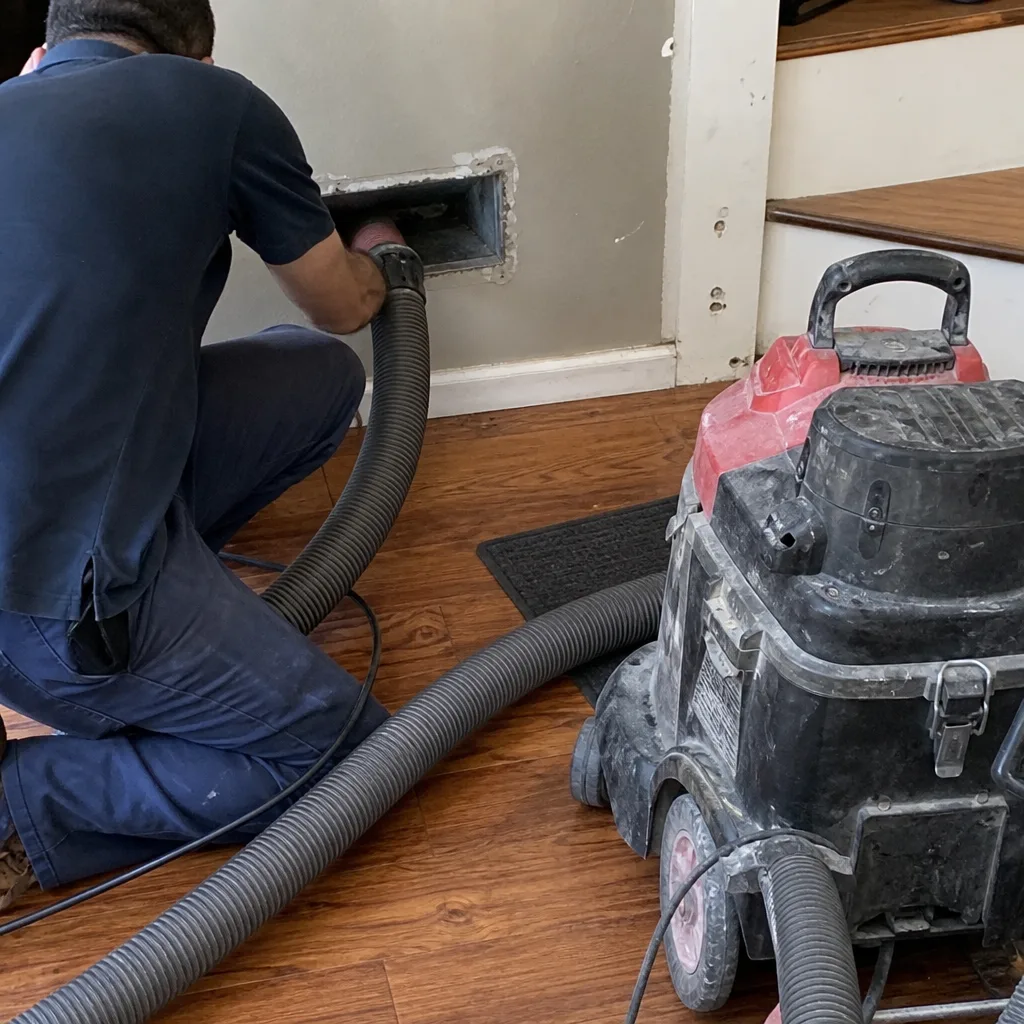
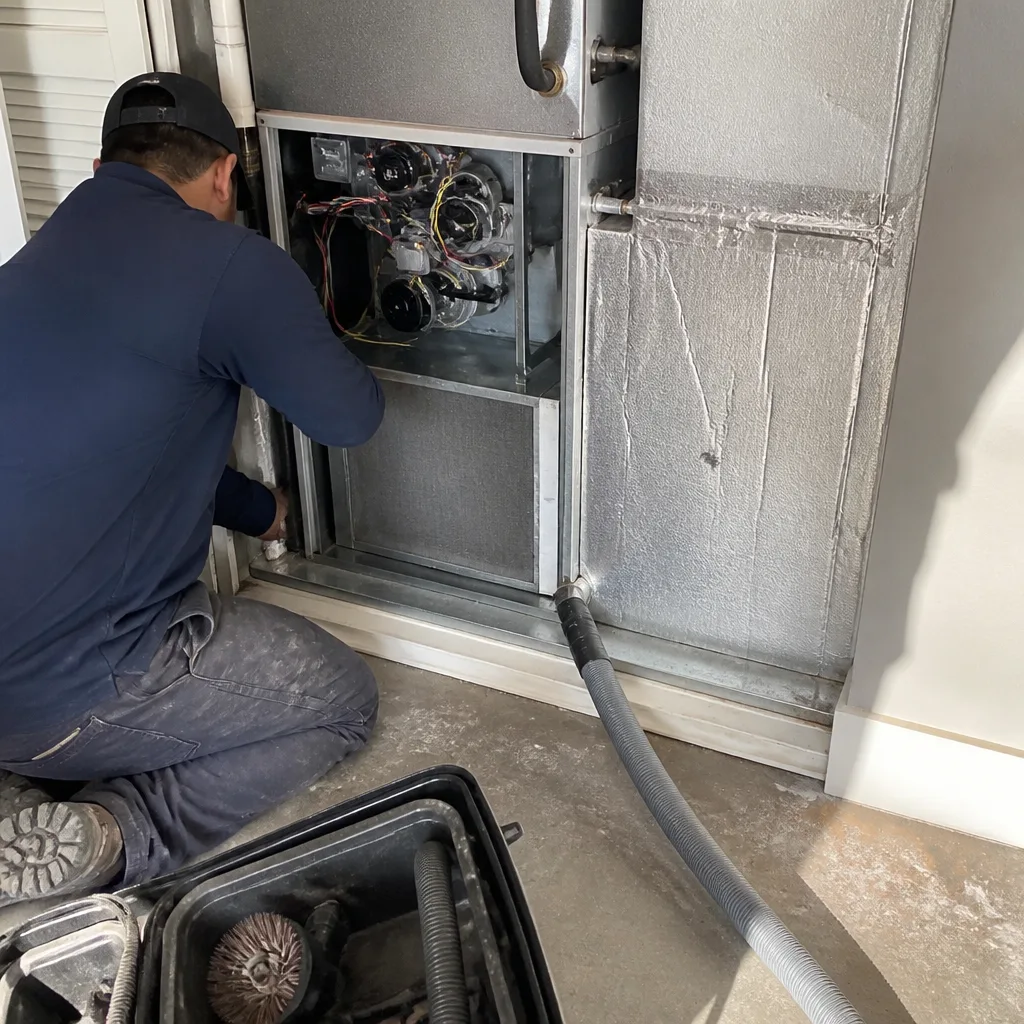
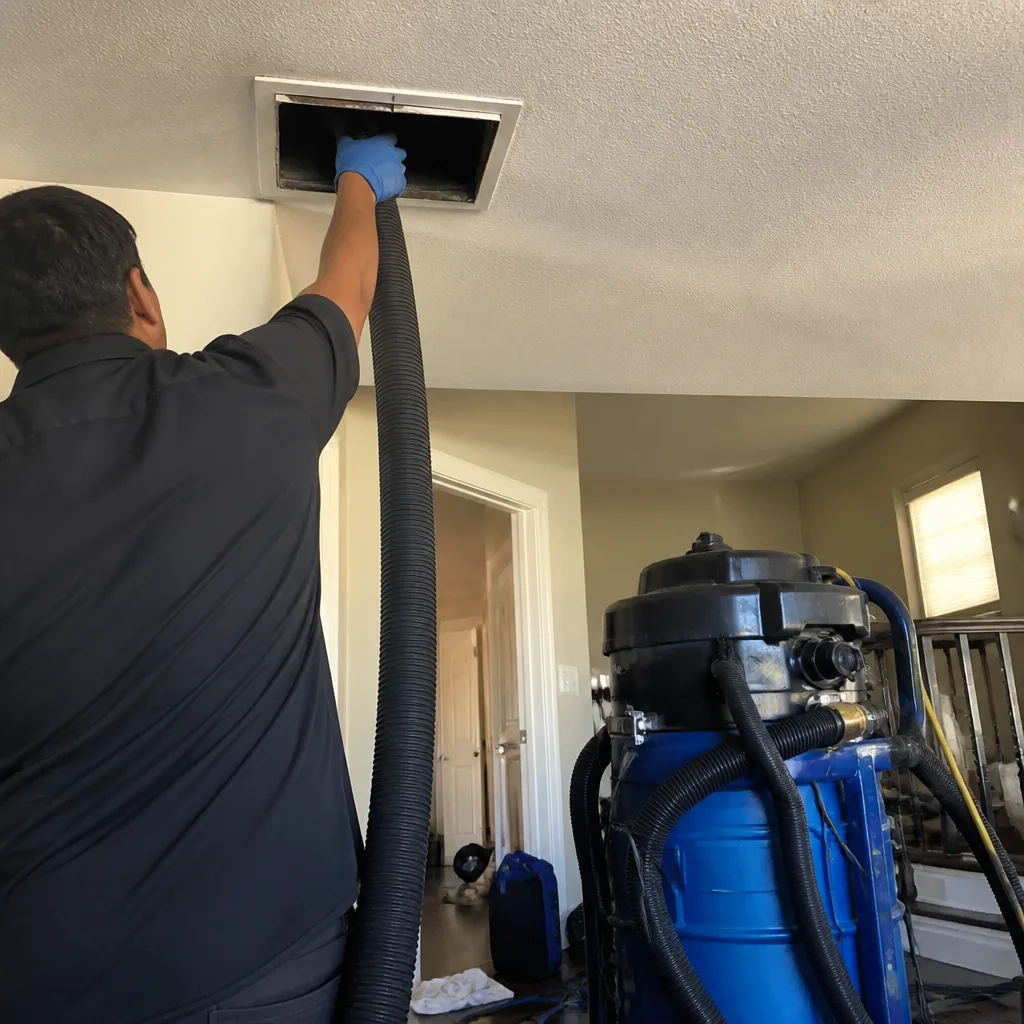
Whole-system duct and dryer vent check with before-and-after photos - you see exactly what came out of your vents
That "$99 whole-house special" is a bait ad - the real number appears once they are in your hallway, or the "clean" is a shop-vac at the register. We photograph the inside of your ducts before and after instead.
 Before
 After
After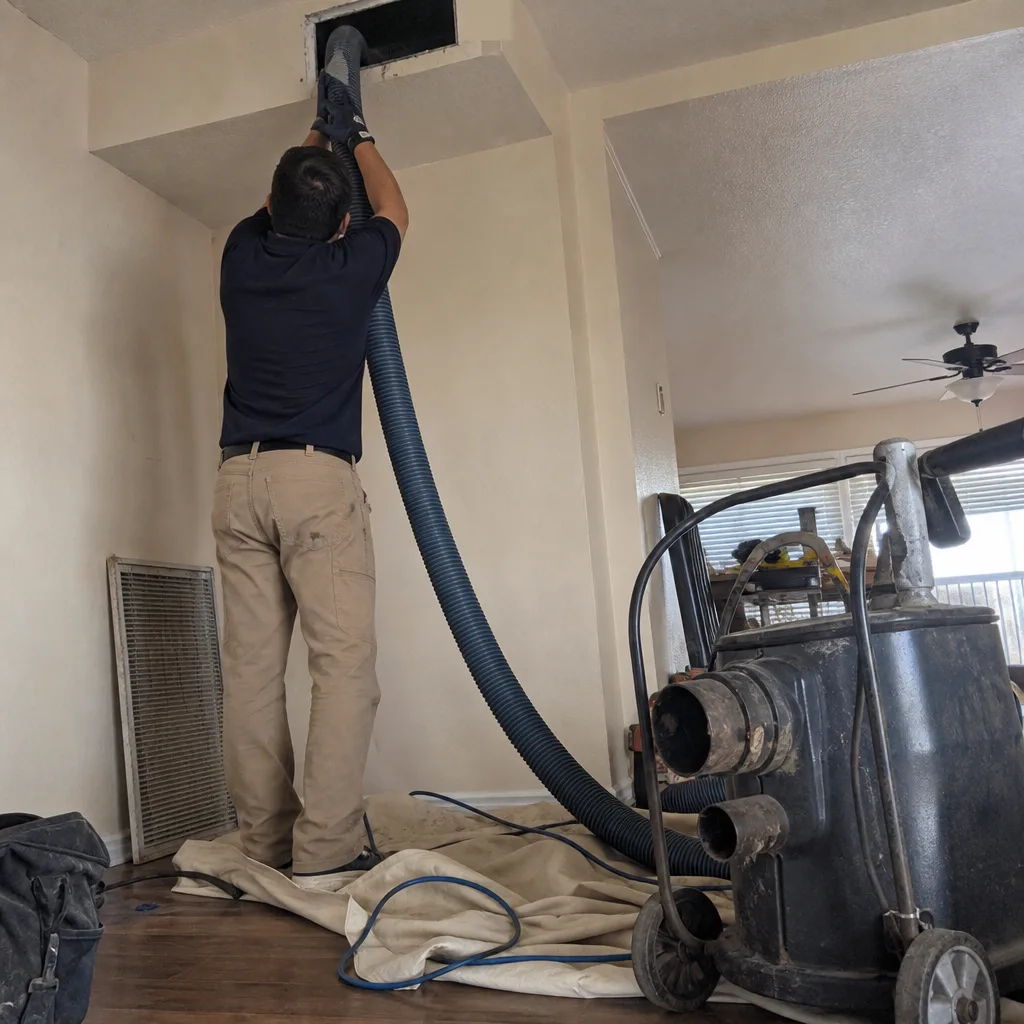 Before
 After
After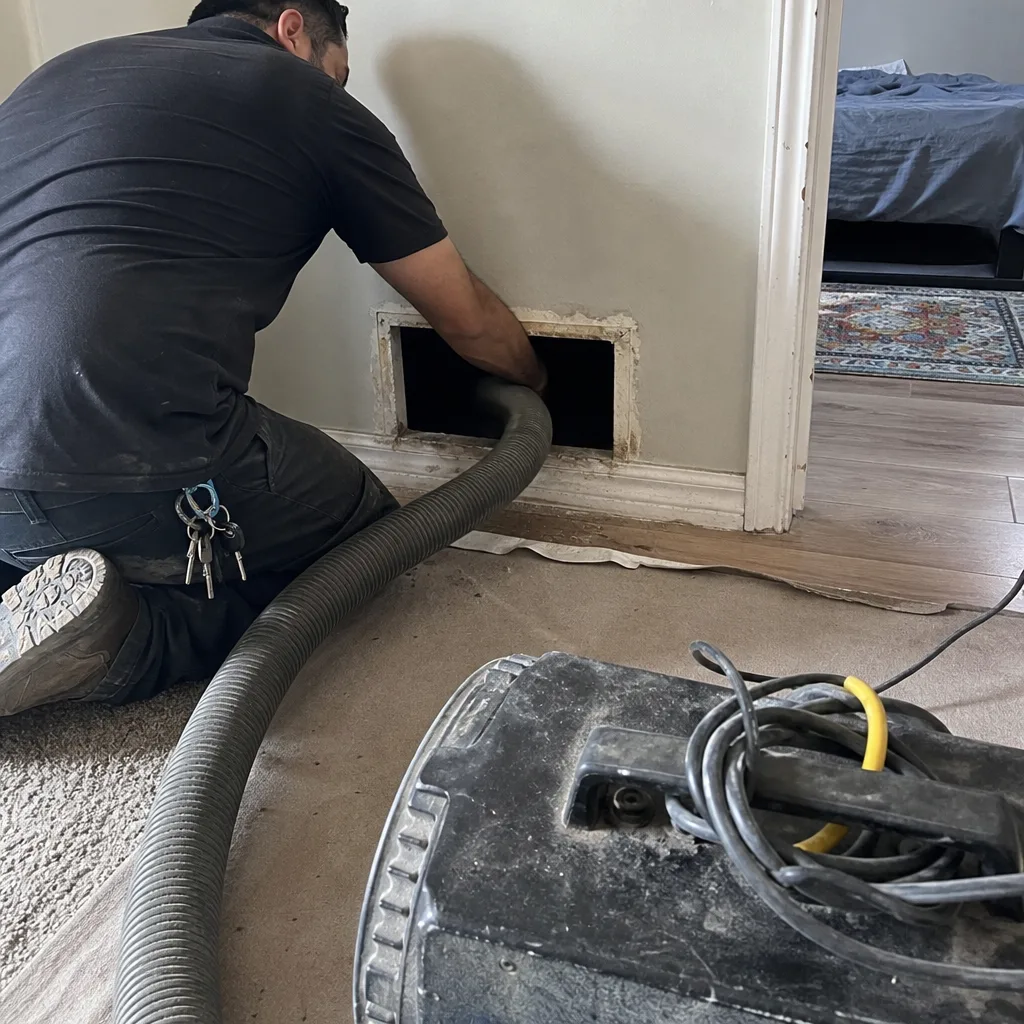 Before
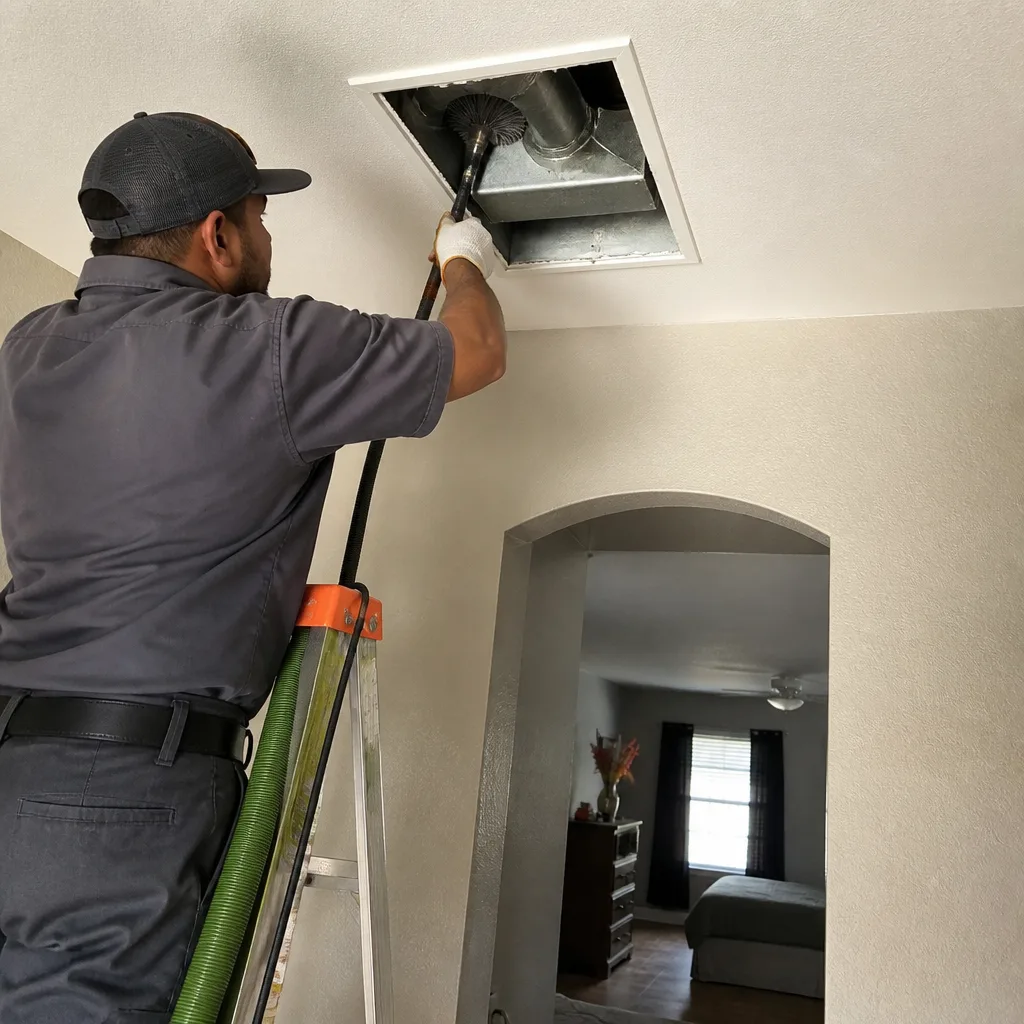 After
AfterDIY vs Professional Air Duct Cleaning: The Fort Worth Homeowner’s Decision Guide
Most YouTube tutorials showing “DIY duct cleaning” demonstrate register cleaning - removing the grille and vacuuming the visible opening. That’s not duct cleaning. The duct is the system of pathways behind that opening, and a shop-vac creates positive pressure that redistributes debris rather than removing it. In Fort Worth, where clay soil produces fine dust that settles in HVAC systems and where 2015-2025 construction booms left construction debris in thousands of new homes, the gap between register cleaning and full duct run extraction matters more than most homeowners realize. This guide shows exactly what DIY can accomplish, what it cannot, and how to decide which path fits your situation.
Quick Answer
DIY duct cleaning with consumer equipment can effectively clean the first 12-24 inches of a register opening and maintain dryer vents on short, straight runs. Professional Air Duct Cleaning services use negative-pressure extraction systems to remove debris from the full duct run - the complete pathway from plenum to register - and are necessary for post-renovation dust, mold concerns, rodent debris, or flexible ductwork that requires calibrated equipment. For most Fort Worth homes built since 2015, professional cleaning every 3-5 years is the practical choice; DIY maintenance between cleanings is sensible and sufficient.
Table of Contents
- What DIY Duct Cleaning Actually Accomplishes
- What Professional Negative-Pressure Extraction Actually Does
- The Equipment Gap: Why Tools Determine Results
- Scenarios Where DIY Is Genuinely Sufficient
- Scenarios Where DIY Is Insufficient or Risky
- Real Cost Comparison: DIY Attempt vs. Professional Job
- What Professional Documentation Provides That DIY Cannot
- How Fort Worth’s Climate and Construction Affect Your Ducts
BeforeAfterWhat DIY Duct Cleaning Actually Accomplishes
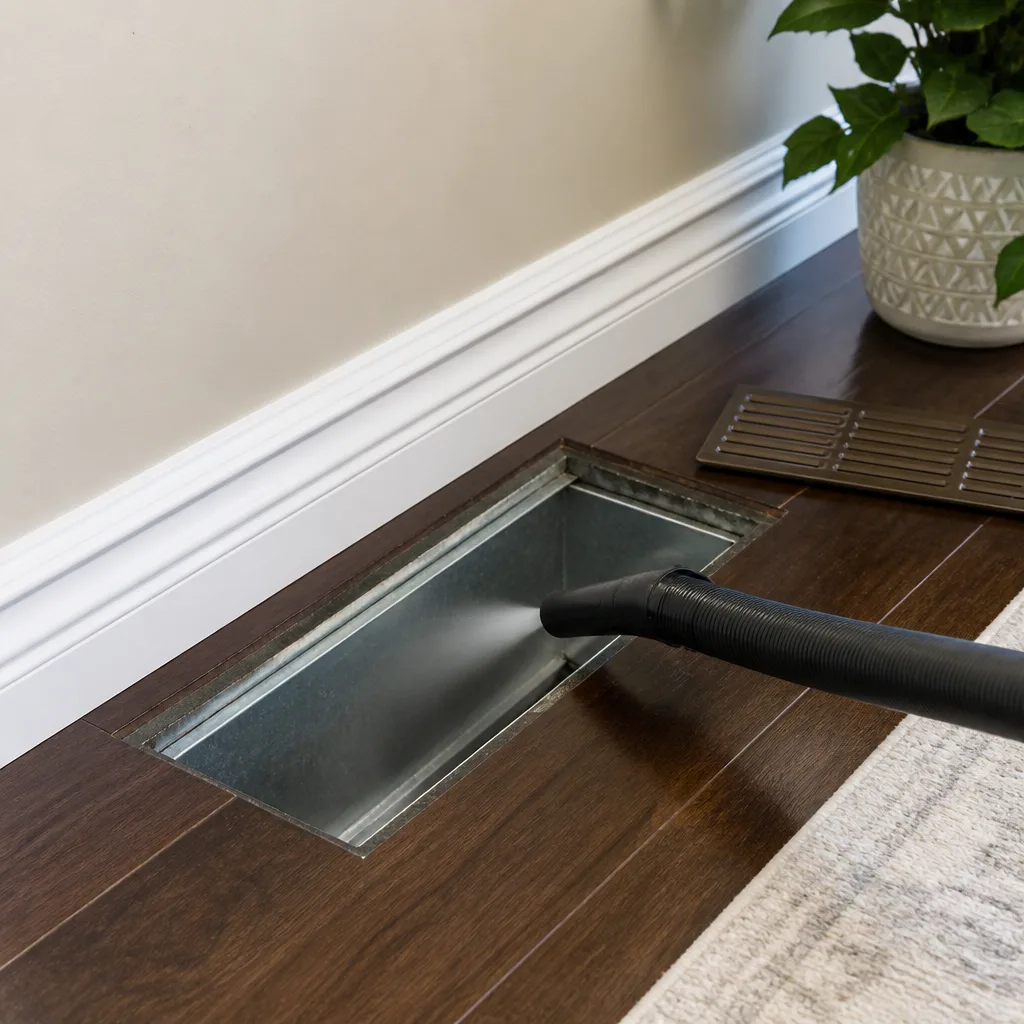
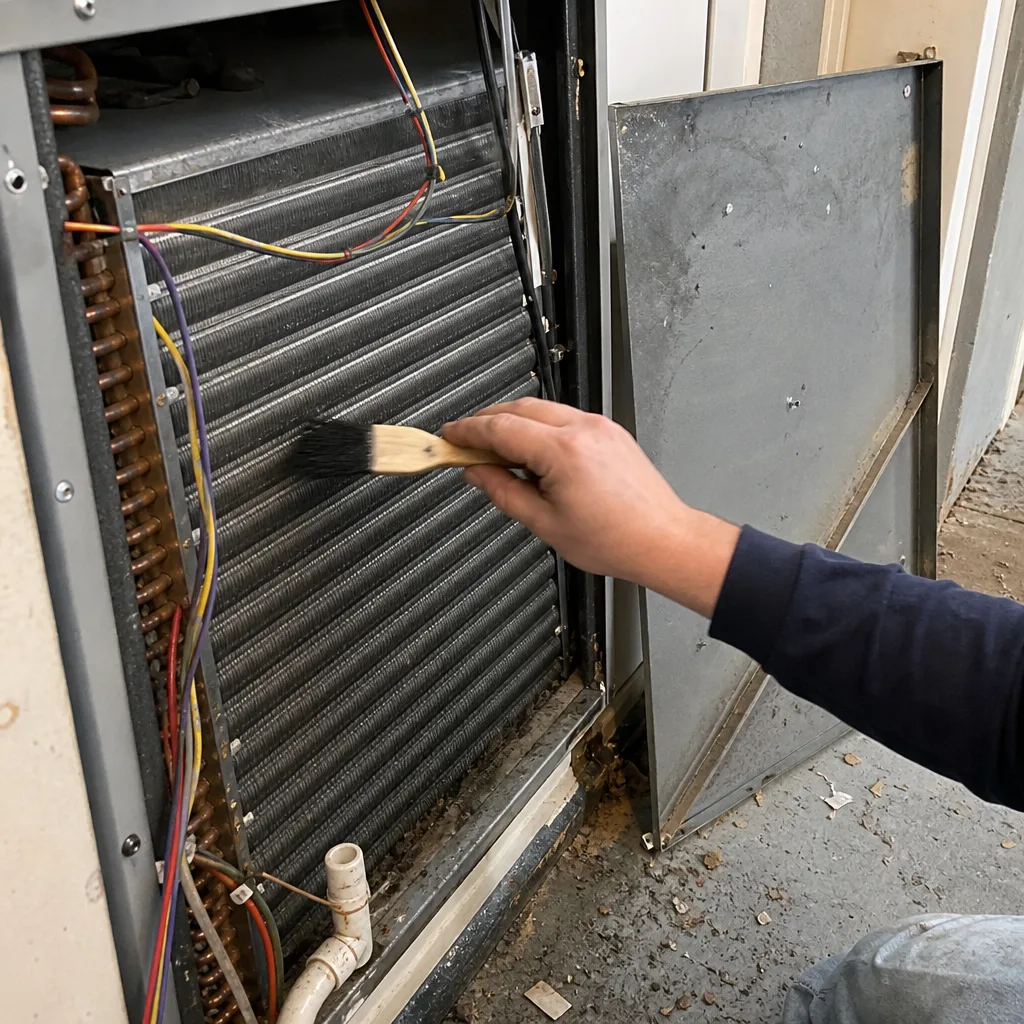
Let’s be precise about what happens when a homeowner cleans their own ducts. The typical DIY approach involves a shop vacuum, a brush attachment, and possibly a dryer vent brush kit purchased at a Fort Worth hardware store. This equipment can reach approximately 12-24 inches into a register opening - sometimes slightly farther on straight runs with no elbows.
What gets removed in that zone is legitimate: dust bunnies, hair, surface debris, and whatever has settled near the grille. For homes in Fort Worth neighborhoods like Westover Hills or Berkeley Place, where mature trees produce seasonal pollen that collects at register openings, this surface cleaning has real value. You’re removing material that would otherwise recirculate.
But the duct run - the full pathway from the plenum (the central distribution box connected to your HVAC unit) to each register - extends far beyond that reach. In a typical Fort Worth ranch built in 2017, a duct run to a back bedroom might travel 25-40 feet, pass through two elbows, and include a flexible duct section in an attic that reaches 140°F in July. The shop-vac’s 2.5-inch hose cannot navigate those elbows. Its positive-pressure suction blows as much debris loose as it captures, redistributing fine particles into the system rather than containing them.
We’ve documented this discrepancy on hundreds of jobs. A homeowner in Ridglea Hills told us they’d “just cleaned the ducts” with a shop-vac the previous weekend. Our camera showed a 2-inch debris build-up at the first elbow, 8 feet from the register. The surface was clean. The duct was not.
DIY duct cleaning, honestly defined, is register maintenance and limited surface cleaning. That’s not nothing. It’s simply not duct cleaning as the trade defines it.
What Professional Negative-Pressure Extraction Actually Does
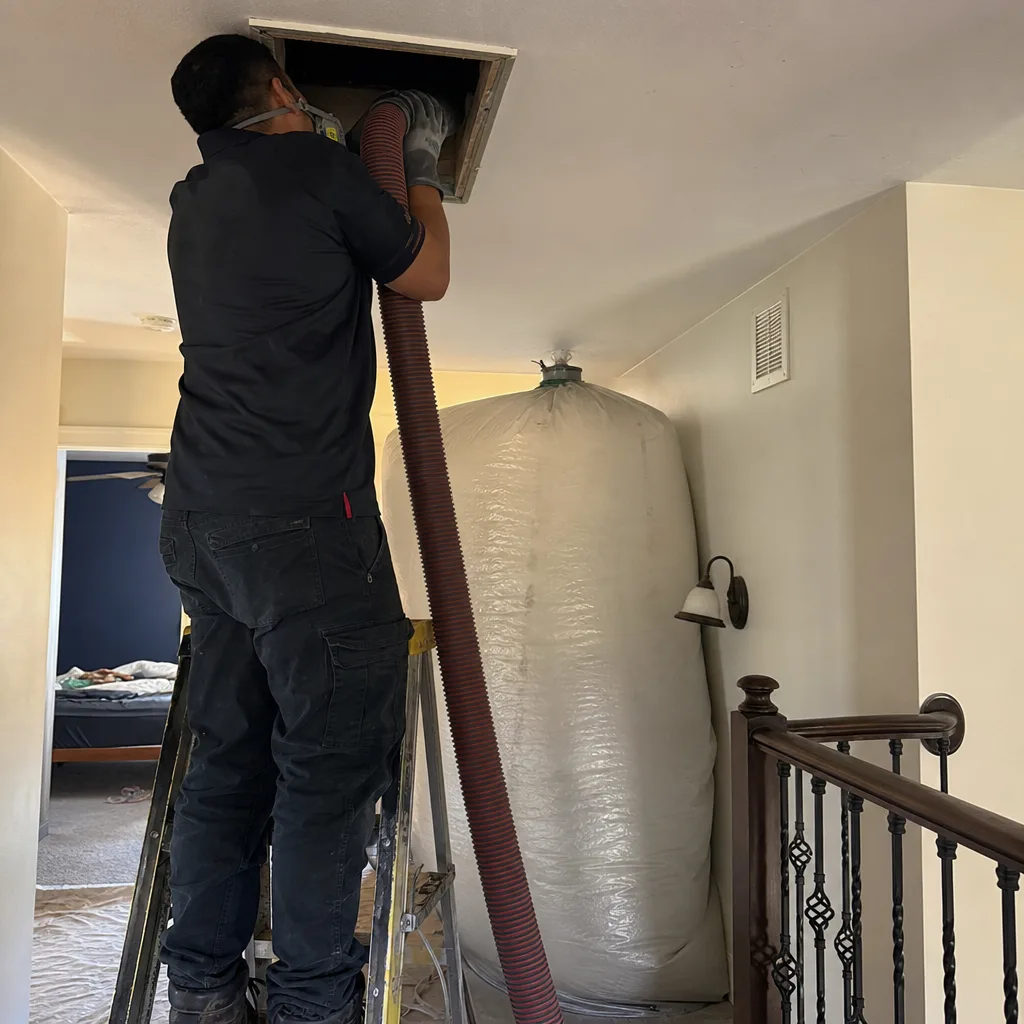
Professional duct cleaning operates on a different physical principle: negative-pressure extraction. Here’s what that means in practice.
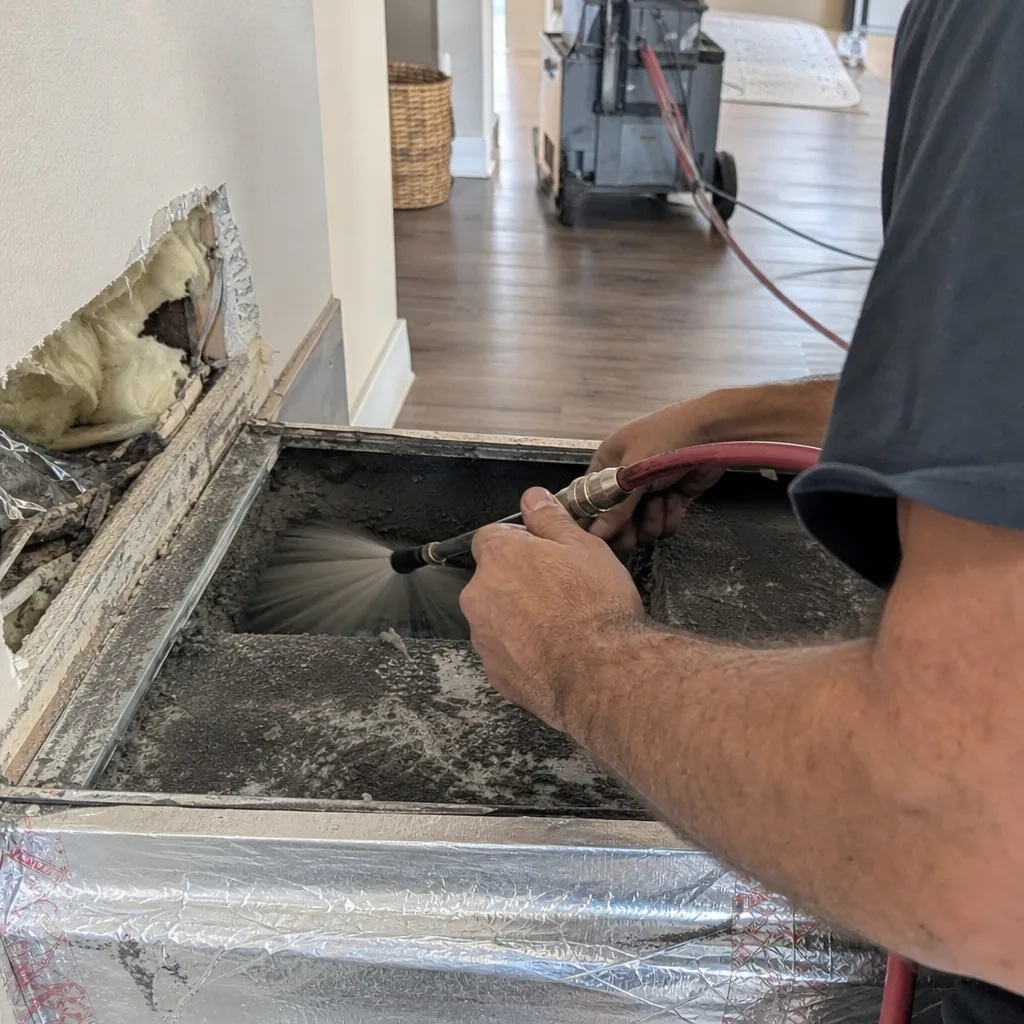
A truck-mounted or portable system - brands like Rotobrush and Nikro, which we use on CleanRun jobs - creates suction at the plenum or main trunk line, pulling air and debris through the entire duct run toward a collection container. The system is sealed to the ductwork, so the pressure differential draws material from the full pathway, not just the opening. Agitation tools - rotary brushes, air whips, or compressed-air nozzles - loosen debris from duct walls while the negative pressure captures and contains it.
This matters for containment. When a shop-vac blows loose debris in a duct, that material exits at the next open register or gets pushed deeper into the system. Negative-pressure extraction pulls everything toward the collection point. The debris leaves the house.
The equipment also reaches the full duct run. A rotary brush system on a flexible cable can navigate multiple elbows and travel 30+ feet. In Fort Worth’s newer construction - think Walsh, Viridian, or Wedgwood developments from 2018-2023 - duct runs are often longer and more complex than in older homes, with more branches and tighter turns that require navigable tools.
Professional systems also vary approach by duct material. Sheet metal ducts tolerate aggressive agitation. Flexible duct - the ribbed, plastic-sleeved material common in attics - requires calibrated brush speed and pressure to avoid tearing the inner liner. We’ve replaced flexible duct in Fairmount and Near Southside homes where improper DIY tools punctured the material, creating leaks that reduced system efficiency by 20% or more.
The distinction is mechanical, not moral. Negative-pressure extraction with professional equipment performs a different physical operation than surface vacuuming. The results are not comparable because the processes are not comparable.
The Equipment Gap: Why Tools Determine Results
Consumer and professional equipment differ in four specific ways that determine what gets cleaned.
- Suction volume and containment. A shop-vac moves approximately 100-150 cubic feet per minute (CFM) and is open to the room air. Professional negative-pressure systems move 4,000-5,000+ CFM through sealed ductwork. The volume difference means professional systems can overcome friction loss in long runs and maintain extraction velocity at distance.
- Agitation reach. A brush on a 3-foot extension pole cleans what it touches. A rotary brush on a 35-foot flexible cable navigates elbows and cleans the full contact surface of the duct wall. In Fort Worth’s Tanglewood or Rivercrest homes with complex multi-level duct systems, that reach determines whether the upstairs registers receive any cleaning at all.
- Particle capture. Shop-vacs exhaust fine particles back into the room through their filter. HEPA-filtered professional systems capture particles to 0.3 microns and exhaust filtered air outside the living space. For homeowners with allergy concerns - common in Fort Worth’s spring oak pollen season - this containment difference is medically relevant.
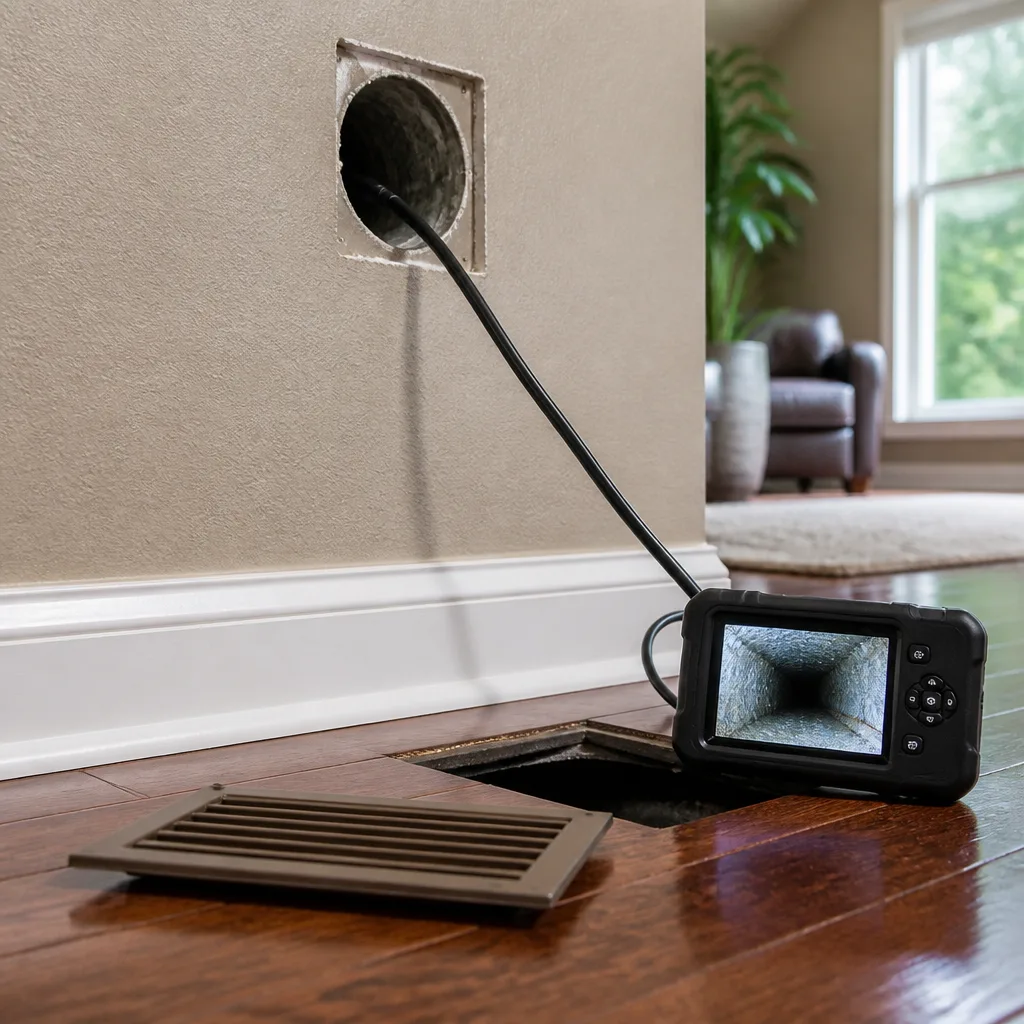
- Inspection capability. Professional jobs include camera inspection before and after cleaning. You see what was there and what remains. DIY cleaning provides no verification - you assume the duct is clean because the register opening looks better.
Equipment from Guardsman and other trade-recognized manufacturers is designed for these specific constraints. Consumer tools are designed for surface cleaning. The gap is not marketing; it’s mechanical engineering.
Scenarios Where DIY Is Genuinely Sufficient
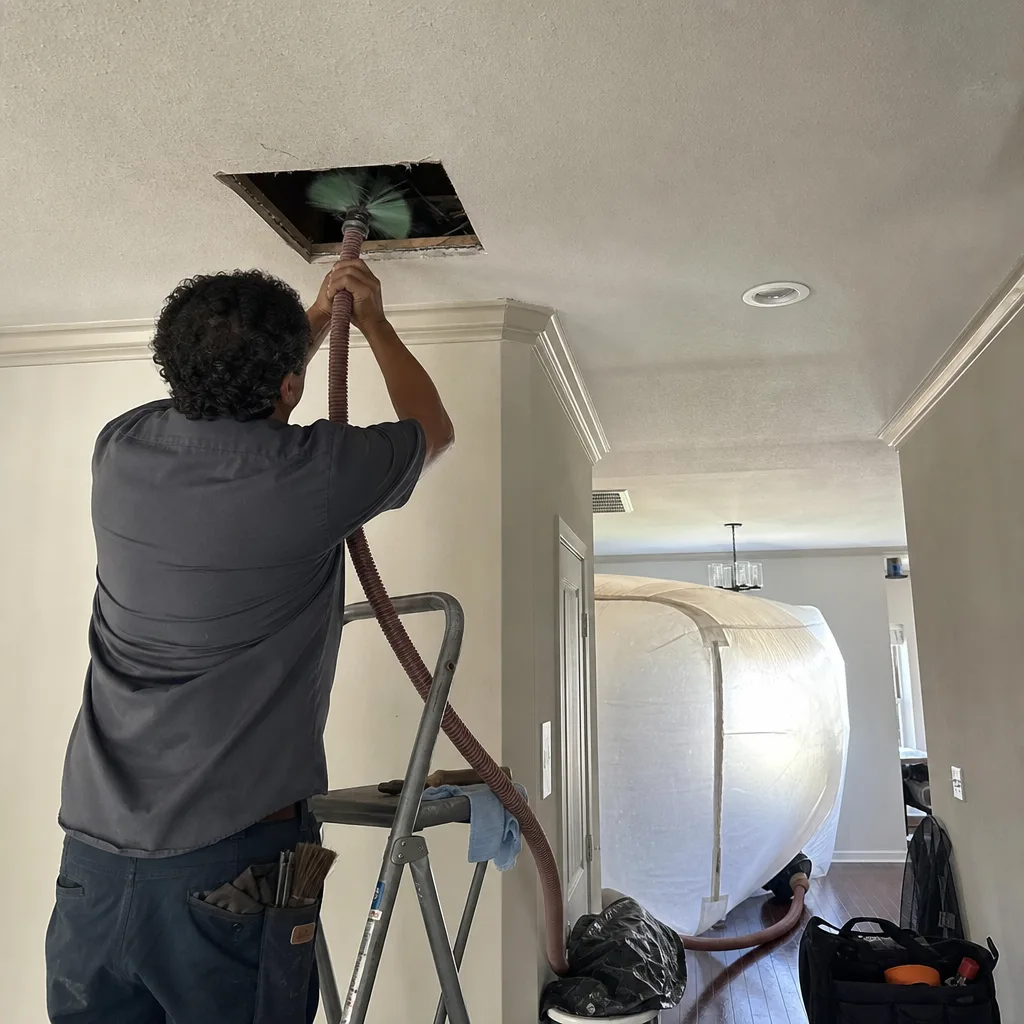
There are specific, limited situations where DIY maintenance is appropriate and effective. Do these correctly, and you’ll extend the interval between professional cleanings.
1. Surface Register Cleaning
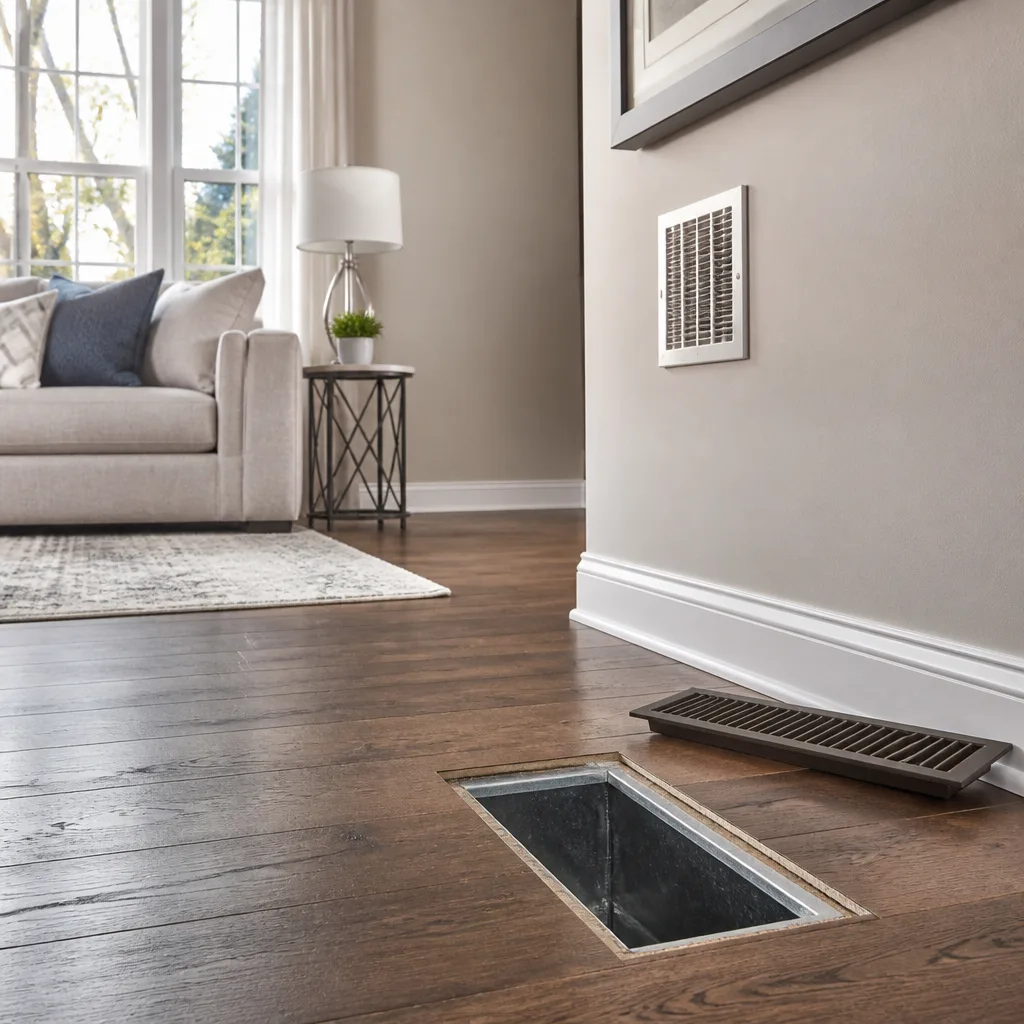
Remove the grille, vacuum the opening with a brush attachment, and wipe the visible duct surface. This removes hair, dust, and pollen that accumulate at the terminal point. For Fort Worth homes during peak pollen season - typically March through May - monthly register cleaning reduces the load on your HVAC filter.
Steps:
- Turn off the HVAC system at the thermostat.
- Remove the register grille - most lift out or have two screws.
- Vacuum the opening with a brush attachment, reaching as far as the hose allows.
- Wipe the visible metal surface with a damp microfiber cloth.
- Replace the grille and restore power.
2. Dryer Vent Brushing on Short, Straight Runs
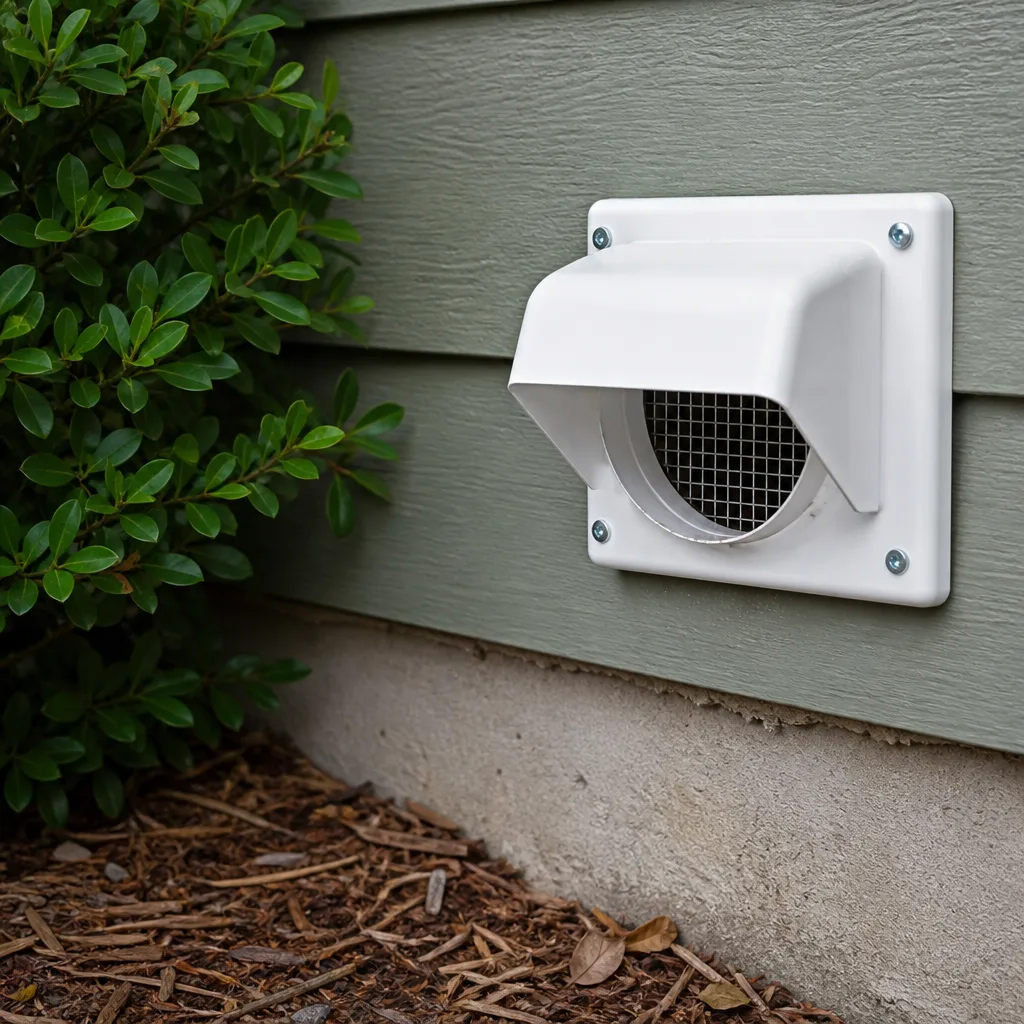
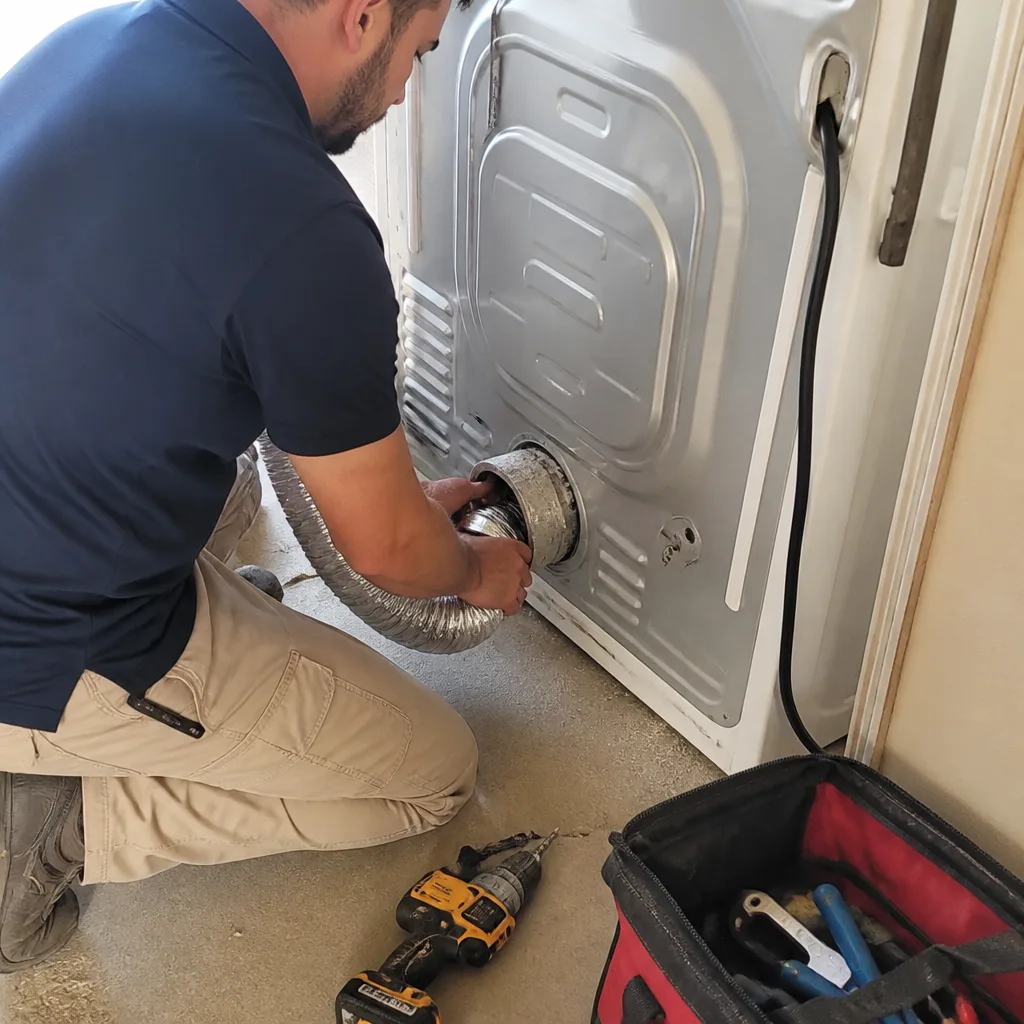
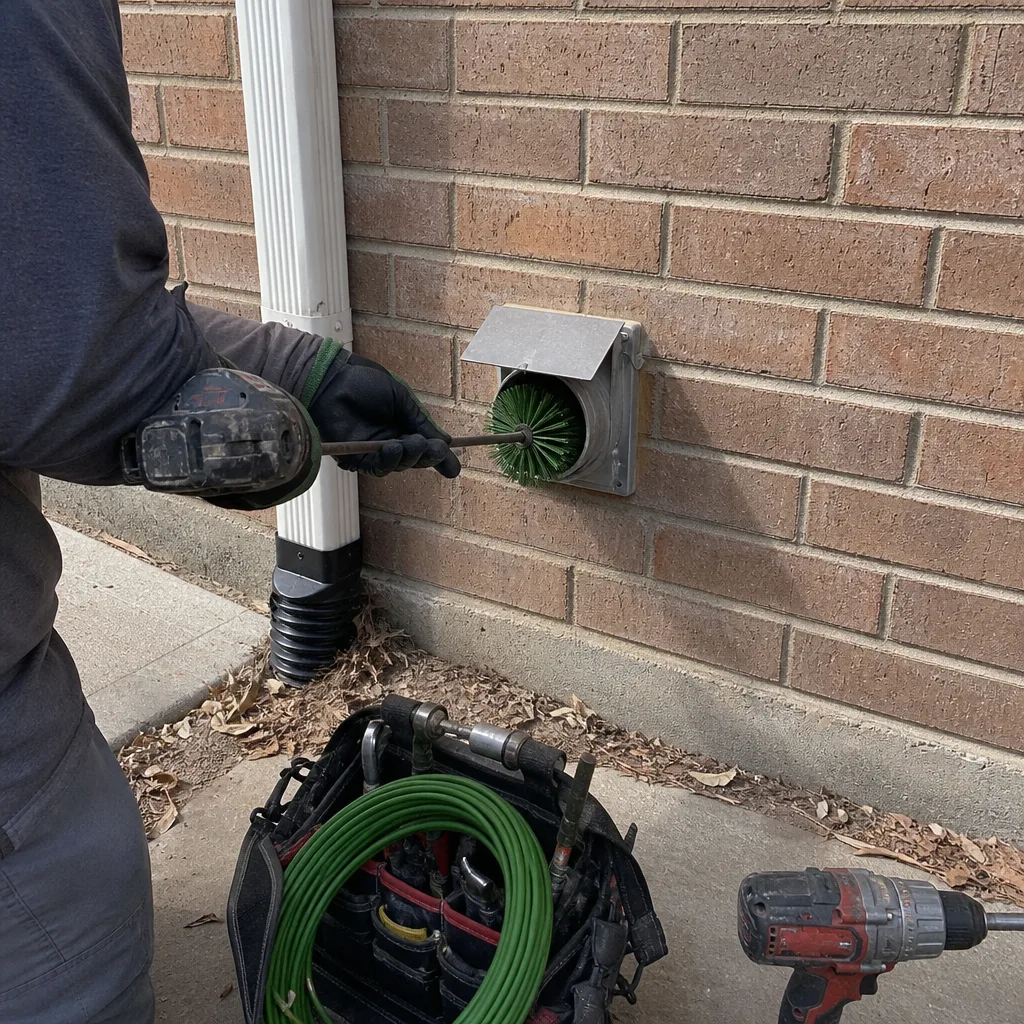
If your dryer vent exits through an exterior wall within 6 feet with no elbows, a dryer vent brush kit ($15-$25) is effective maintenance. This is not duct cleaning - it’s a separate system - but it’s the one scenario where consumer tools match the task.
Steps:
- Disconnect the dryer from the wall duct.
- Insert the brush from the interior and rotate while pushing forward.
- Vacuum the loosened lint from both ends.
- Reconnect and verify the exterior flap moves freely when the dryer runs.
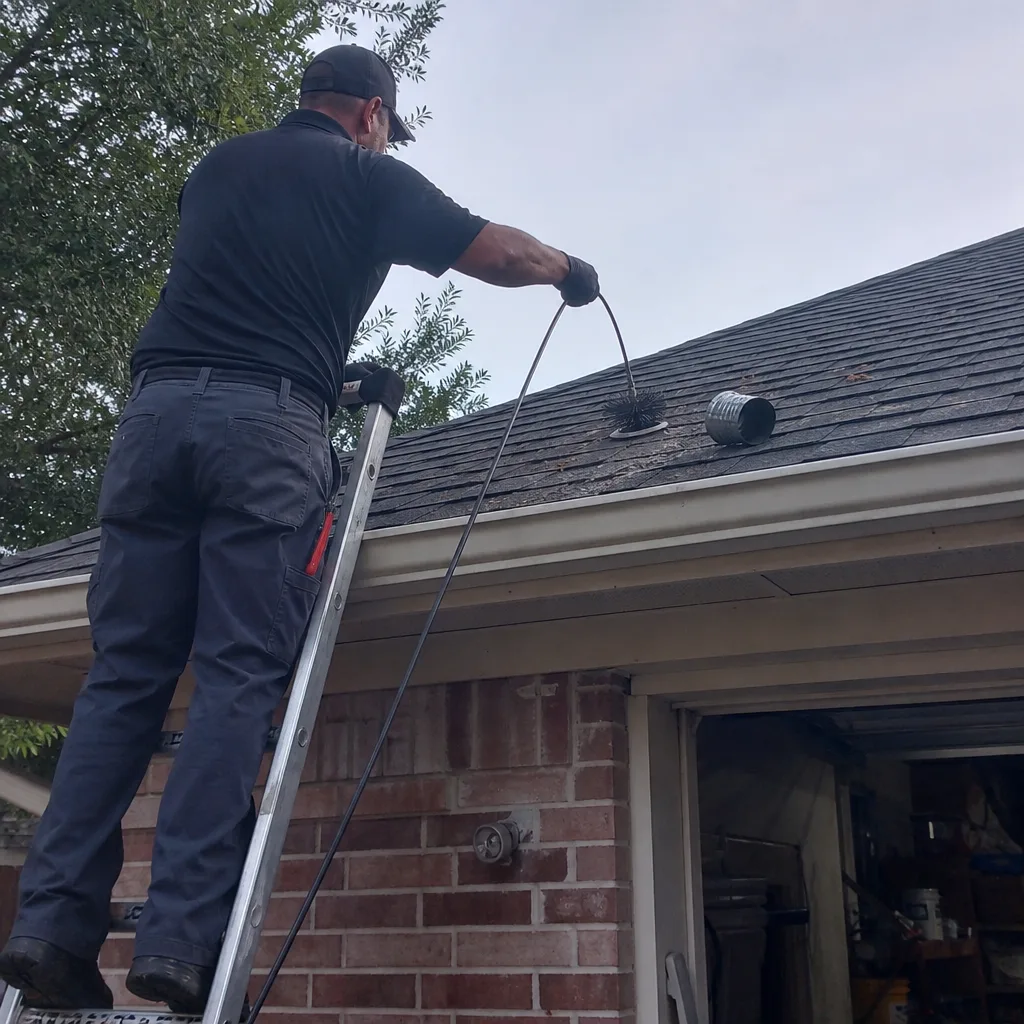
For longer runs, multiple elbows, or roof terminations common in Fort Worth’s two-story construction, professional Dryer Vent Cleaning in Fort Worth is the safer choice. Lint accumulation in restricted vents is a documented fire hazard.
3. Basic Visual Inspection
Use your phone’s flashlight to examine register openings for visible mold, rodent droppings, or construction debris. Document what you see with photos. This inspection doesn’t clean anything, but it provides information to decide whether professional service is warranted.
DIY is sufficient for maintenance of clean surfaces and short, accessible dryer vents. It is not sufficient for system-wide cleaning.
Scenarios Where DIY Is Insufficient or Risky
Certain conditions require professional equipment and training. Attempting DIY in these situations wastes time or creates damage.
- Active mold growth. Disturbing mold colonies without containment spreads spores through the system. Professional remediation uses negative-pressure isolation, HEPA filtration, and antimicrobial treatment. In Fort Worth’s humid summer months, attic ductwork can develop condensation-related mold that DIY methods will aerosolize rather than eliminate.
- Rodent debris. Droppings, nesting material, and carcasses carry hantavirus and other pathogens. This requires PPE, professional-grade HEPA extraction, and sanitizing agents. A shop-vac without proper filtration becomes a distribution device.
- Post-renovation dust. Construction debris - drywall dust, insulation fragments, sawdust - penetrates deep into duct runs and requires high-volume extraction. The fine particulate from Fort Worth’s ongoing construction in areas like the Near Southside and West 7th district settles in layers that adhere to duct walls. Surface vacuuming is irrelevant to this condition.
- Flexible duct damage risk. The ribbed interior of flexible duct catches brush bristles and tears under aggressive agitation. Professional technicians calibrate brush speed and use softer agitation methods for this material. We’ve replaced flexible duct in Mistletoe Heights and Ryan Place where homeowner tools destroyed the liner.
- Asbestos or degraded insulation. Pre-1980 homes in Fort Worth’s established neighborhoods - Arlington Heights, Fairmount, Como - may have asbestos-containing duct insulation or transite pipes. Disturbing these materials without abatement certification is illegal and hazardous. Professional inspection identifies these materials before work begins.
- System-wide airflow problems. If some rooms never reach temperature, the issue may be duct leakage, blockage, or design flaw - not cleanliness. Cleaning won’t solve it, and DIY cleaning may mask the symptom. Professional HVAC Cleaning in Fort Worth includes diagnostic assessment of airflow and leakage.
Real Cost Comparison: DIY Attempt vs. Professional Job
Honest cost analysis requires accounting for equipment, time, and results - not just the sticker price.
DIY Cost for a Genuine Attempt
A homeowner trying to approximate professional results would need:
- High-CFM shop-vac with HEPA filter: $300-$600 purchase, or $50-$80/day rental
- Rotary brush system with flexible cable (20+ feet): $150-$400
- Register removal tools, extension hoses, adapters: $50-$100
- Protective equipment (respirator, goggles, coveralls): $40-$80
- Disposal bags for collected debris: $15-$25
- Time investment: 6-10 hours for a typical 2,000 sq ft home, including setup, execution, and cleanup
Total realistic DIY cost for equipment that still won’t achieve negative-pressure extraction: $555-$1,205 first attempt, with equipment retained for future use. The rotary brush system is the critical gap - without it, you’re cleaning surfaces, not runs.
Professional Cost in Fort Worth
Professional Air Duct Cleaning in Fort Worth for a typical single-system home ranges from $400-$700 for a complete job, depending on system size, accessibility, and condition. This includes:
- Full-system negative-pressure extraction
- Agitation of all duct runs
- Camera inspection and documented photo record
- Plenum and register cleaning
- Written scope and pricing before work begins
- 365-day guarantee on workmanship
The professional job takes 3-5 hours and requires no homeowner time. The DIY “savings” evaporate when you account for equipment cost, time value, and the fundamental limitation that consumer tools cannot extract from full duct runs.
At CleanRun Air Duct Cleaning Fort Worth, we publish our pricing under Haven Standard Clause 1: written price before any work starts. No exceptions. The price you approve is the price you pay.
What Professional Documentation Provides That DIY Cannot
This is where the comparison shifts from cleaning to accountability. A professional job from CleanRun Air Duct Cleaning Fort Worth delivers three documents that DIY cannot replicate.
Documented Photo Record. Every duct run is photographed before and after cleaning. You see the debris that was present and the condition after extraction. This is not a marketing claim - it’s a deliverable you receive as part of the standard job record. In our experience since 2013, this documentation has proven valuable in three specific situations: home resale (buyers request verification of system condition), warranty claims (manufacturers may require maintenance records), and dispute resolution (objective evidence of work performed).
Written Scope and Price. Haven Standard Clause 1 requires a written price before any work begins. You have a contract, not an estimate that changes when the technician arrives. This matters in an industry where bait-and-switch pricing is common - the $79 coupon that becomes a $600 invoice once the van is in your driveway.
365-Day Done Right Promise. If the work is not right, we make it right. This is a written guarantee, not a policy subject to manager approval. The documentation package - photos, scope, warranty - creates accountability that extends beyond the day of service.
DIY cleaning produces no documentation. You cannot prove to a buyer, a warranty administrator, or yourself that the work reached the full duct run. The absence of verification is itself a cost, even if it’s not on a receipt.
How Fort Worth’s Climate and Construction Affect Your Ducts
Local conditions in Fort Worth create specific duct cleaning needs that generic advice misses.
Clay soil and fine dust. The expansive clay soils of Tarrant County produce fine particulate that becomes airborne during dry periods - common in late summer and during construction activity. This dust infiltrates return air pathways and settles in duct runs. Homes in developing areas like Walsh, Viridian, or Alliance Town Center experience elevated dust loads from adjacent construction.
Humidity and condensation. Fort Worth’s summer humidity, combined with attic temperatures exceeding 130°F, creates condensation on cool duct surfaces in unconditioned spaces. This moisture supports microbial growth that requires professional remediation, not surface cleaning. We’ve found active mold in attic flex duct in Benbrook and Crowley homes where homeowners attempted DIY bleach treatment - which killed surface growth but left live colonies deeper in the system.
Post-construction debris in newer homes. Homes built 2015-2025 in Fort Worth’s expansion areas frequently contain construction debris in ductwork: drywall dust, wood fragments, insulation scraps. Builders’ “rough cleans” rarely address the full duct run. Professional extraction with high-volume equipment is necessary to remove this material, which DIY tools cannot reach and which degrades indoor air quality for years if left in place.
Pollen load. Fort Worth’s urban tree canopy - live oaks, pecans, cedar elms - produces pollen that accumulates in HVAC systems. Register cleaning manages surface accumulation; full duct cleaning addresses the pollen that has traveled through the system and adhered to duct walls.
These local factors mean that “how often to clean” and “whether to DIY” have Fort Worth-specific answers. For homes in active construction zones or with allergy-sensitive occupants, professional cleaning every 3 years is practical maintenance. For established homes in stable neighborhoods with good filtration, 5-year intervals with diligent register maintenance between cleanings is reasonable.
Common Mistakes to Avoid
- Confusing register cleaning with duct cleaning. Vacuuming a register opening improves appearance and removes surface debris. It does not clean the 20-40 feet of duct run behind it. We’ve had Fort Worth homeowners tell us their ducts “were just cleaned” when only the grilles were addressed.
- Using a shop-vac without HEPA filtration. Standard shop-vacs exhaust fine particles back into the room. During duct cleaning, this means the debris you loosen gets redistributed into your living space. HEPA-equipped vacuums are essential for any DIY attempt, and even then, positive-pressure operation limits effectiveness.
- Ignoring flexible duct damage. The rotary brush that works well in sheet metal will tear flexible duct interior lining. In Fort Worth’s newer homes, flexible duct in attics is standard. Verify your duct material before selecting tools.
- Attempting mold remediation without containment. Bleach spray on visible mold kills surface growth but does not remove the colony or prevent spore release. Without negative-pressure containment, DIY mold treatment often makes indoor air quality worse by aerosolizing spores throughout the system.
- Neglecting the plenum and return air pathway. The plenum - the central distribution box - and the return air duct collect more debris than supply runs. Consumer tools cannot access these components. A “cleaned” system with dirty returns recirculates contamination immediately.
- Accepting per-vent pricing from any provider. Per-vent pricing incentivizes superficial work - cleaning only what’s visible. CleanRun Air Duct Cleaning Fort Worth prices per system, not per vent, under Haven Standard Clause 1. The written price covers the complete duct system, not a count of grilles.
When to Call a Professional
Call a professional when the condition exceeds what surface tools can address: visible mold or mildew odor, rodent evidence, post-renovation dust, uneven heating or cooling that suggests blockage, or any system with flexible duct you cannot confidently identify. Also call when you need documentation - for home sale, warranty claim, or health concern - that DIY cannot produce.
CleanRun Air Duct Cleaning Fort Worth offers free estimates in Fort Worth. Every estimate includes a written price before any work starts, every job includes a Documented Photo Record of every duct run, and every technician is background-checked and uniformed under Haven Standard Clause 3: Verified Crews. Call (817) 520-8797 to schedule an estimate or a free second opinion on any written competitor quote.
Frequently Asked Questions
Professional air duct cleaning in Fort Worth typically ranges from $400-$700 for a complete single-system home, depending on system size, duct accessibility, and condition. CleanRun provides a written price before any work starts under Haven Standard Clause 1 - no per-vent pricing, no add-ons after arrival. Call (817) 520-8797 for an exact quote; estimates are free.
Low quotes - often $79-$149 - typically cover register vacuuming and limited surface cleaning, not full-system extraction. The industry model is bait-and-switch: a low entry price that expands dramatically once the technician is in your home. CleanRun’s pricing is system-based and written before work begins. The price you approve is the price you pay.
Require before-and-after documentation of the full duct run, not just register photos. CleanRun’s Documented Photo Record shows the interior of every duct run before and after extraction, delivered as part of the standard job record. If a provider cannot or will not show you the inside of the duct, they have not verified their work.
Every 3-5 years for most homes, with shorter intervals for homes in active construction areas, homes with allergy-sensitive occupants, or homes with pets that shed heavily. Fort Worth’s clay dust, pollen load, and post-2015 construction debris in newer homes favor the shorter end of that range. Register maintenance between professional cleanings extends effectiveness.
Short, straight dryer vents (under 6 feet, no elbows, wall termination) can be maintained with a $15-$25 brush kit. Longer runs, multiple elbows, or roof terminations - common in Fort Worth’s newer two-story construction - require professional equipment to clear lint completely and verify airflow. Lint accumulation is a documented fire hazard; when in doubt, professional Dryer Vent Cleaning in Fort Worth is the safer choice.
DIY cleaning rarely voids warranties directly, but damage caused by improper tools - torn flexible duct, dislodged connections, stripped screws - is typically excluded from coverage. Professional cleaning from a licensed provider includes liability coverage for accidental damage. For warranty claims requiring maintenance records, professional documentation is accepted; DIY cleaning is not.
The Bottom Line
DIY duct cleaning is effective for surface maintenance and short dryer vents, but consumer equipment cannot extract debris from full duct runs - the mechanical limitation is fundamental, not a matter of effort or technique. Professional negative-pressure extraction reaches the complete system, contains debris rather than redistributing it, and produces documentation that DIY cannot replicate. For Fort Worth homes, where local dust, pollen, and construction debris create specific duct conditions, professional cleaning every 3-5 years is practical maintenance, with DIY register care sensible between visits. The decision is not moral or financial in simple terms - it’s a choice between what each method can physically accomplish, matched to what your ducts actually contain.
Written by Tomas Reyes, Owner at CleanRun Air Duct Cleaning Fort Worth, serving Fort Worth since 2013.